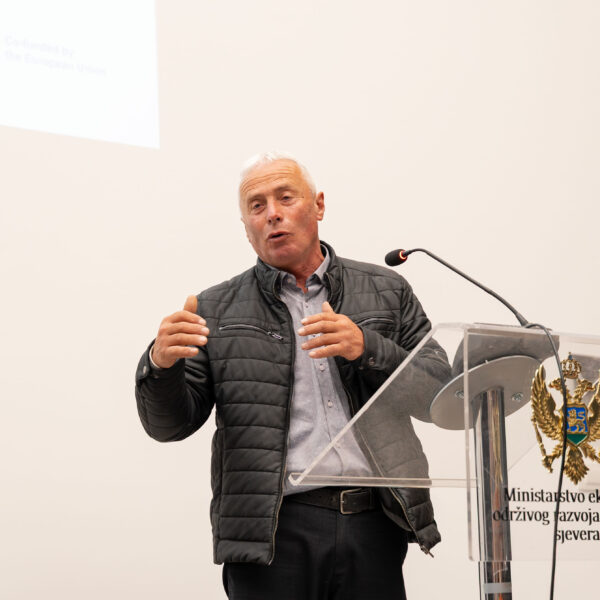
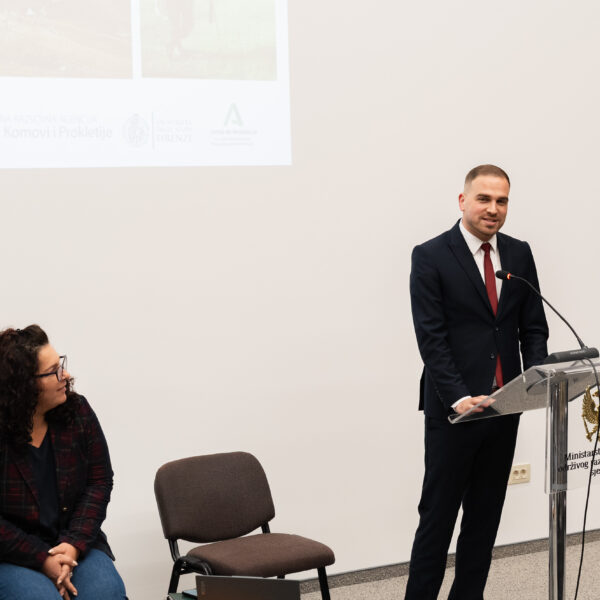
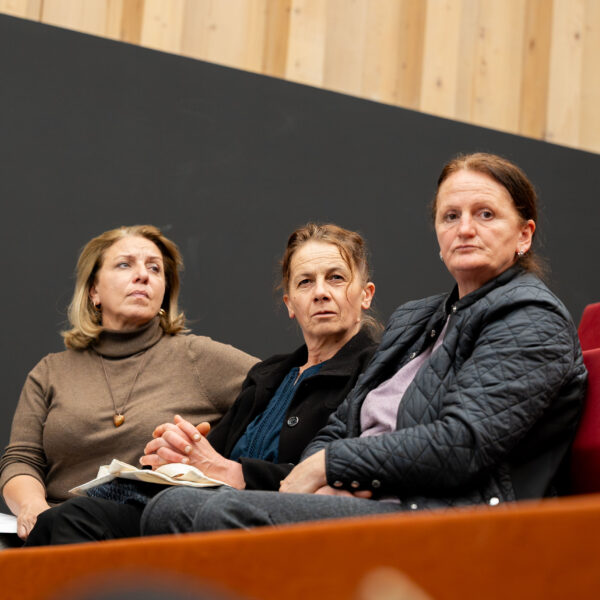
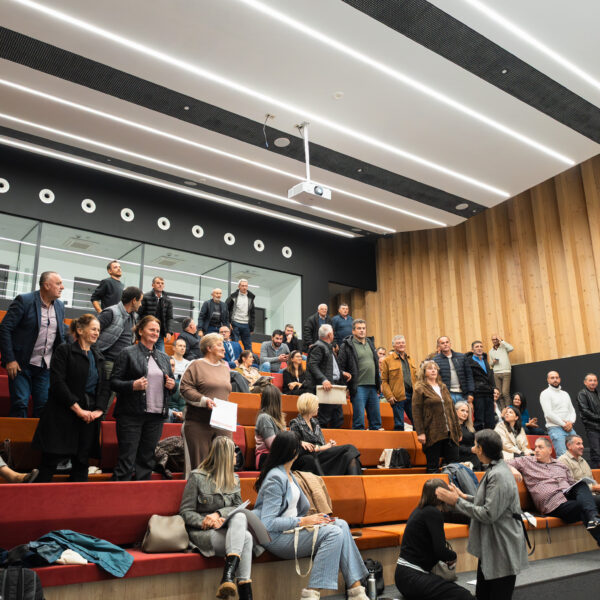
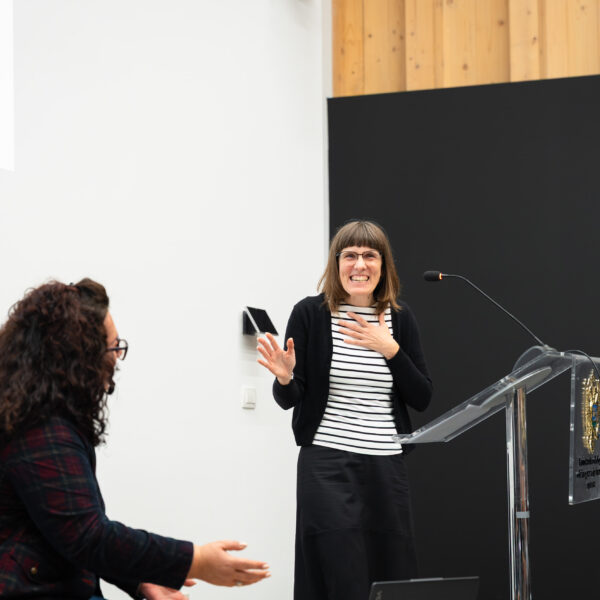
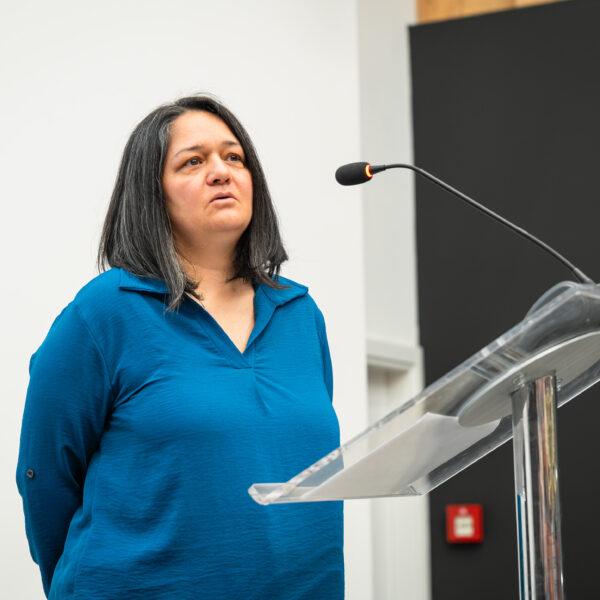
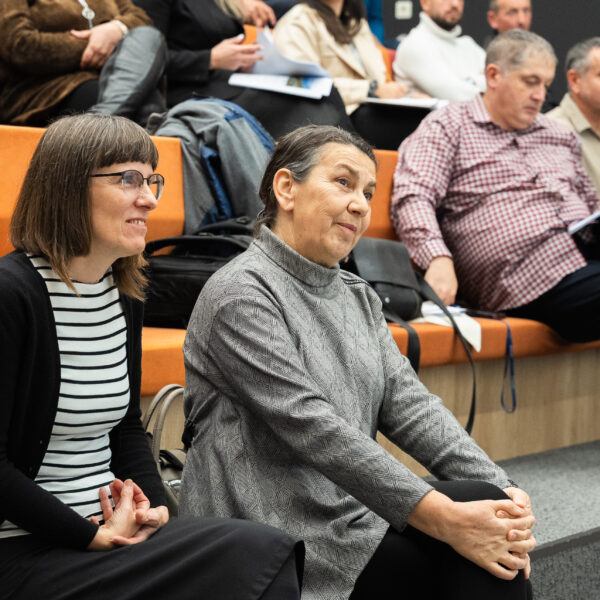
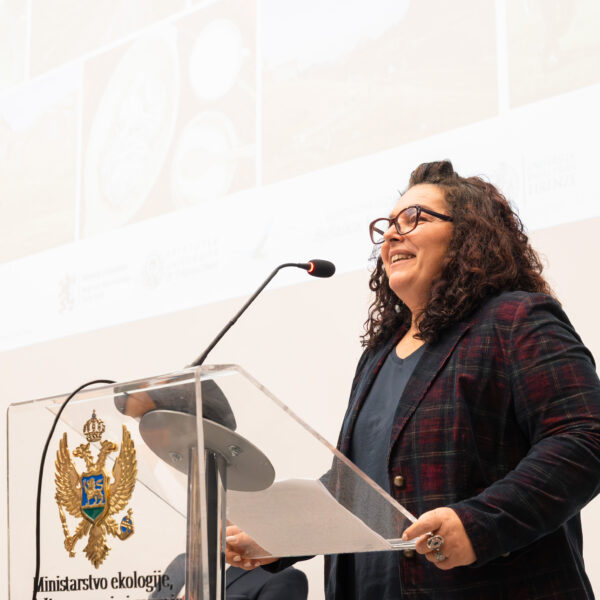
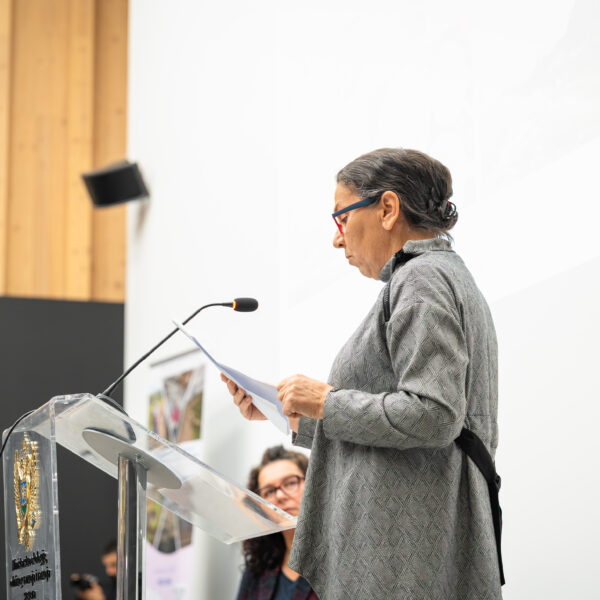
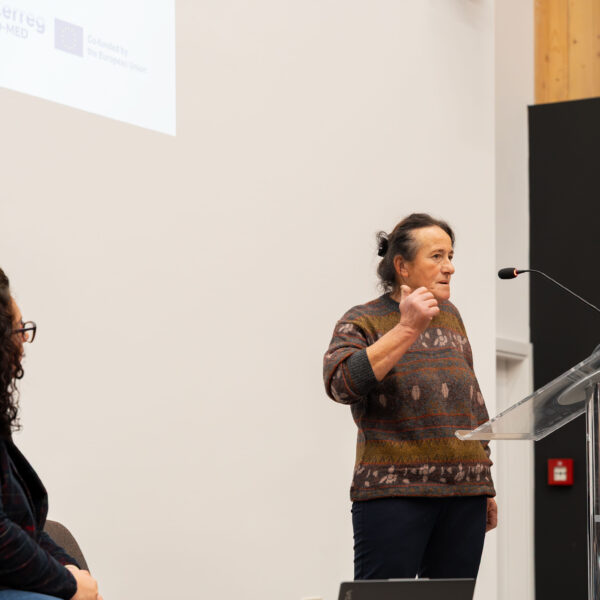
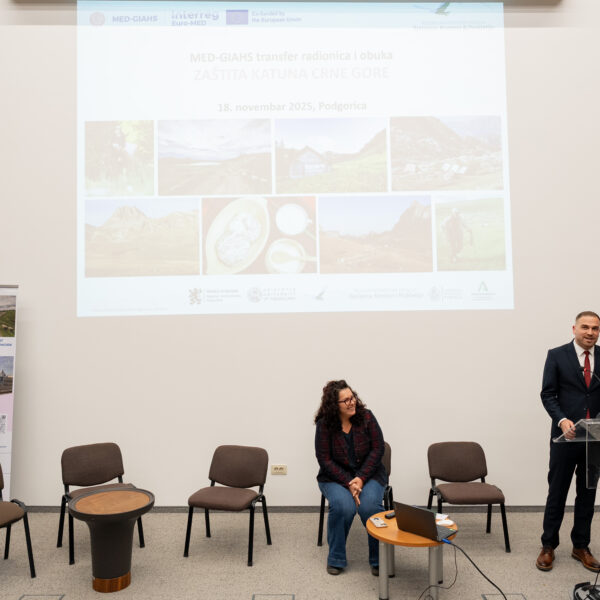
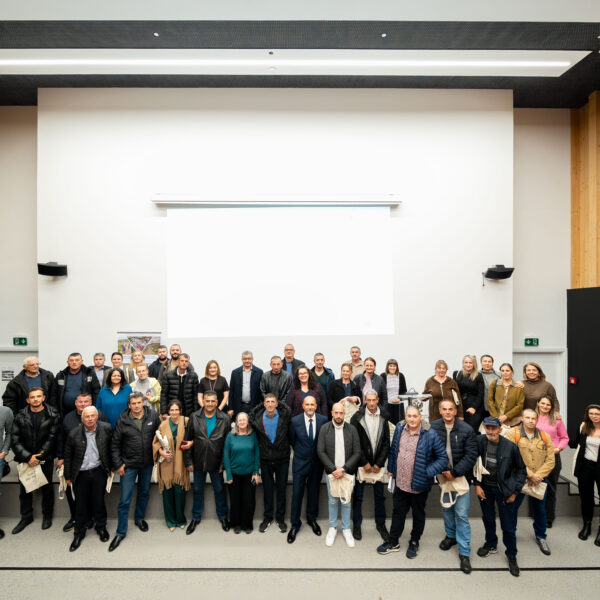
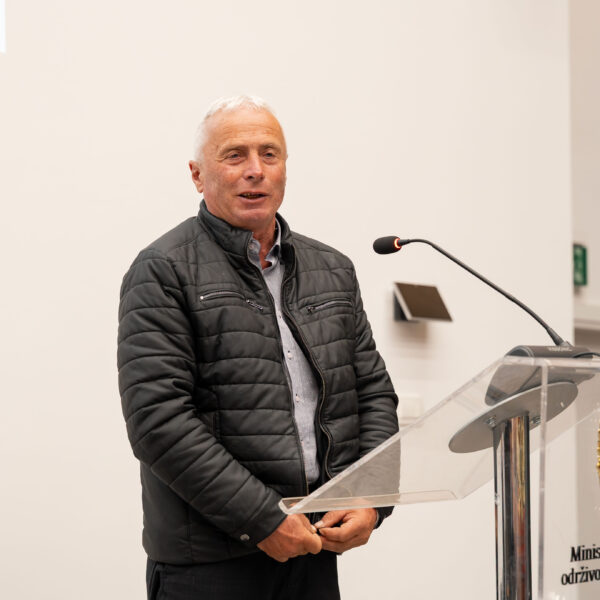
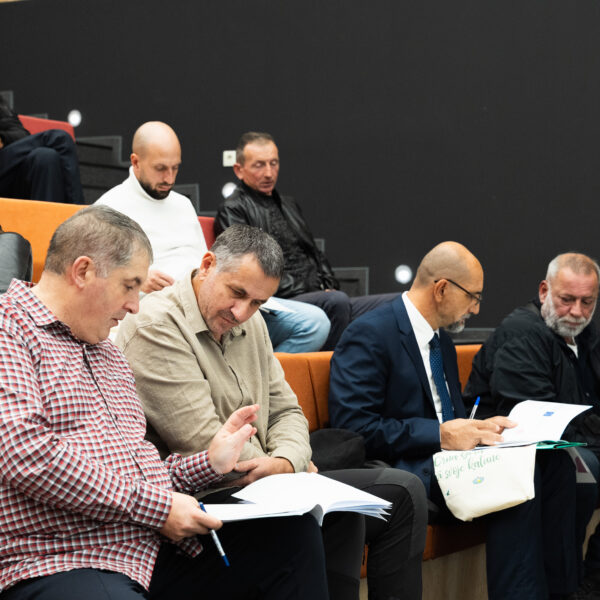
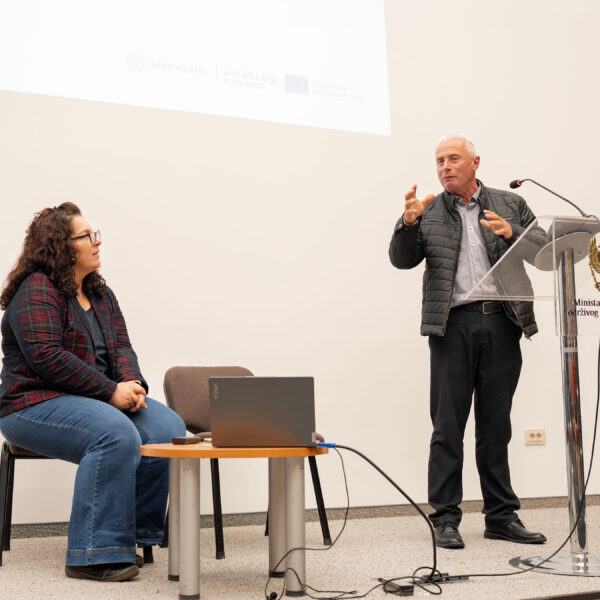
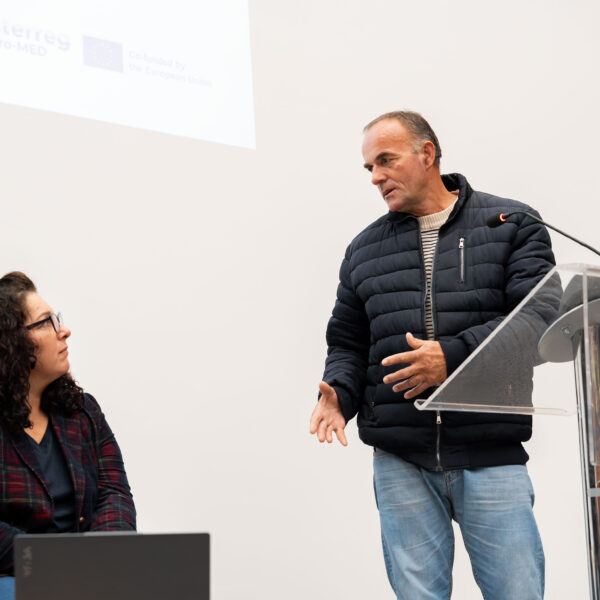
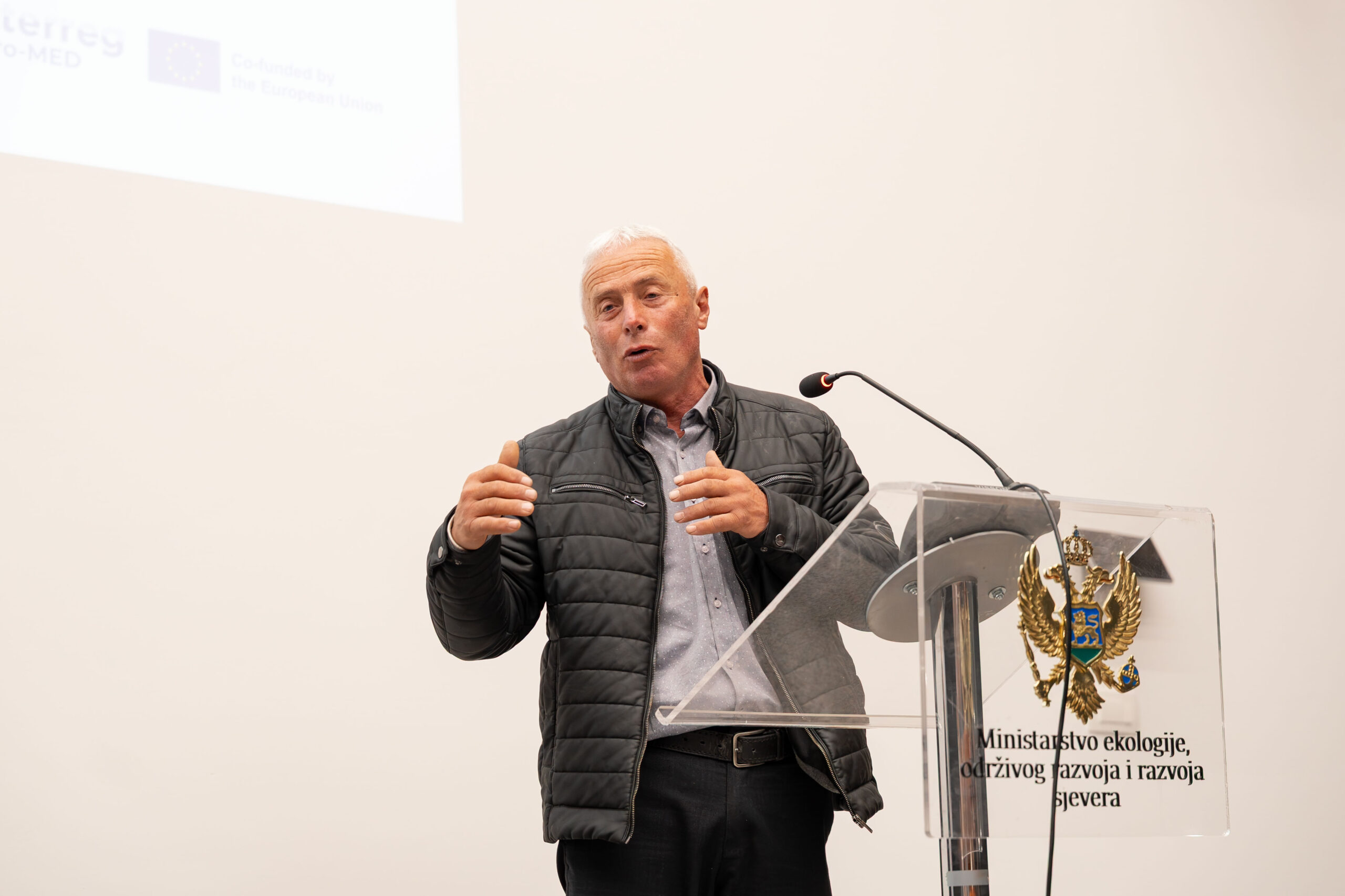
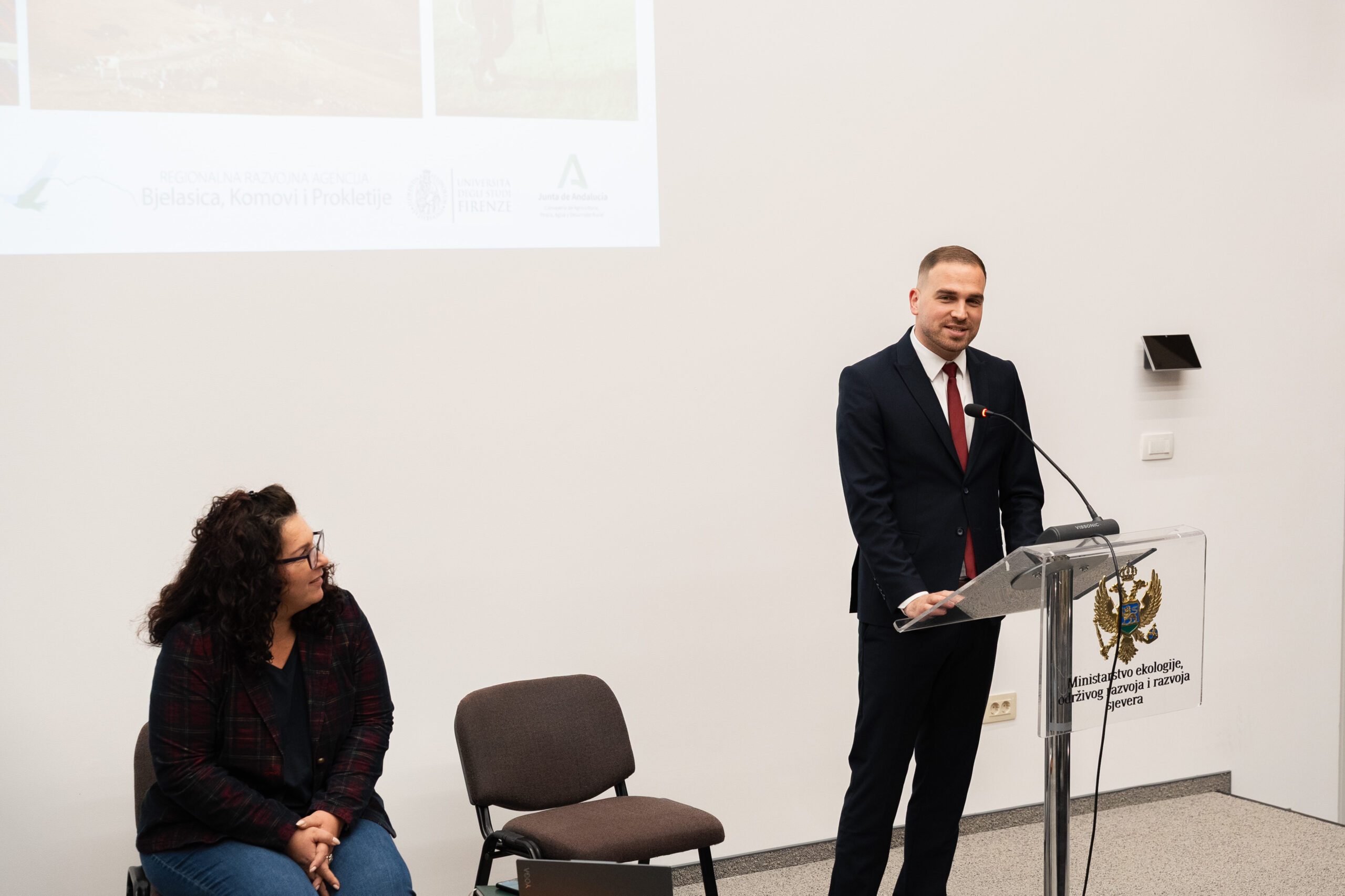
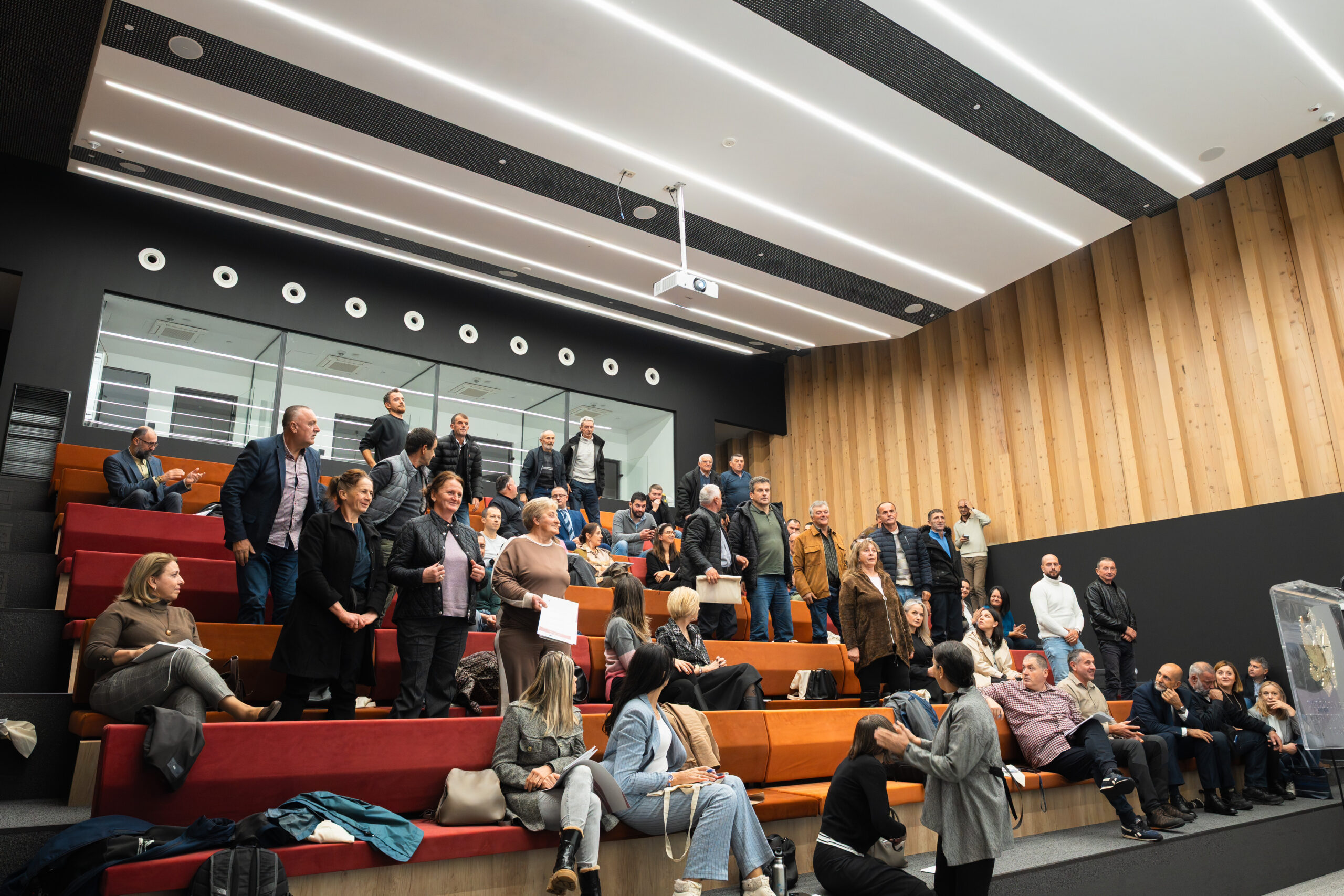
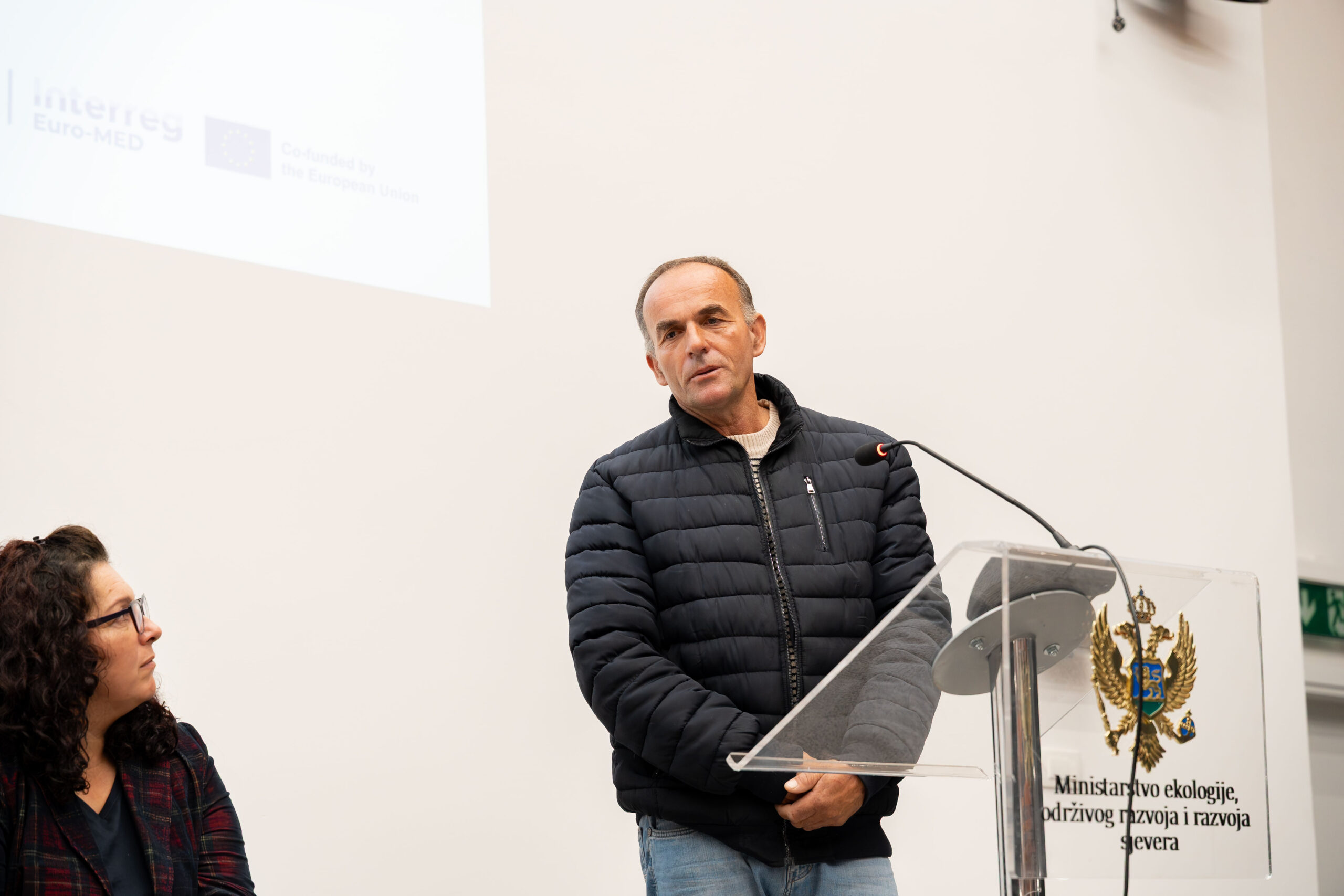
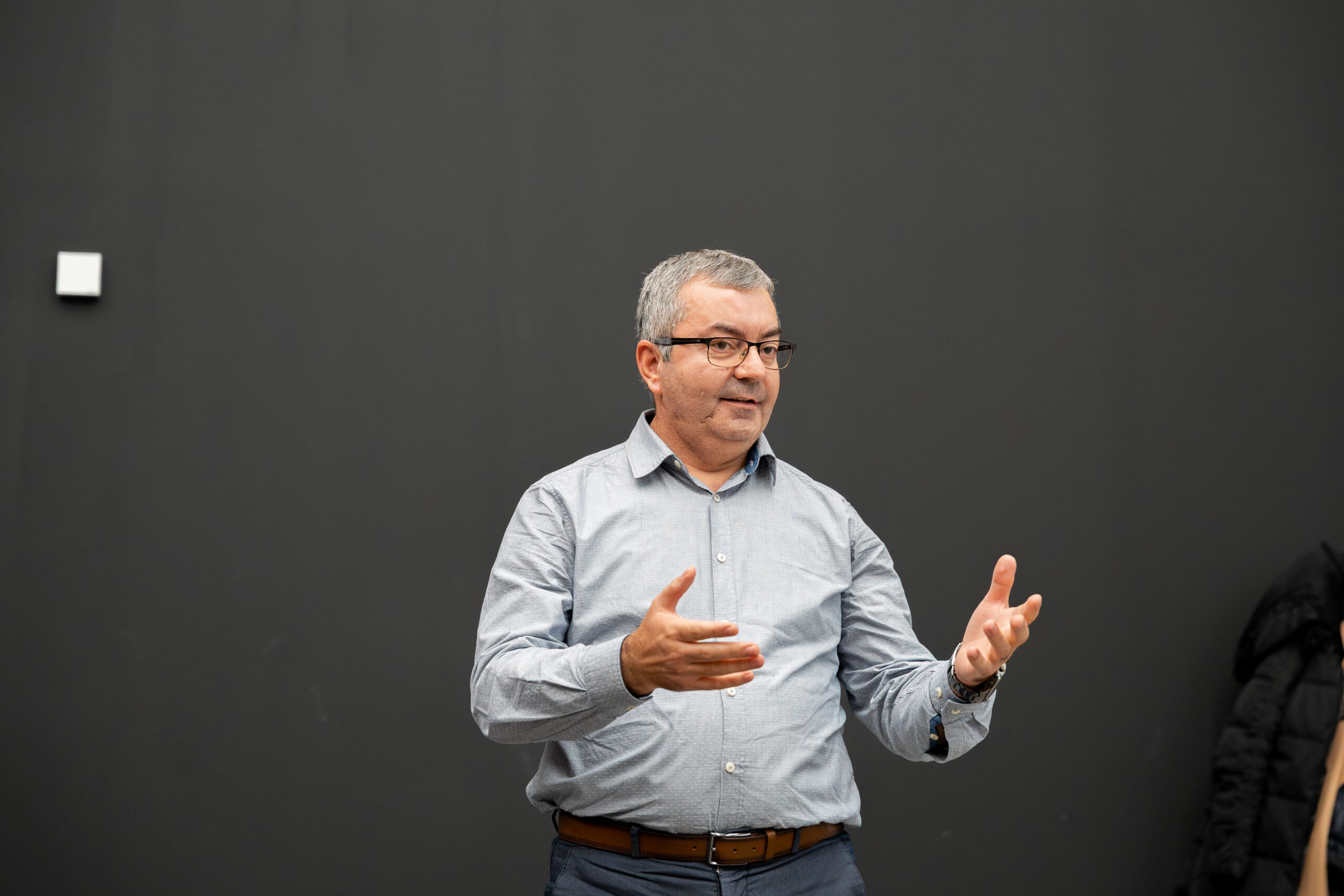
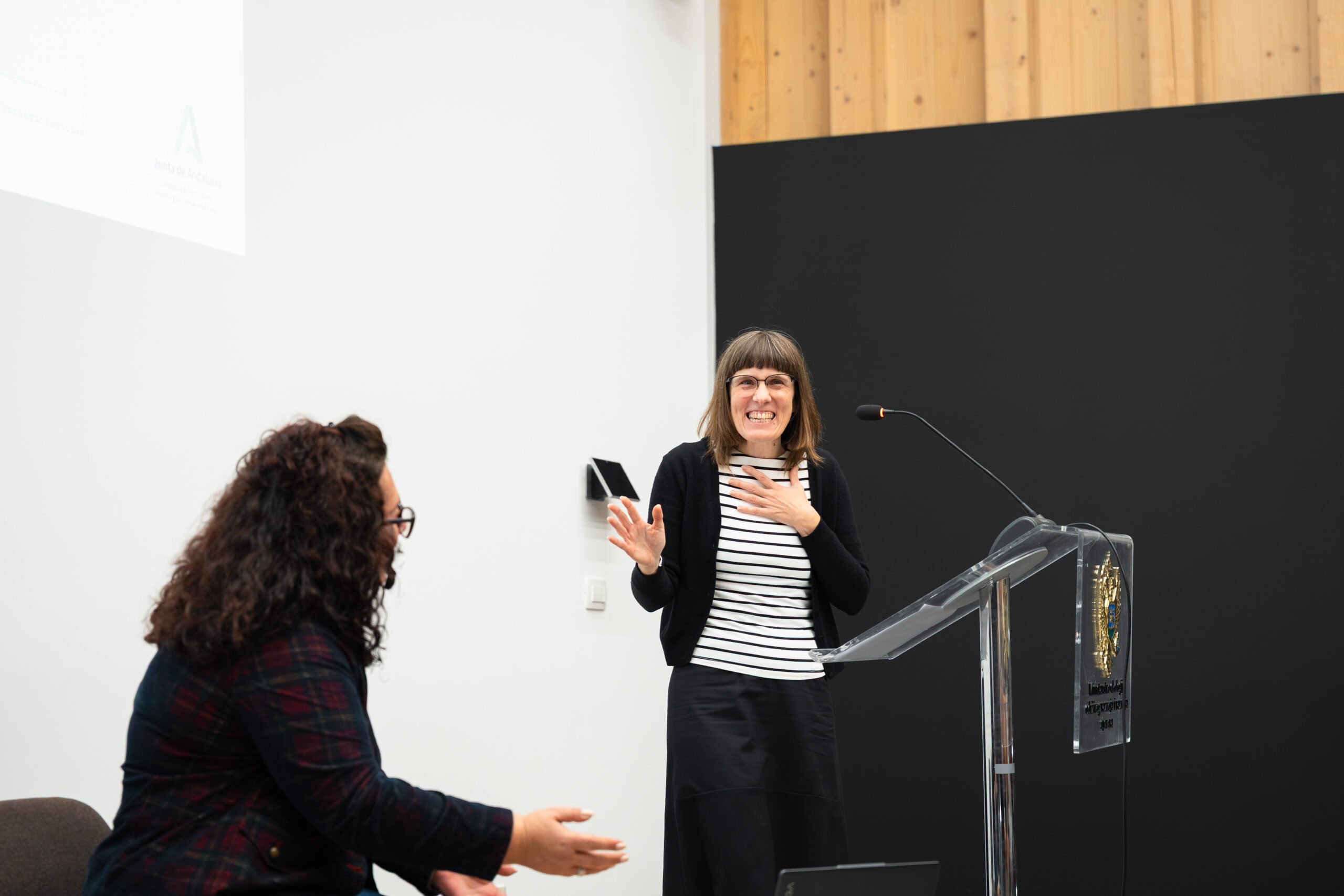
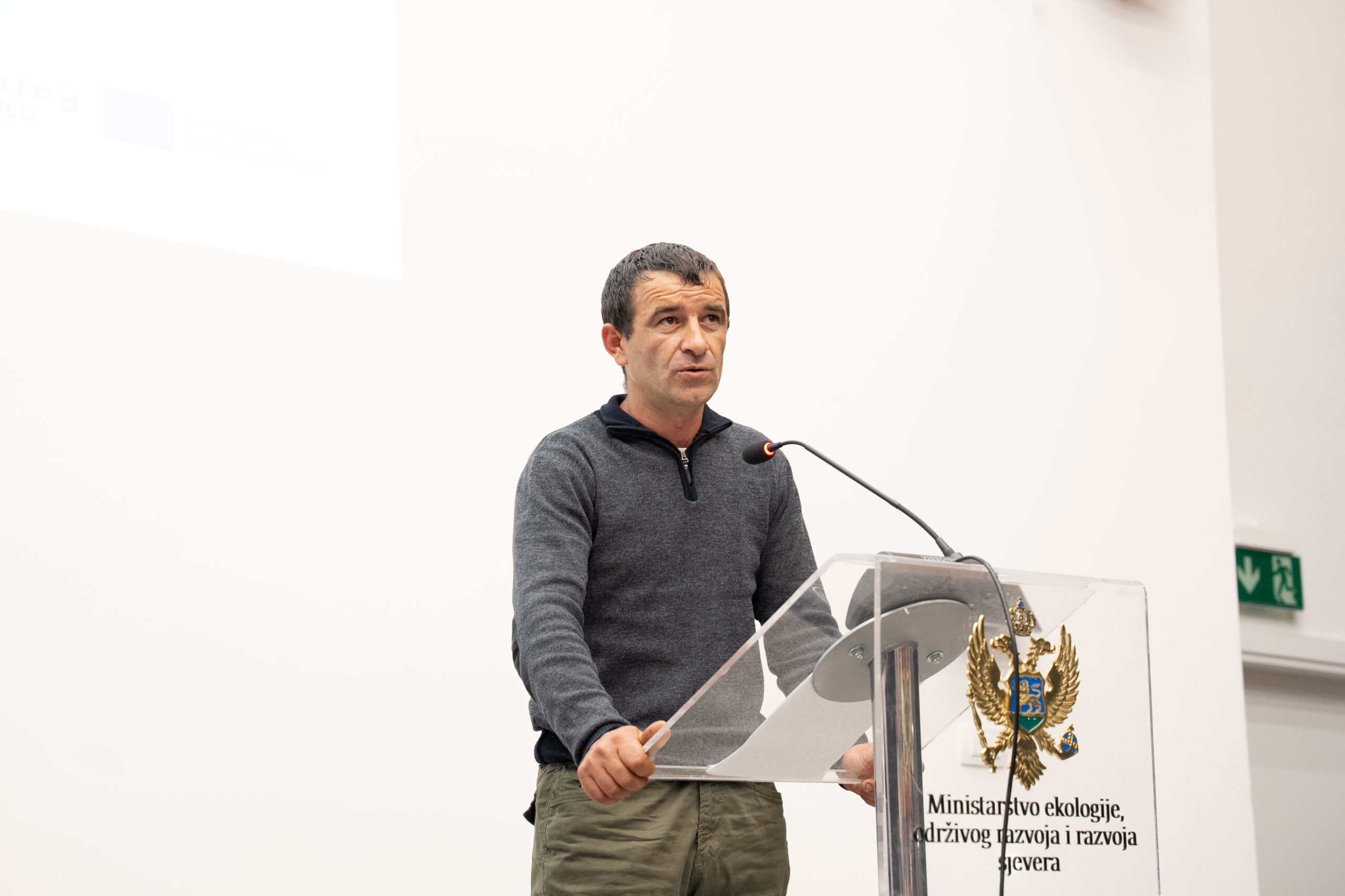
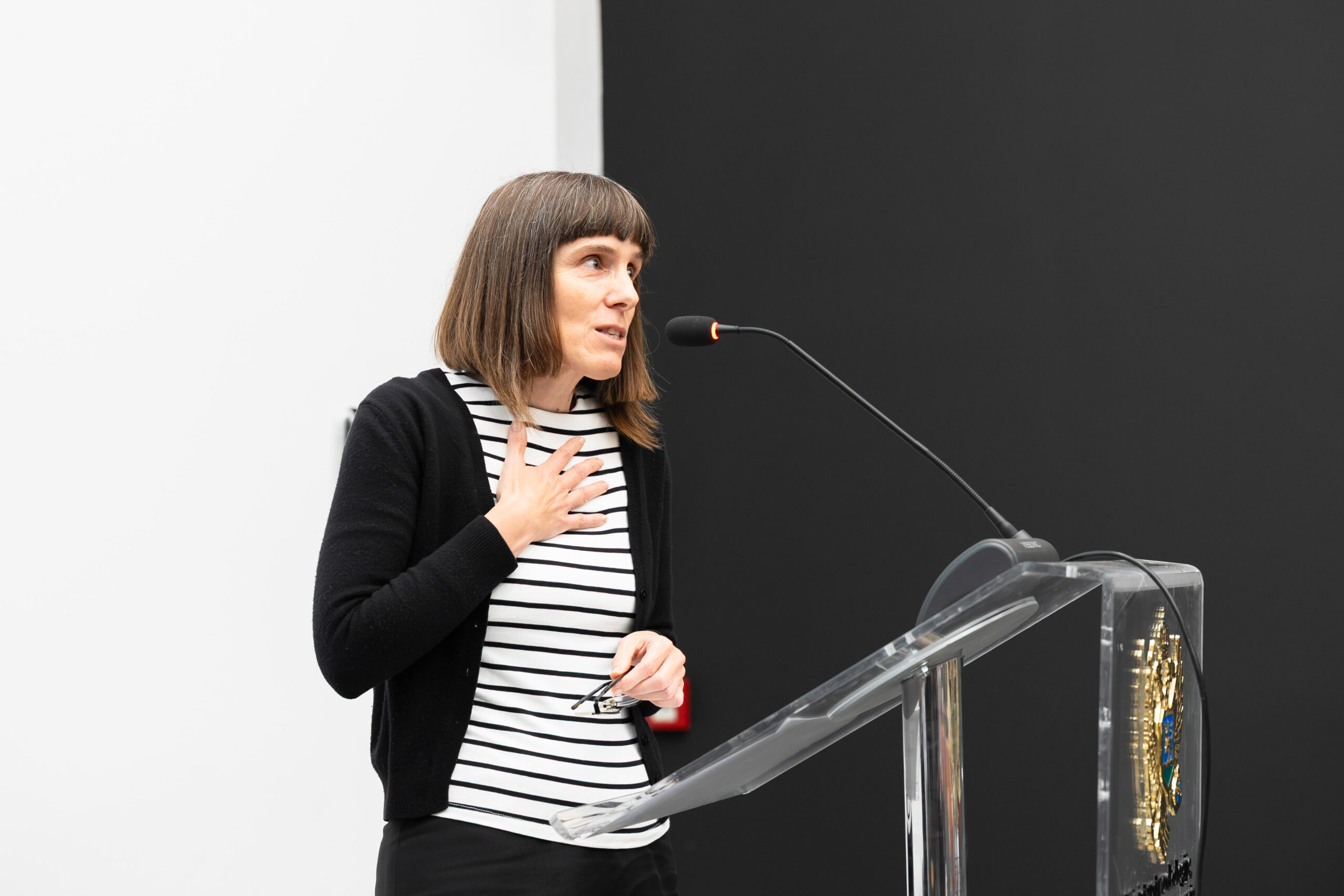
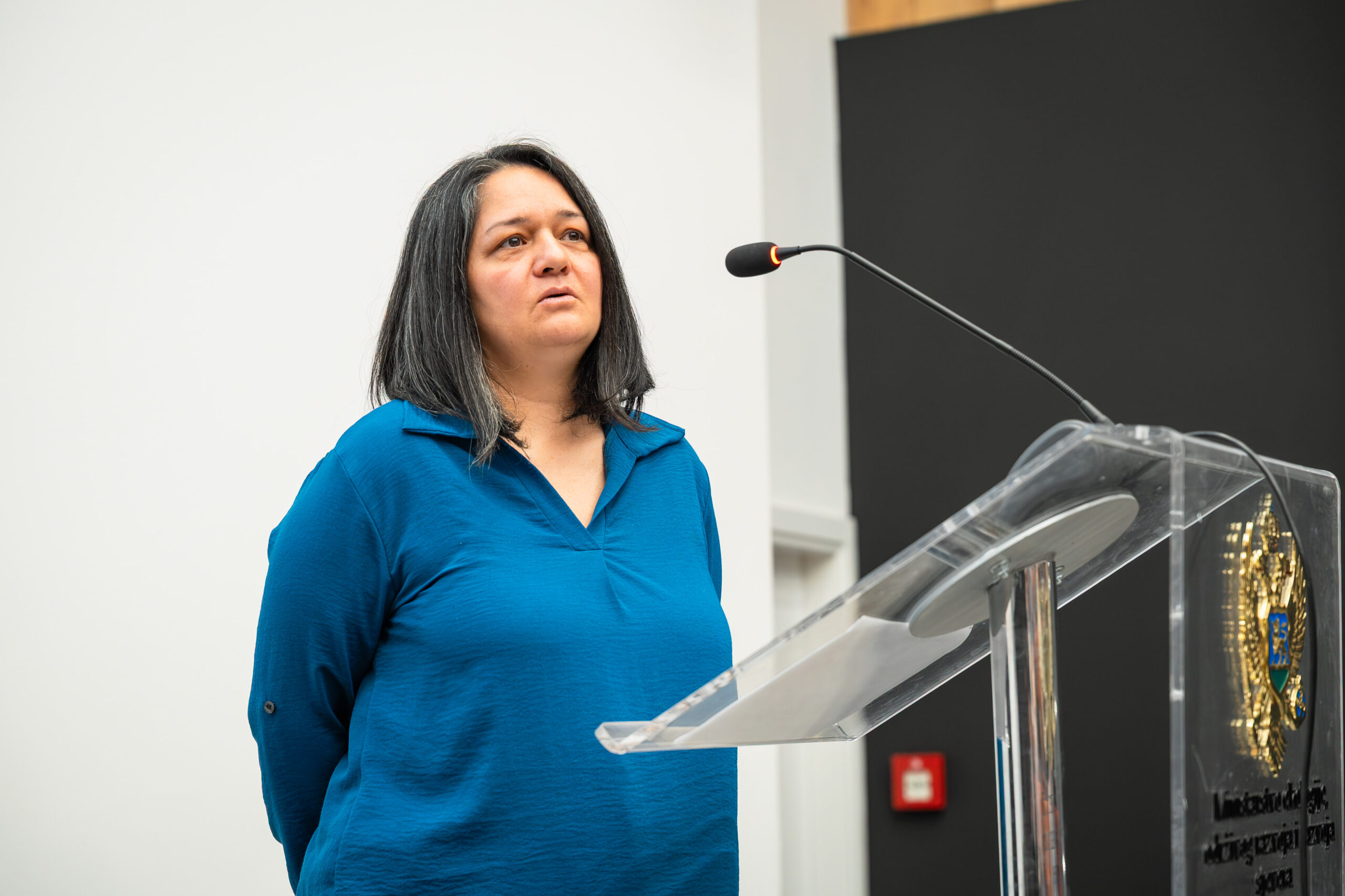
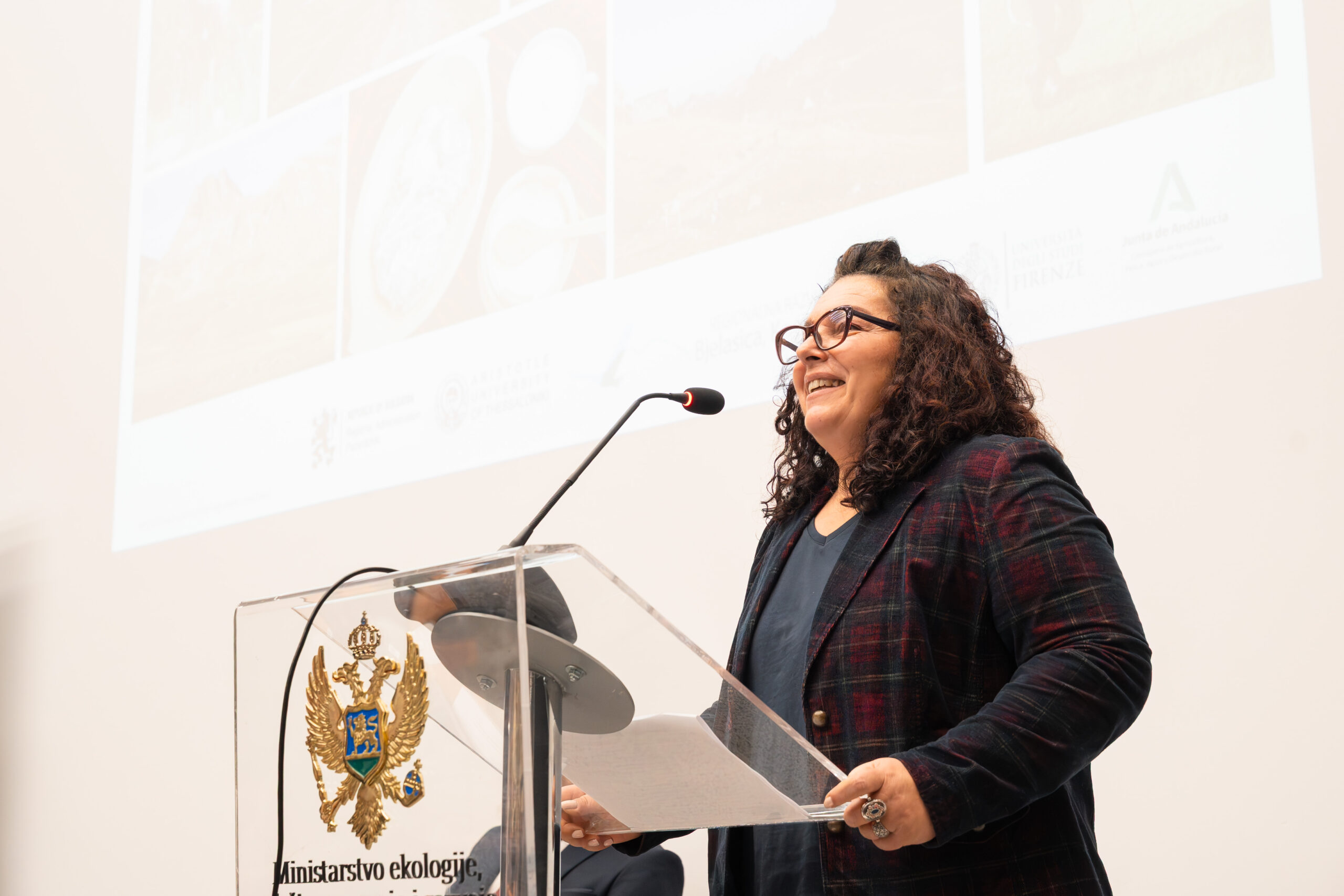
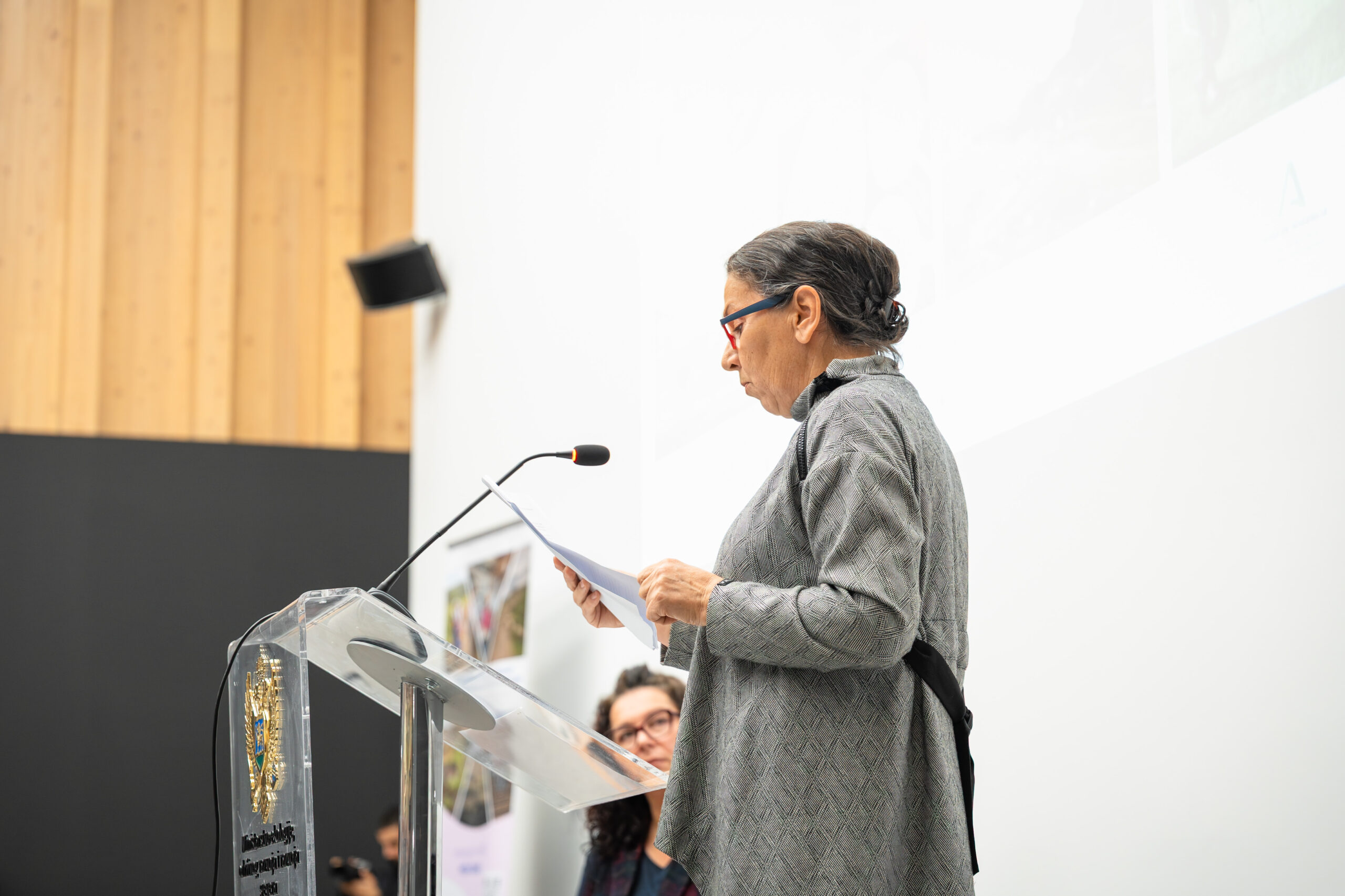
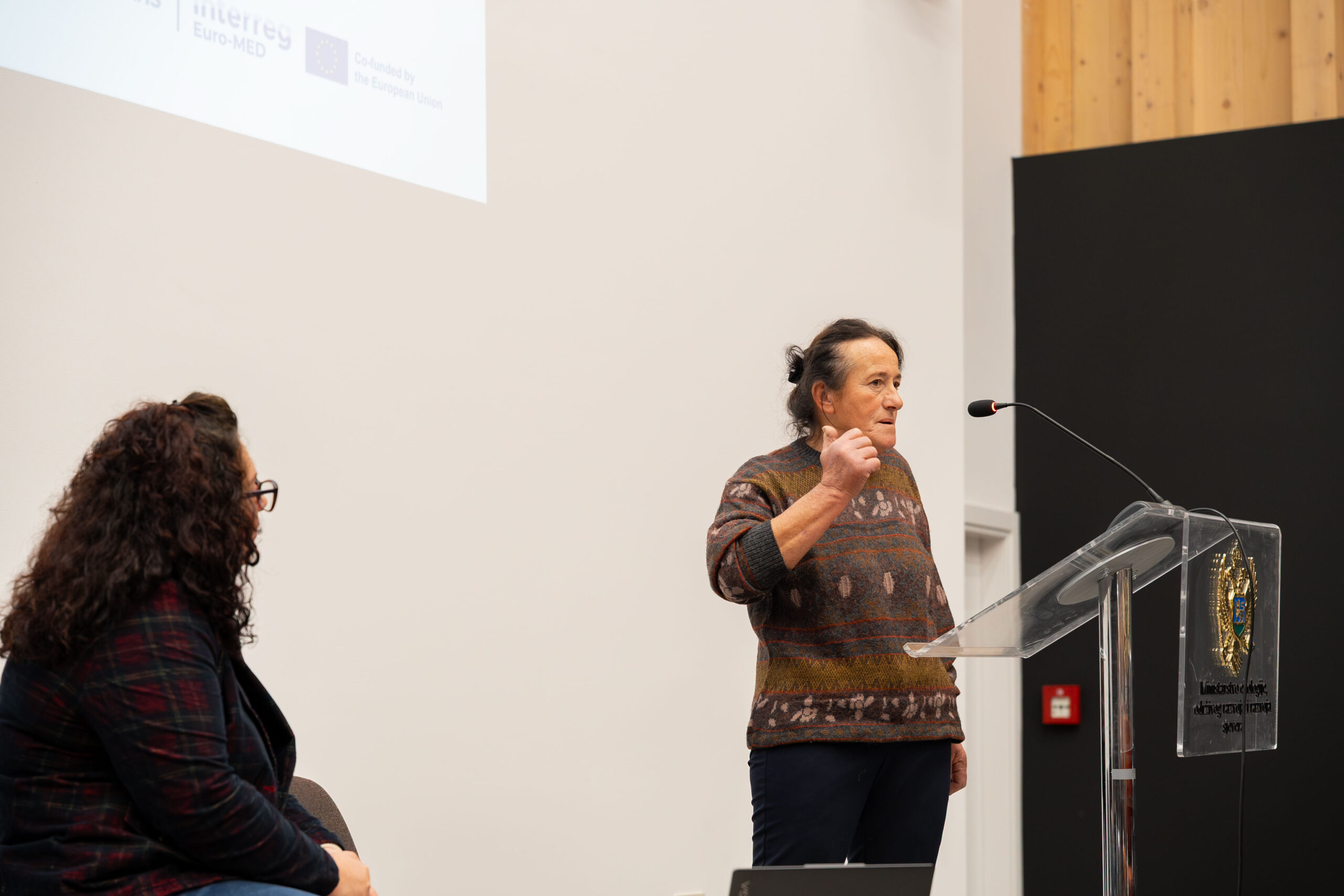
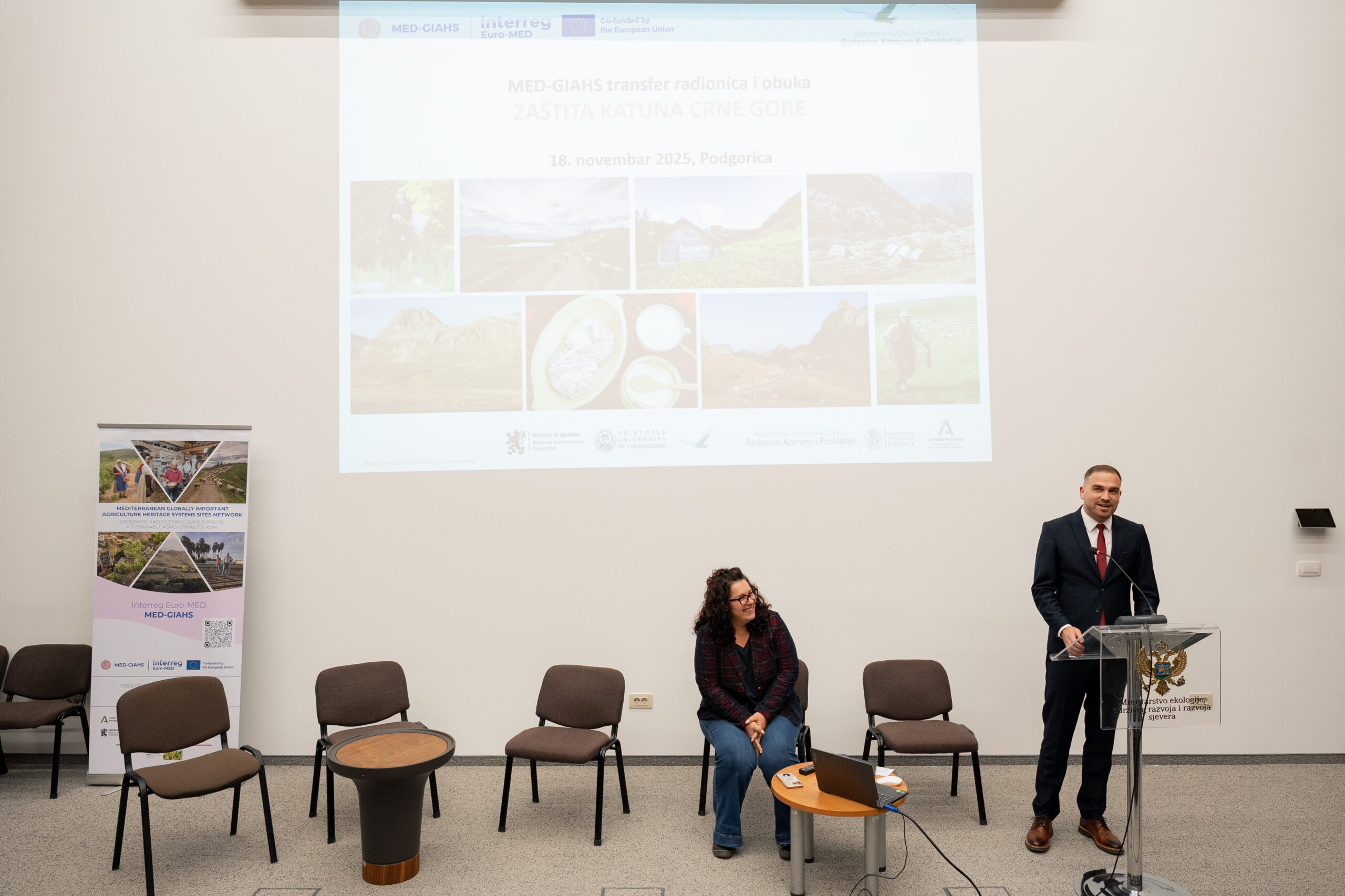
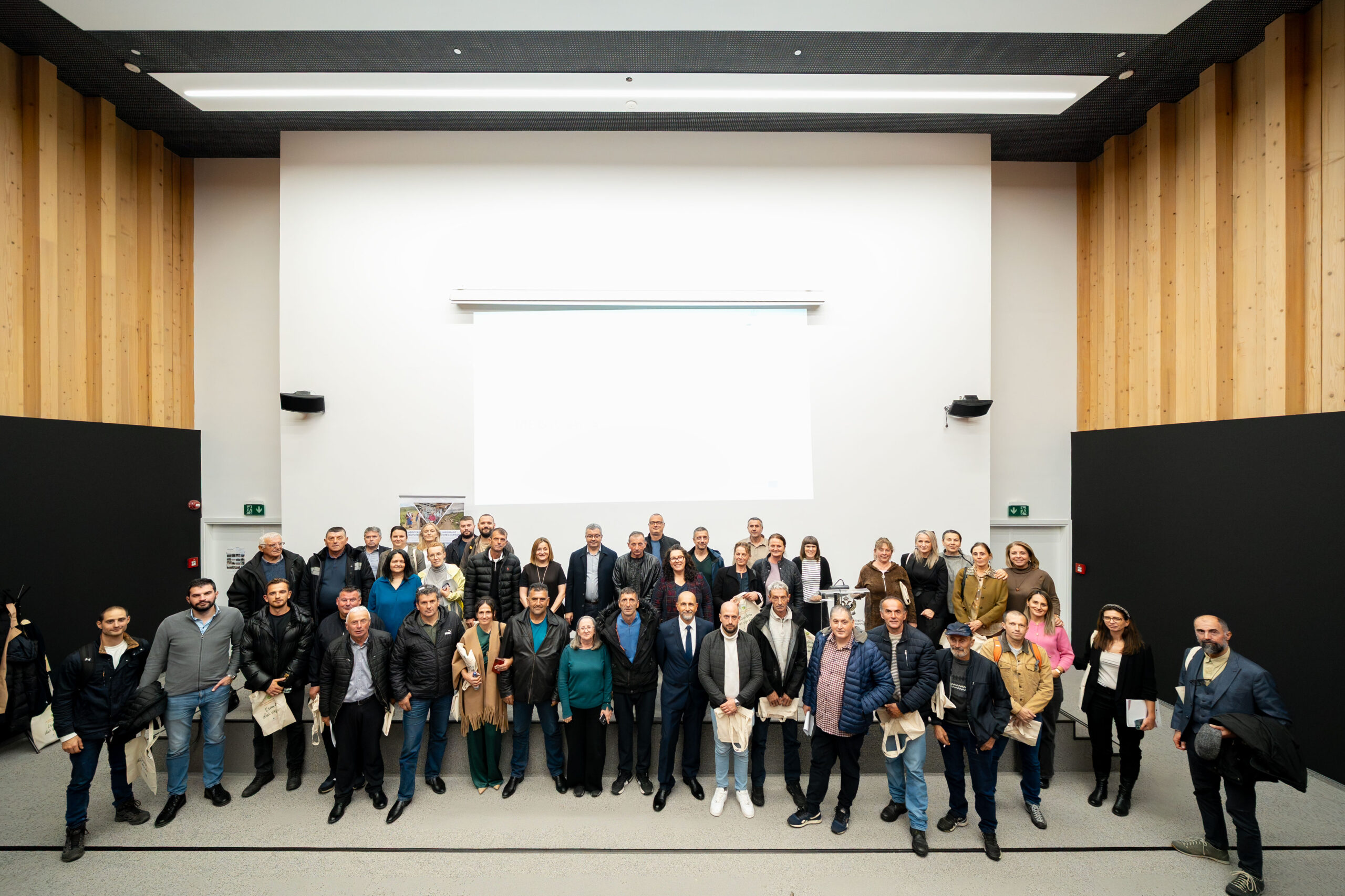
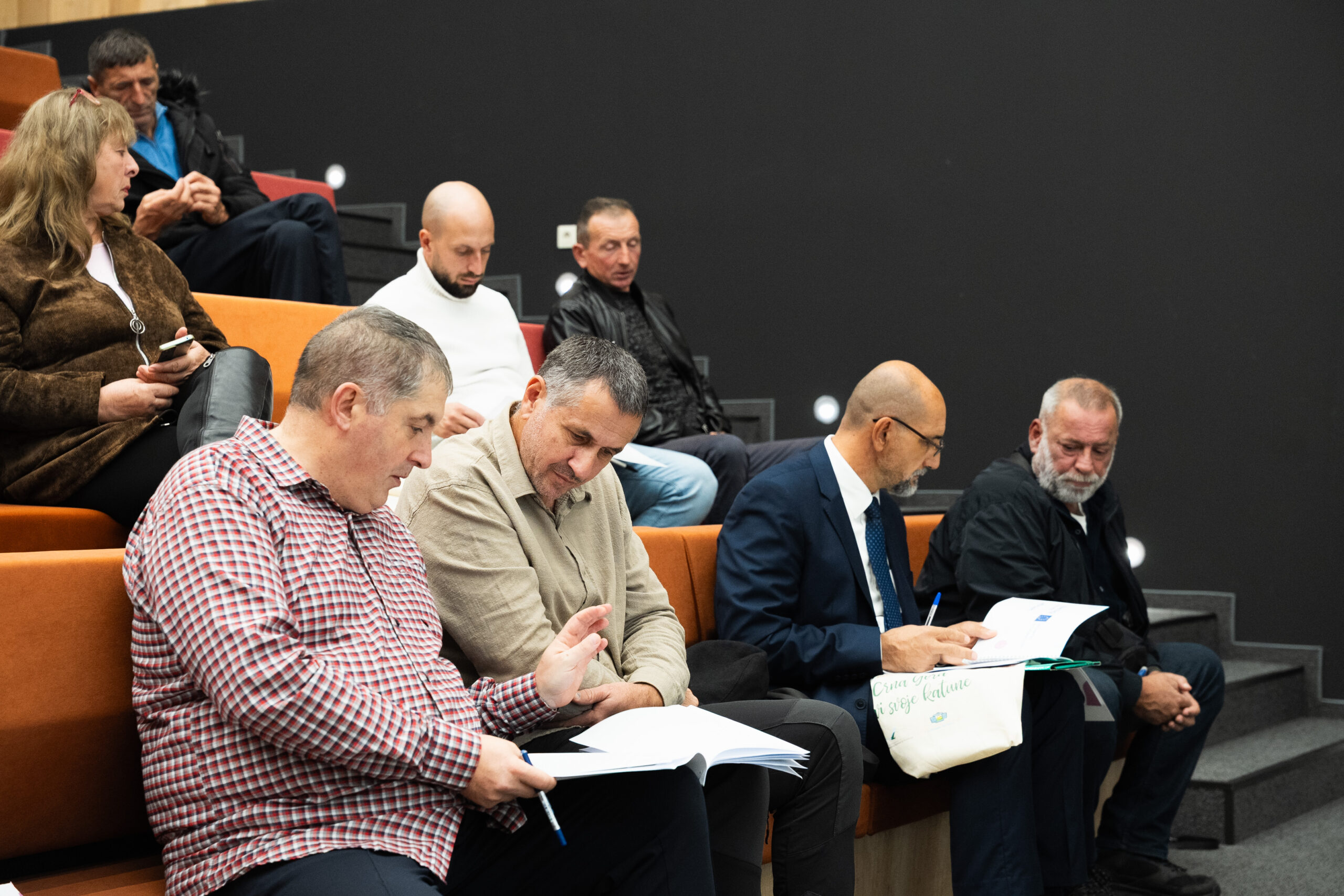
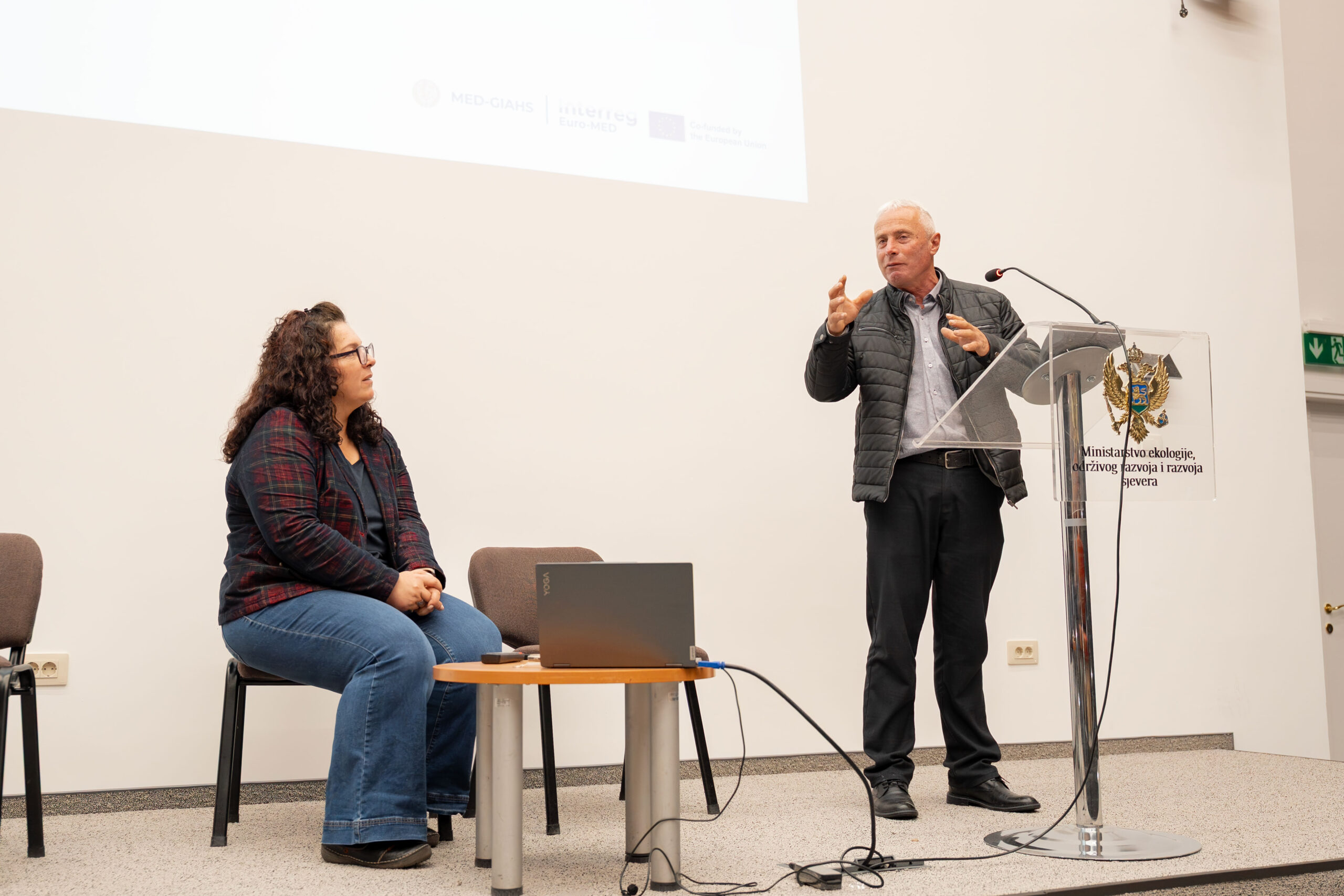
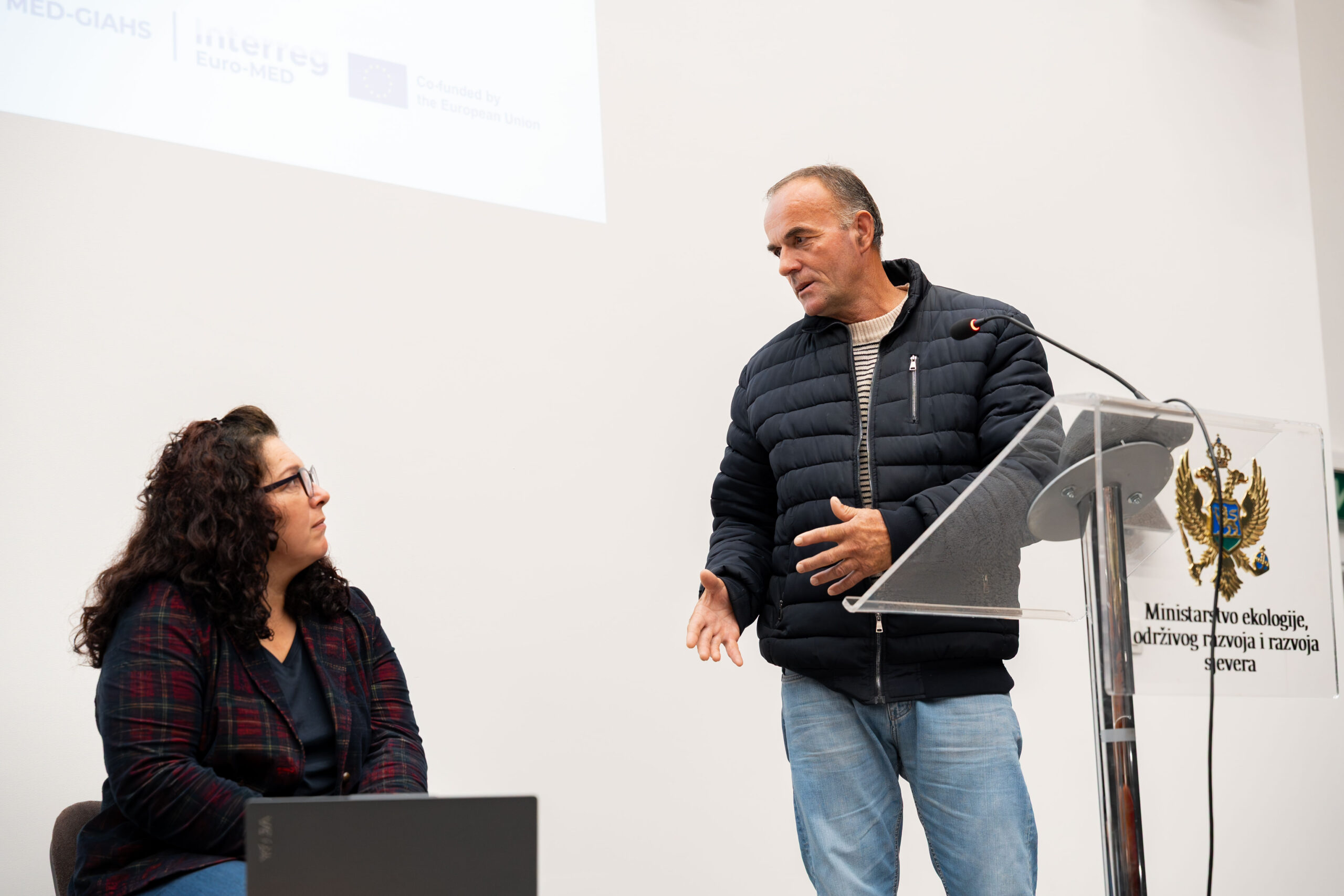
On November 18, 2025, a workshop dedicated to katuns and the nomination process of the Montenegro katun system for the GIAHS list (Globally Important Agricultural Heritage Systems) was held in Podgorica. Organized within the Interreg MED GIAHS project, the workshop gathered 63 participants to finalize the nomination file for the katuns of Montenegro.
The workshop gathered participants from public sector institutions, protected areas, civil society, experts in cultural and natural heritage, tourism organizations, and travel agencies to discuss the key results and information received from international GIAHS experts.
Within the program, GIAHS criteria were presented, along with arguments showing that Montenegrin katuns, as a centuries-old pastoral system, fully comply with these international standards. Special attention was paid to the draft Dynamic Conservation Action Plan, a mandatory part of the nomination, which defines key risks, threats, challenges, and concrete measures for the preservation and development of katuns.
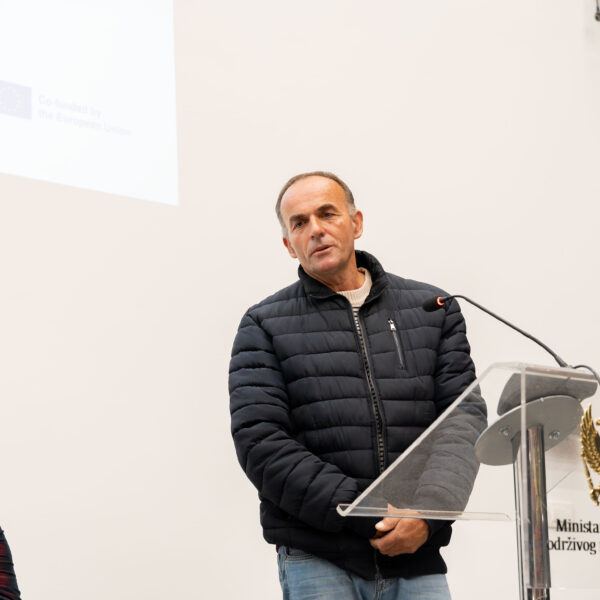
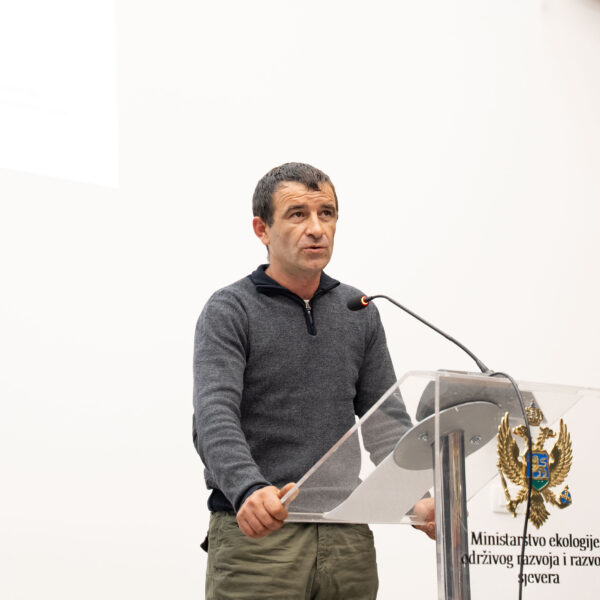
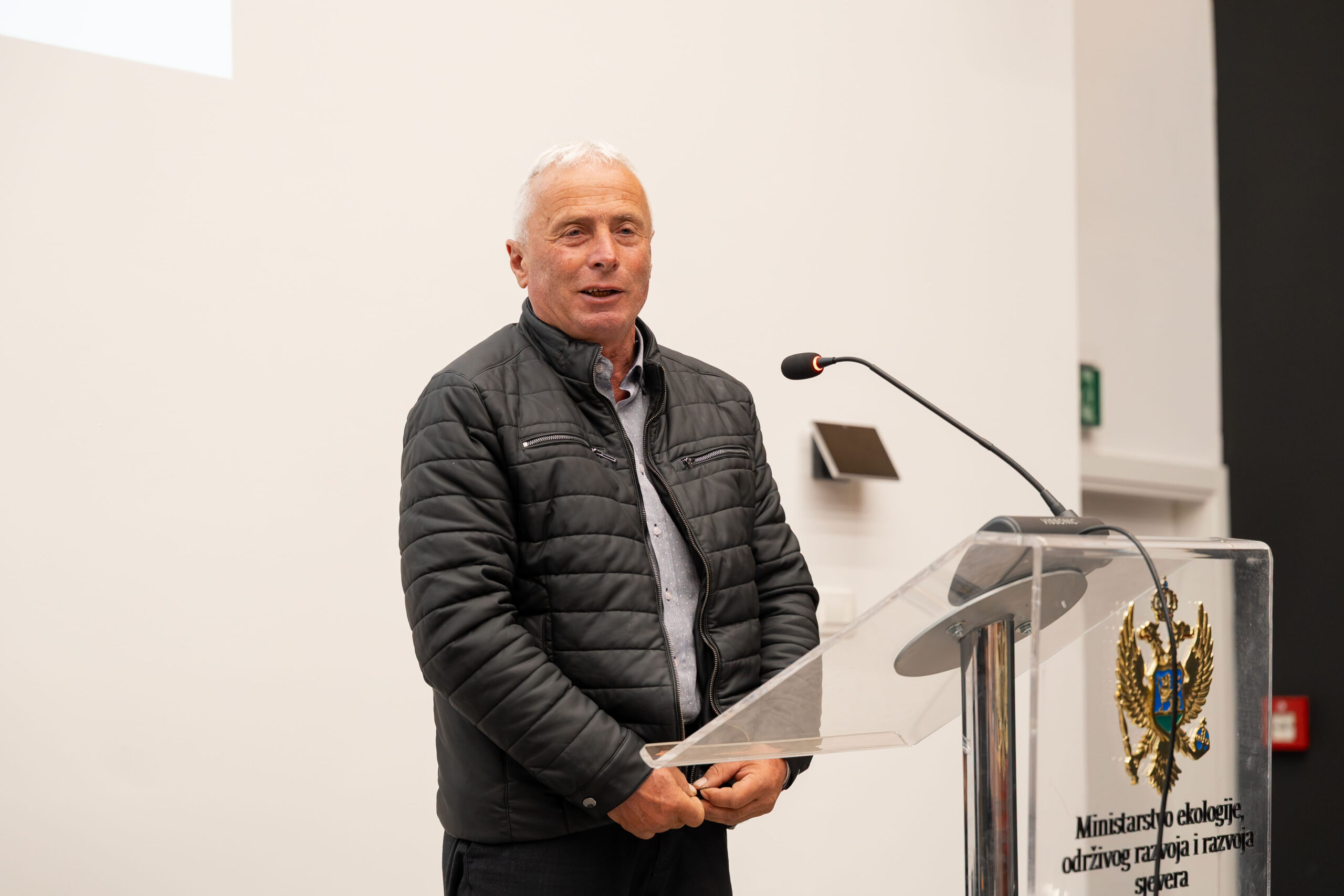
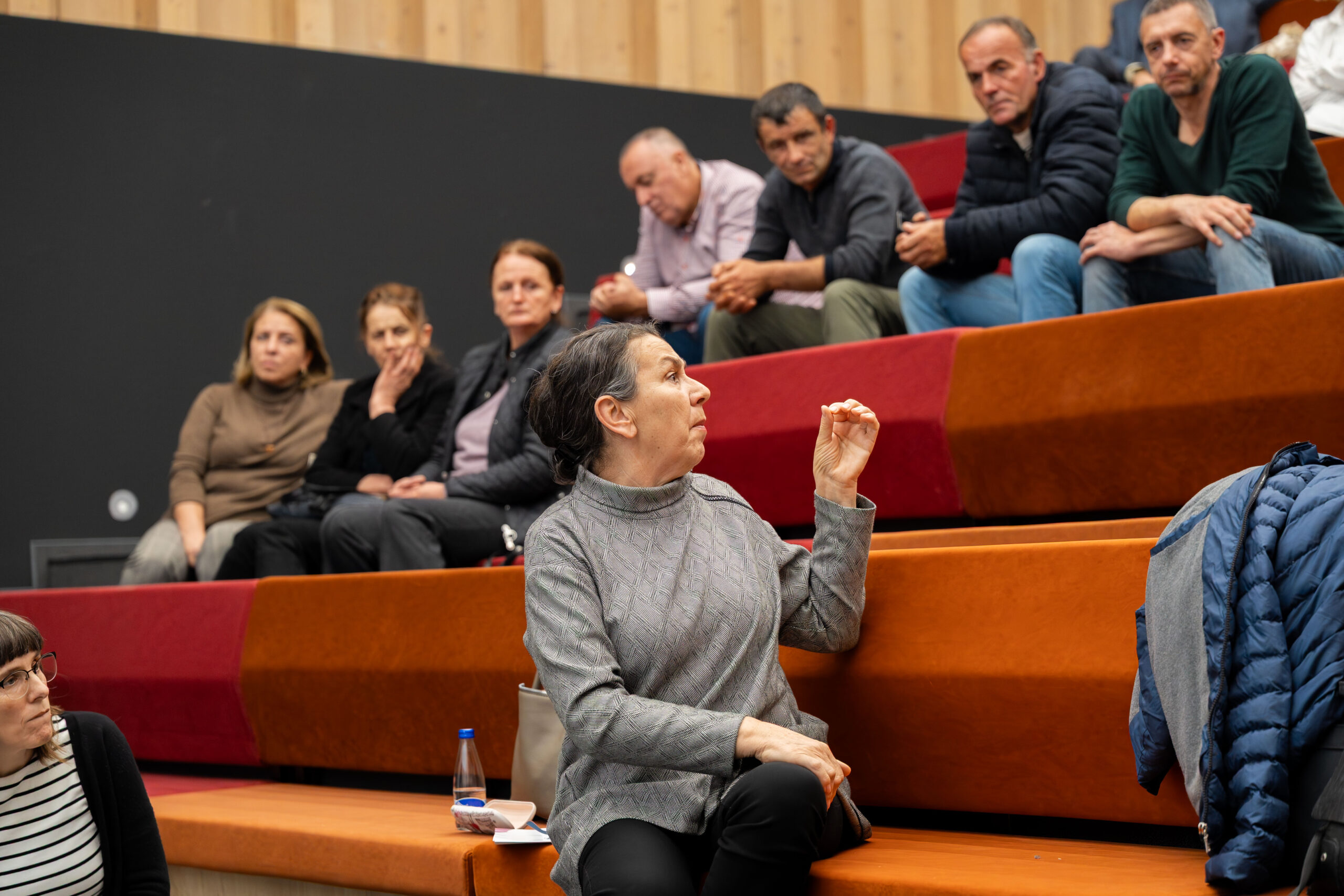
During the discussion, it was shown that katuns are still insufficiently understood in Montenegrin public discourse. Participants pointed out that this tradition, although a unique part of the national identity, is still not adequately valued or treated with due respect.
Problems of katuns located on state land according to customary law were particularly highlighted. Herders face difficulties obtaining permits for building huts, while those who build weekend houses without being herders are gradually pushing them out and limiting access to water and pastures. Similar obstacles exist in both state and private katuns located in protected areas.
Examples were heard of herders being fined for planting gardens or repairing huts, as well as cases of court proceedings initiated by weekend house owners against them. It was also noted that infrastructure modernization, such as paving roads, can accelerate the devastation of space and lead to inappropriate tourist activity that disturbs the peace of the herds.
The joint conclusion was that katun dwellers, despite their rich knowledge, remain fragmented and lack institutional support. Without a systemic approach, they cannot respond alone to the challenges threatening the survival of the katun system.
The workshop was organized in cooperation with the Ministry of Ecology, Sustainable Development, and Northern Development. The project is implemented by RDA BKP with partners from Montenegro—the Administration for the Protection of Cultural Property and the Association of Rural Households—as well as European partners through the Interreg EURO-MED program.
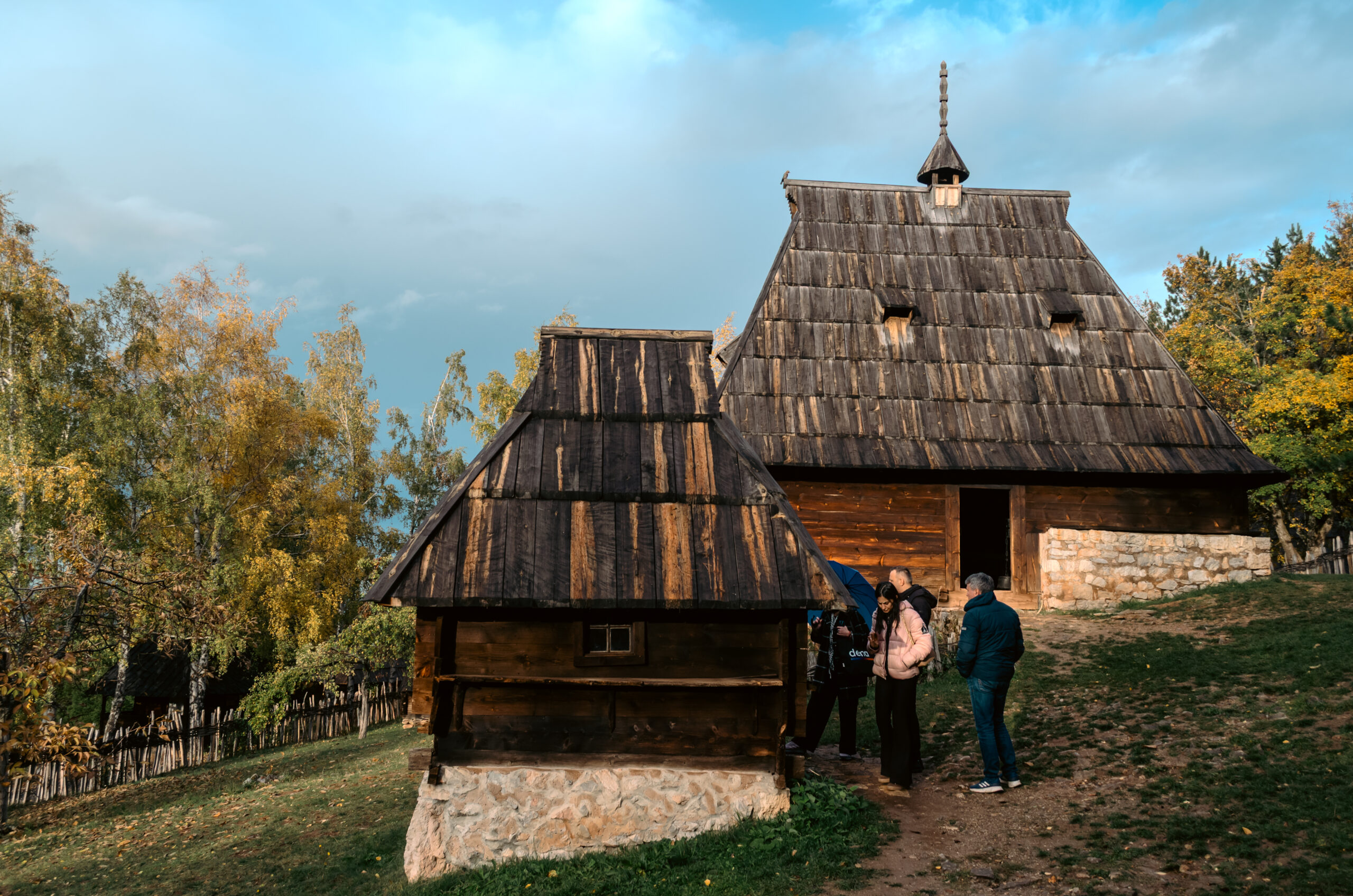
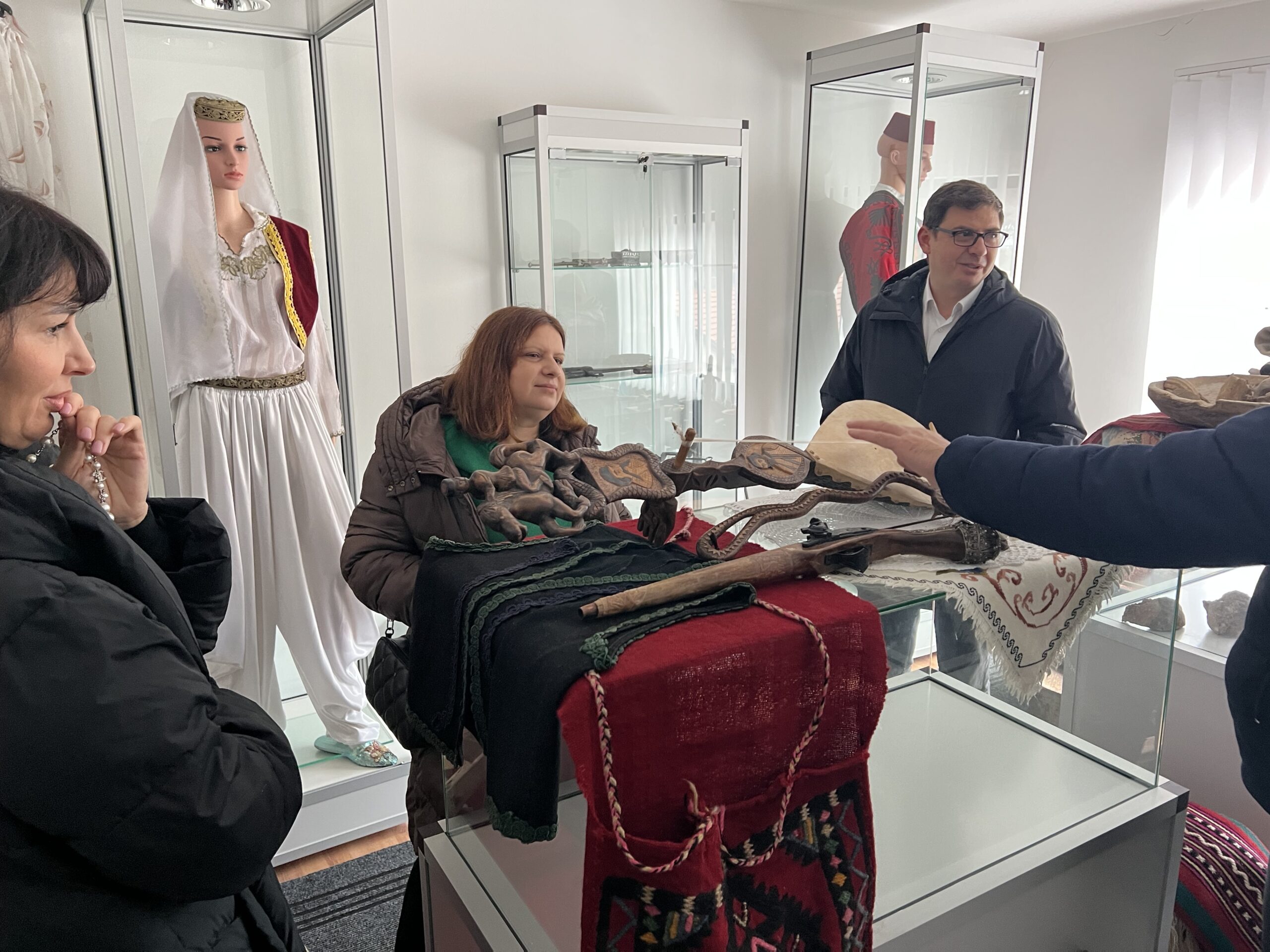
The katuns of Montenegro are already recognized as valuable intangible cultural heritage, with an official declaration as protected intangible cultural property expected by year-end. Entry onto the GIAHS list would confirm their global importance and represent a key step toward the long-term protection of this unique landscape.