Working with Communities
Listening, trust, and local context
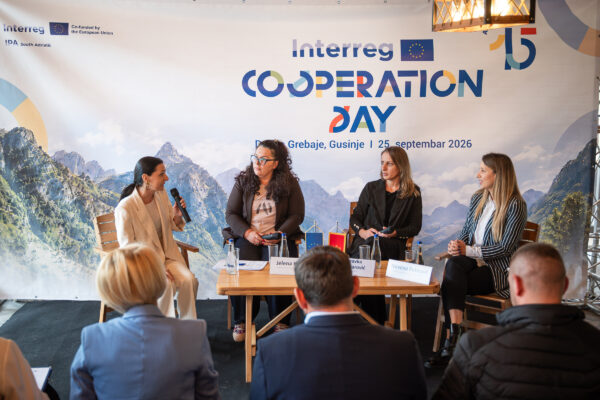
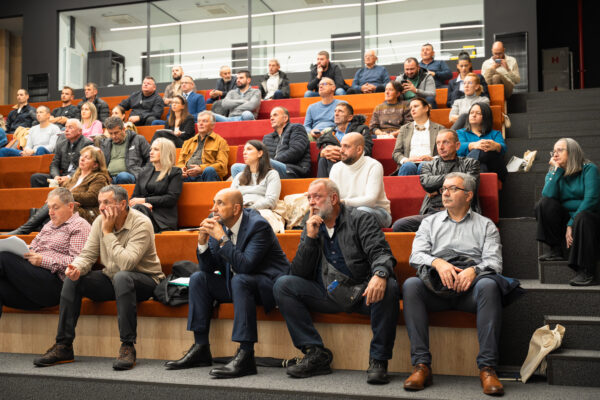
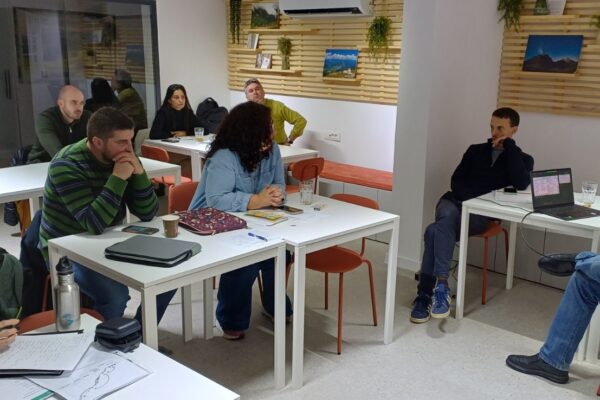
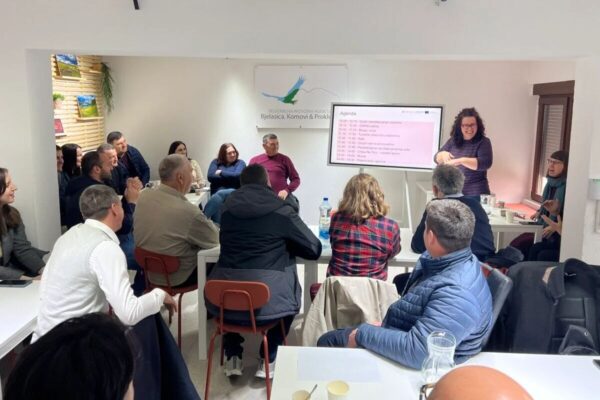
Our work with mountain communities begins with listening. We start from what people on the ground recognize as their actual needs, priorities, and opportunities, but also from the resources they already possess – knowledge, spaces, nature, and a way of life shaped over generations. We believe that sustainable development is not possible if imposed from the outside, without understanding the local context.
Trust and Continuity
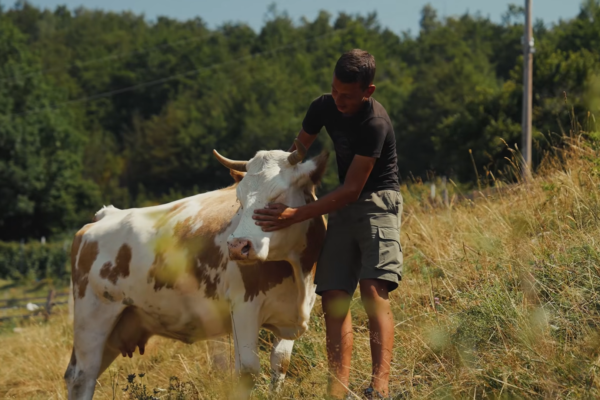
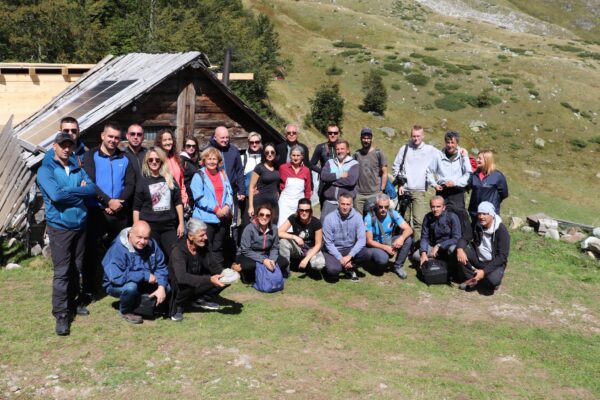
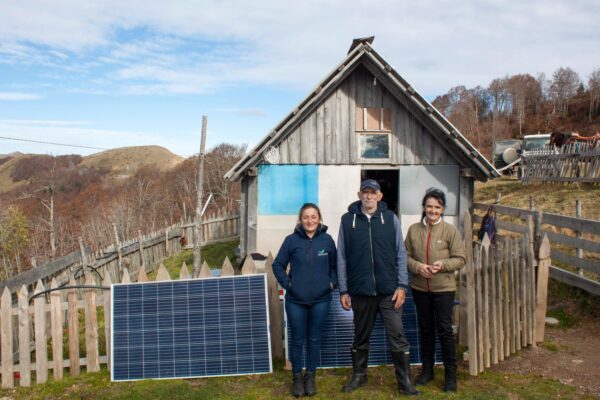
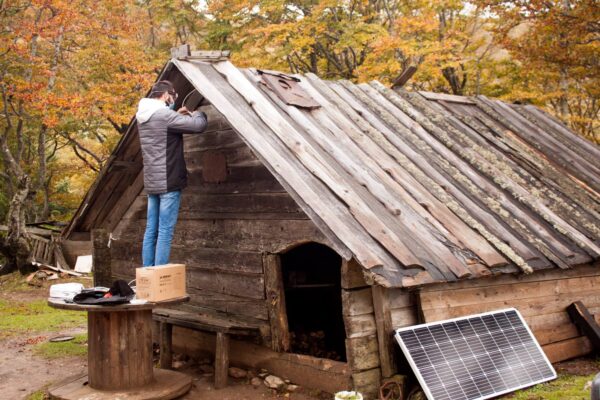
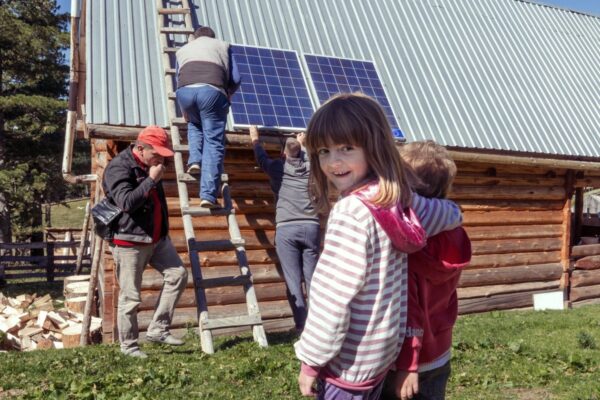
For many years, we have been collaborating with katun and rural households across different parts of the region, building relationships based on trust and continuity. We view katuns as living communities, not merely symbols of the past. Even today, they remain places where important decisions are made regarding the use of mountain pastures, nature conservation, the transfer of knowledge, and daily life in demanding conditions.
We pay special attention to creating opportunities that can contribute to young people staying in mountain areas, as well as strengthening the role of women, who are the pillars of knowledge, labor, and stability in these communities. Through our work, we strive to recognize and empower these very potentials, connecting them with modern development opportunities.
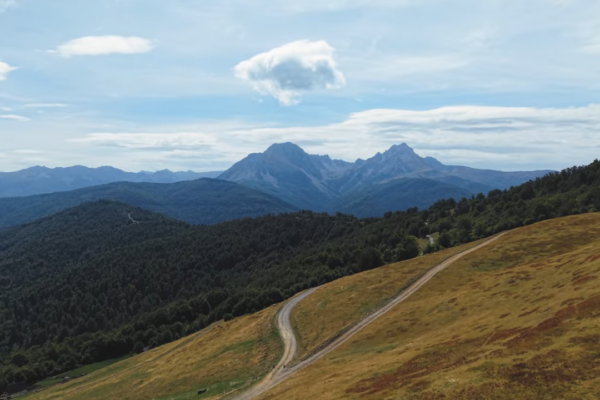
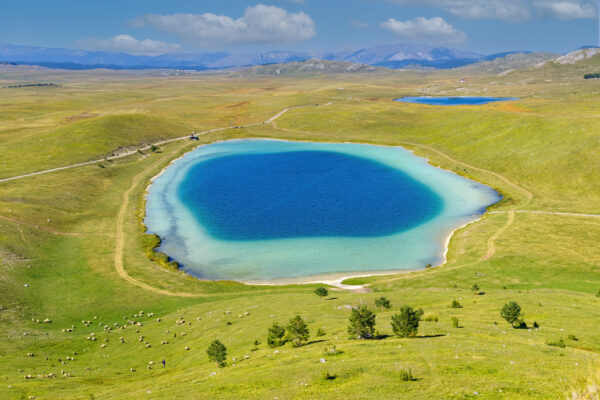
We aim to use mountain resources thoughtfully and responsibly – not through mass development, but through authentic forms of mountain tourism and complementary agriculture that are in harmony with nature and the local way of life.
Tailored to Local Conditions
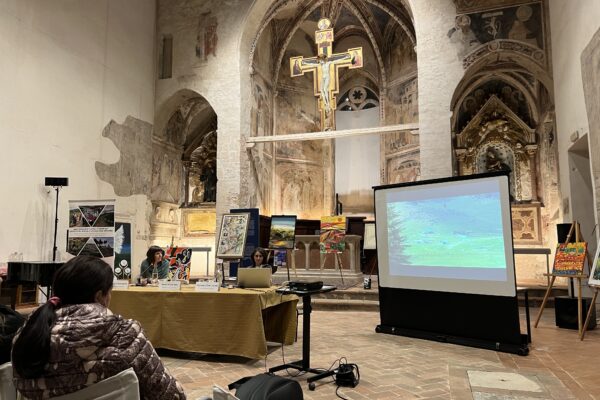
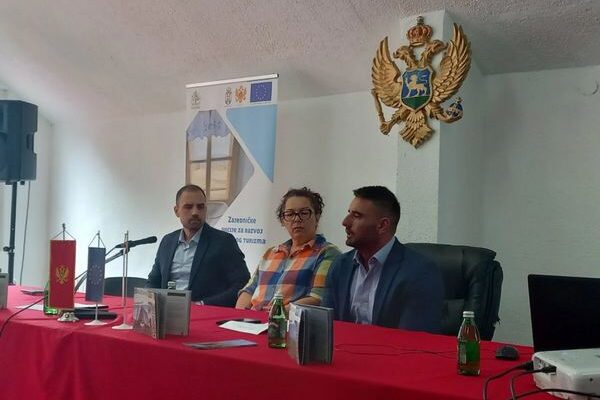
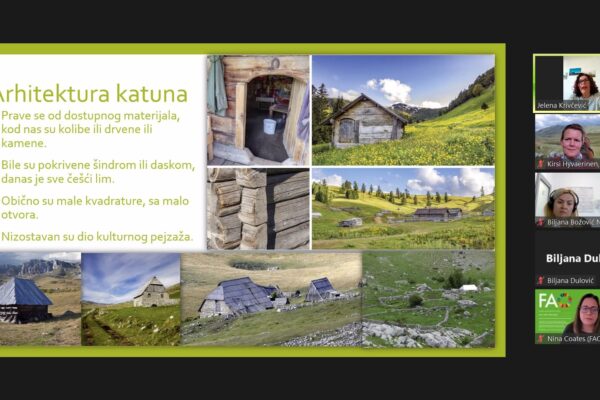
We do not transfer ready-made, “copy-paste” solutions. Although we learn from the experiences of other regions and best practices across Europe, we adapt every idea to local conditions, capacities, and the rhythm of life of the communities we work with.
Our goal is for solutions to be understandable, applicable, and sustainable in the long run – because only then can they truly come to life on the ground. Such an approach provides additional sources of income without compromising the environment that is the foundation of the communities’ survival.