Cultural Heritage
Living knowledge and identity of mountain communities
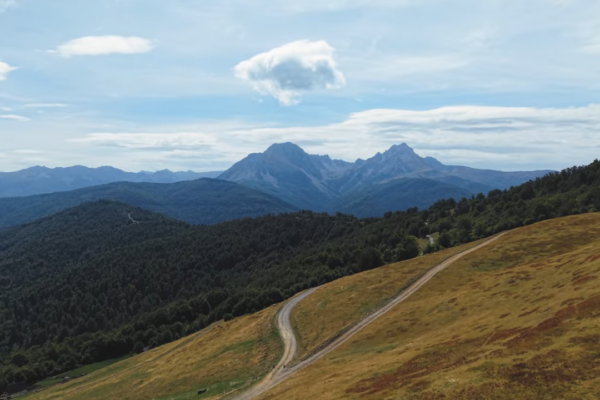
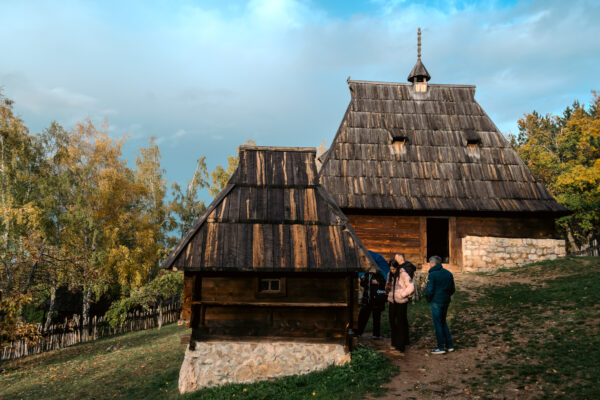
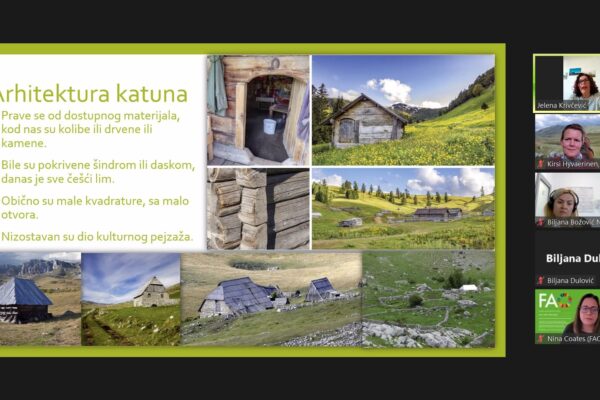
We do not view cultural heritage as something belonging exclusively to the past, but as living knowledge that is still used, transmitted, and adapted to modern circumstances today. In mountain communities, heritage is a part of everyday life, reflected in the way katun huts are built, in seasonal livestock movements, in food preparation, crafts, and customs that shape the identity of both the landscape and its people.
Intangible Heritage and the Role of the Community
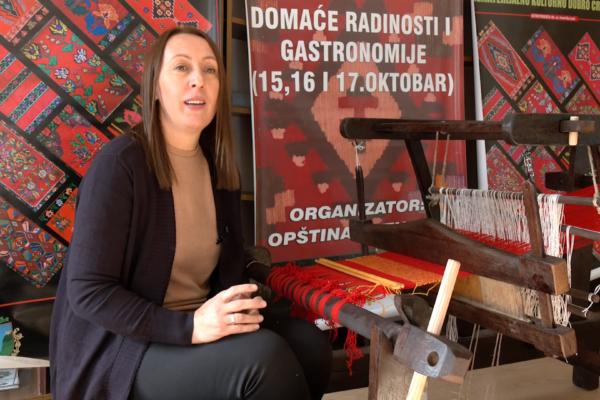
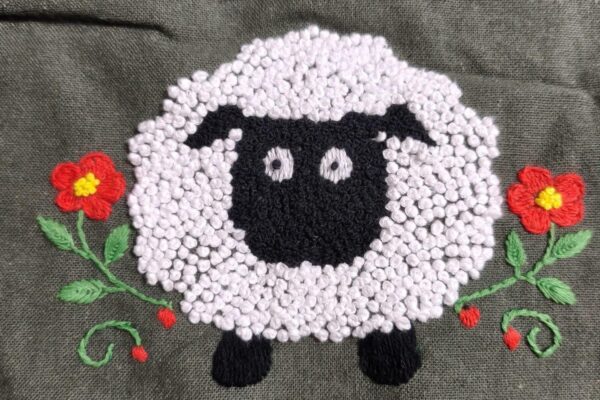
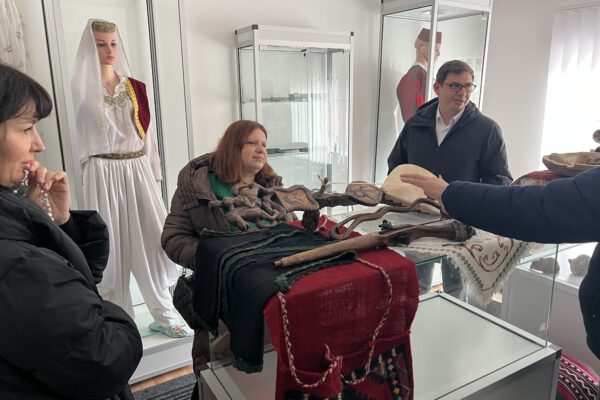
We place special importance on intangible cultural heritage, which is most often passed down orally and through practice from one generation to the next. This knowledge is inextricably linked to the natural environment and the ways it is utilized, from transhumance and pasture management to traditional skills, handicrafts, and local gastronomy.
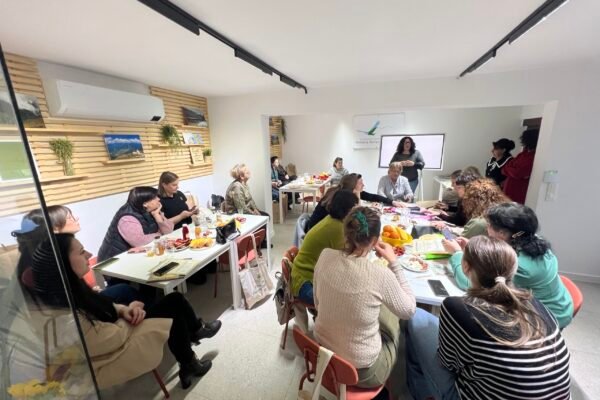
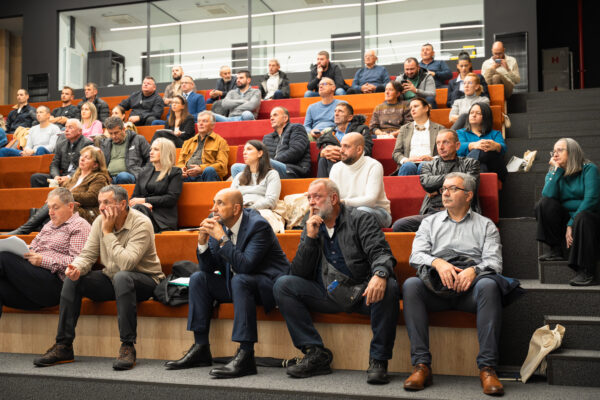
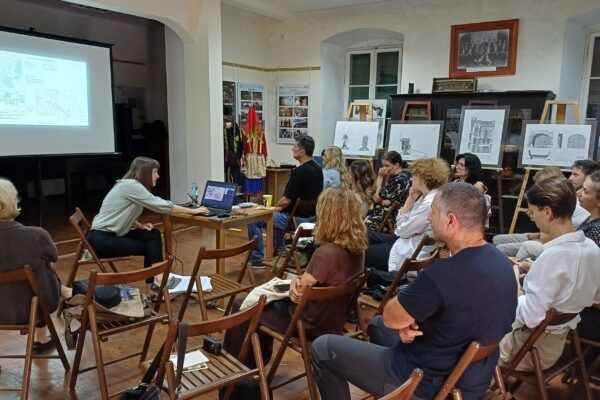
In our work, the preservation of cultural heritage is not just a matter of protection, but of actively involving communities in its interpretation and transmission. We believe that heritage only makes sense if people recognize it as their own and see its value for both the present and the future. This is why we work to document traditional knowledge while ensuring it finds its place in modern life, education, and the economy.
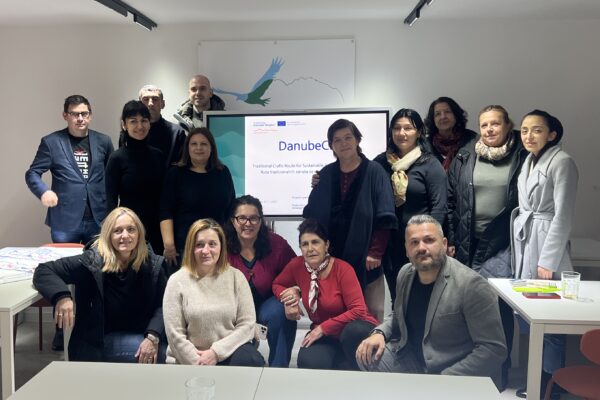
Women play a special role in preserving and passing on cultural heritage, as they are often the guardians of knowledge regarding food, crafts, customs, and family traditions. We recognize their contribution as crucial to preserving community identity and creating new development opportunities based on local culture and creativity.
Vernacular Architecture as a Model for the Future
By connecting cultural heritage with sustainable tourism, local production, and education, we strive not to “freeze” heritage, but to allow it to develop in an authentic, responsible manner that meets the needs of the communities that carry it.
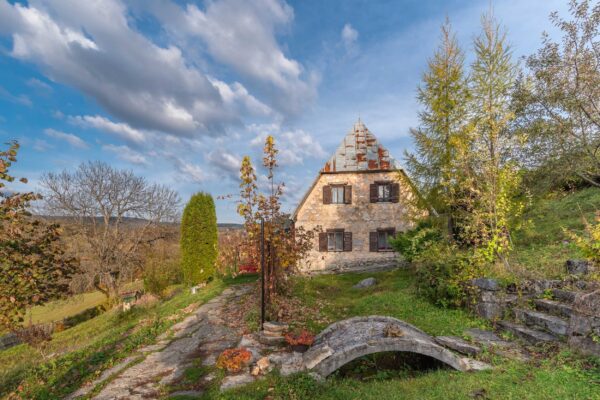
In this development, we place a particular focus on vernacular architecture as the most visible expression of the coexistence between humans and mountain nature. Traditional structures, such as katun settlements and stone houses, are not merely monuments of the past, but prime examples of sustainable construction that respects the terrain and offers valuable solutions for ecologically conscious spatial planning in the future.