Preserving Katuns Begins with Supporting the People Who Live and Work There
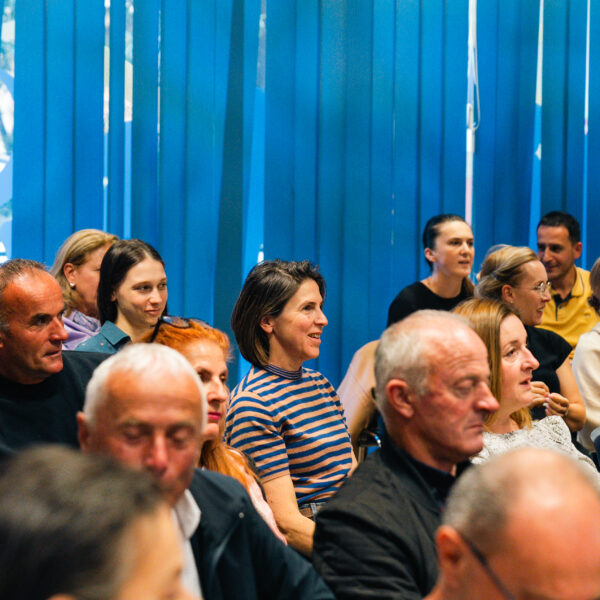
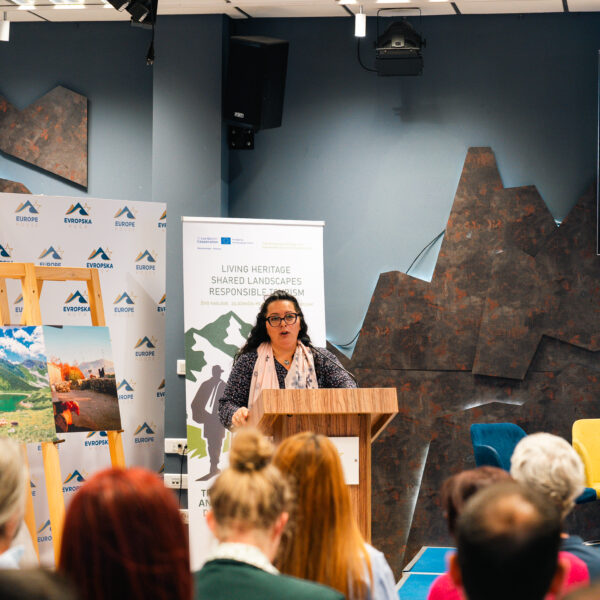
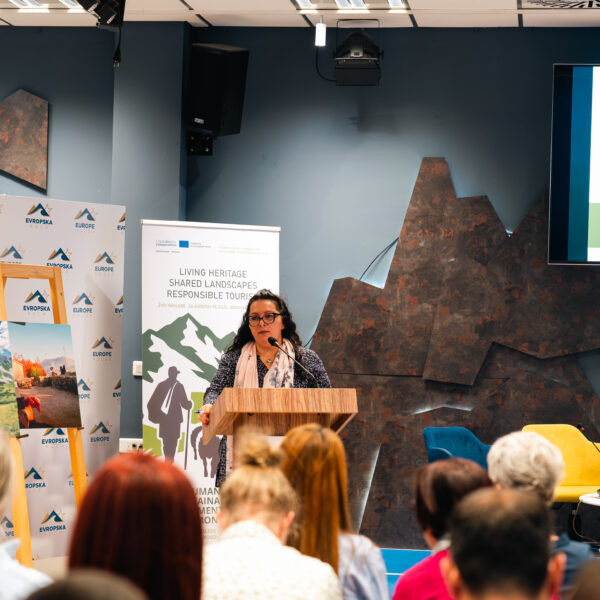
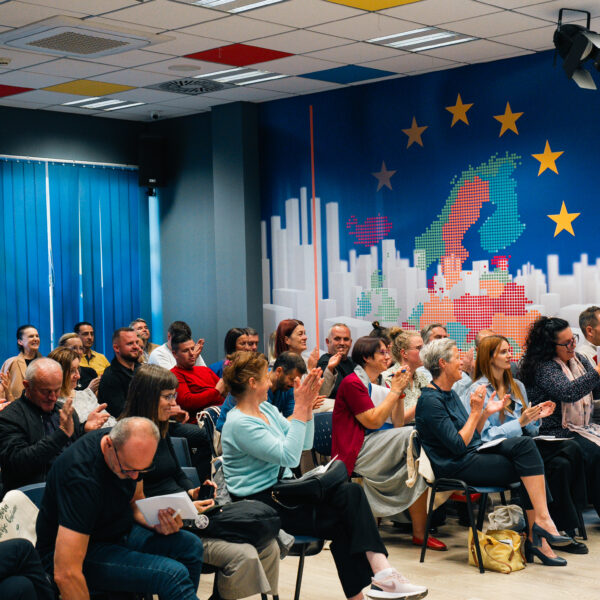
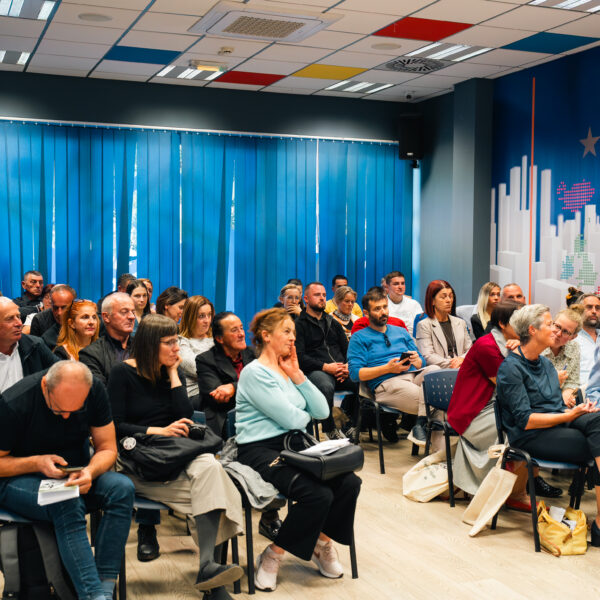
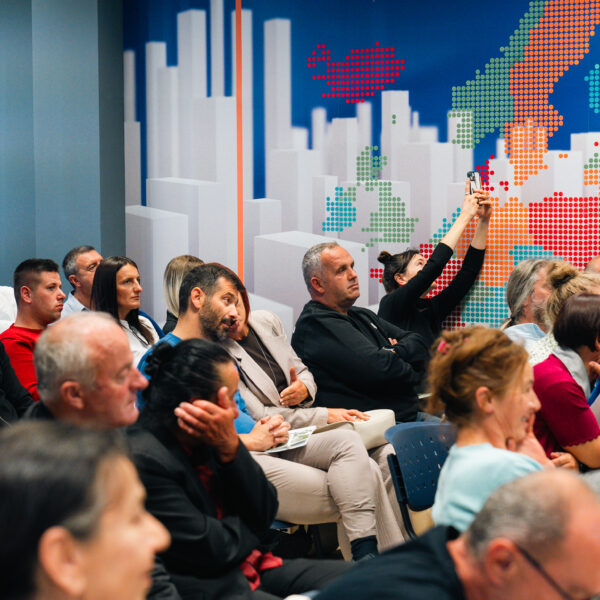
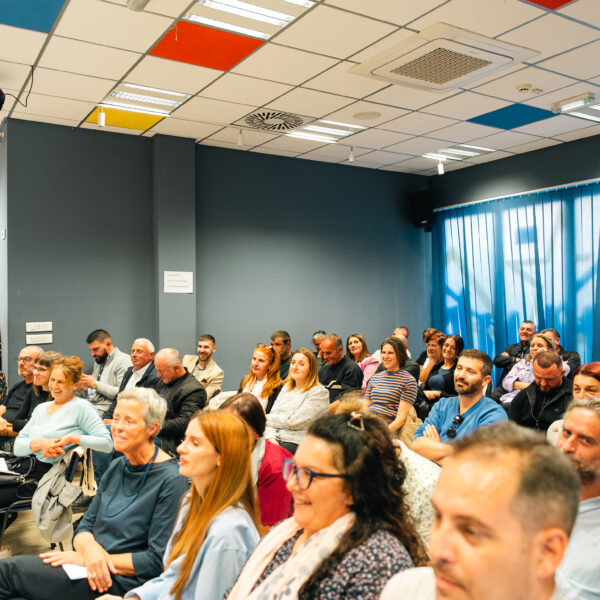
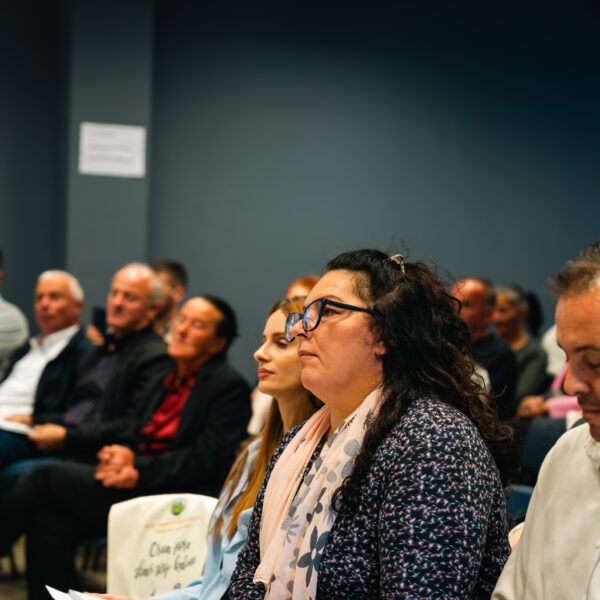
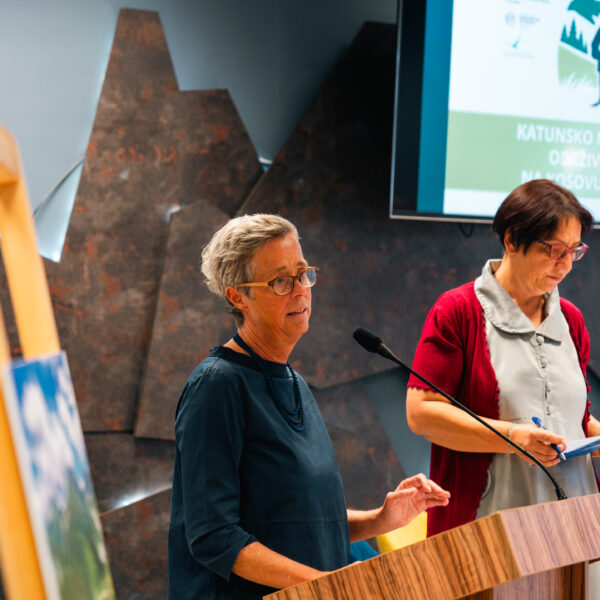
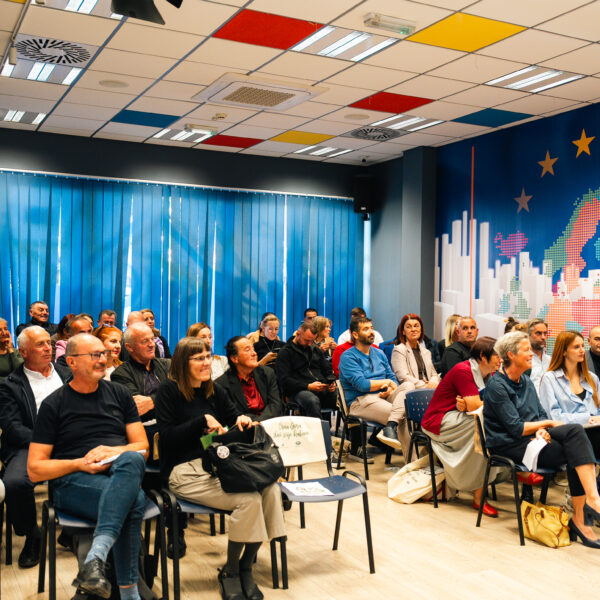
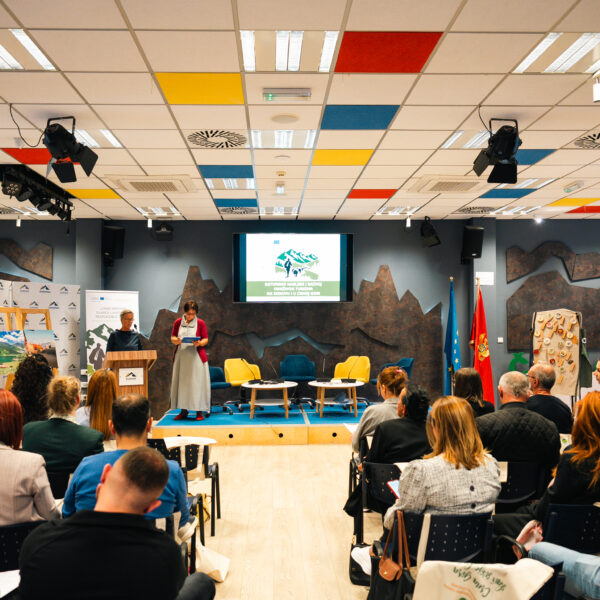
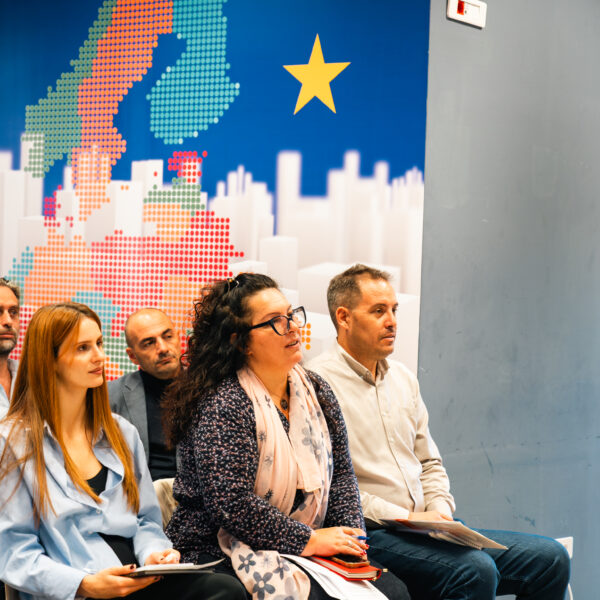
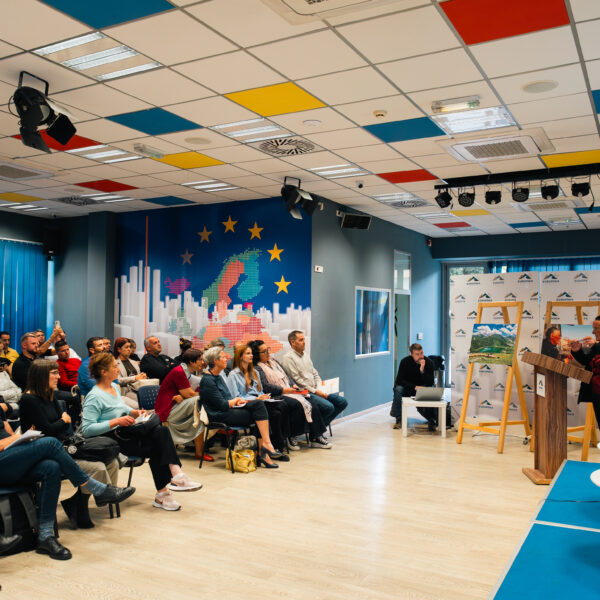
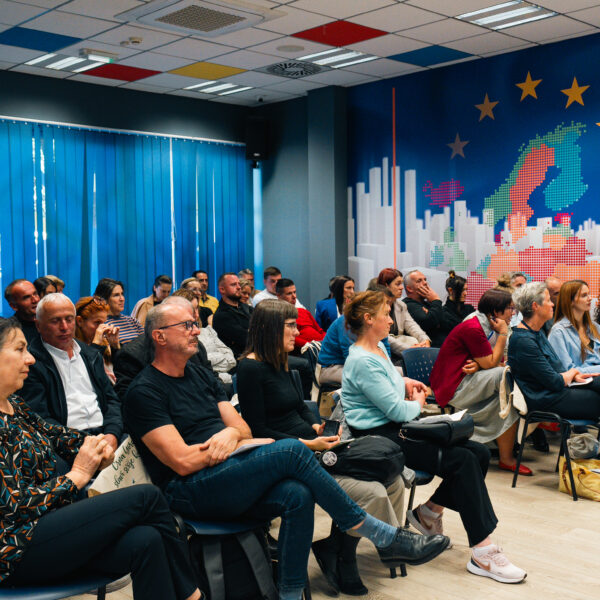
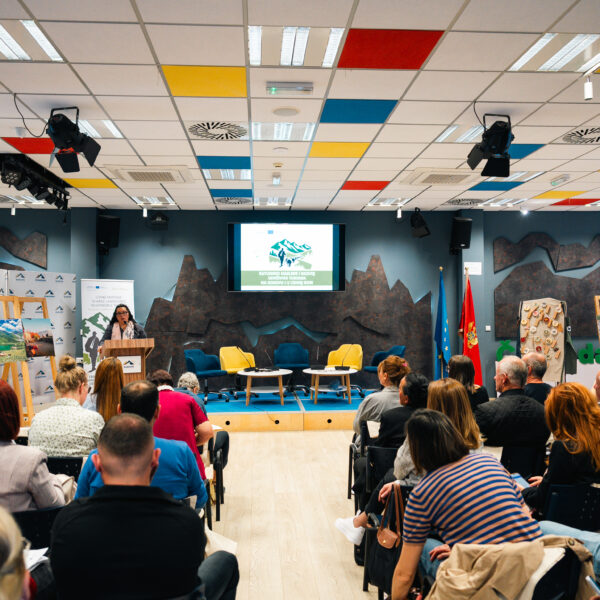
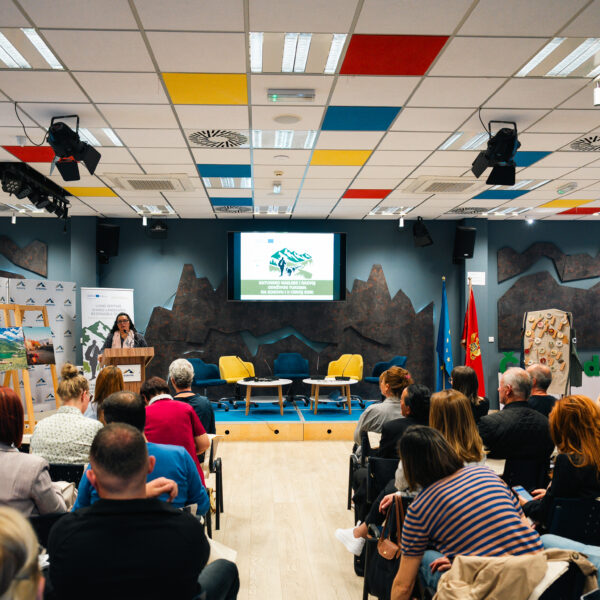
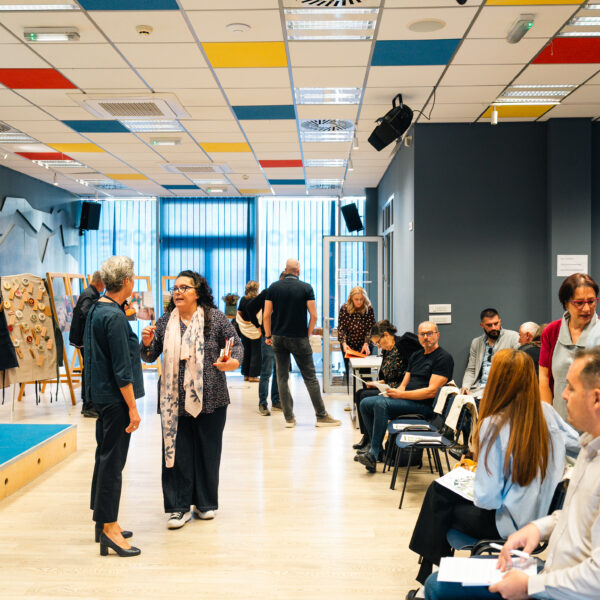
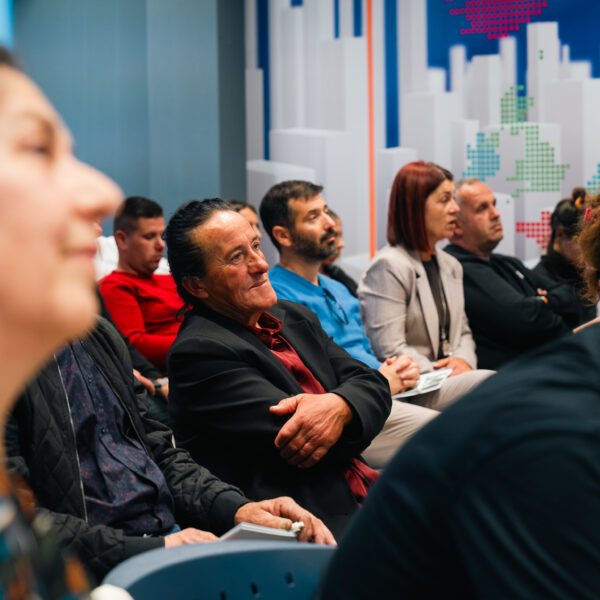
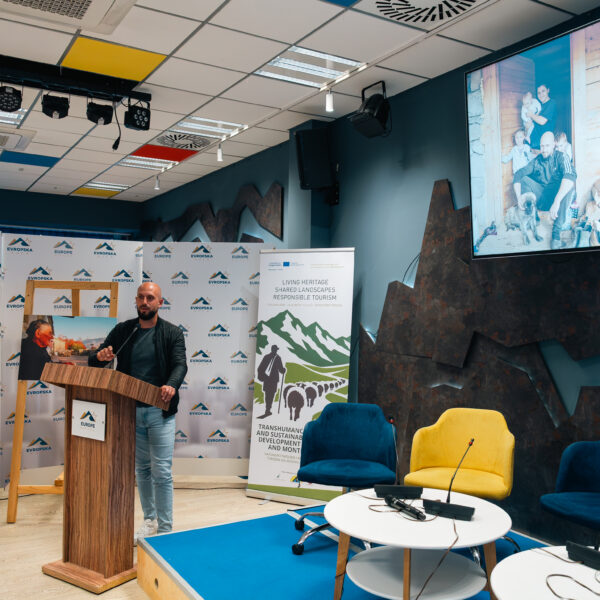
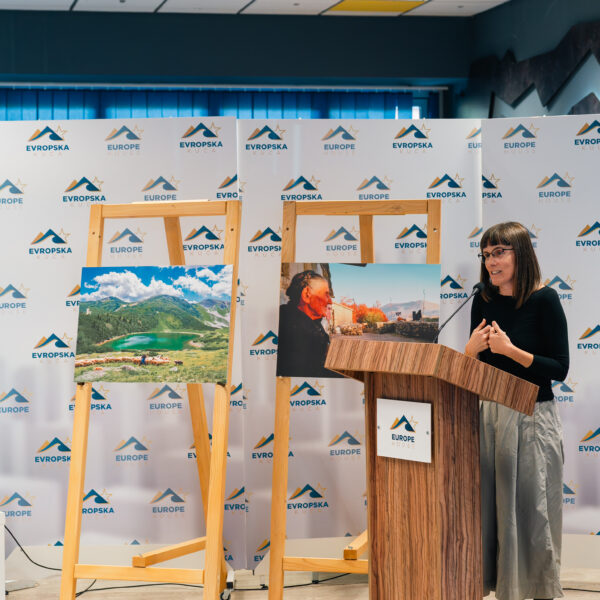
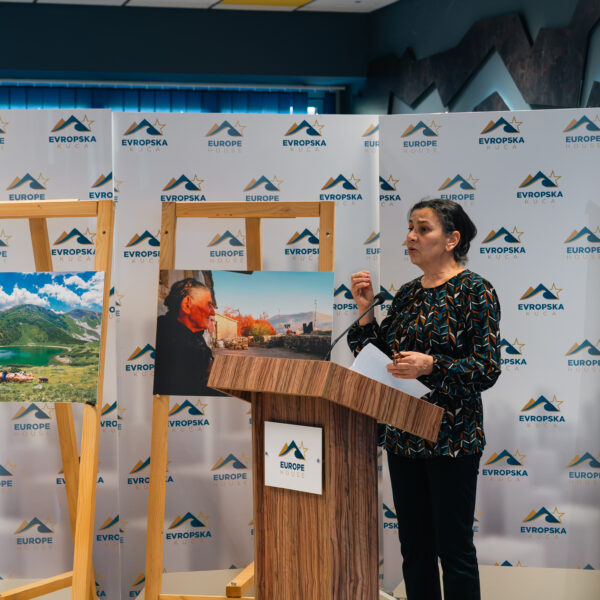
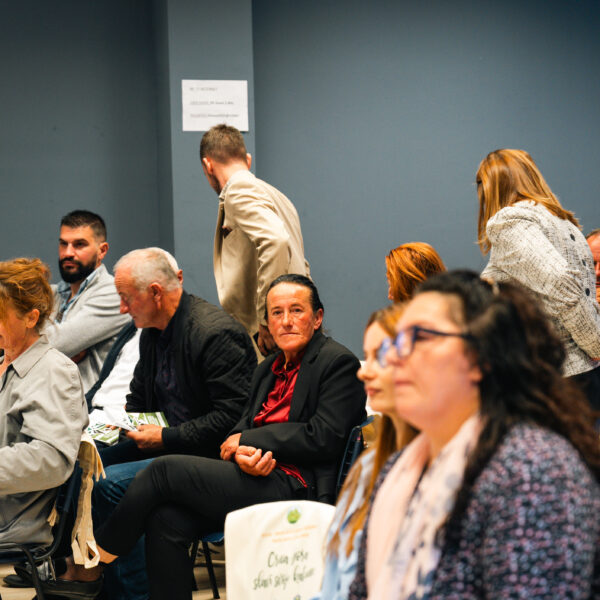
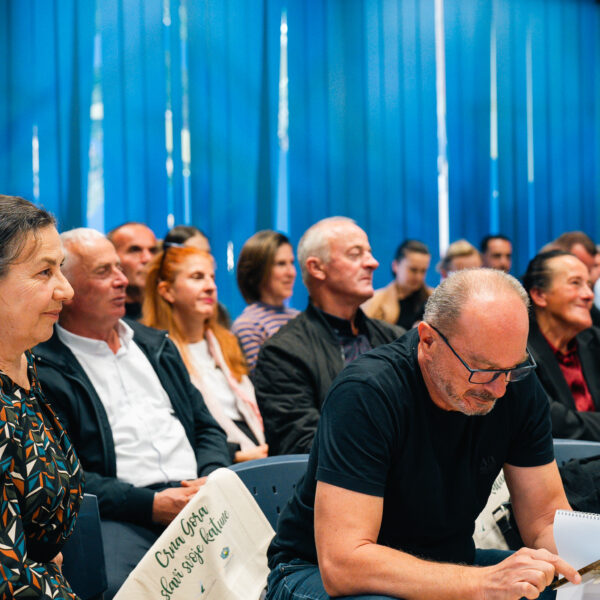
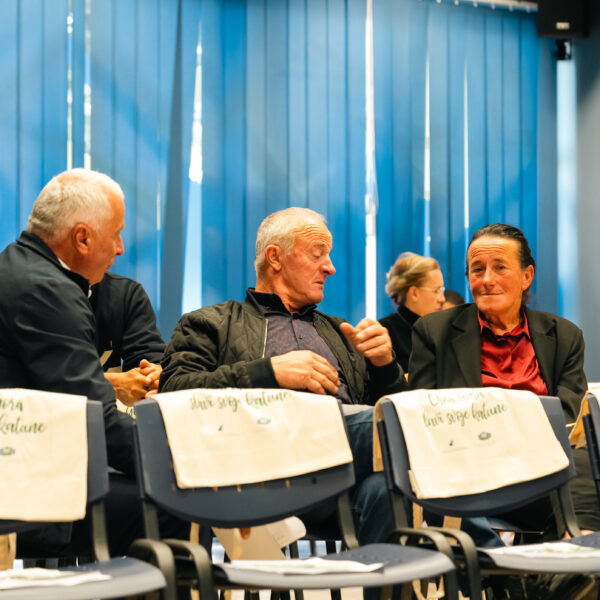
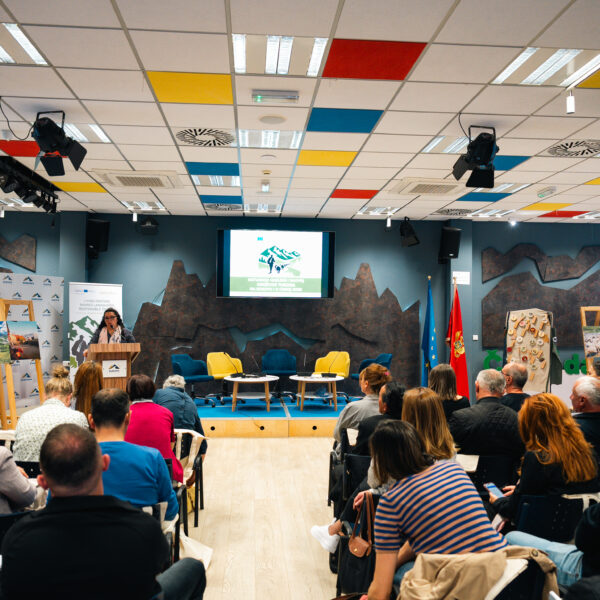
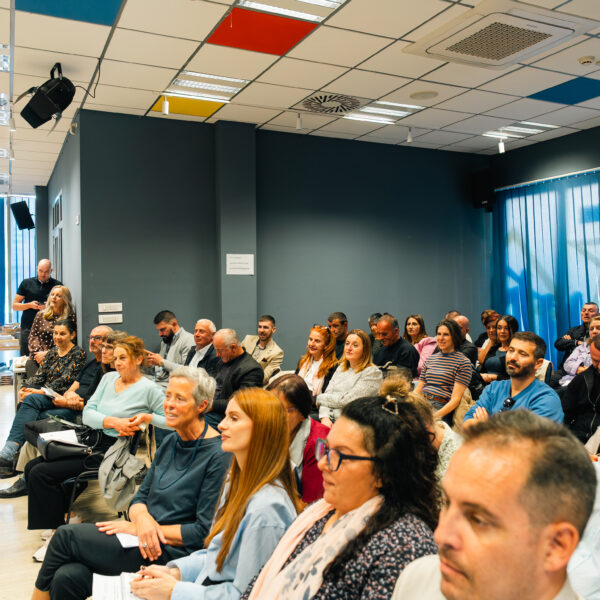
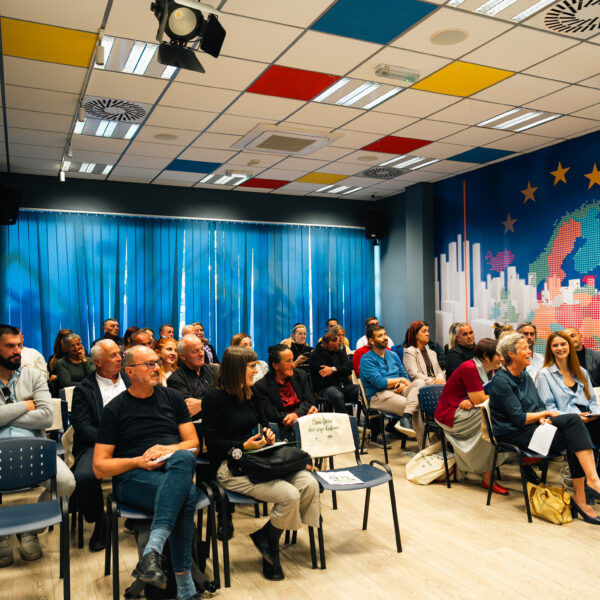
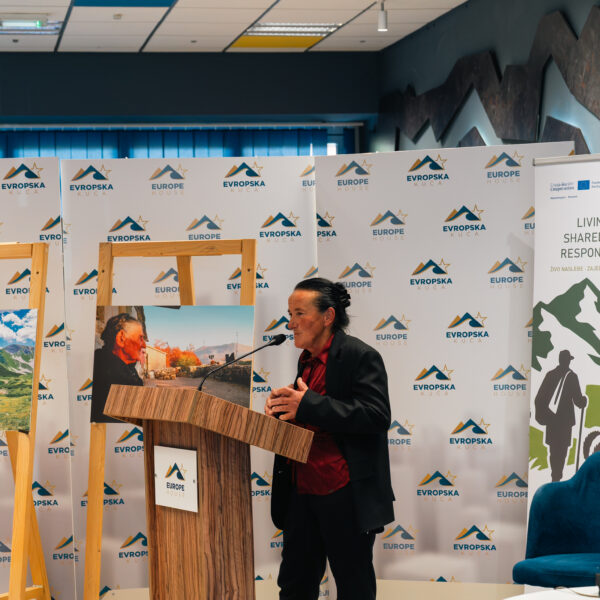
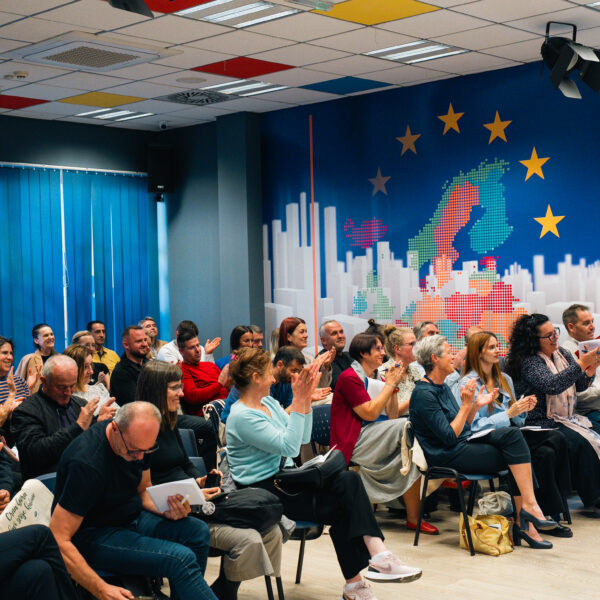
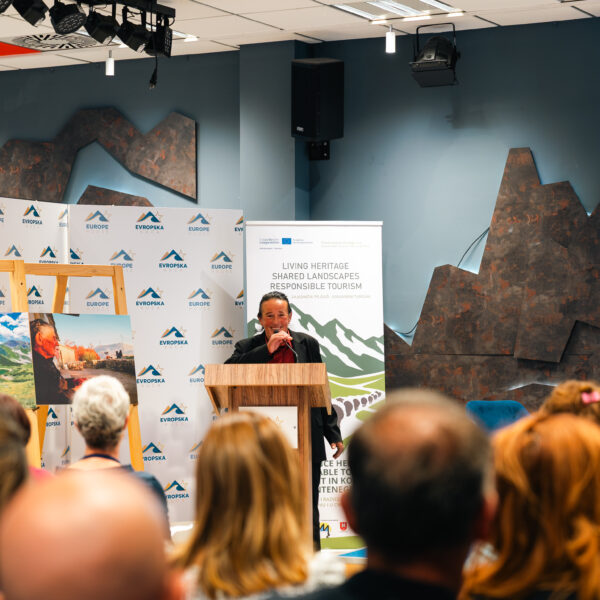
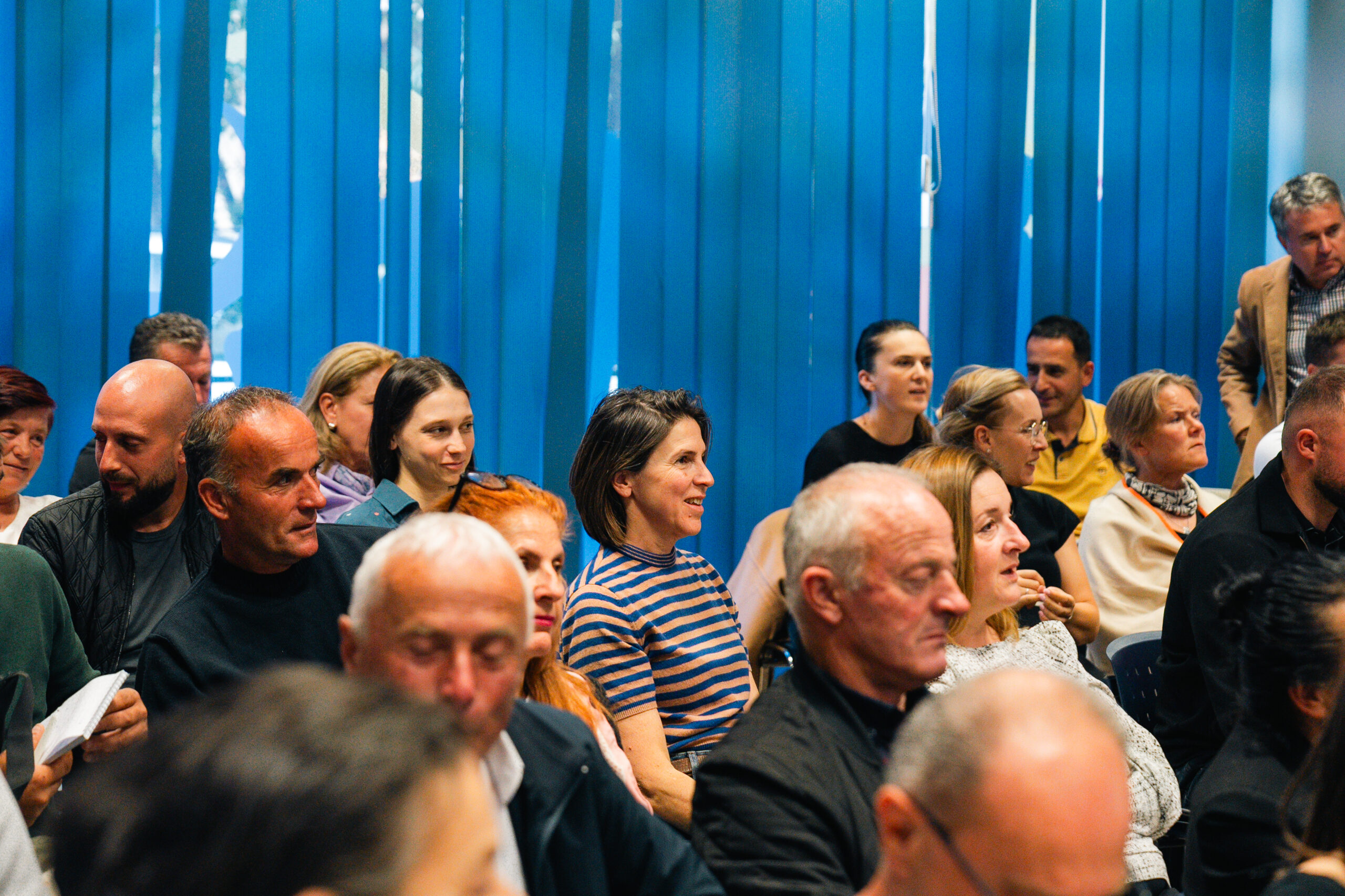
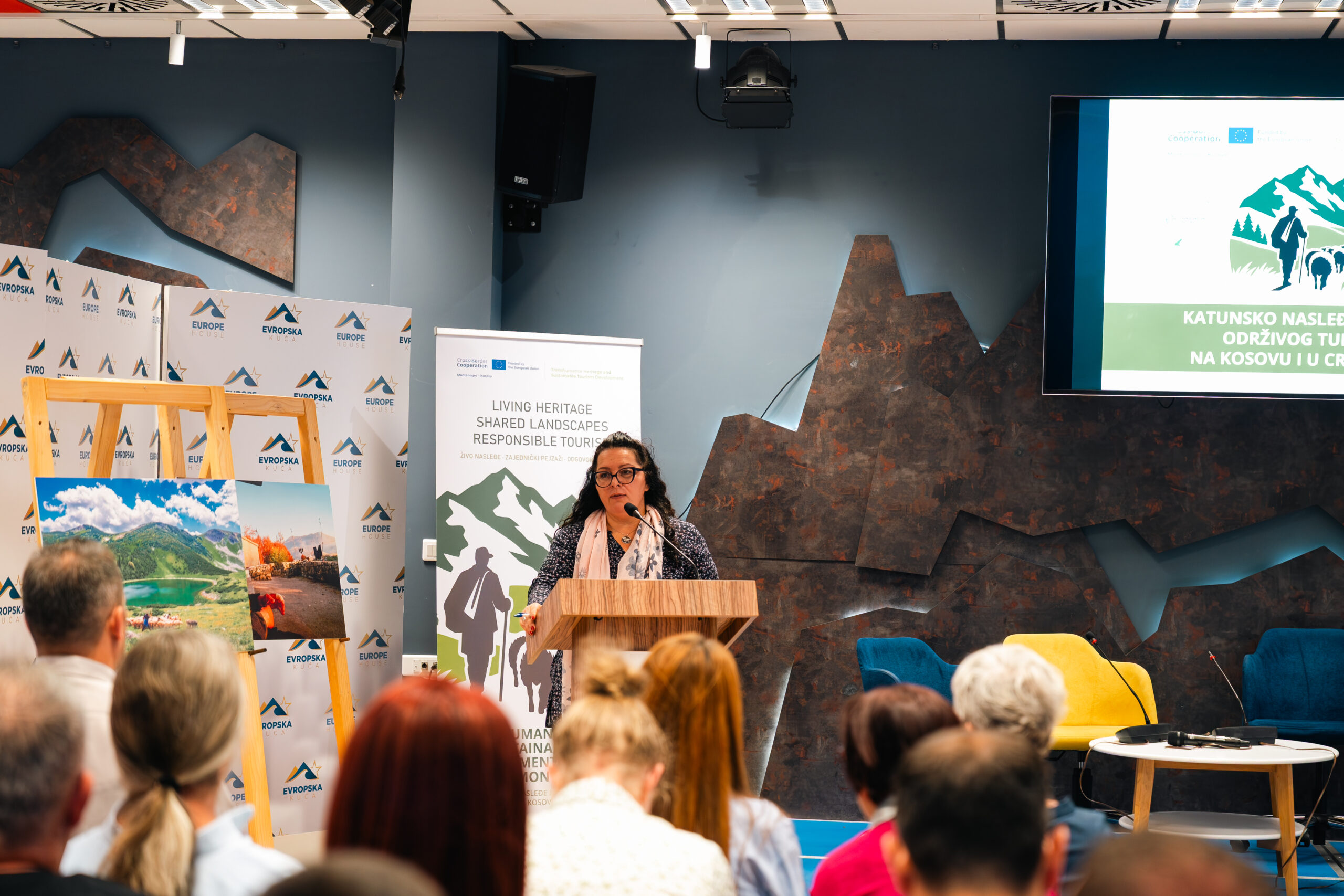
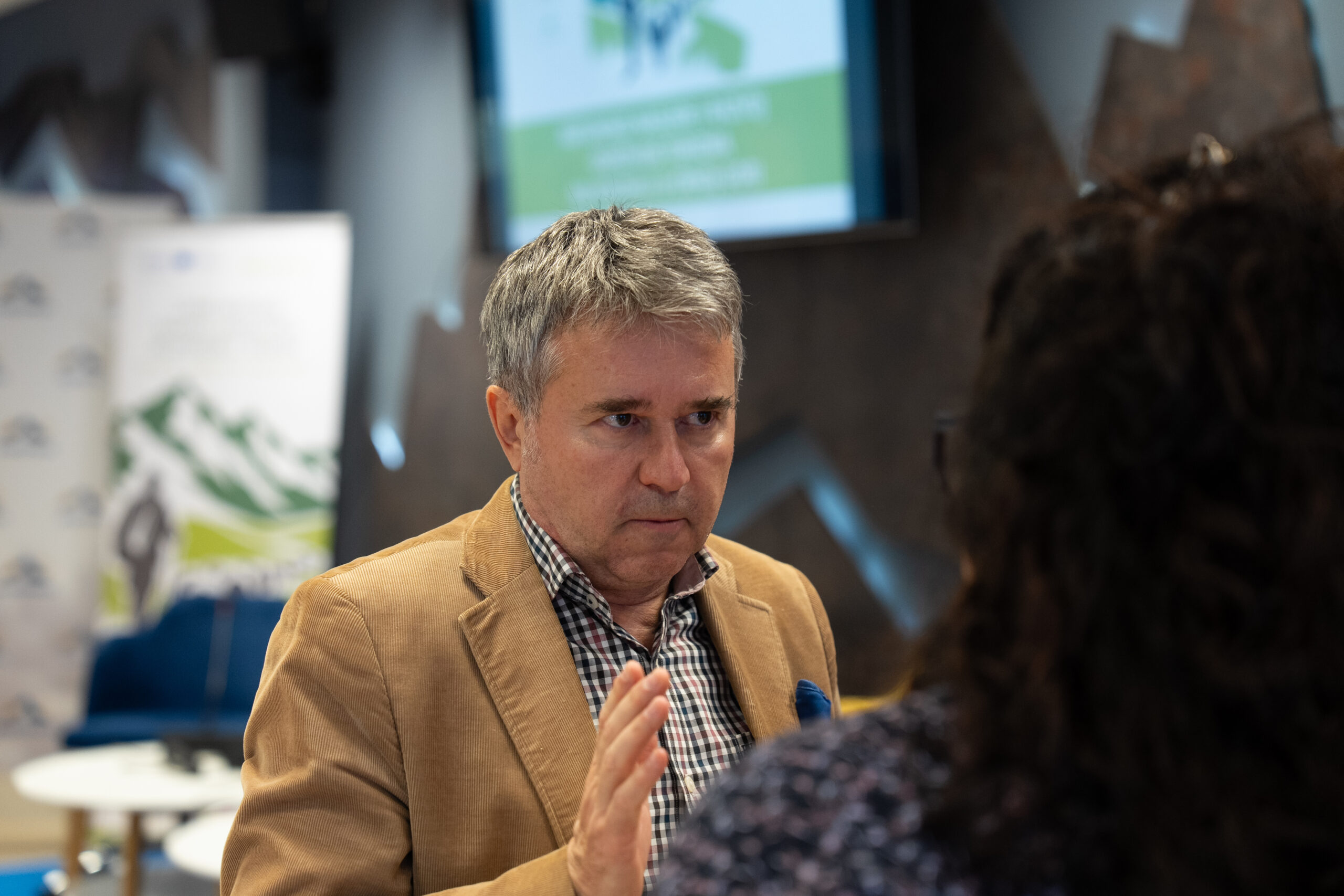
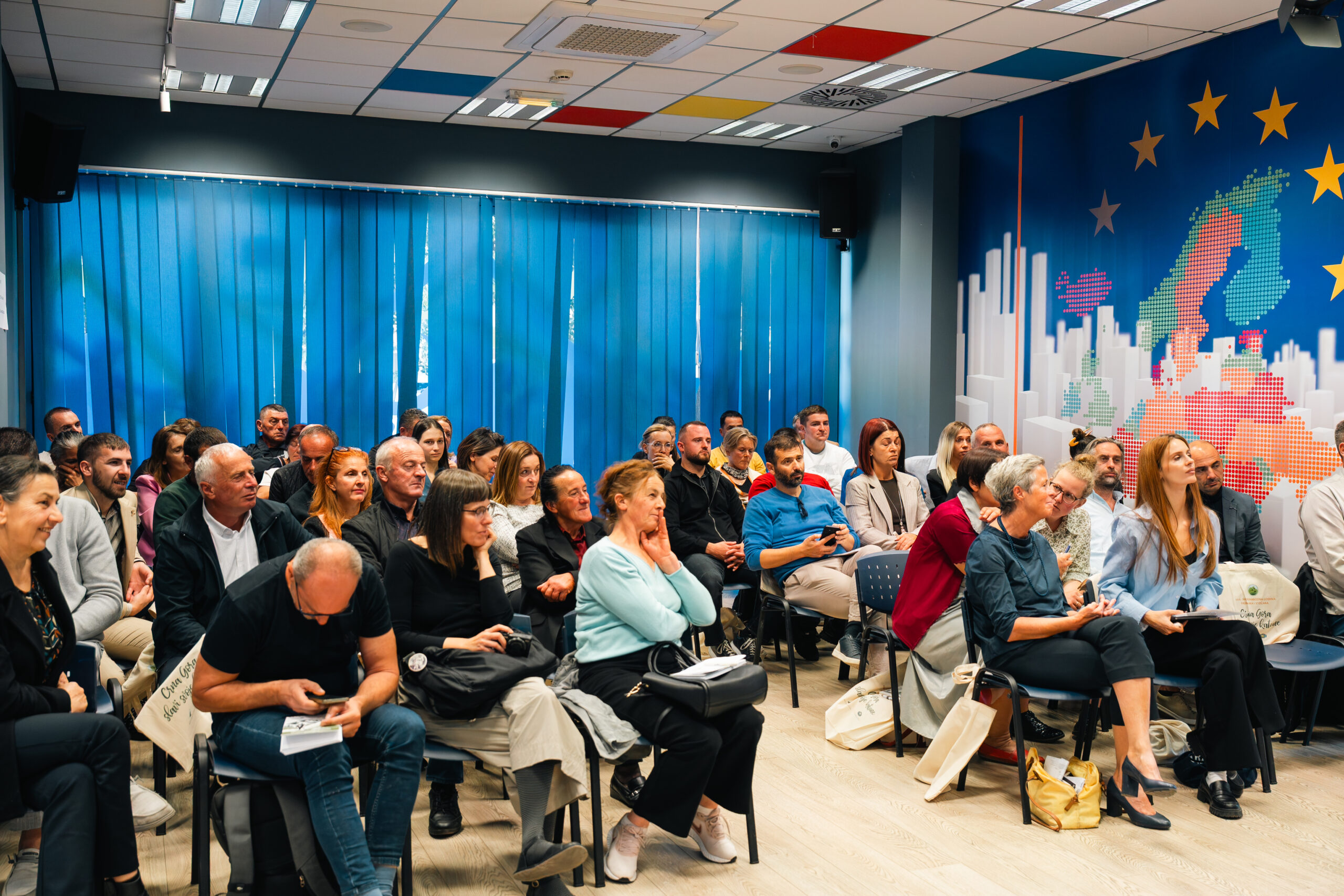
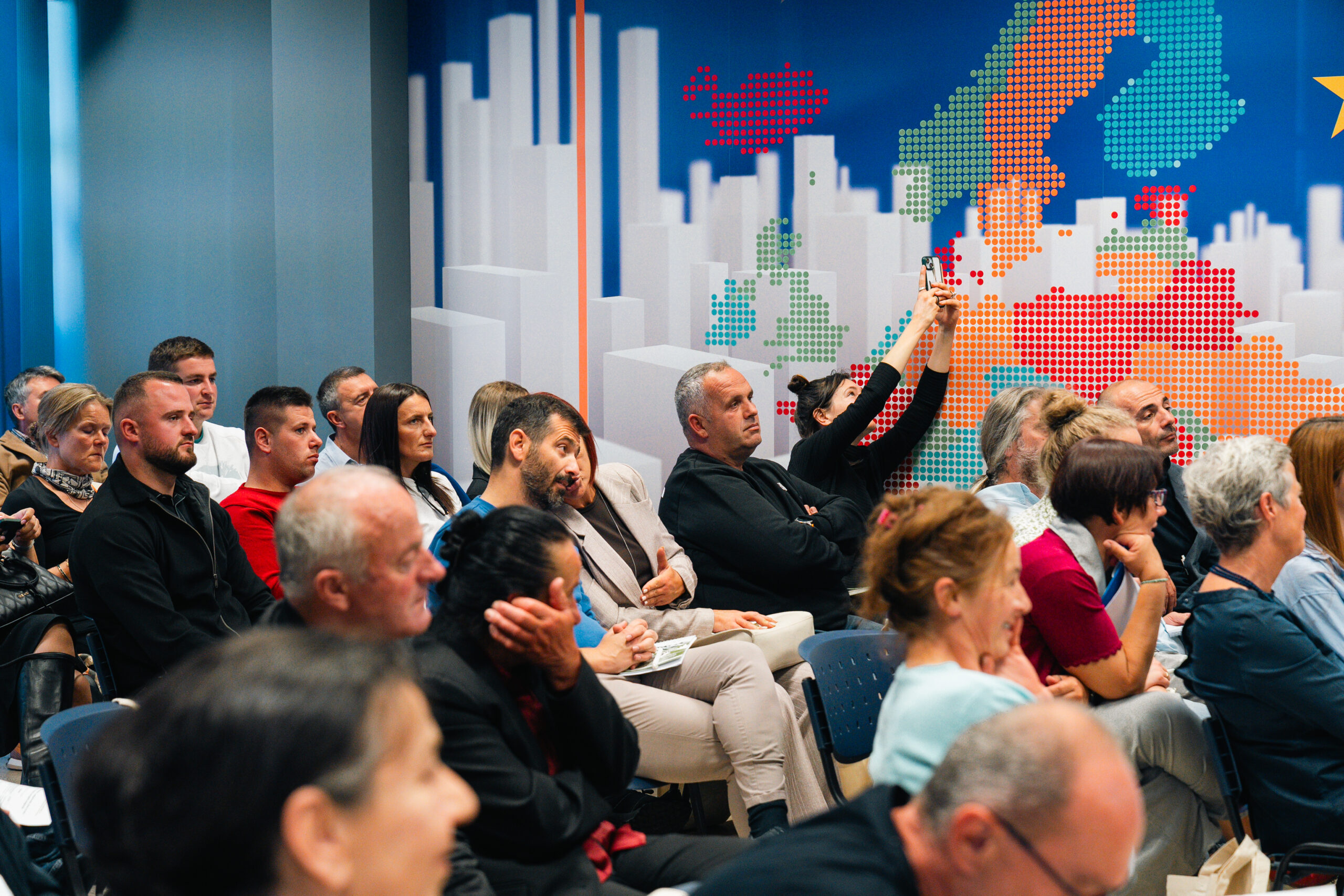
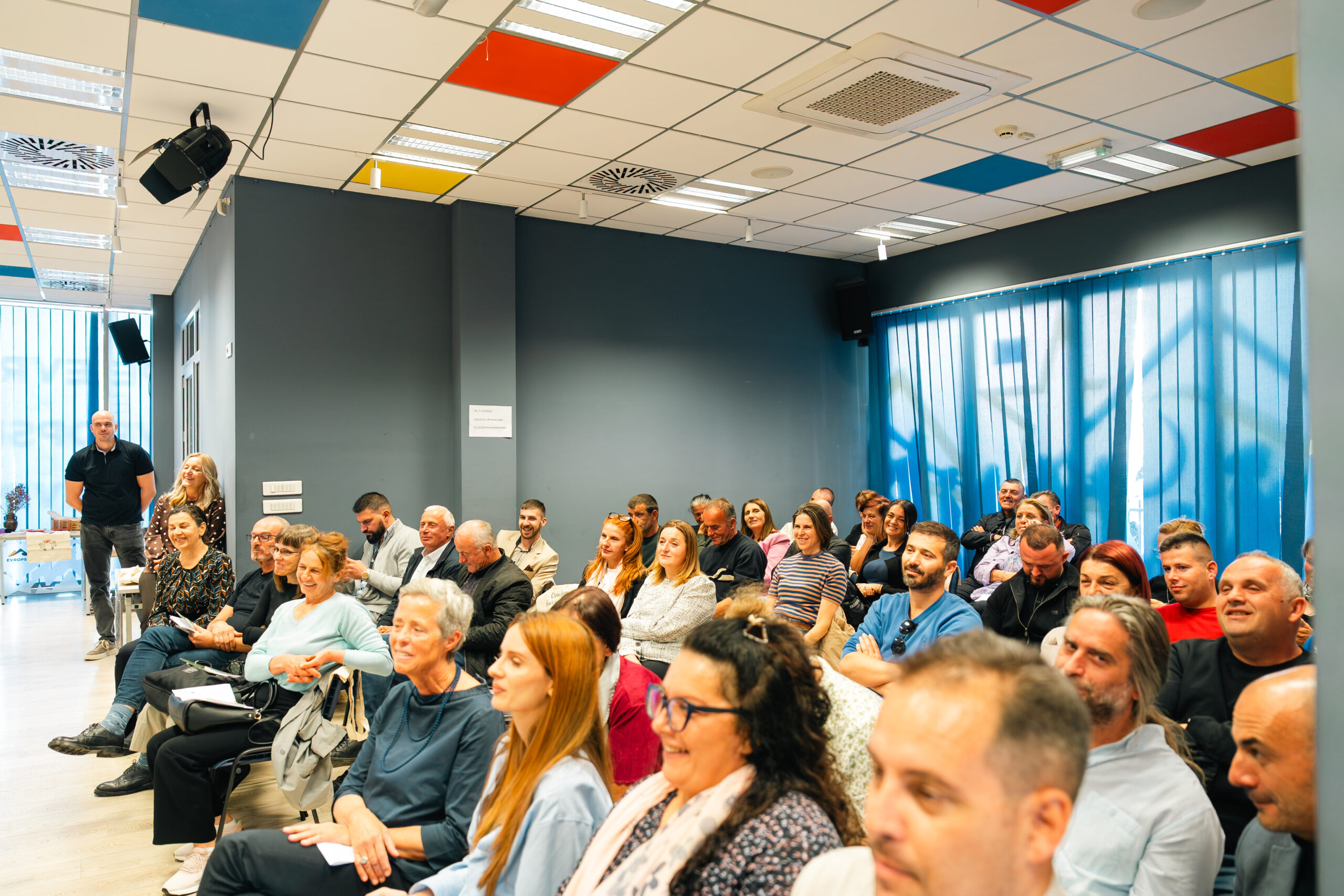
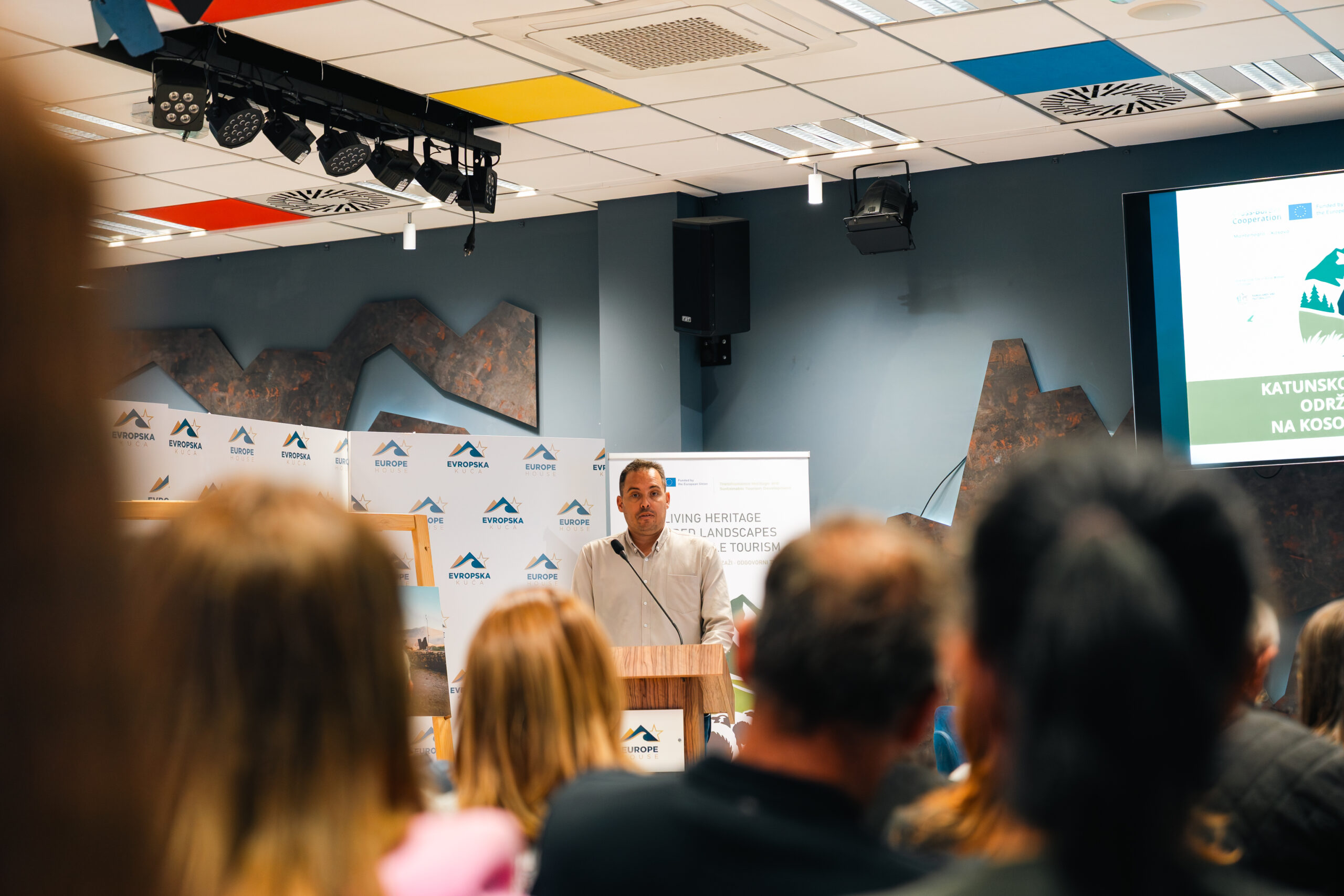
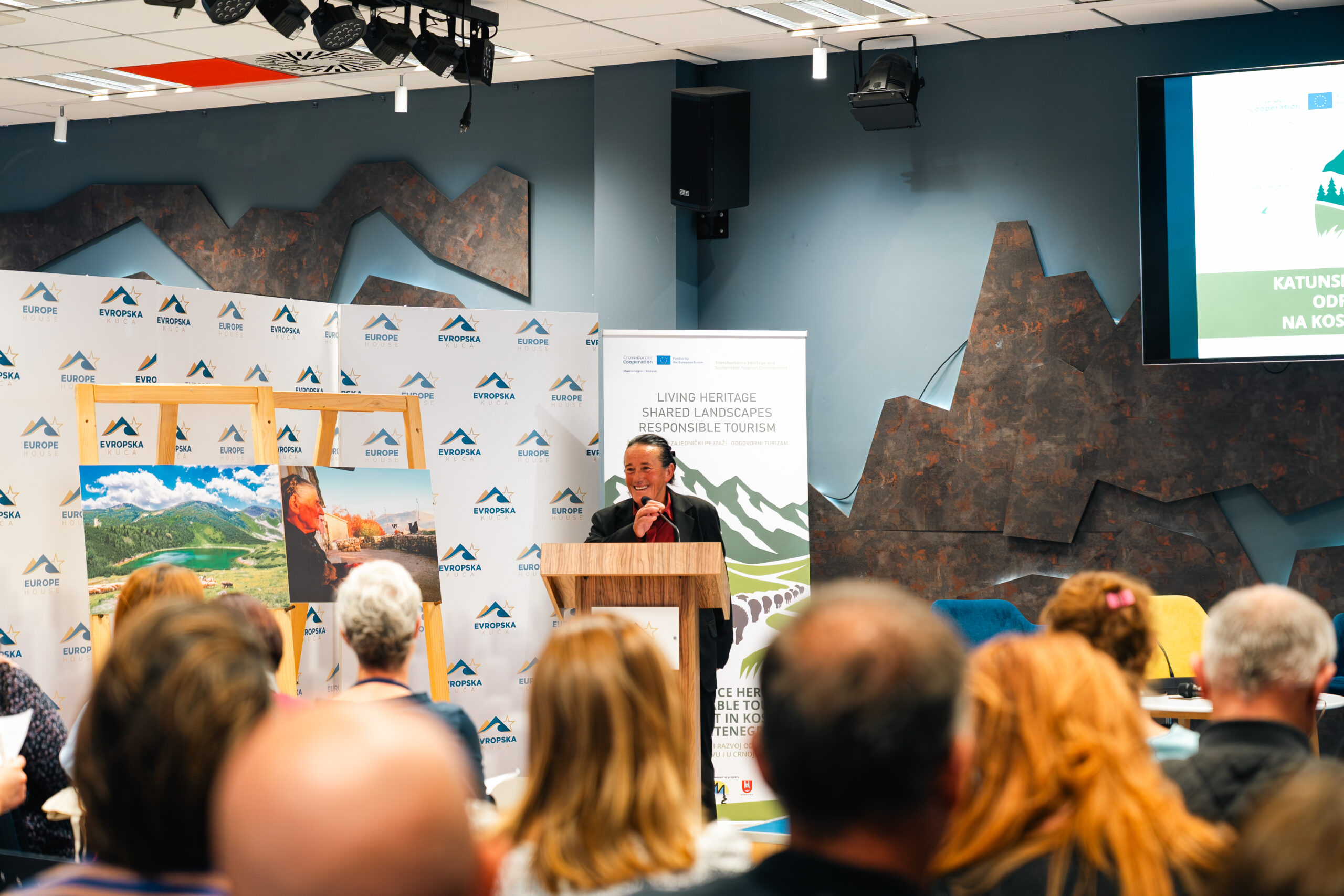
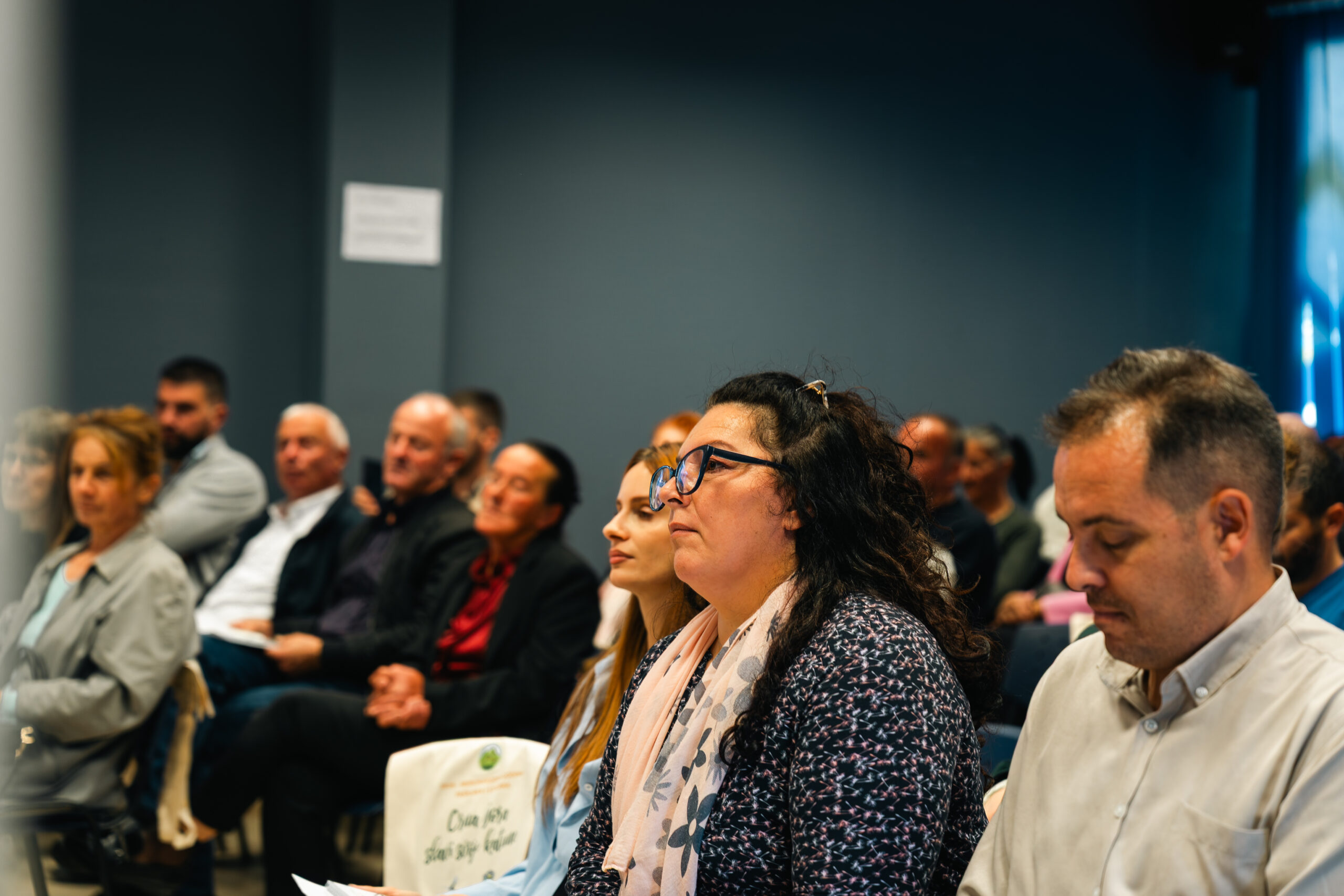
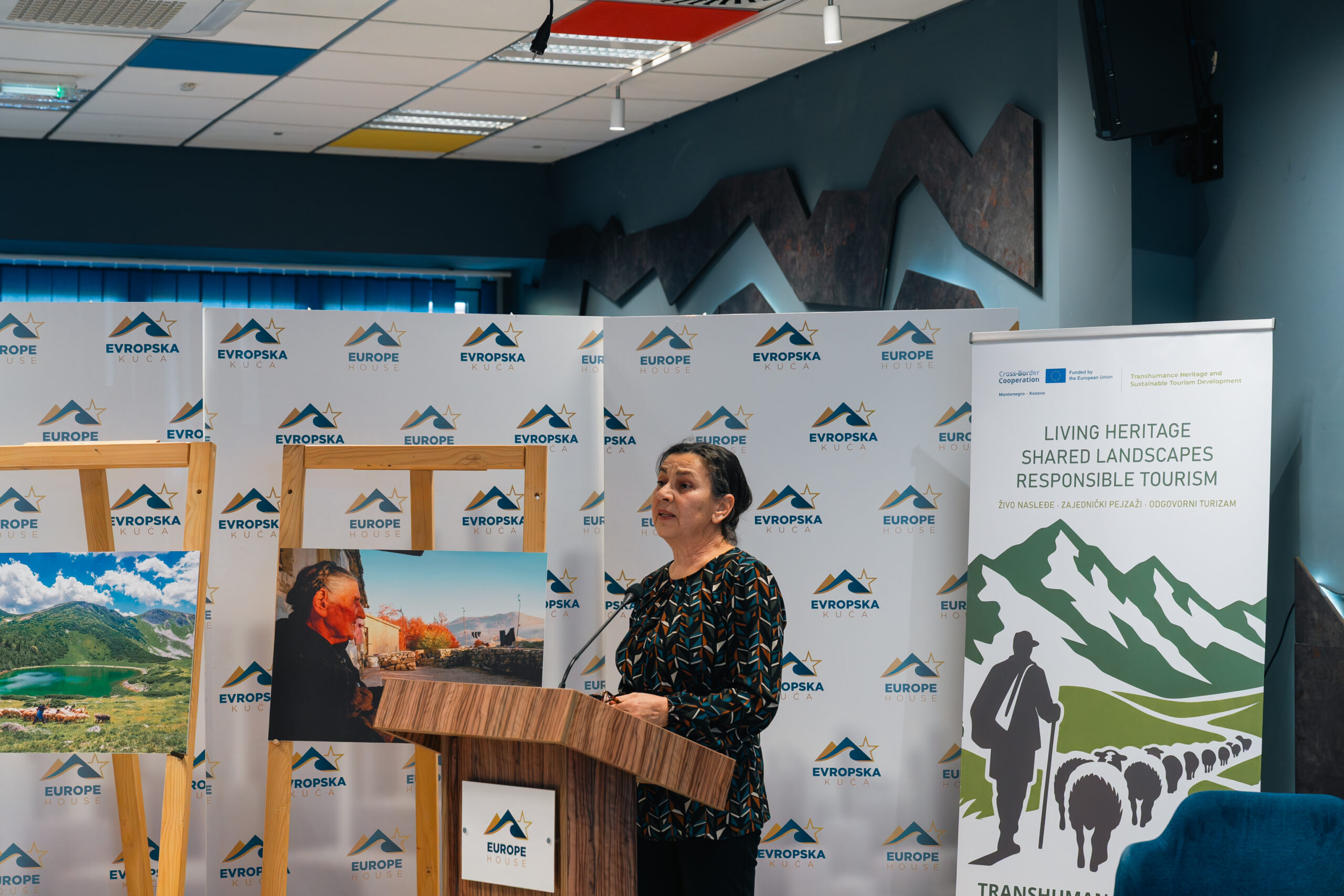
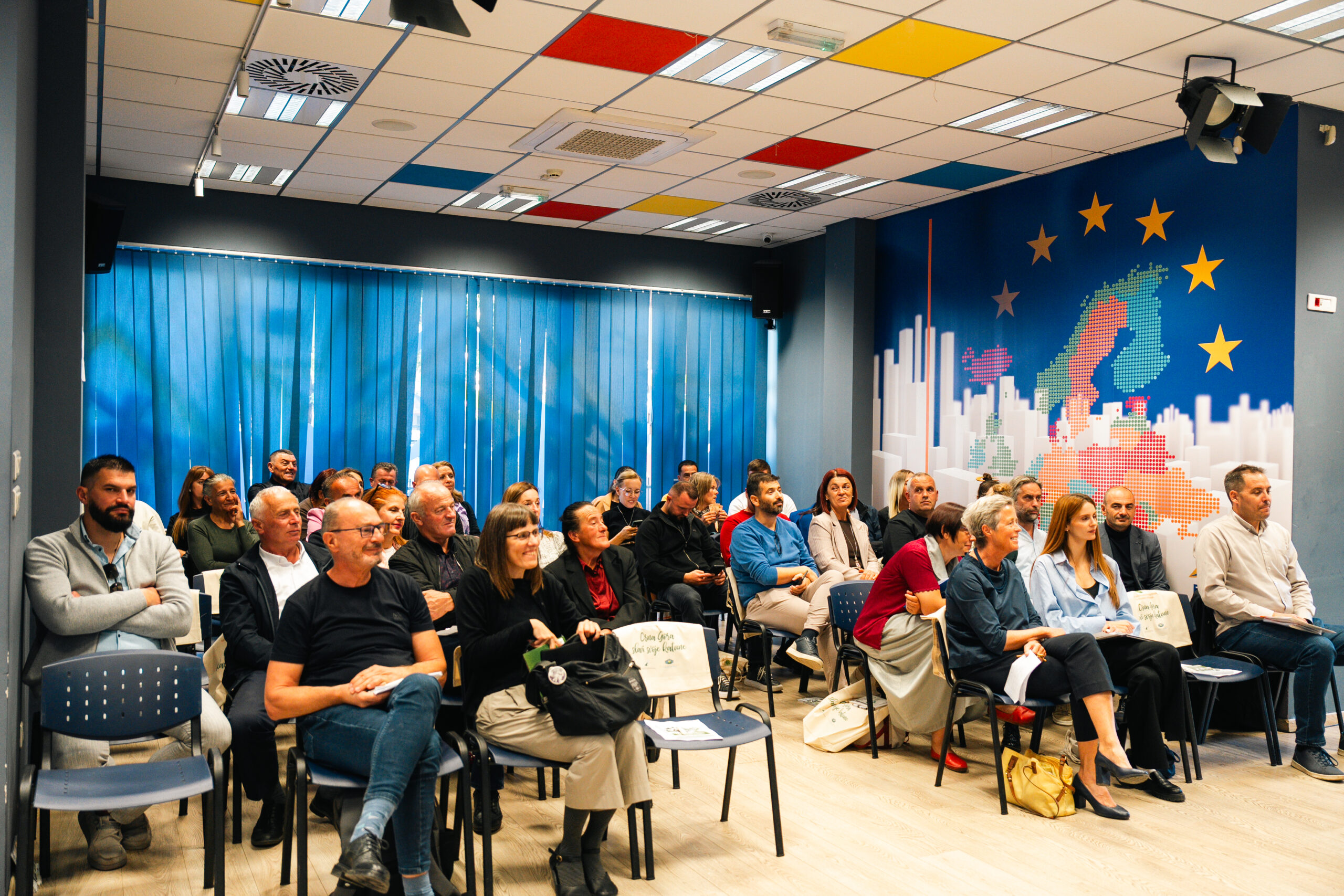
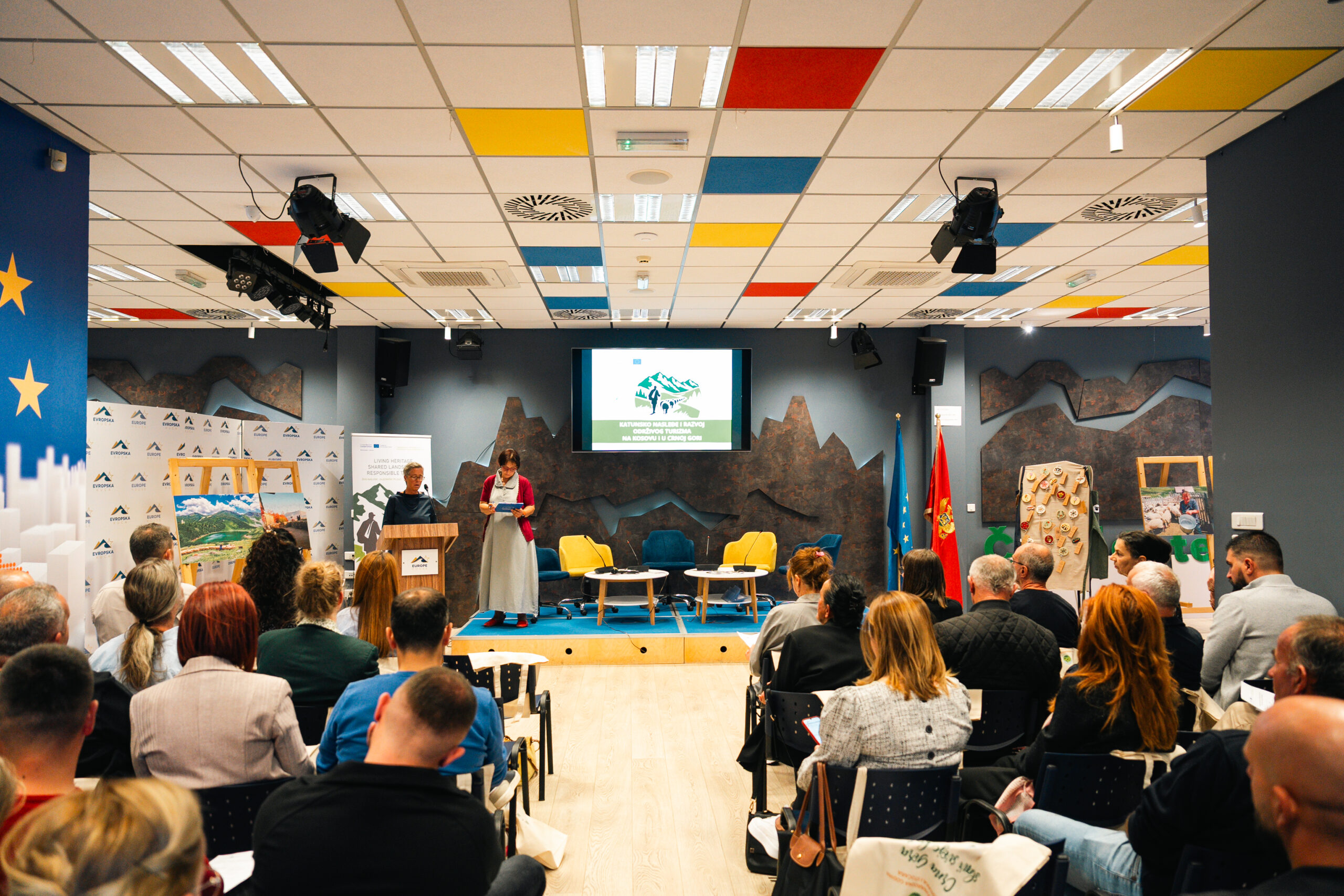
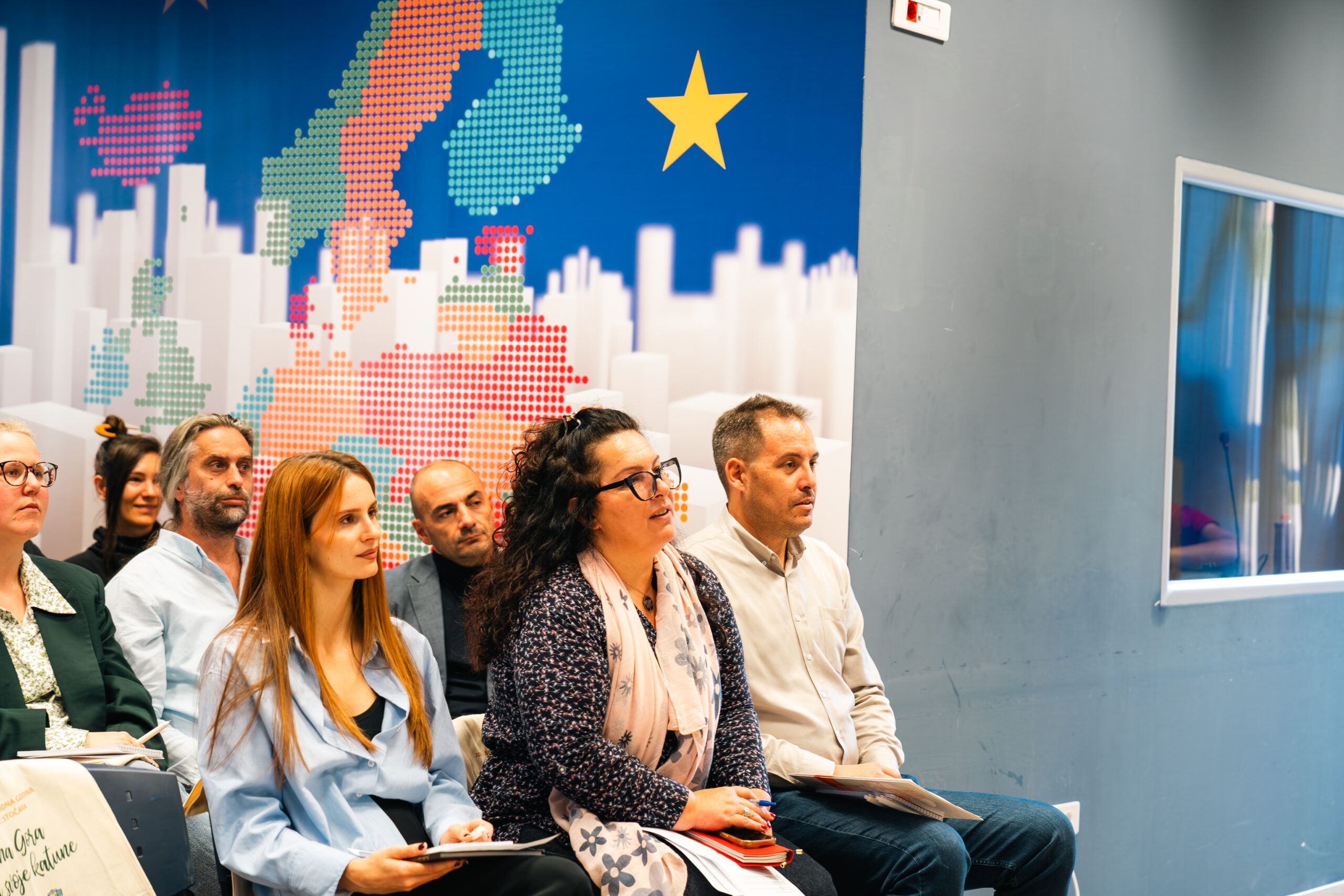
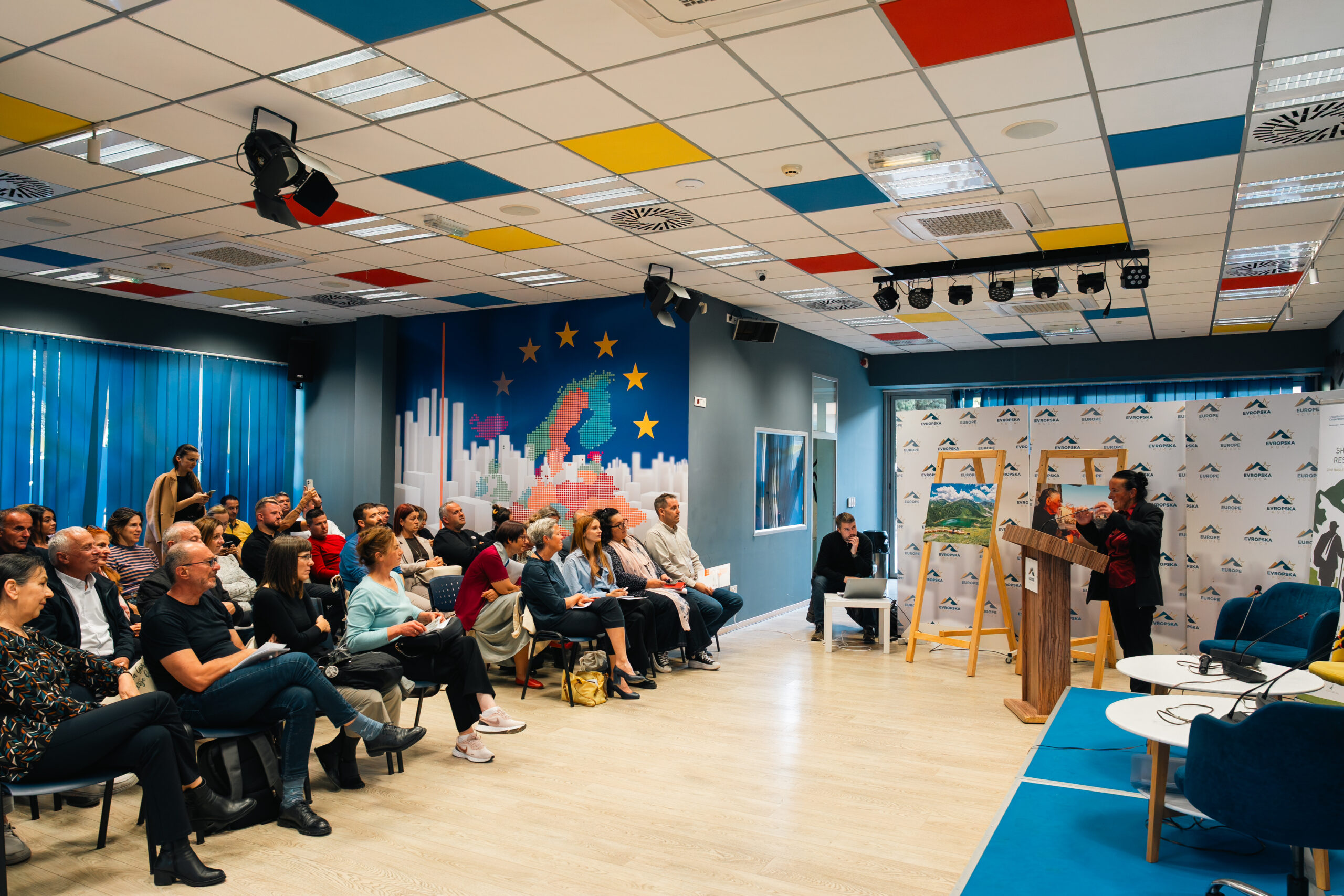
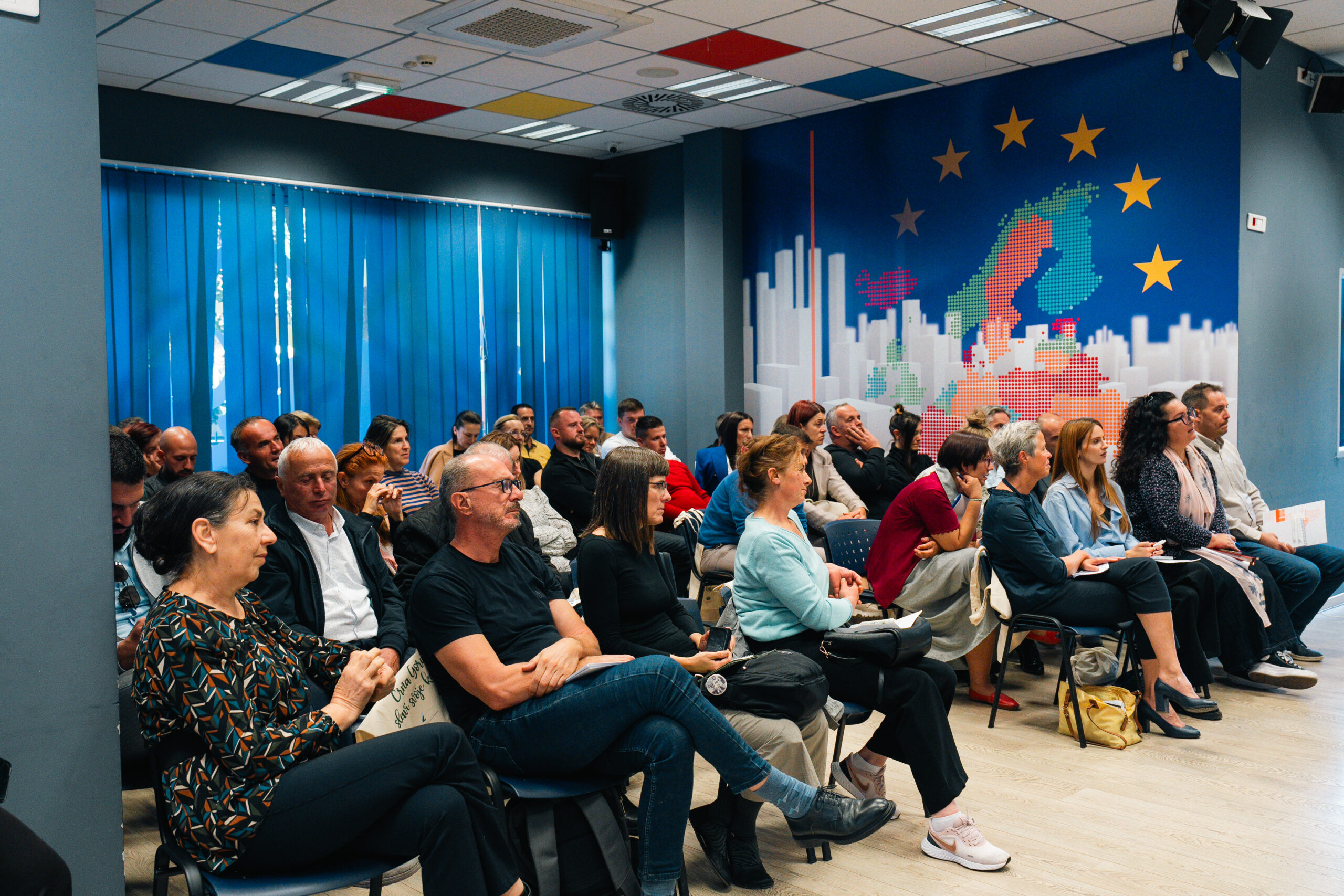
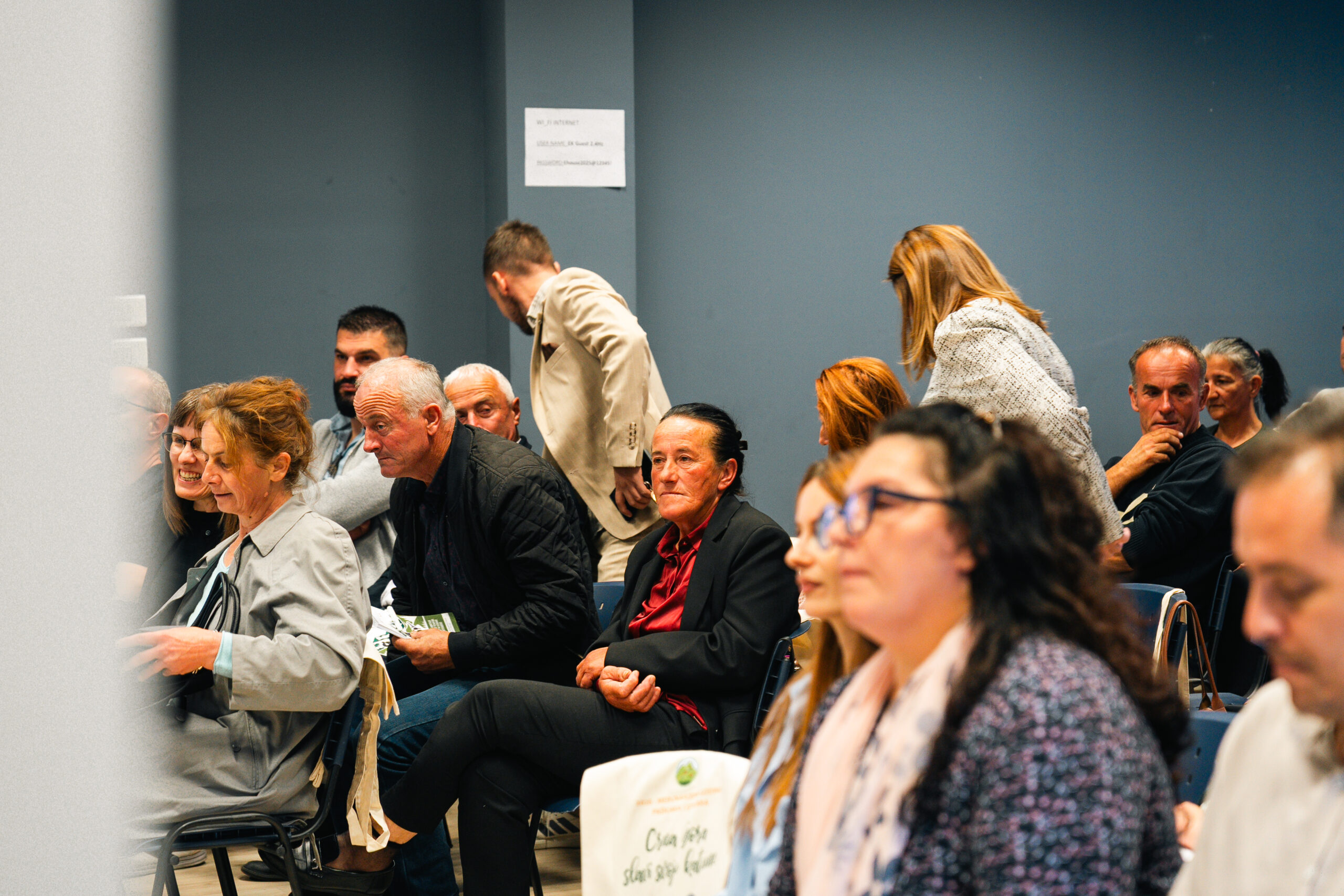
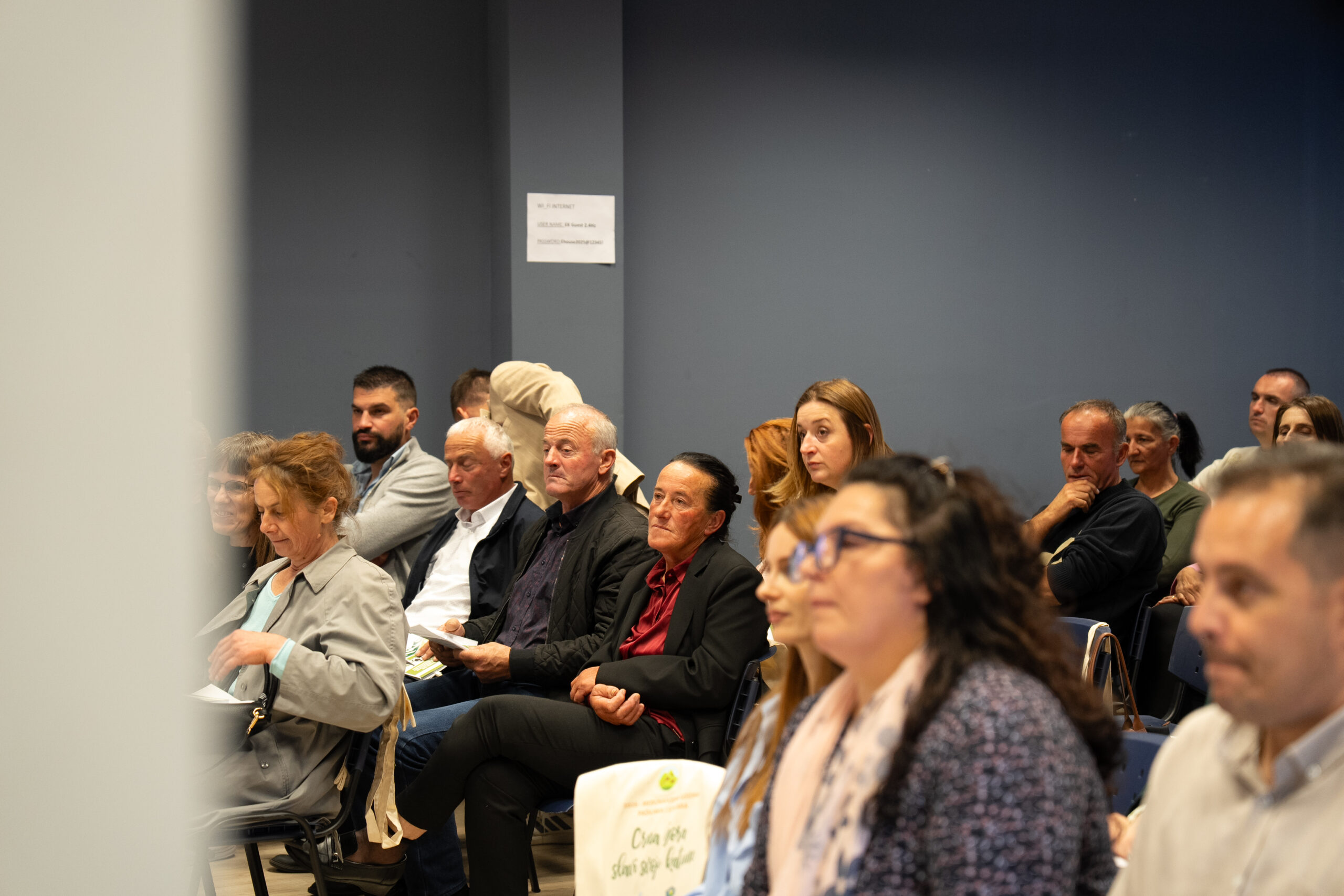
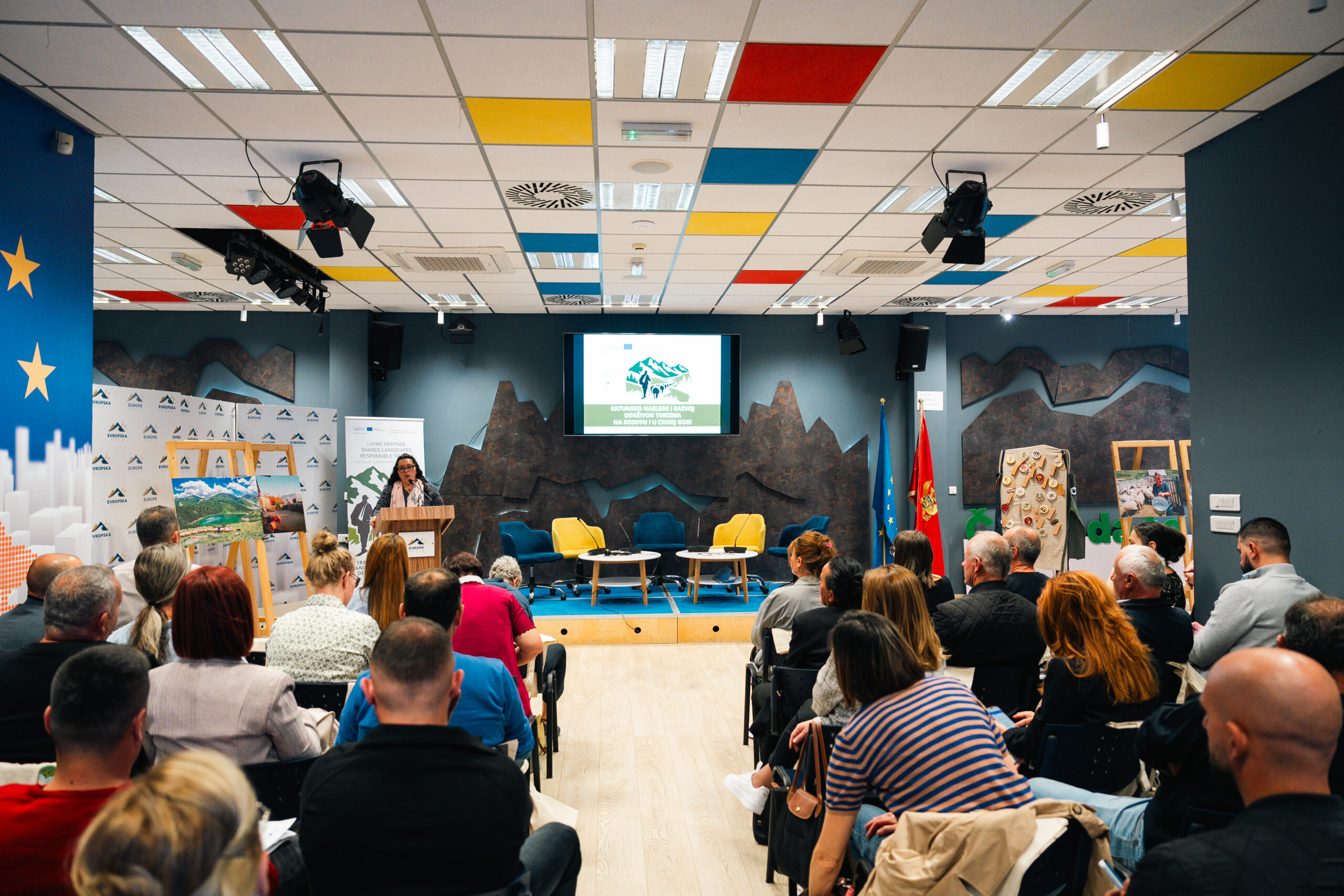
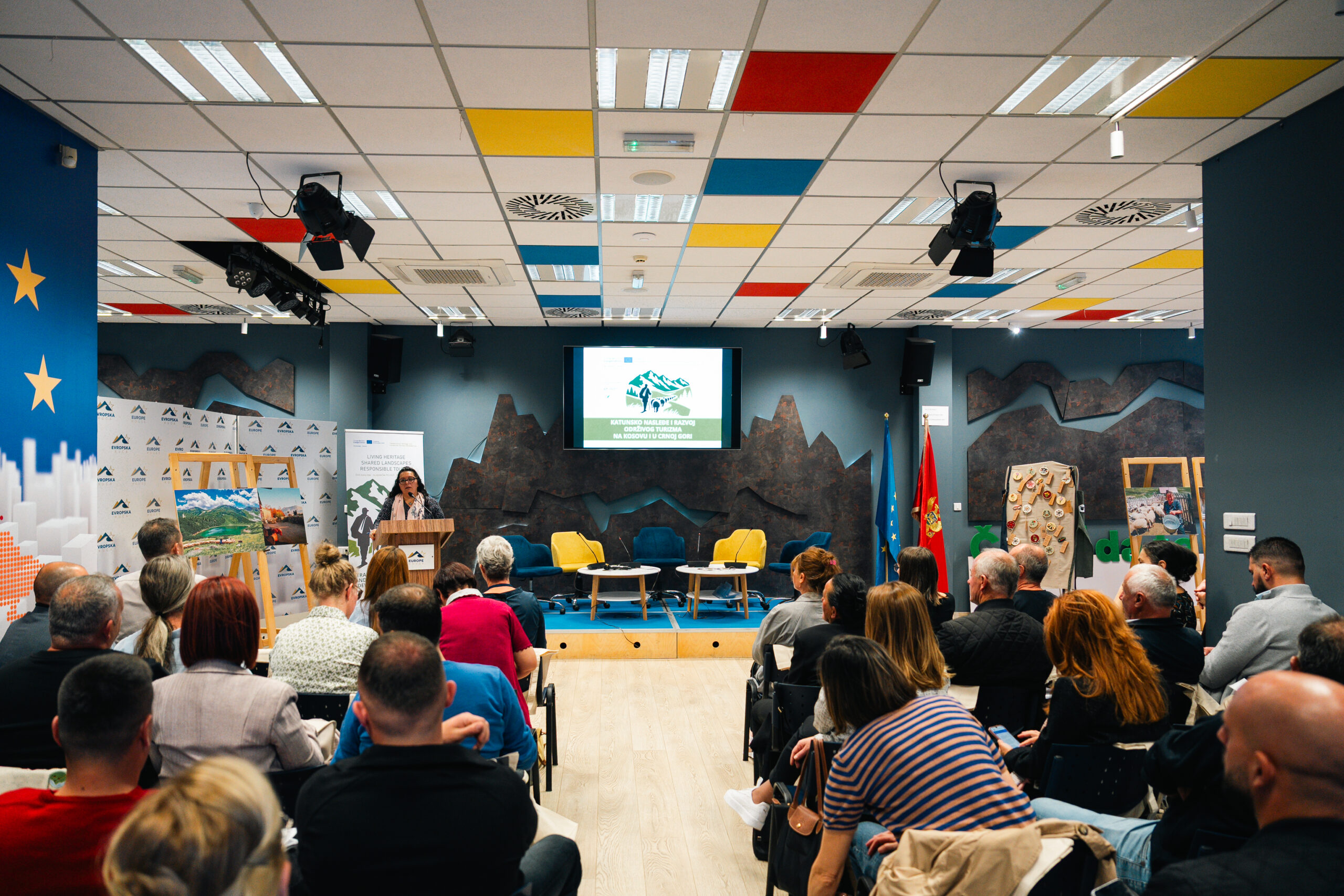
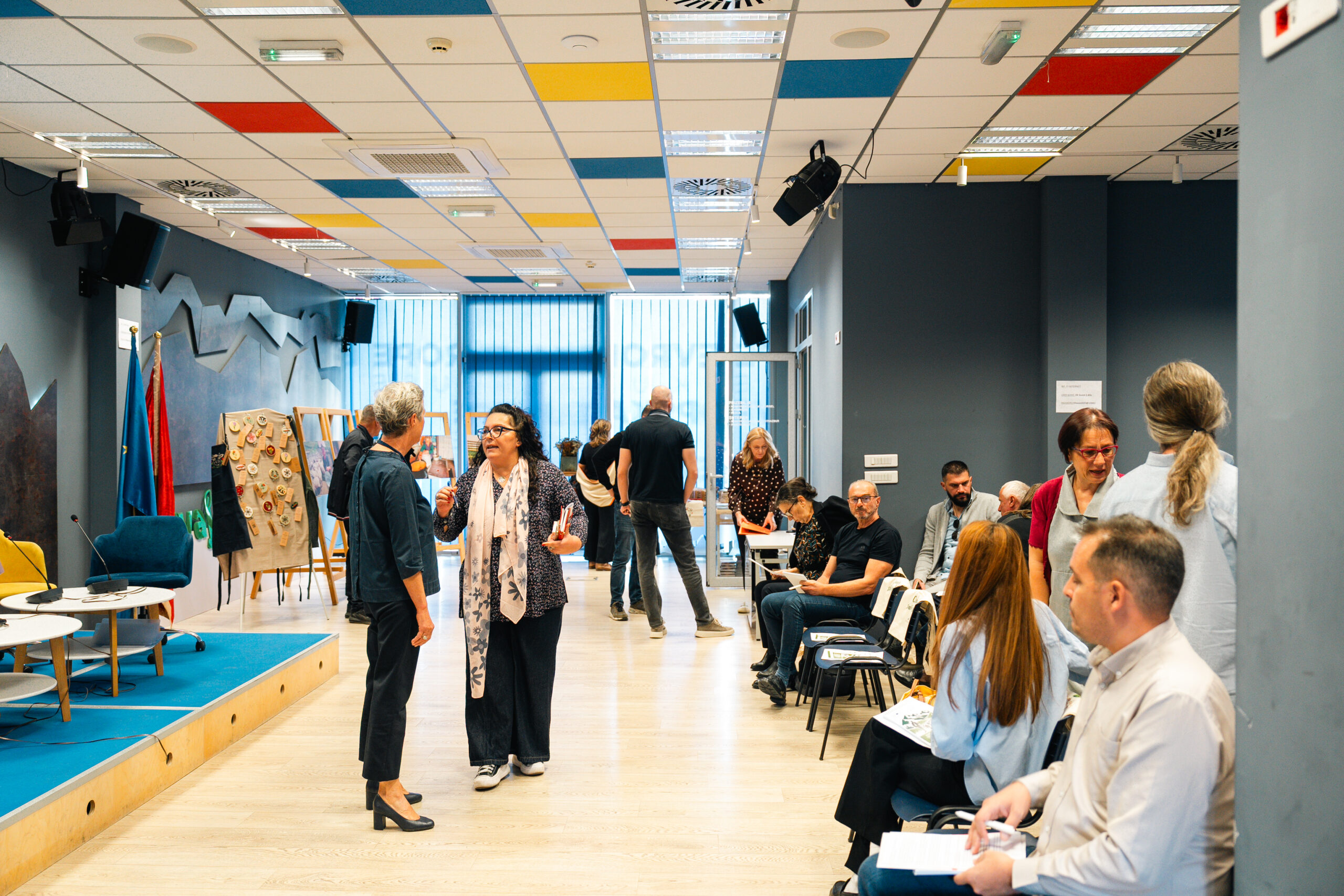
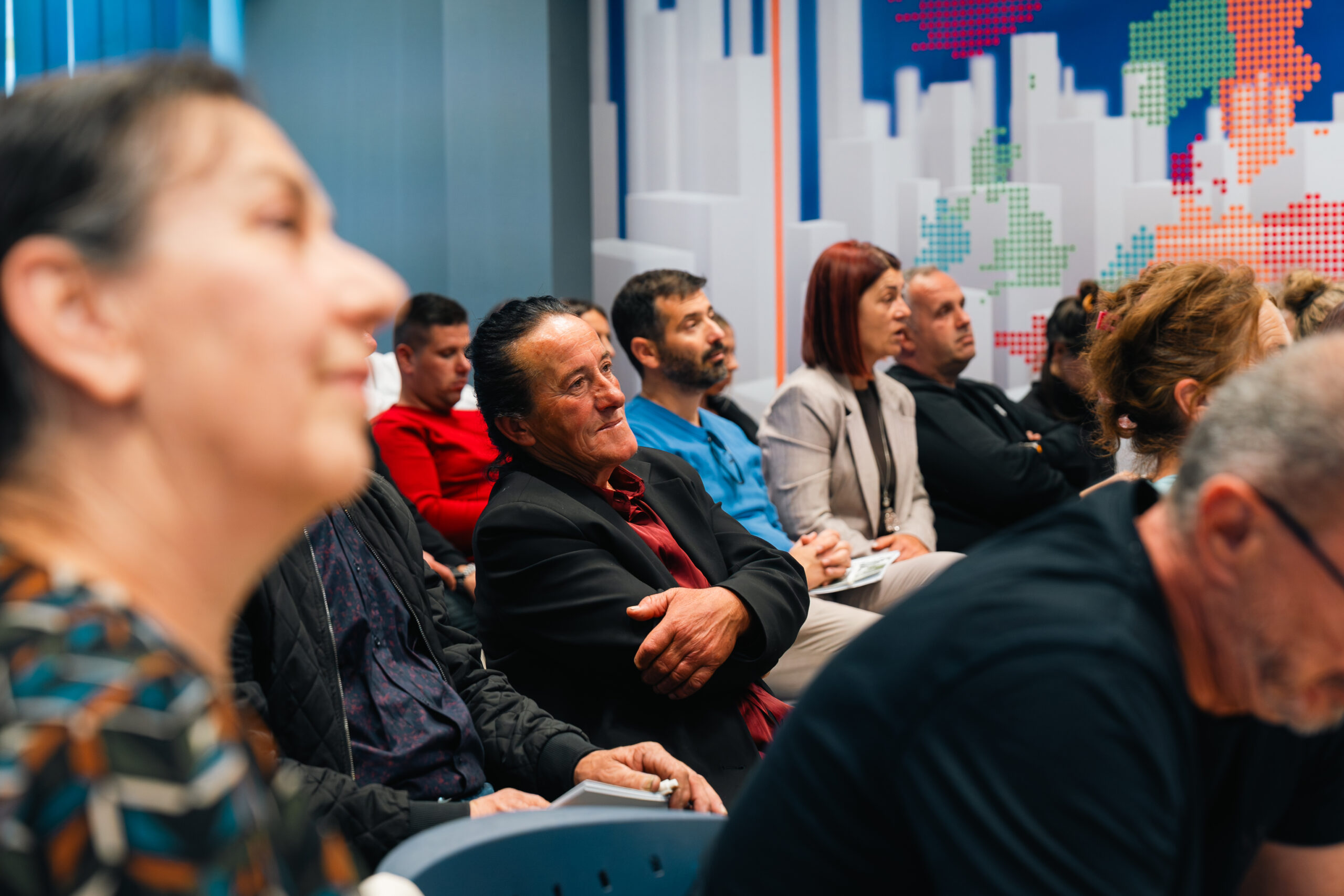
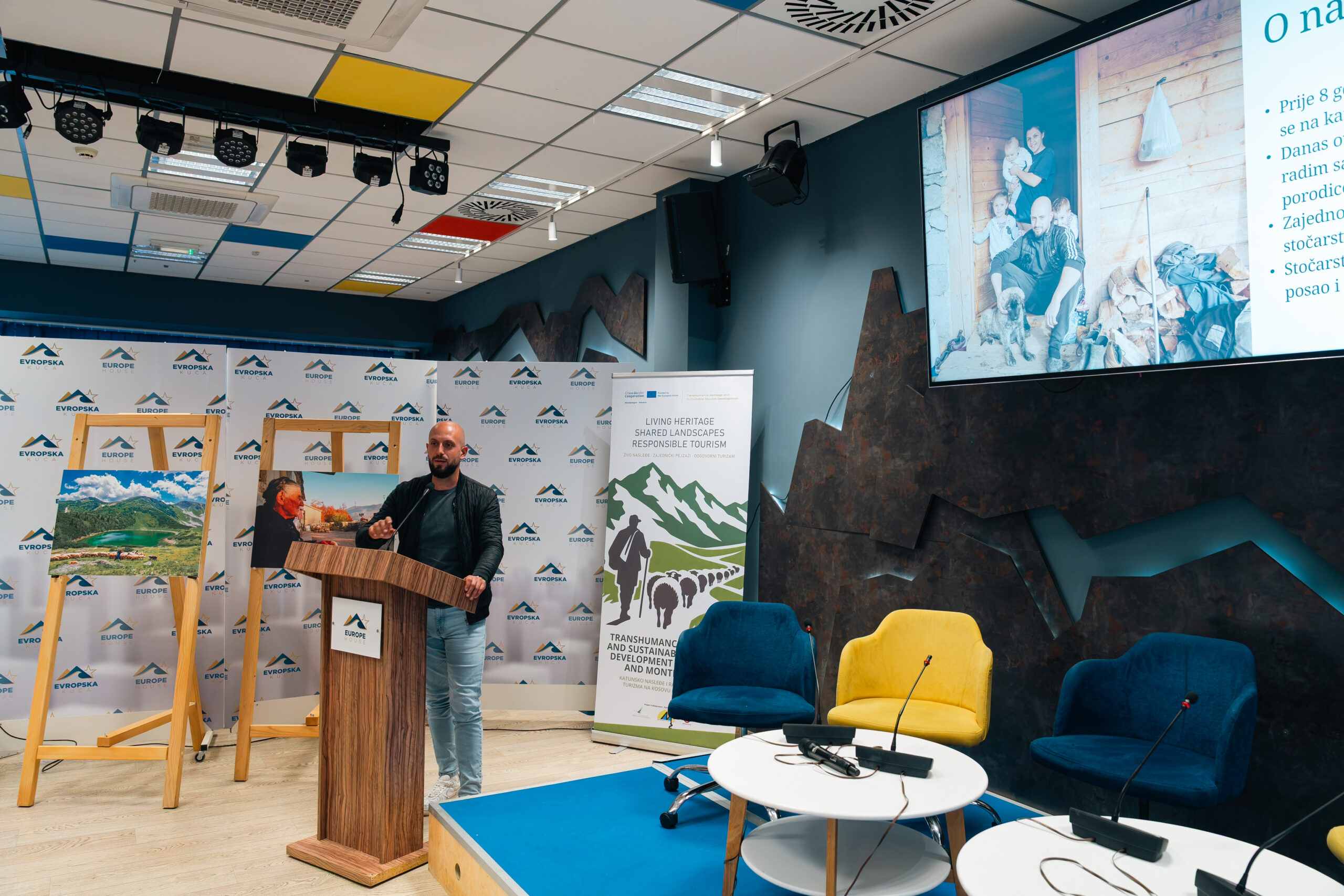
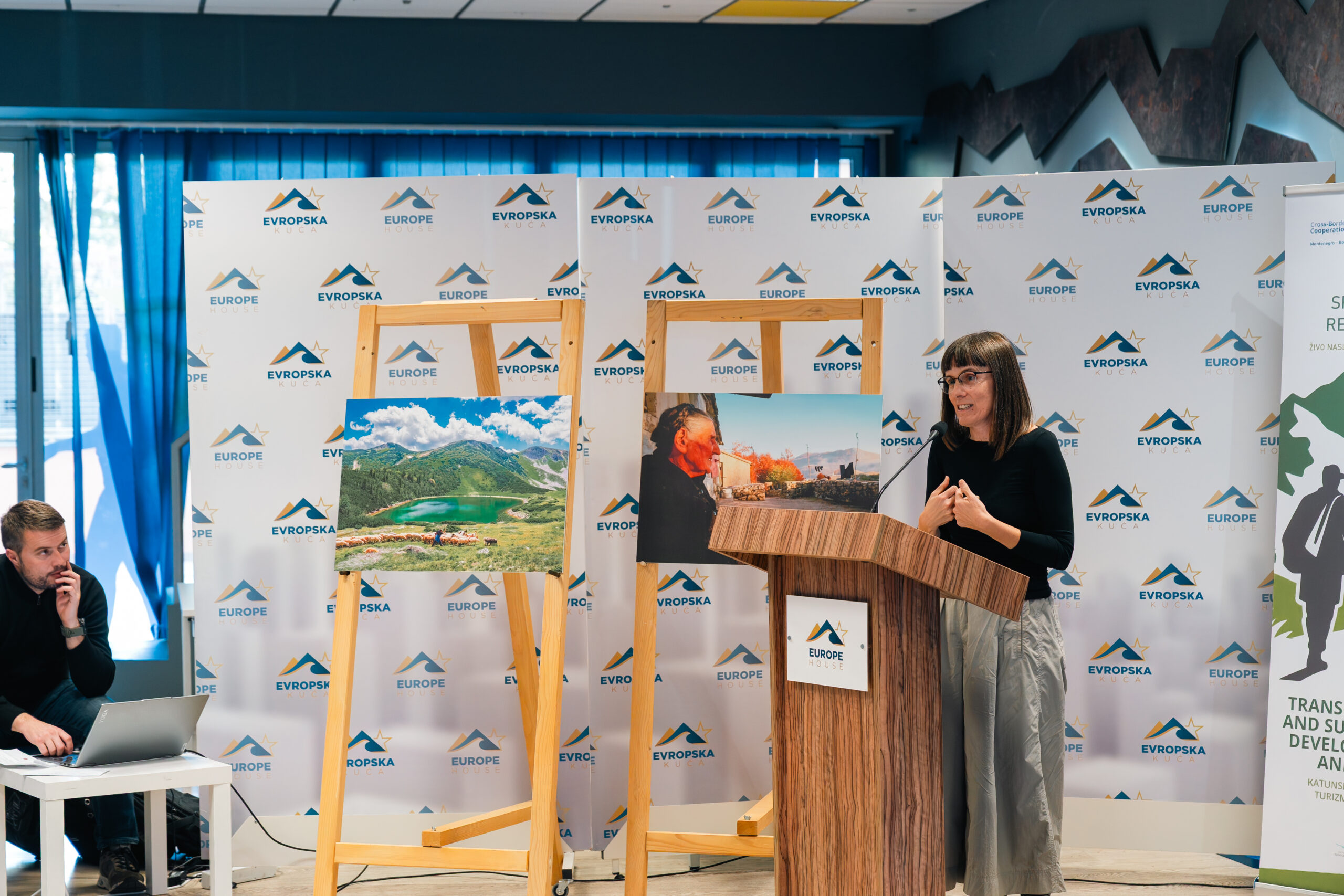
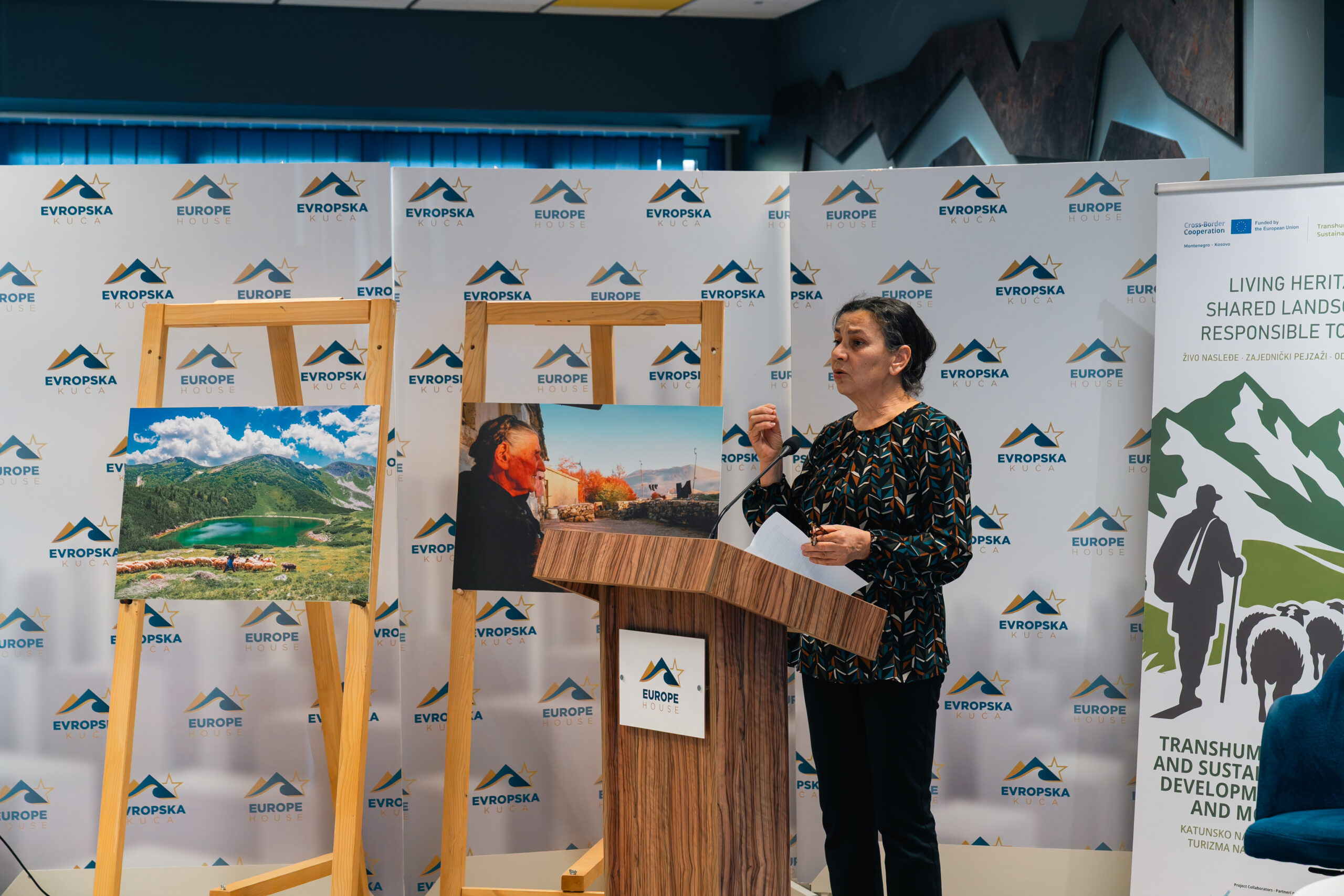
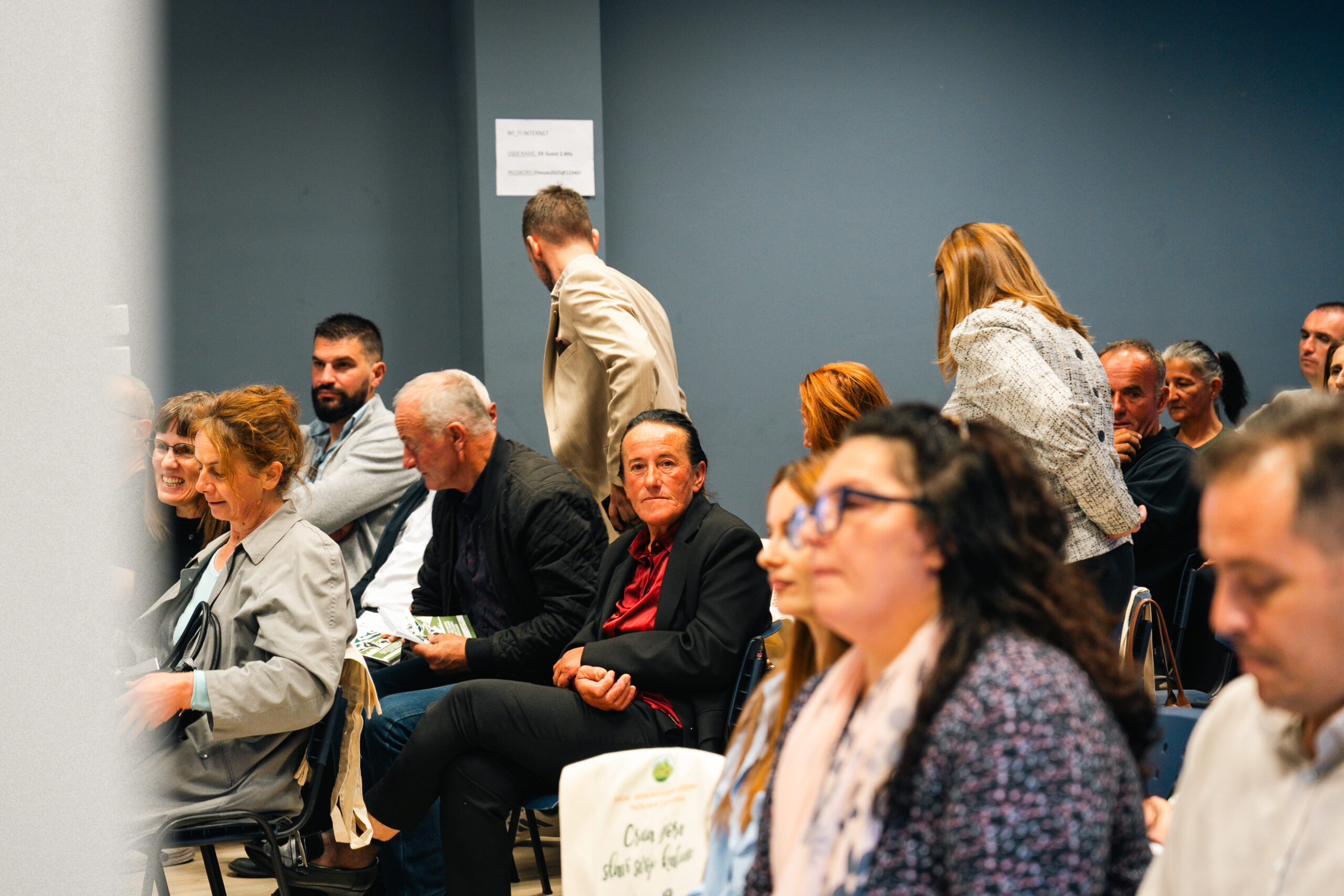
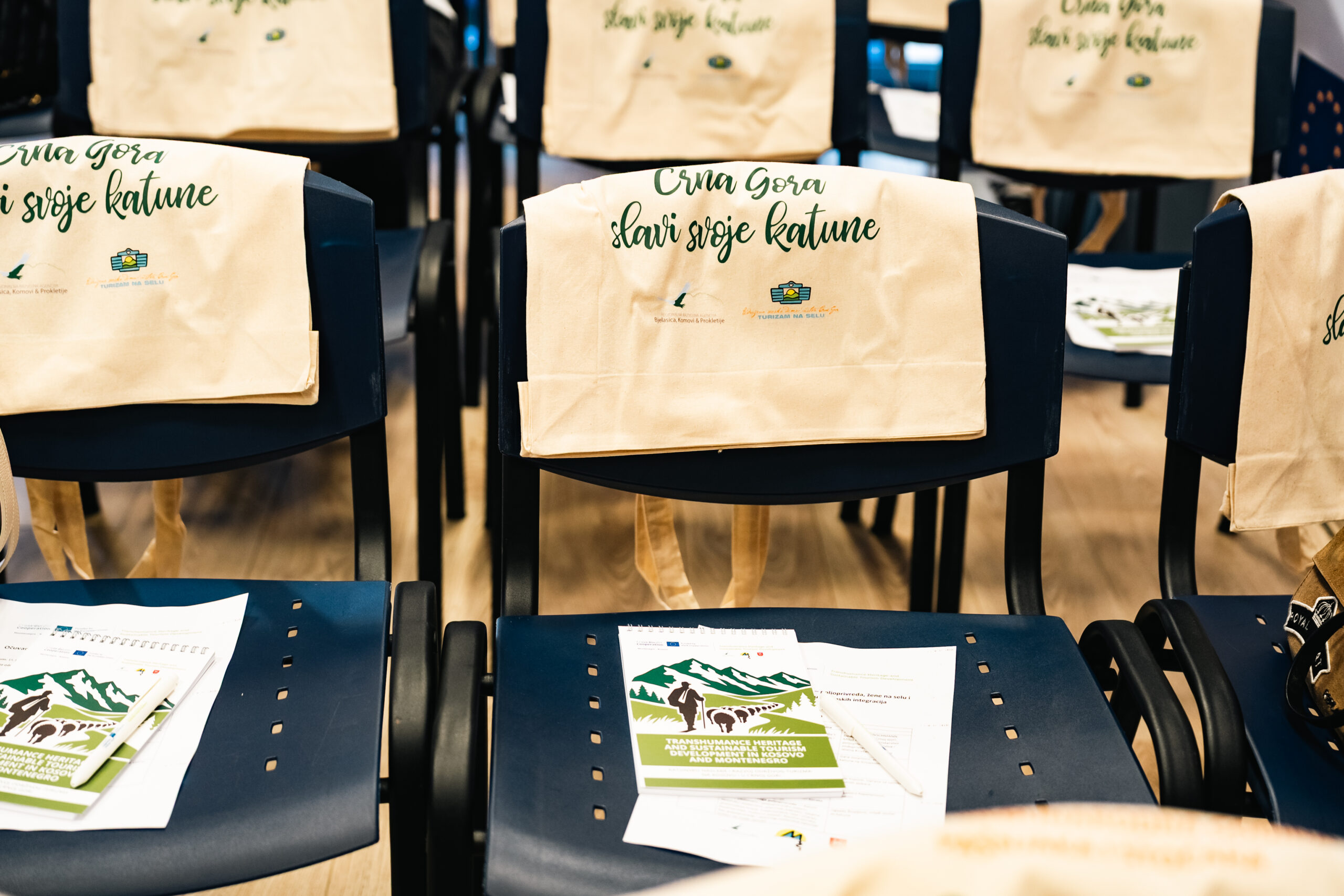
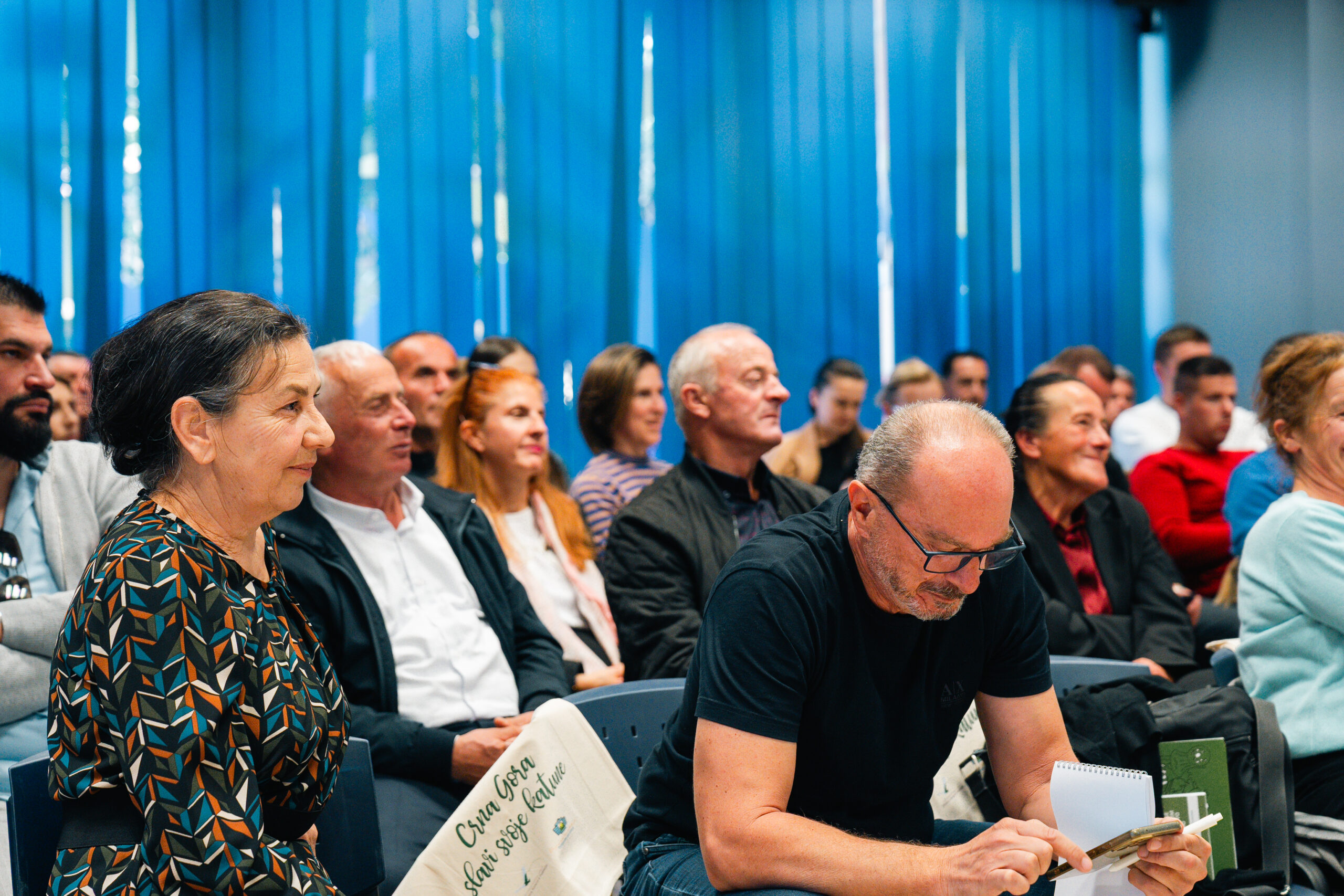
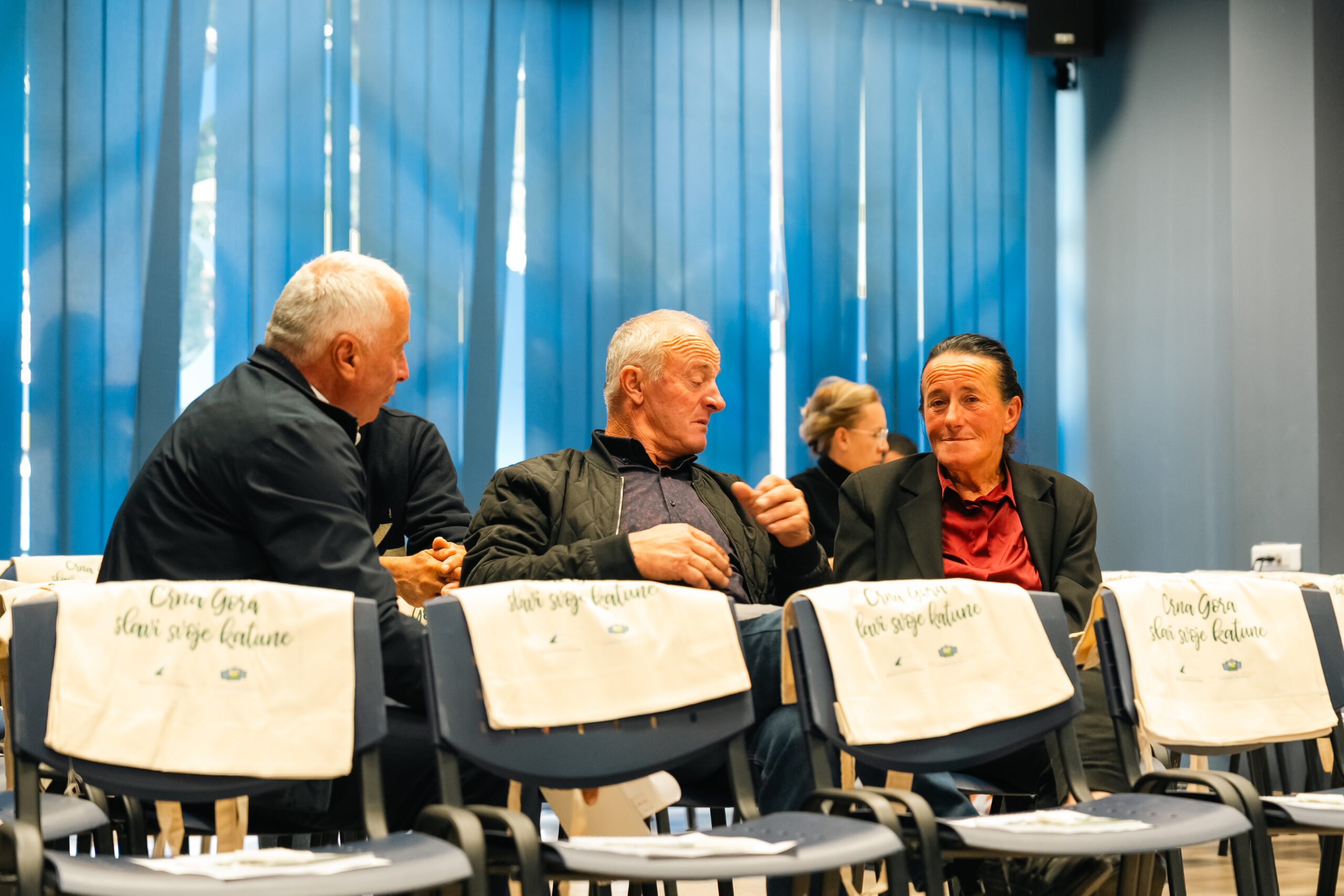
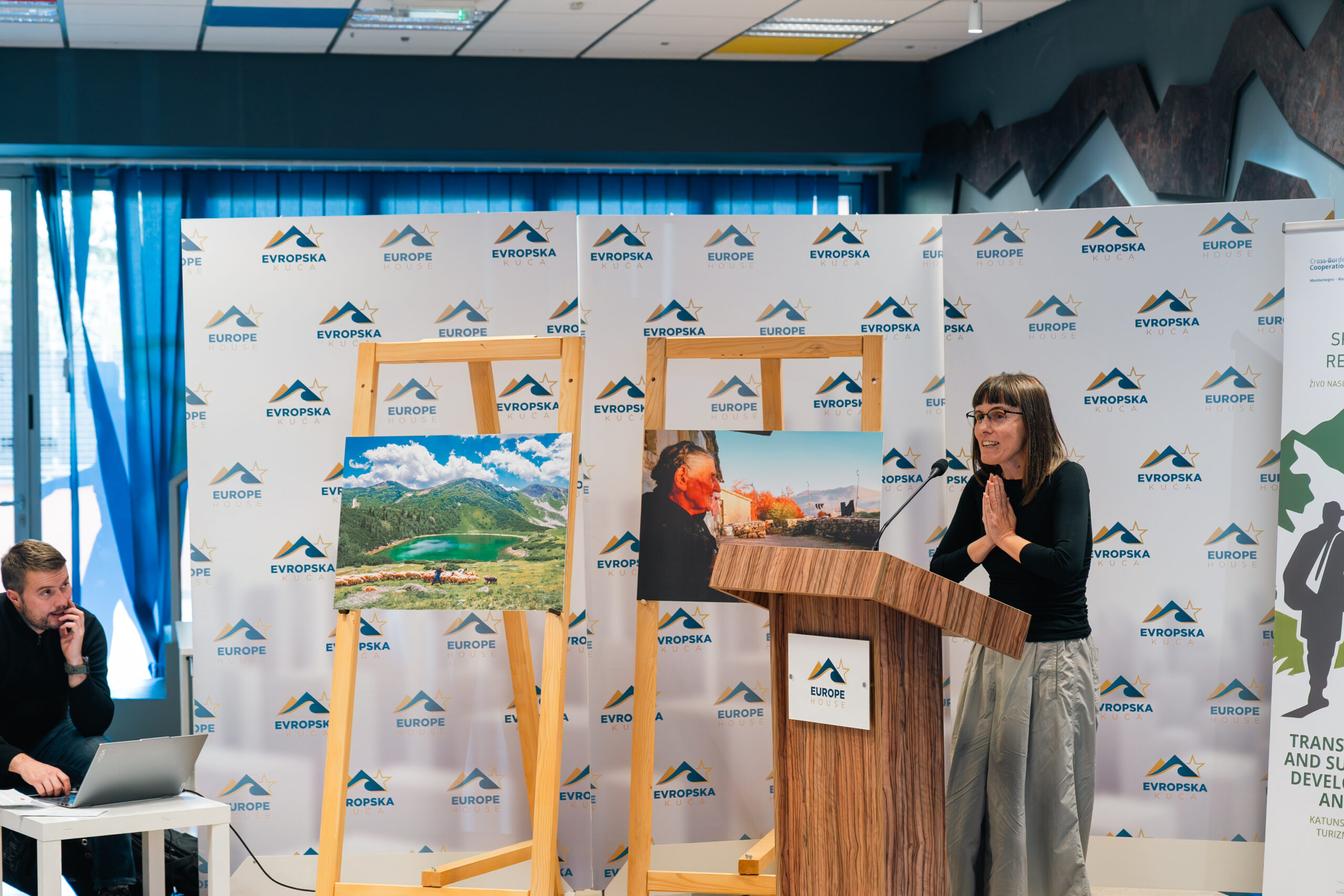
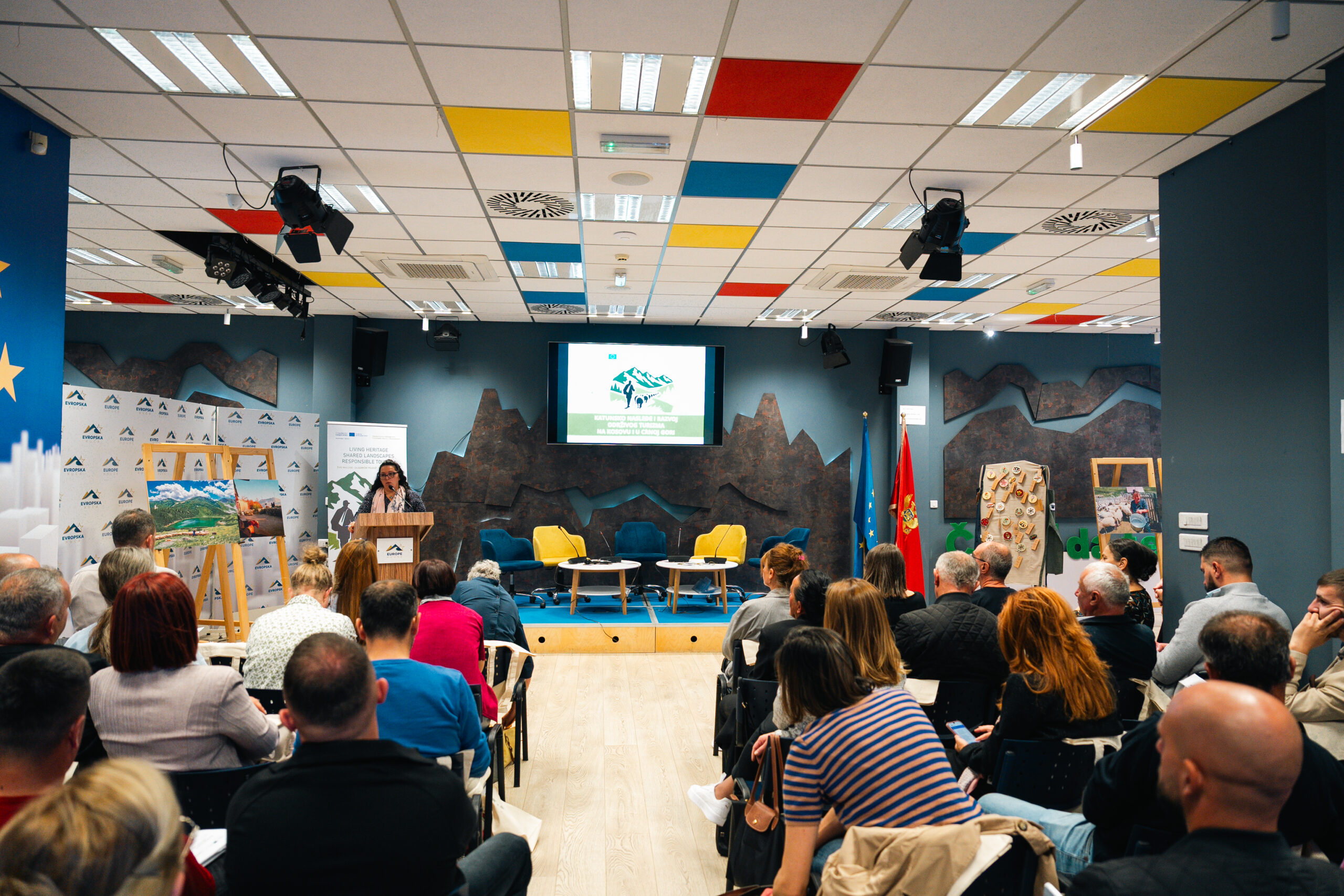
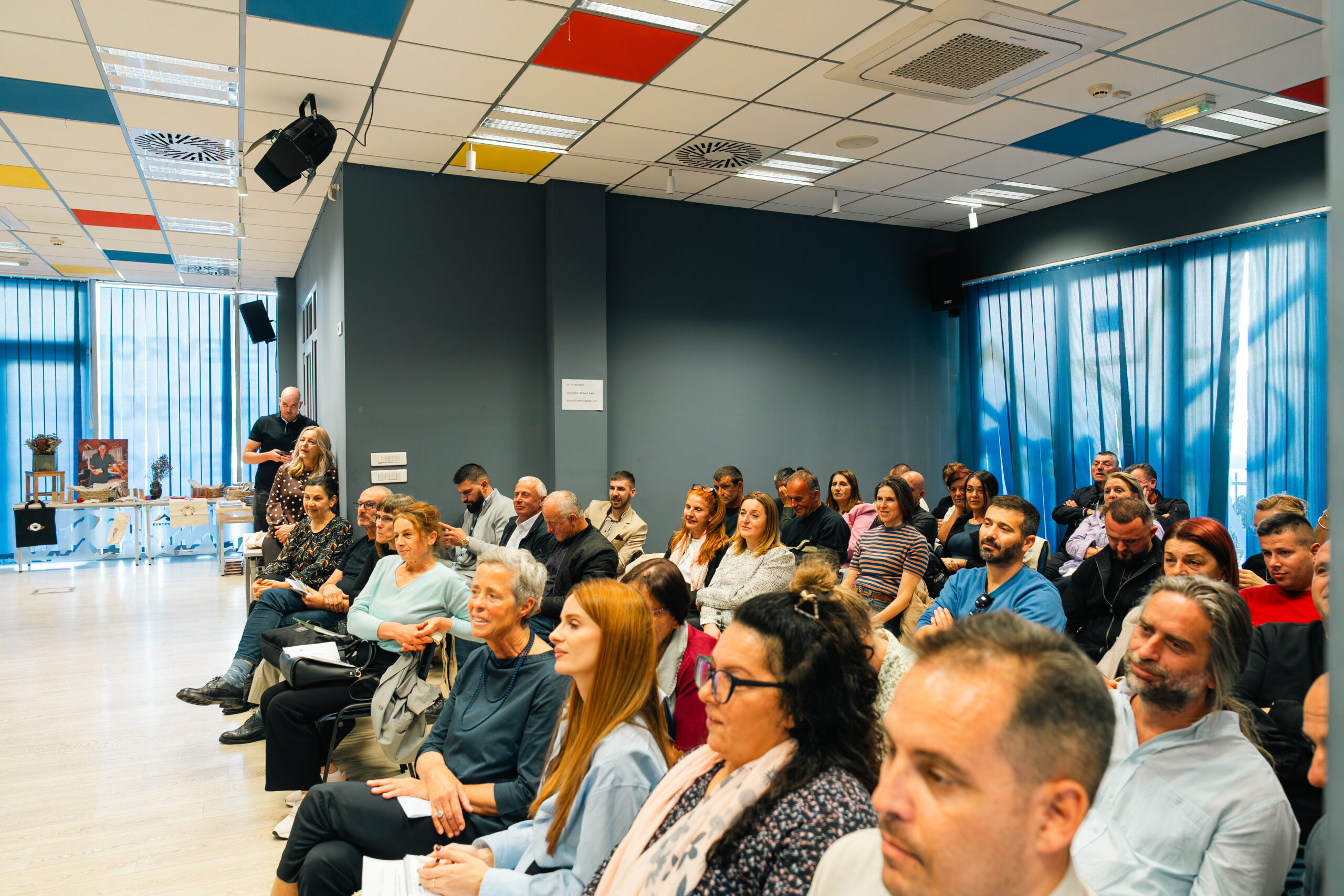
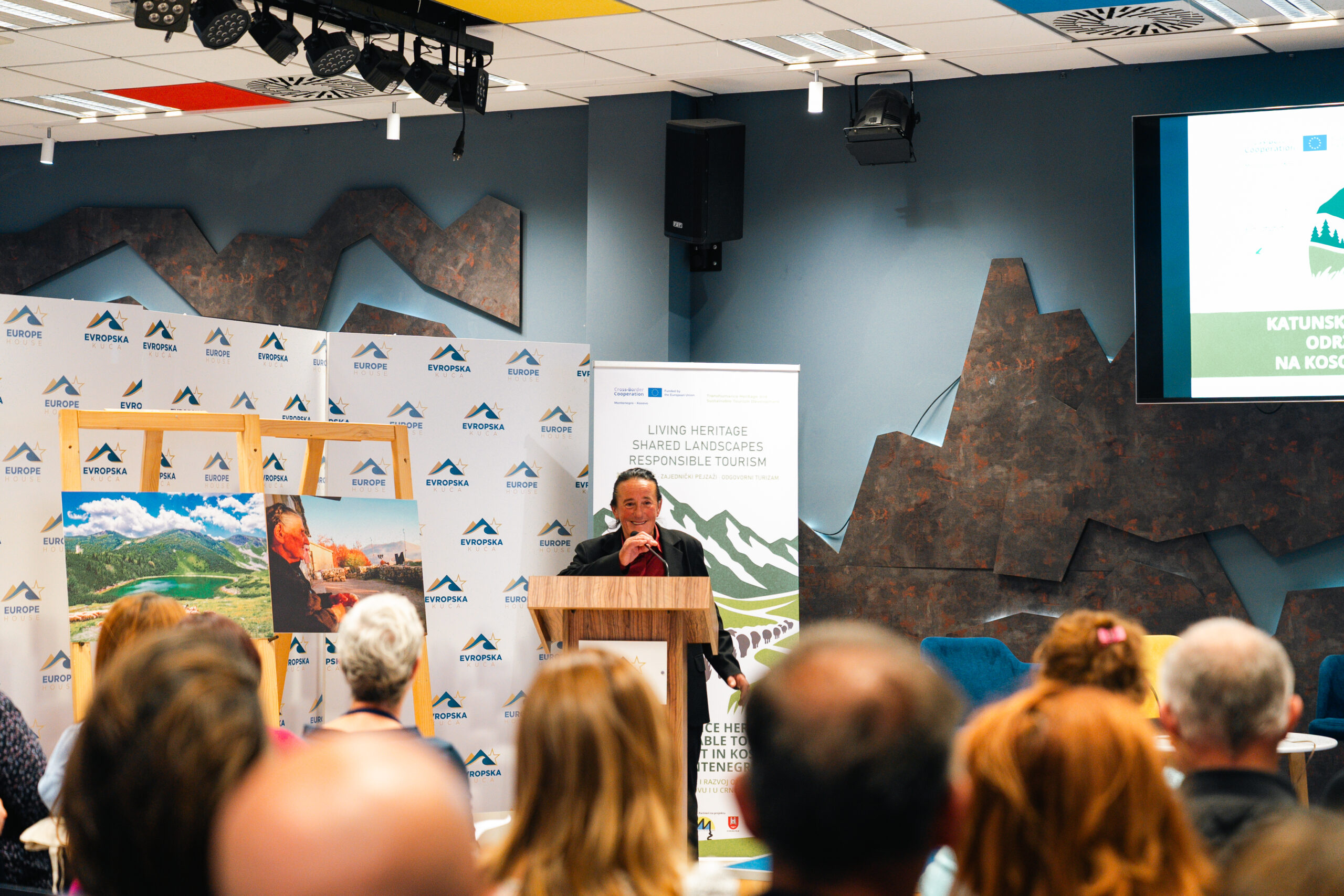
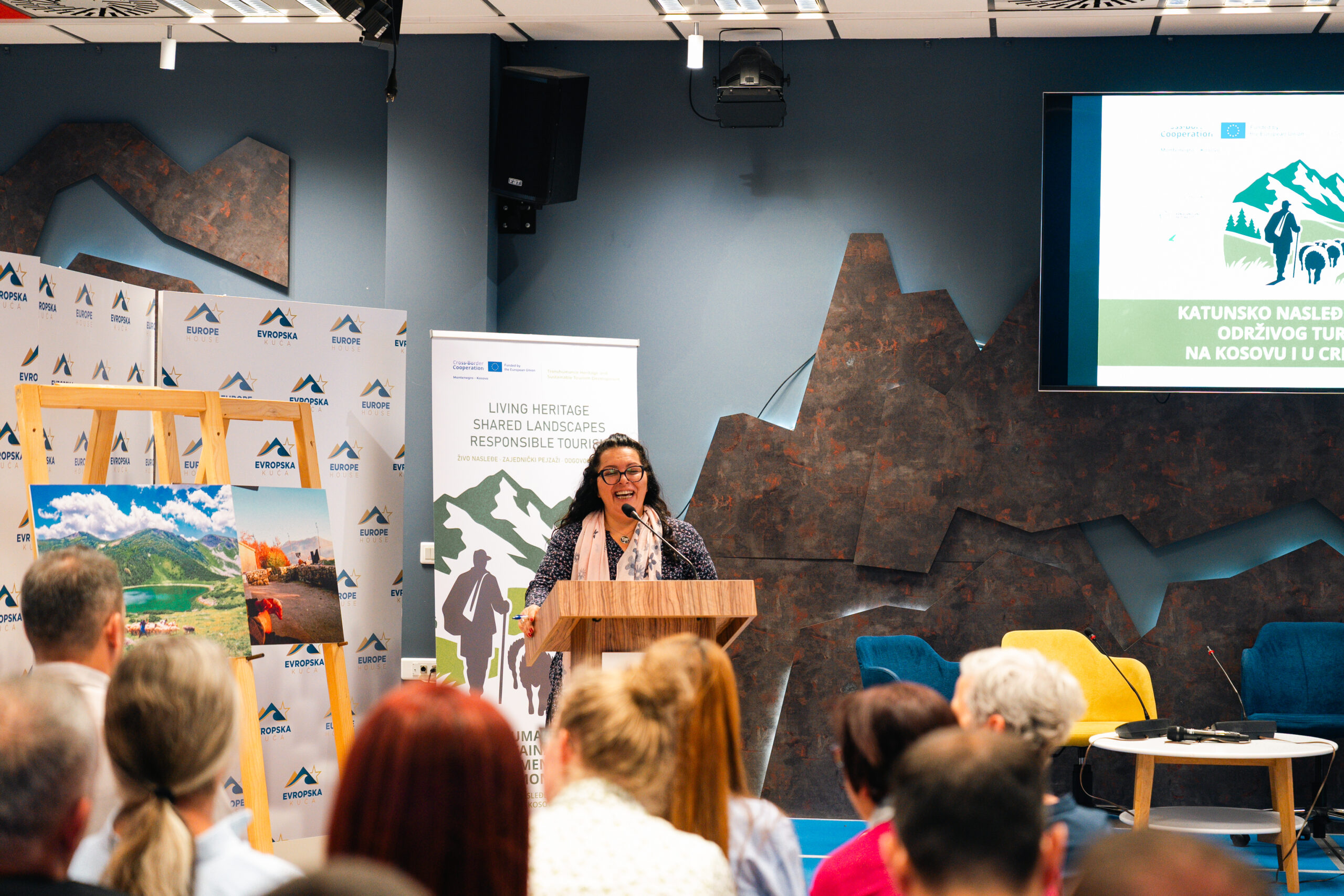
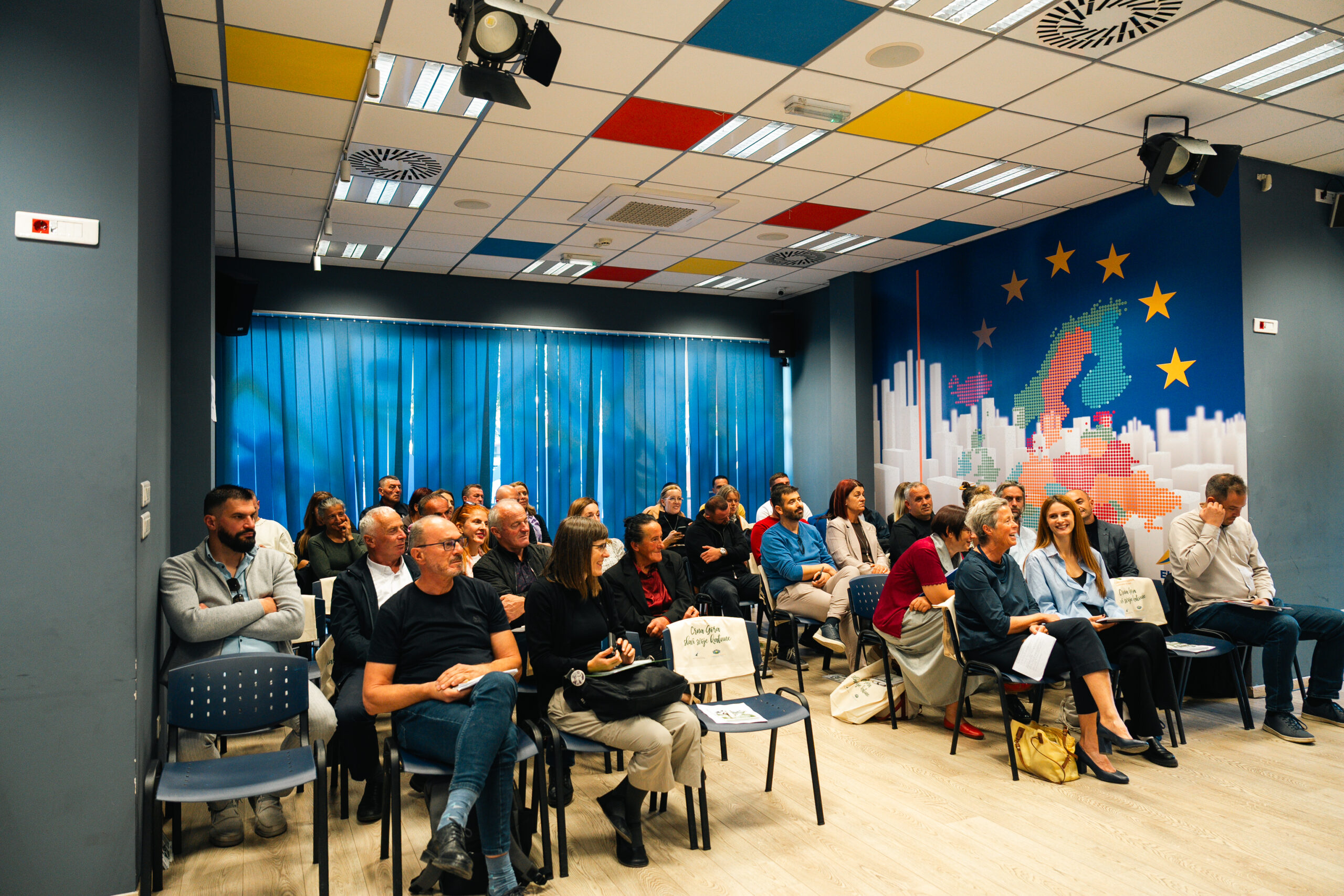
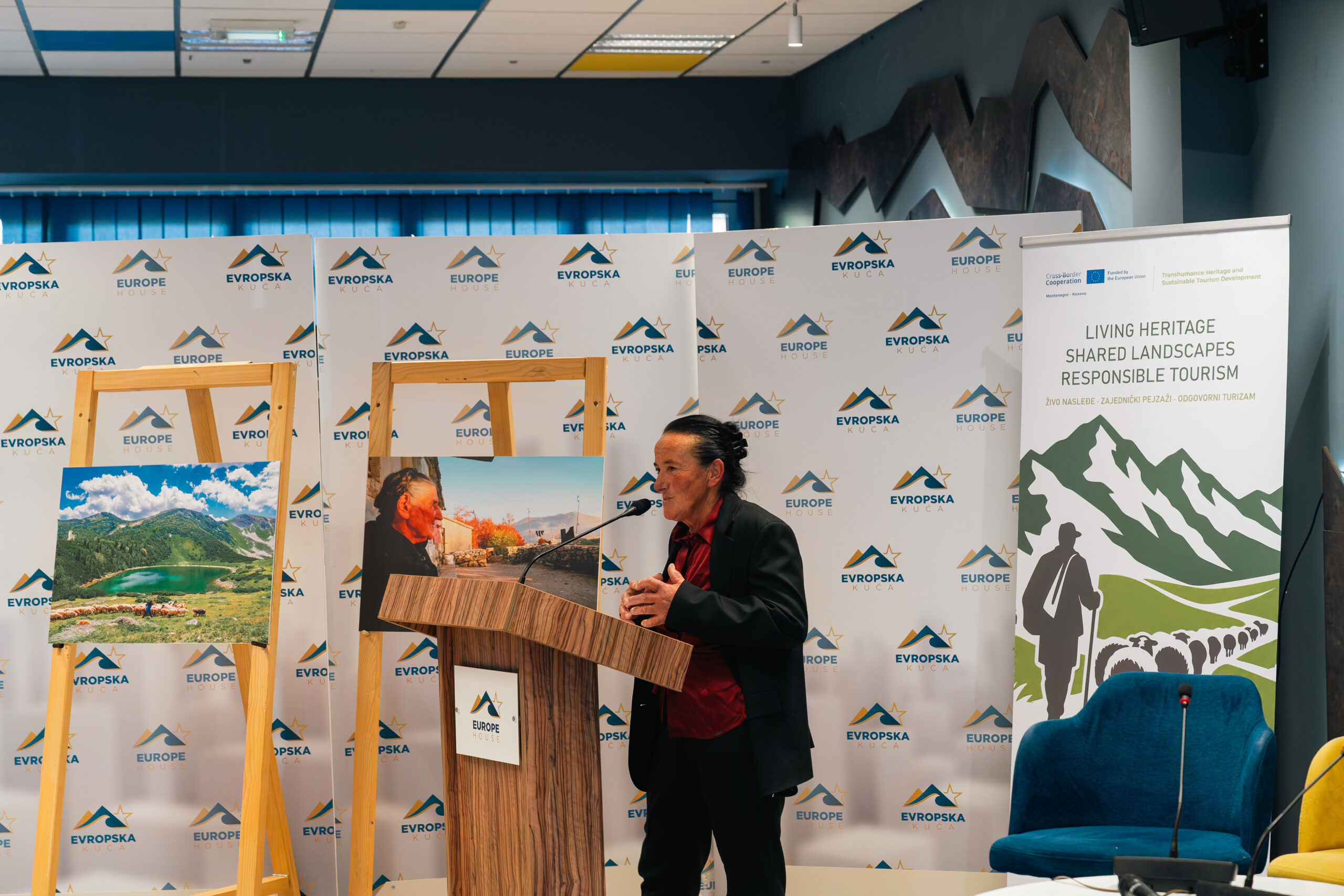
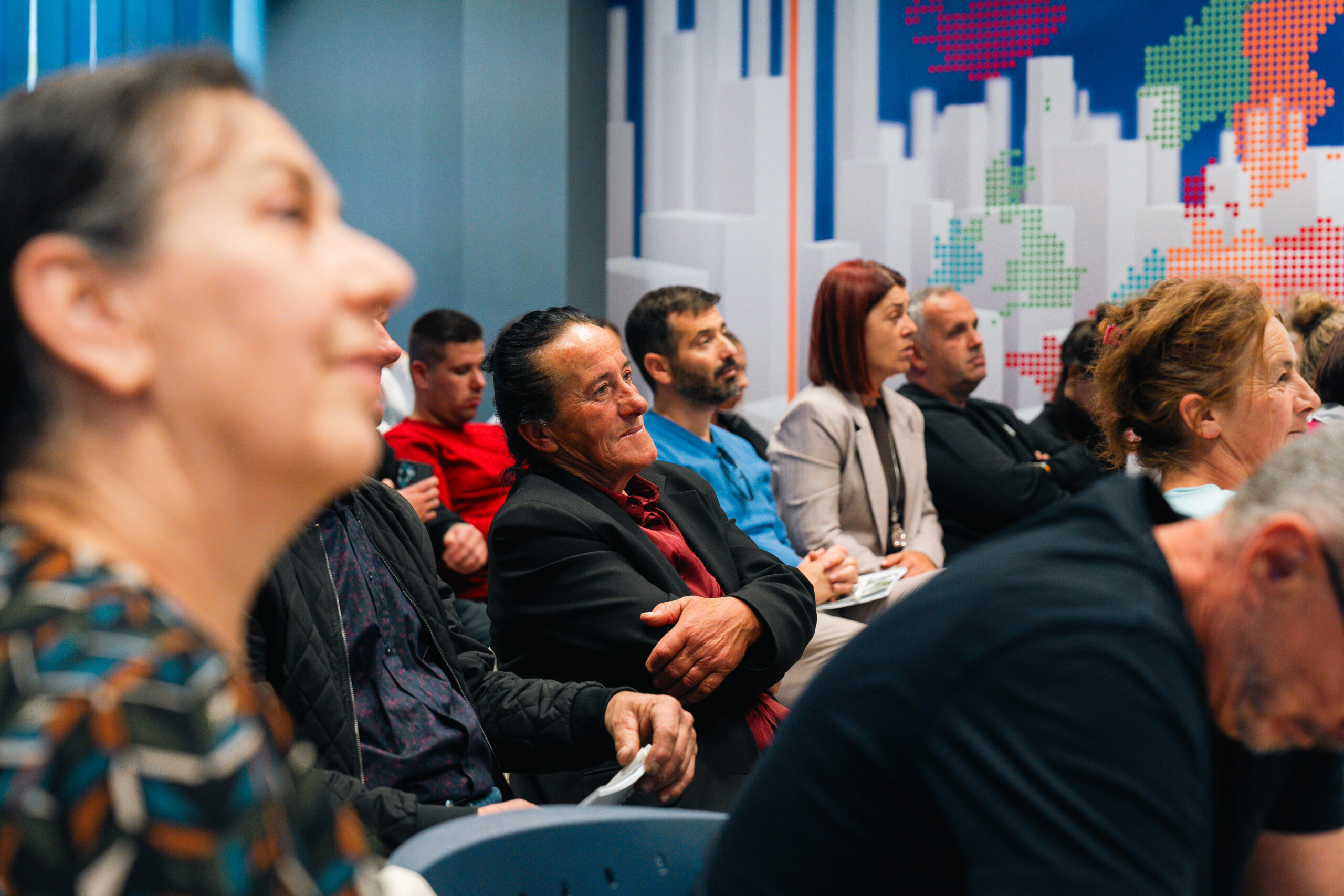
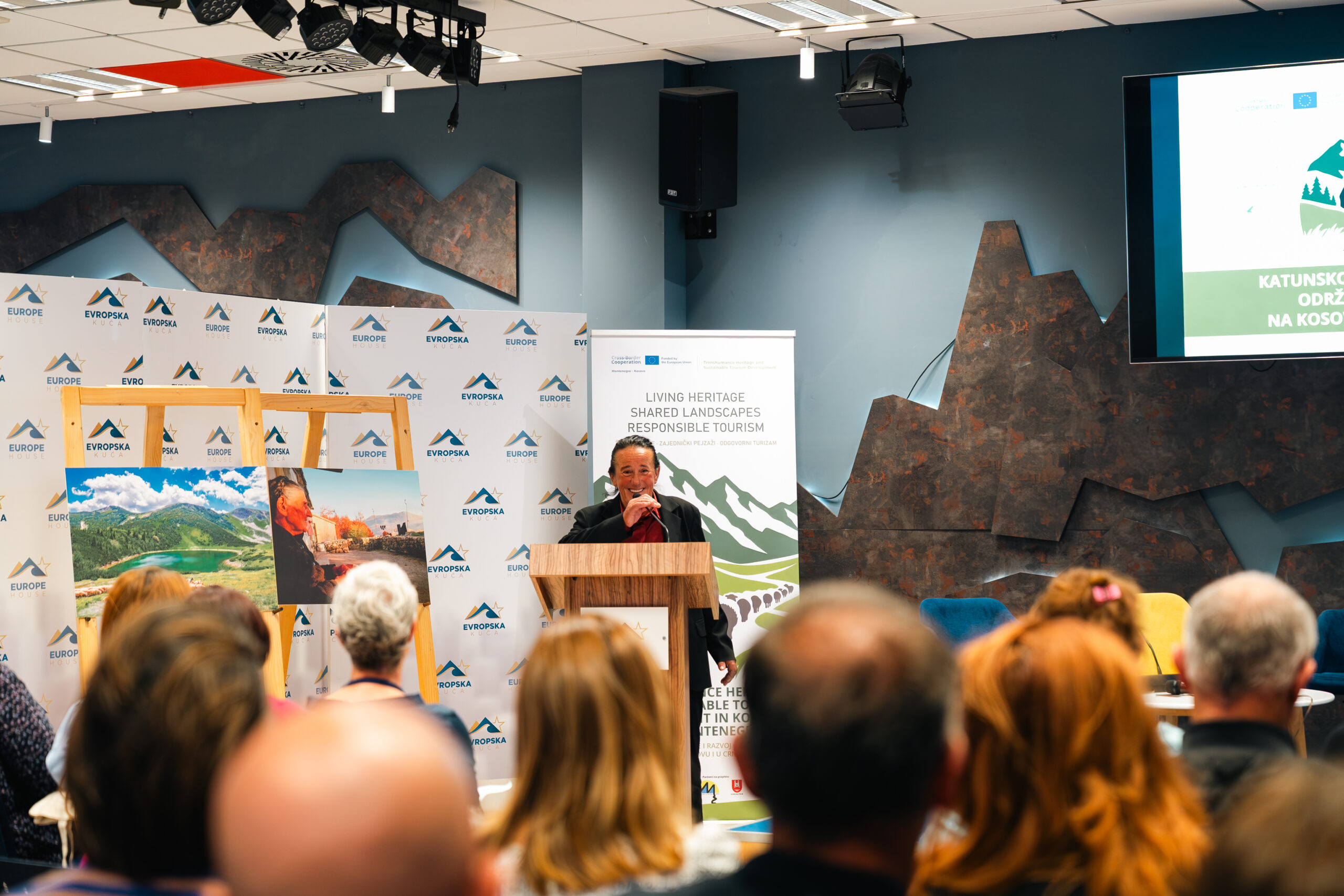
More than 50 participants gathered on 15 October at the Europe House in Podgorica for the conference “Keeping Katuns Alive – Agriculture, Rural Women and Sustainable Tourism in the Context of European Integration”, dedicated to the future of Montenegro’s katun heritage.
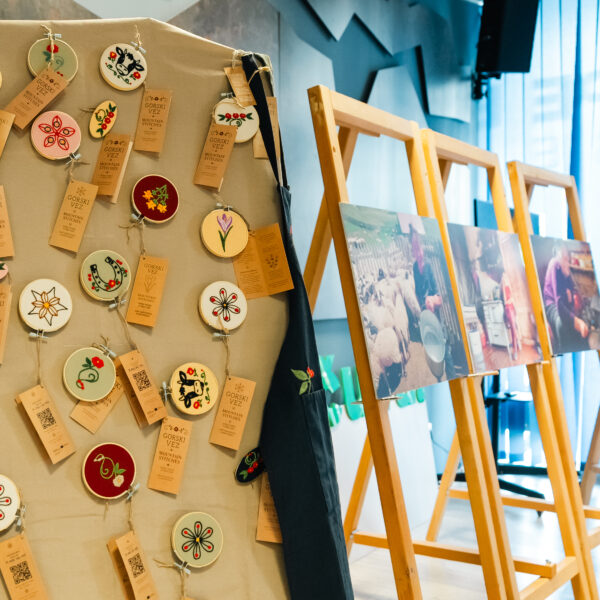
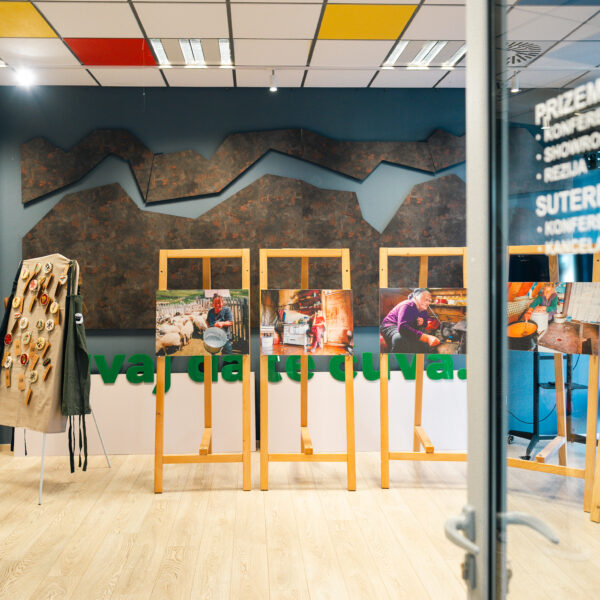
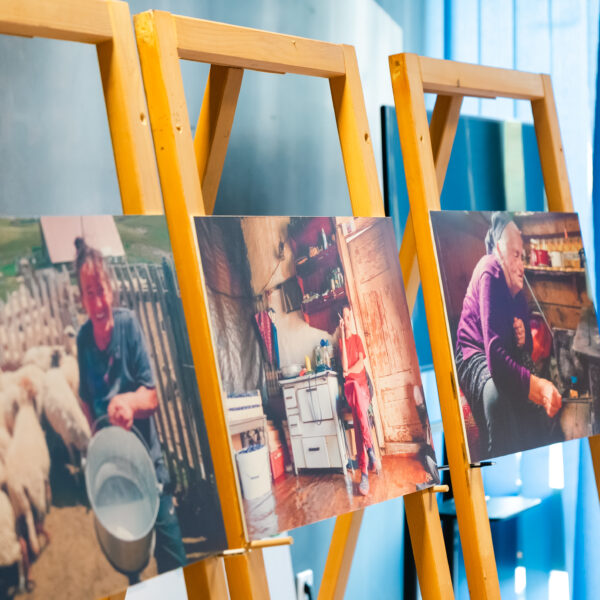
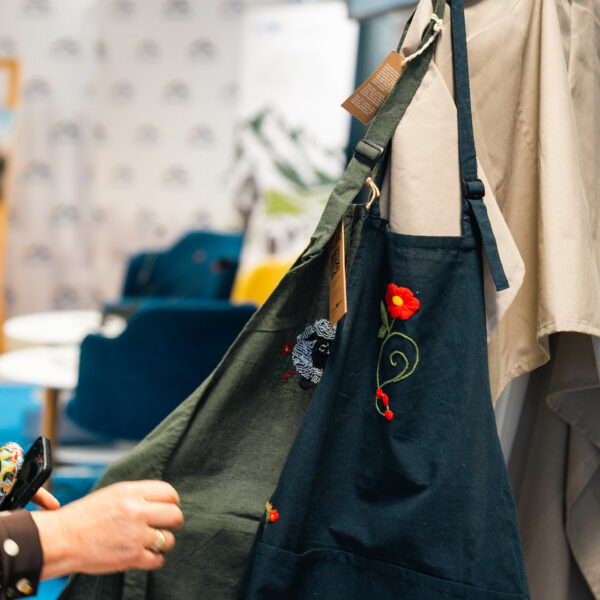
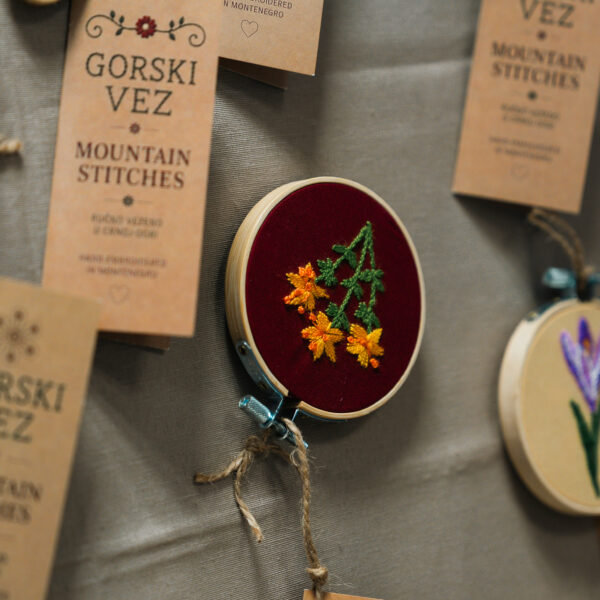
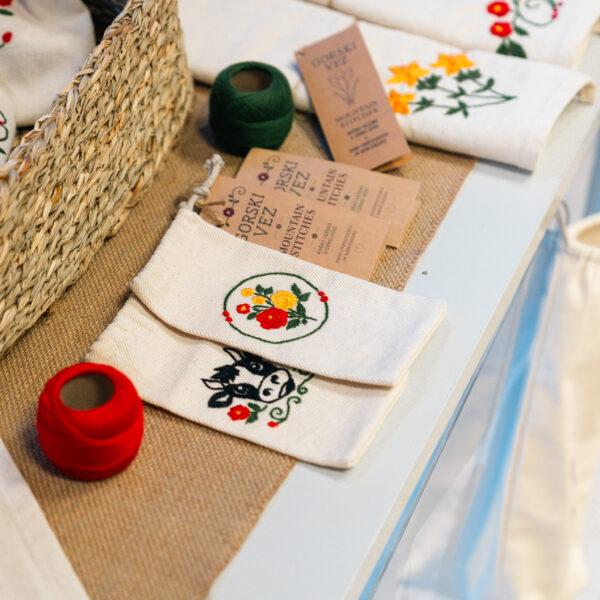
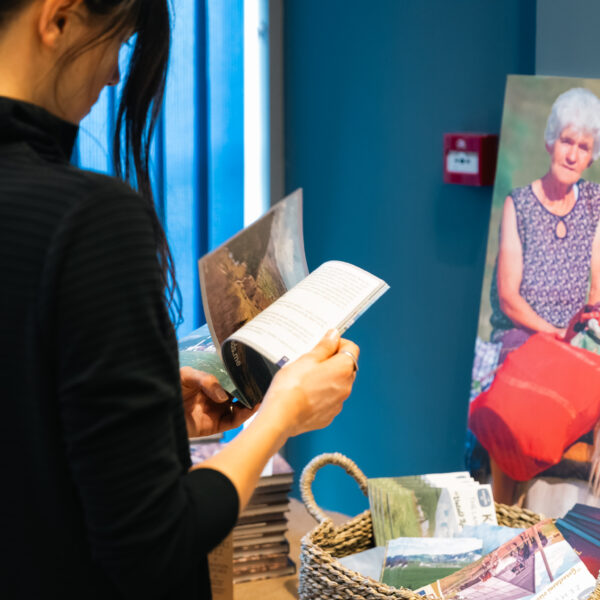
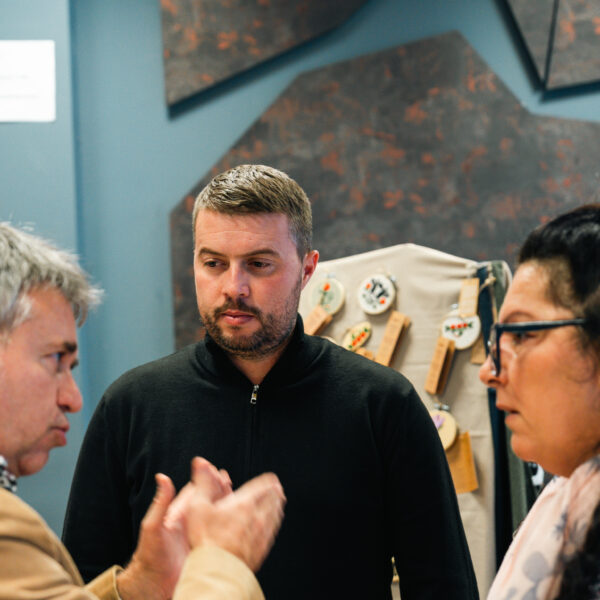
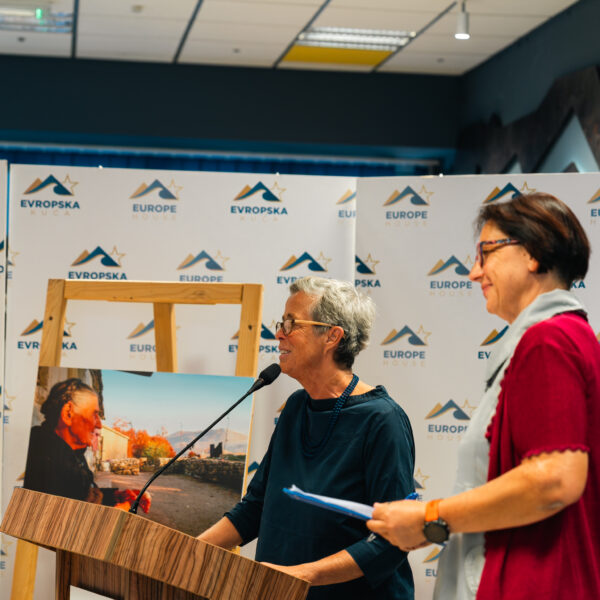
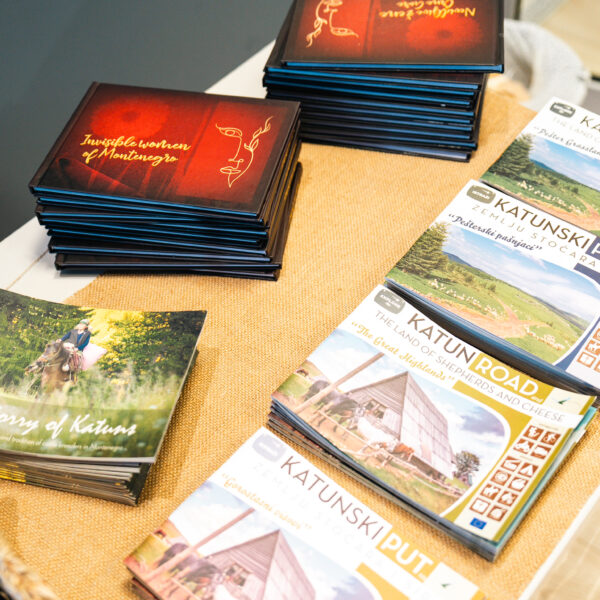
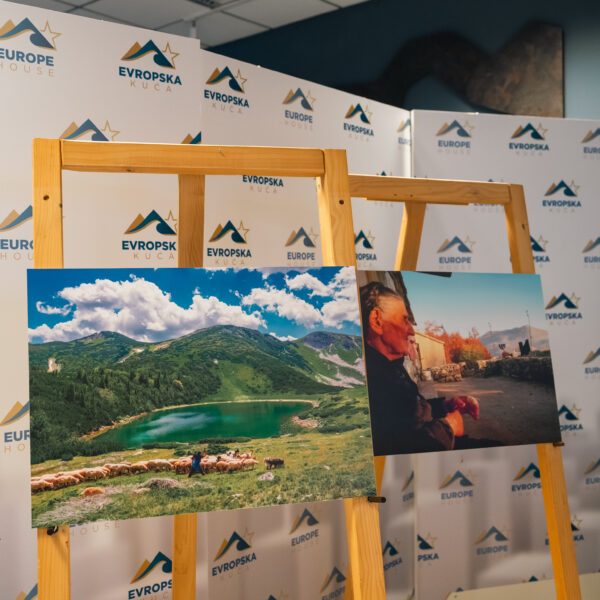
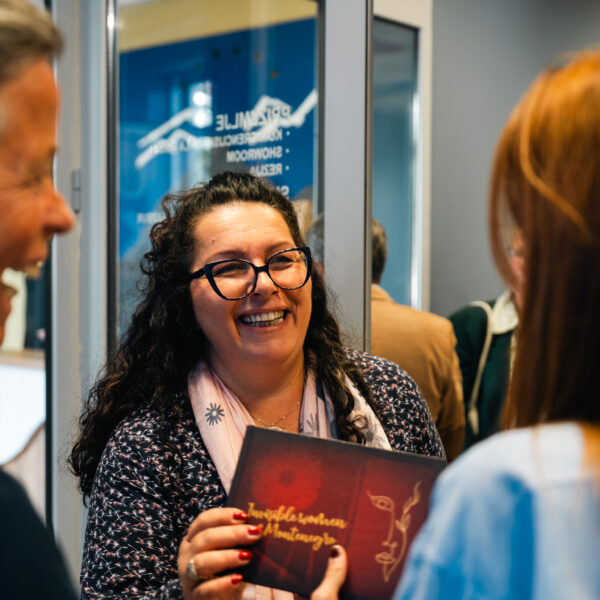
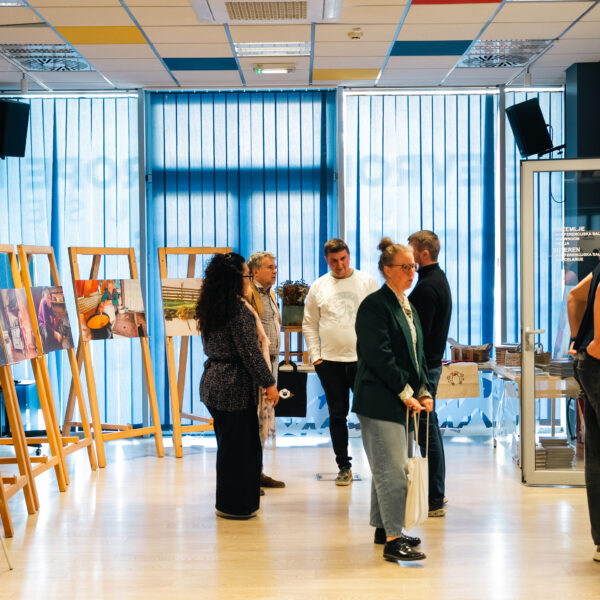
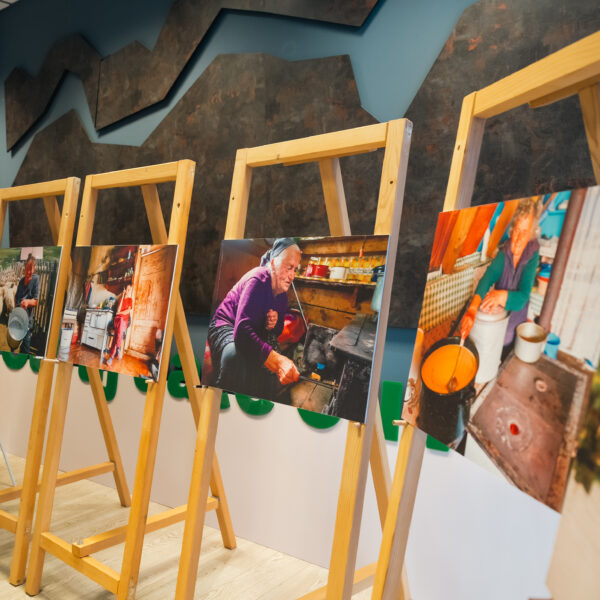
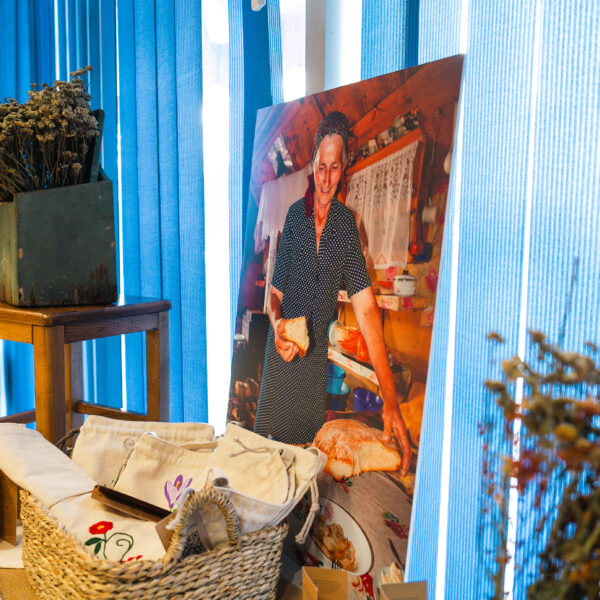
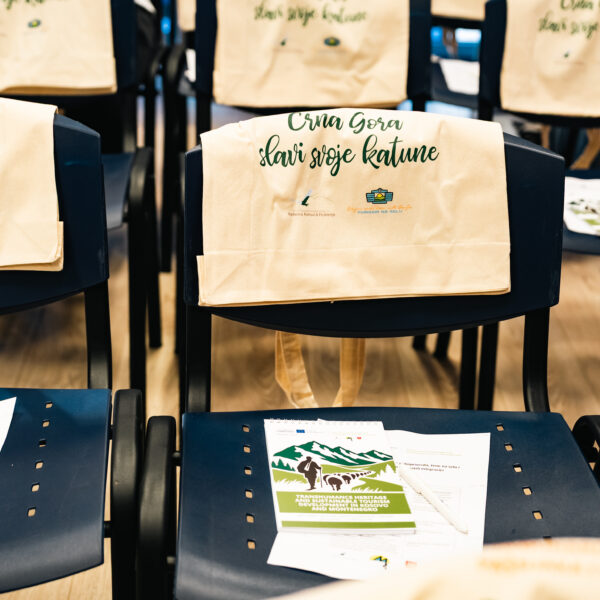
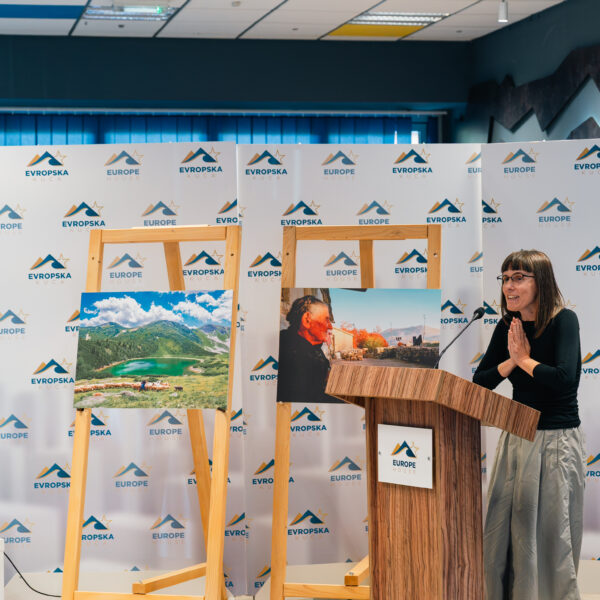
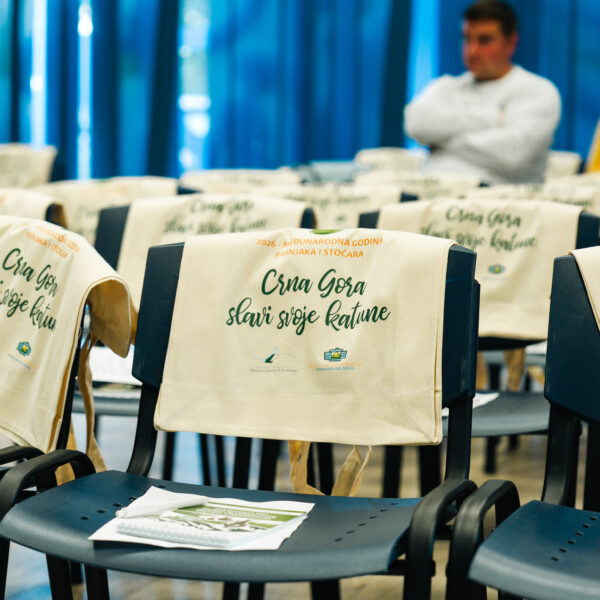
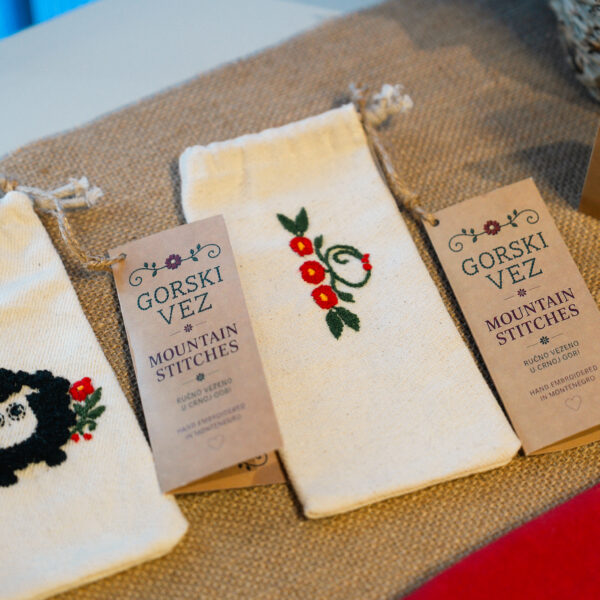
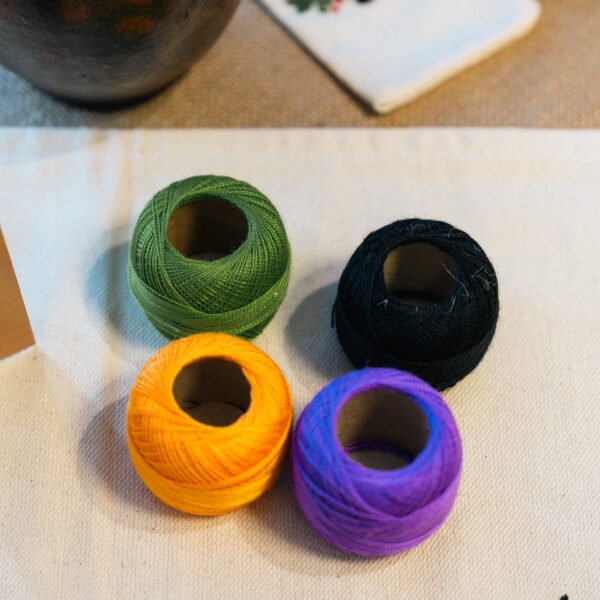
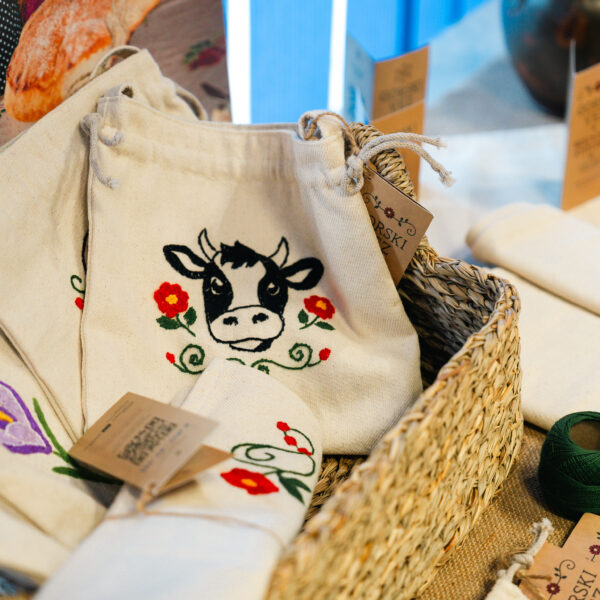
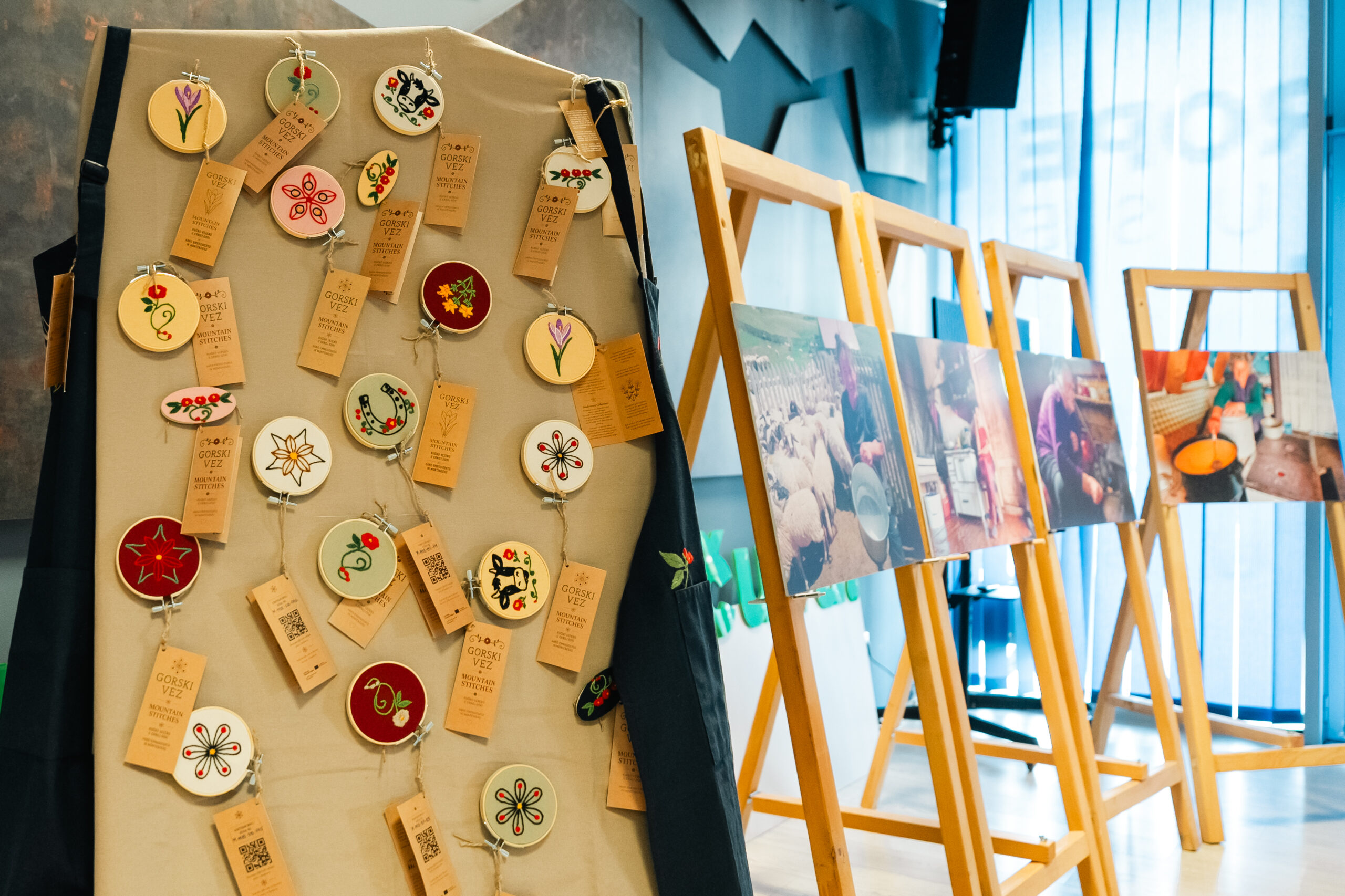
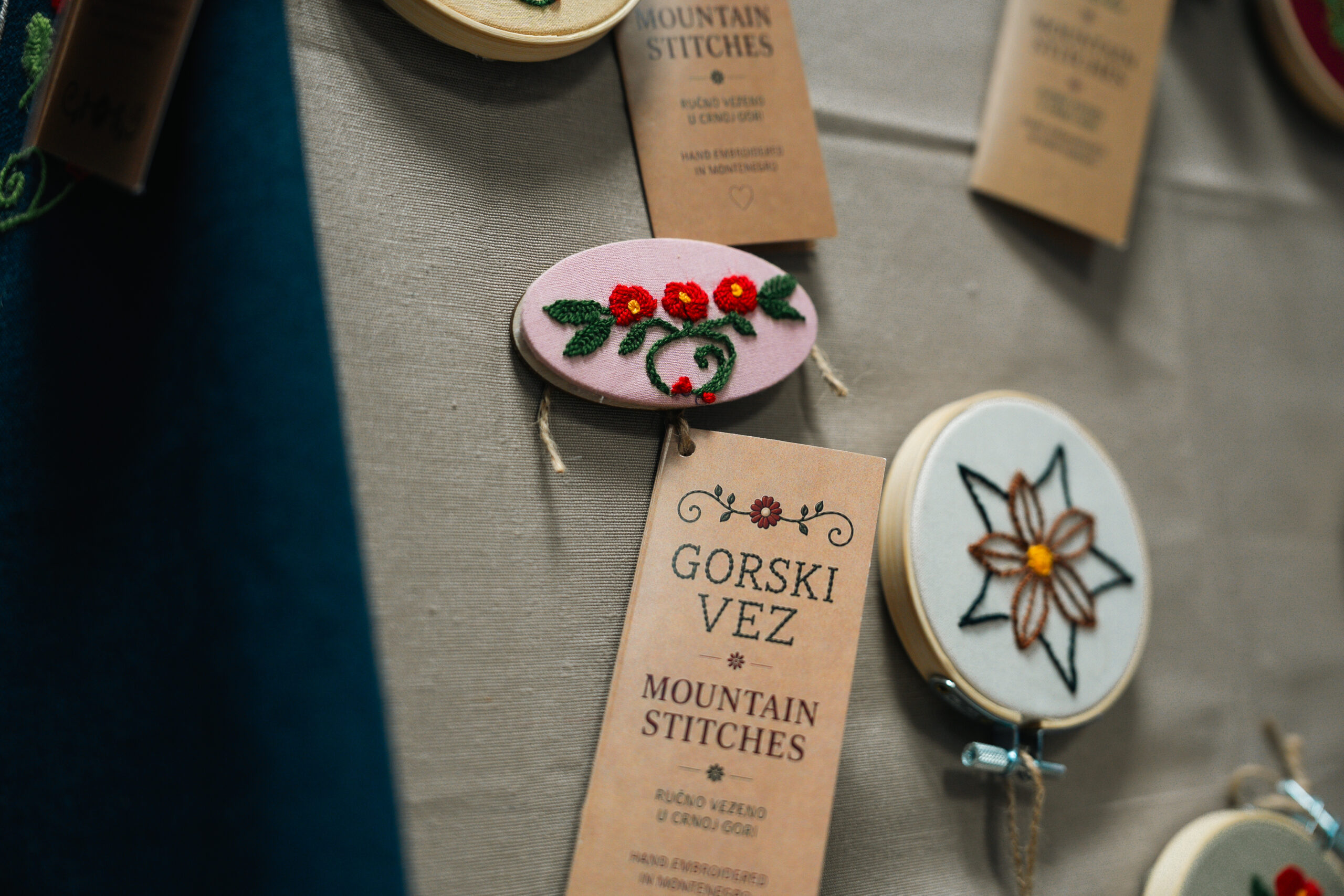
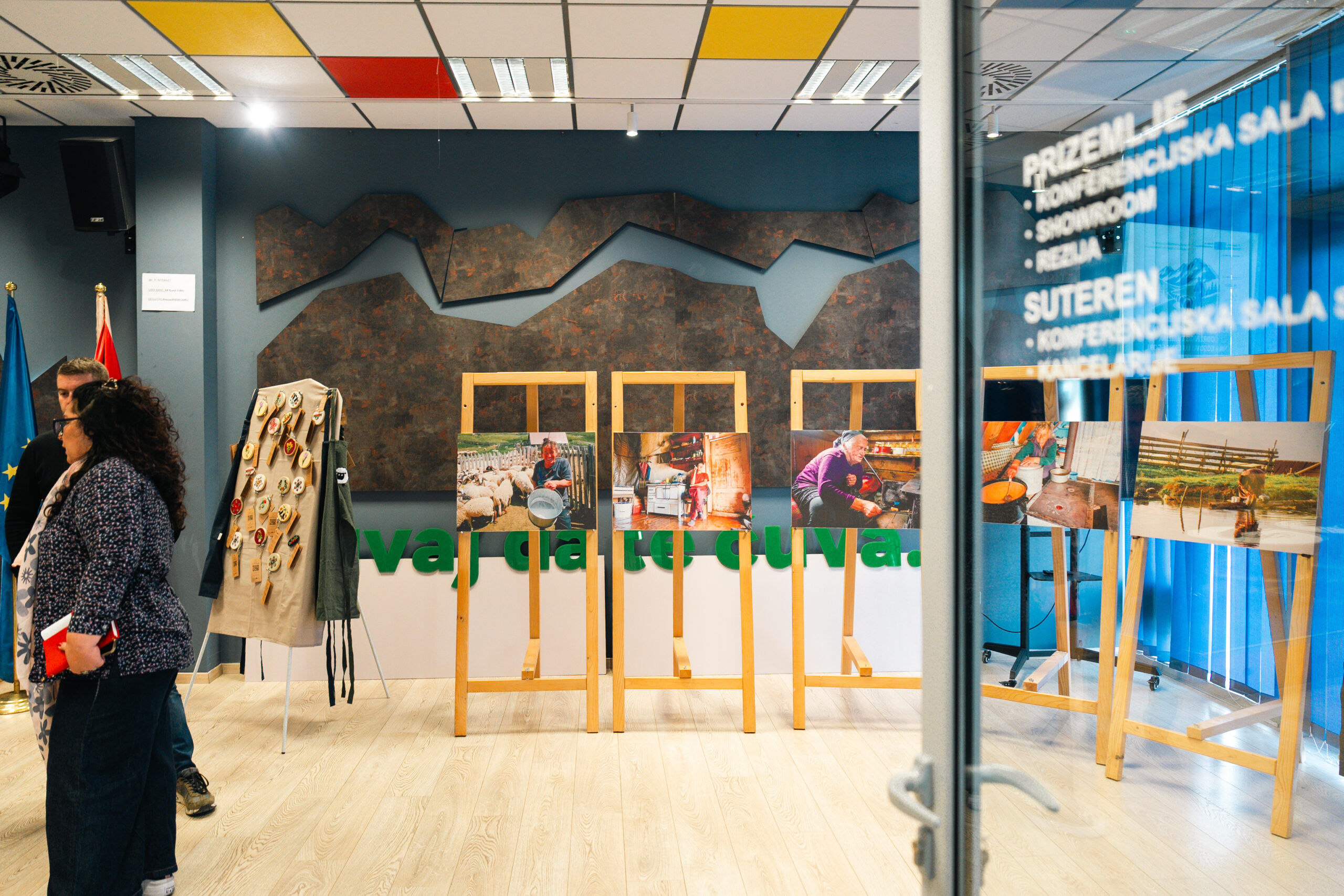
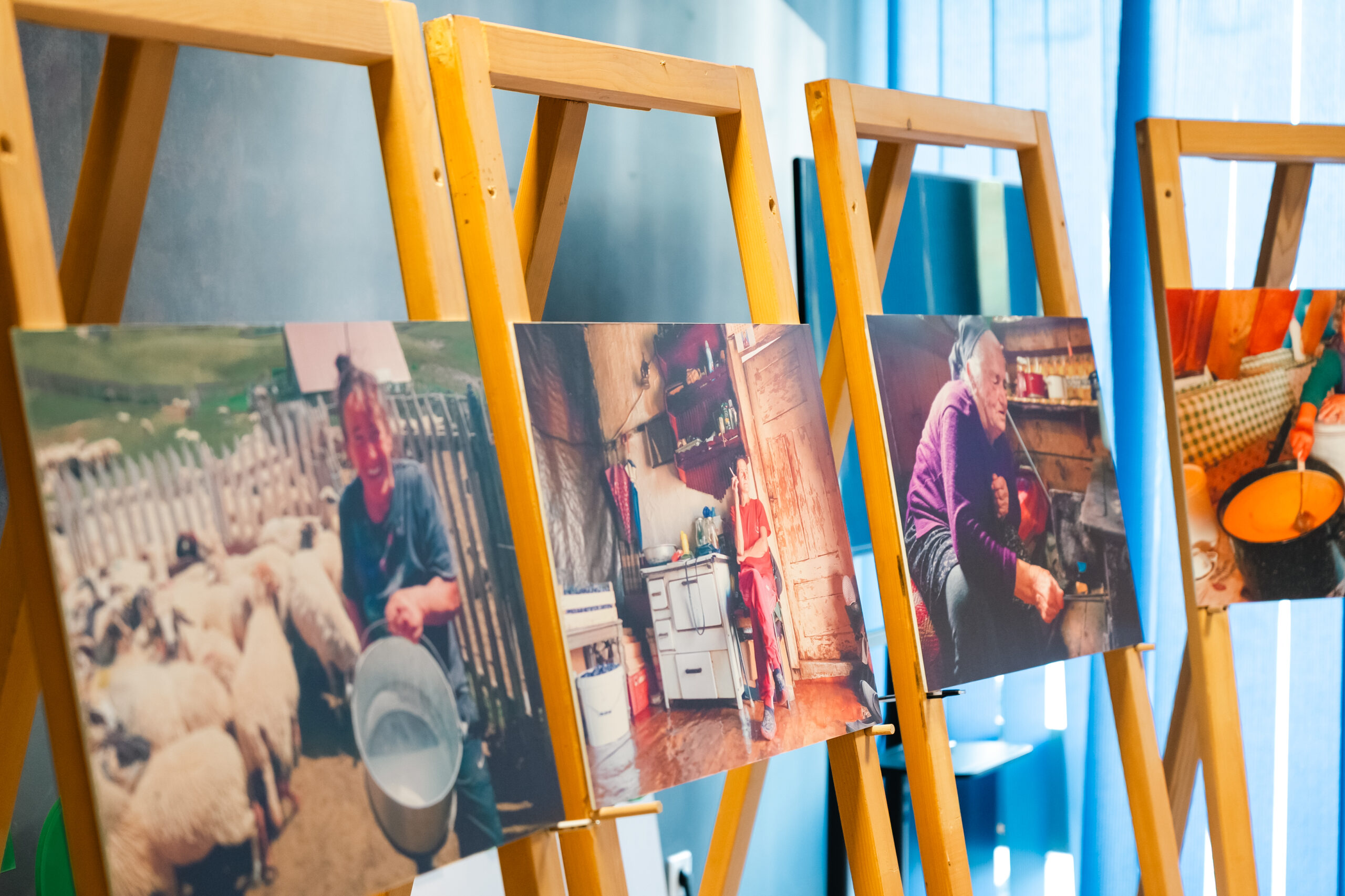
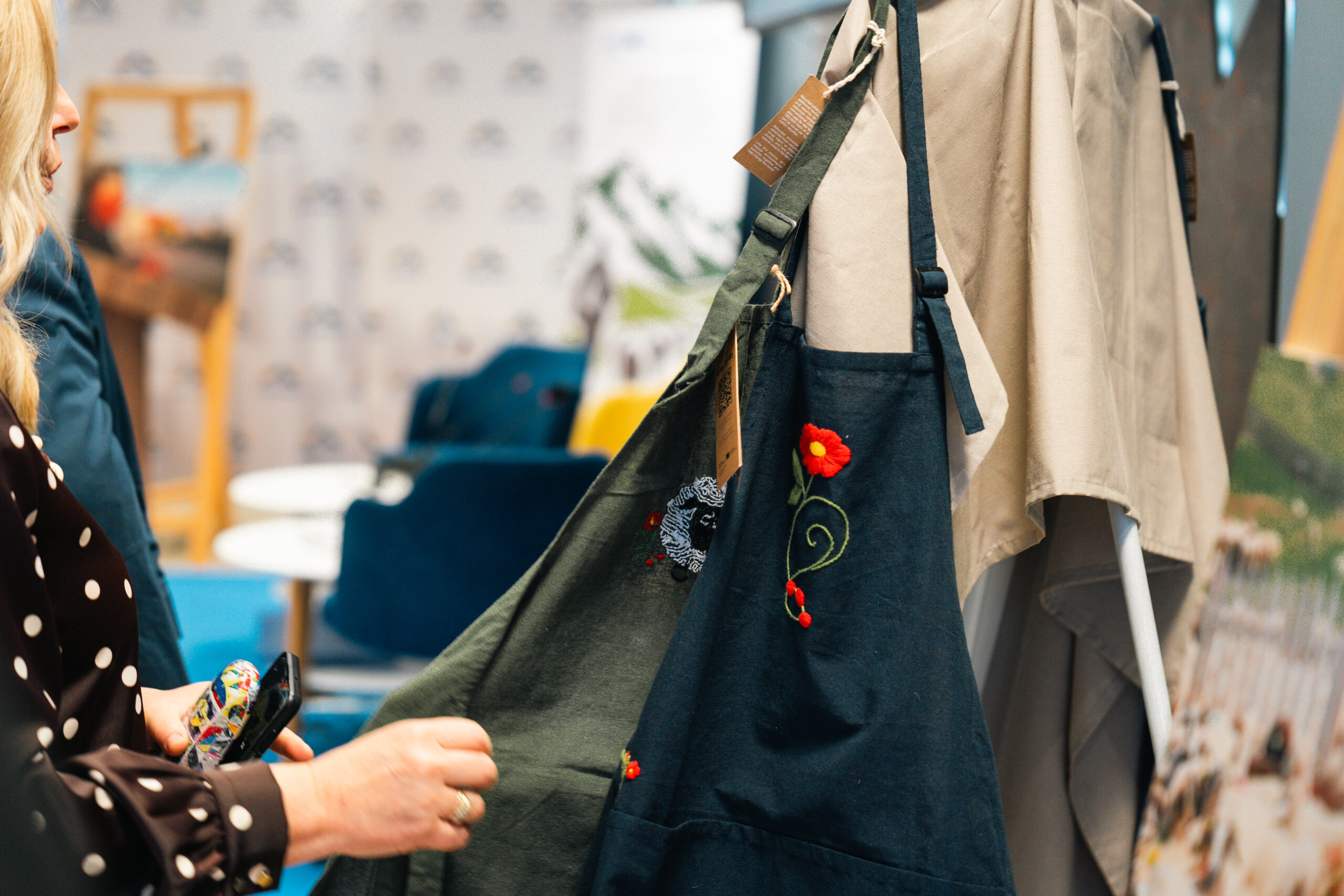
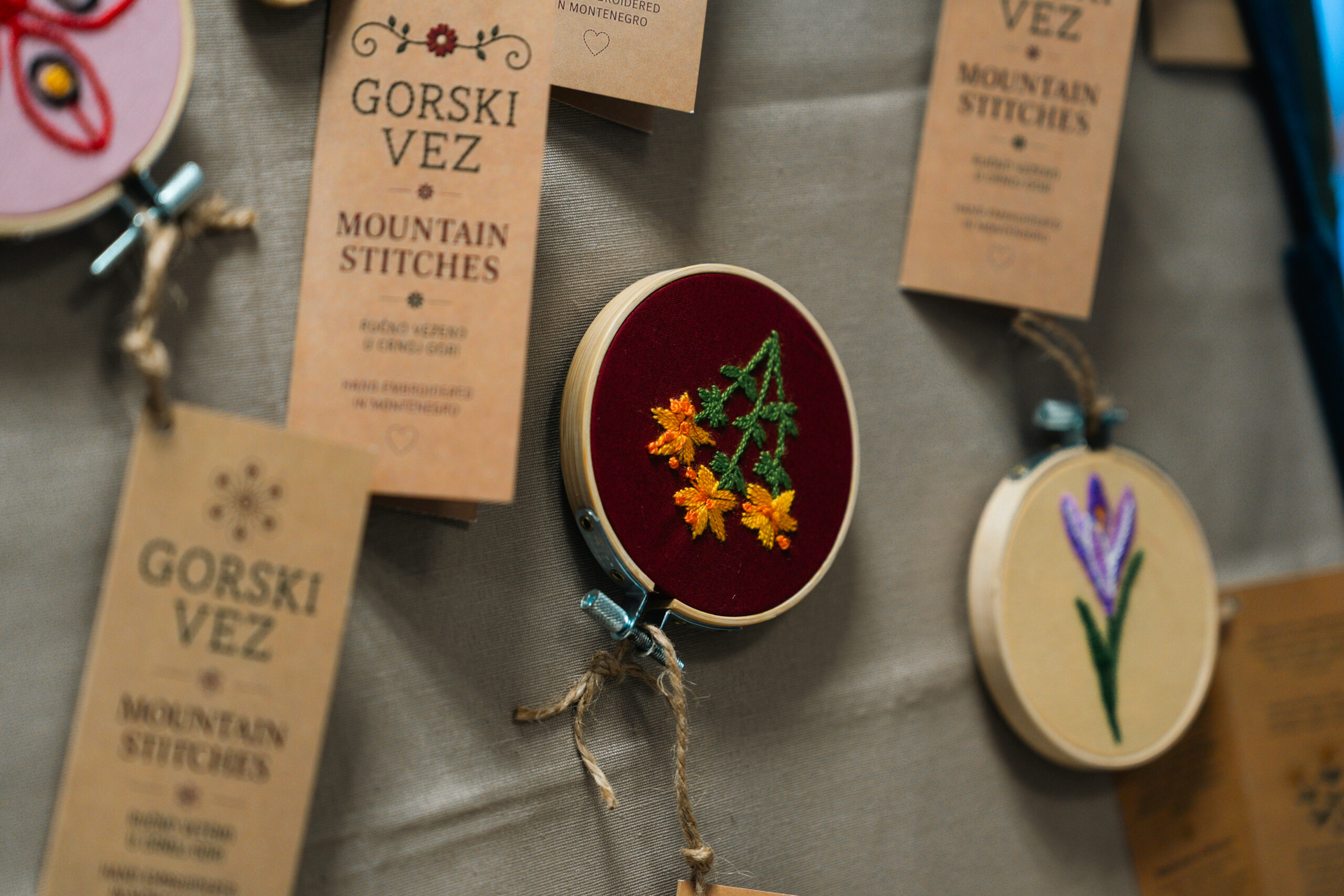
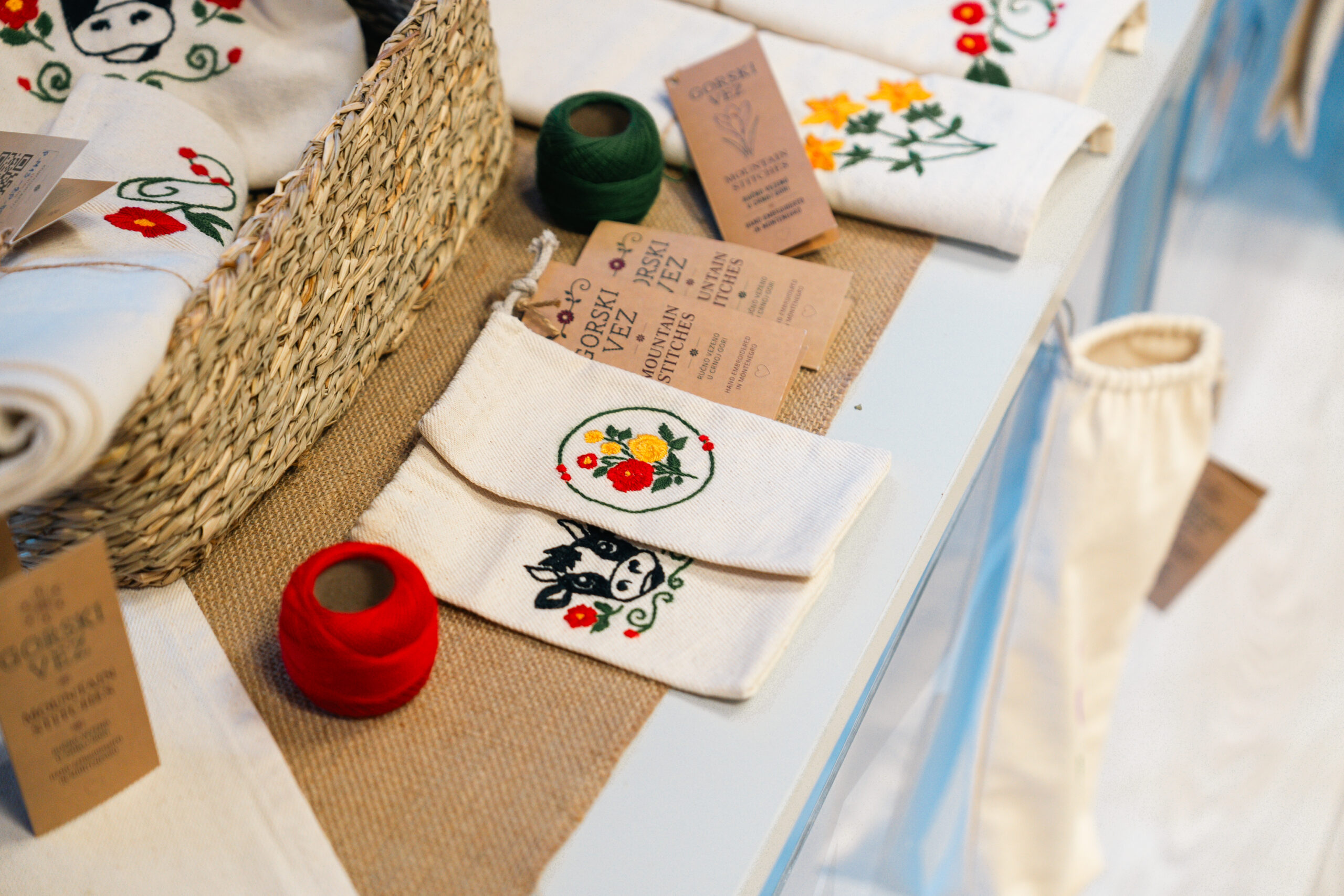
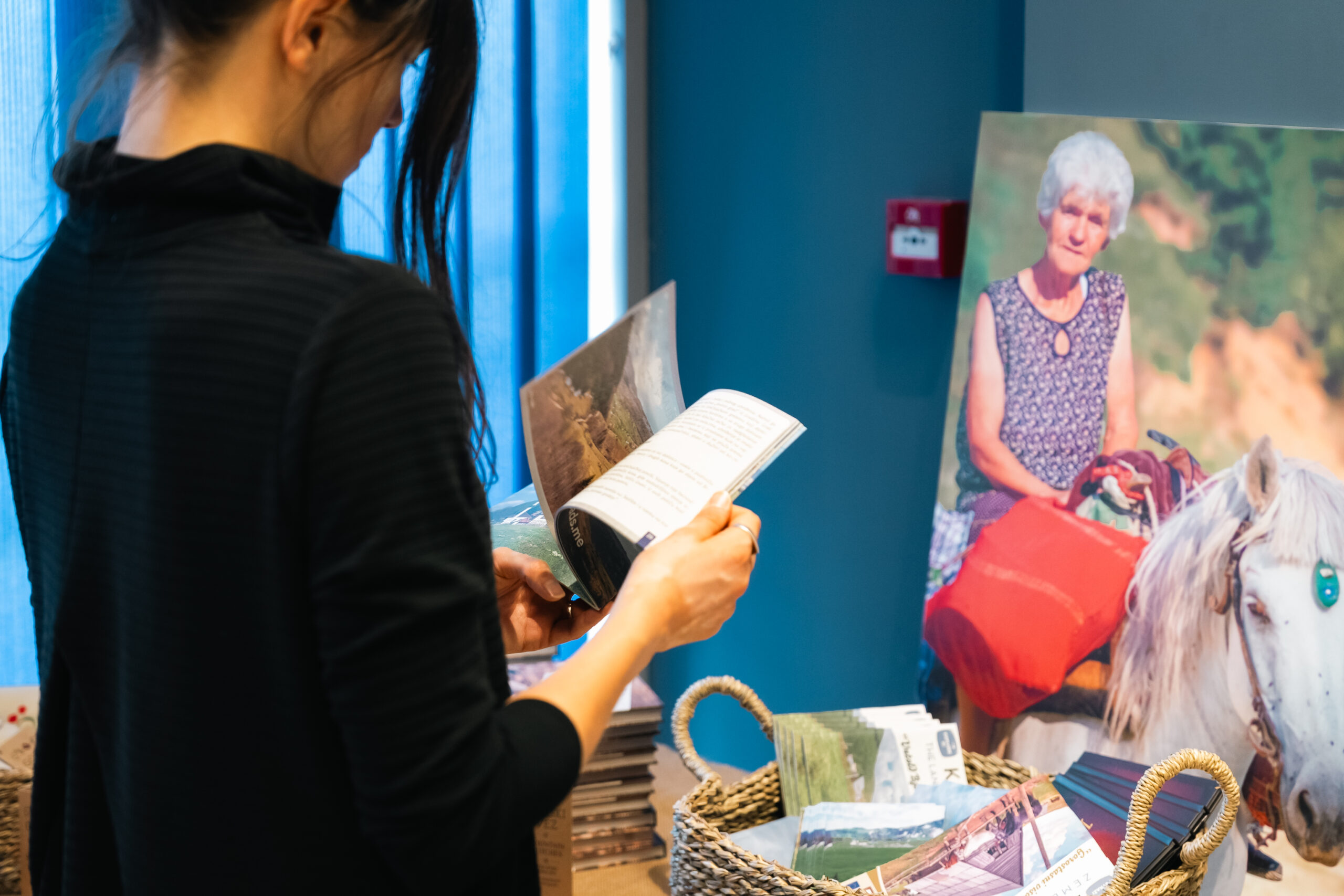
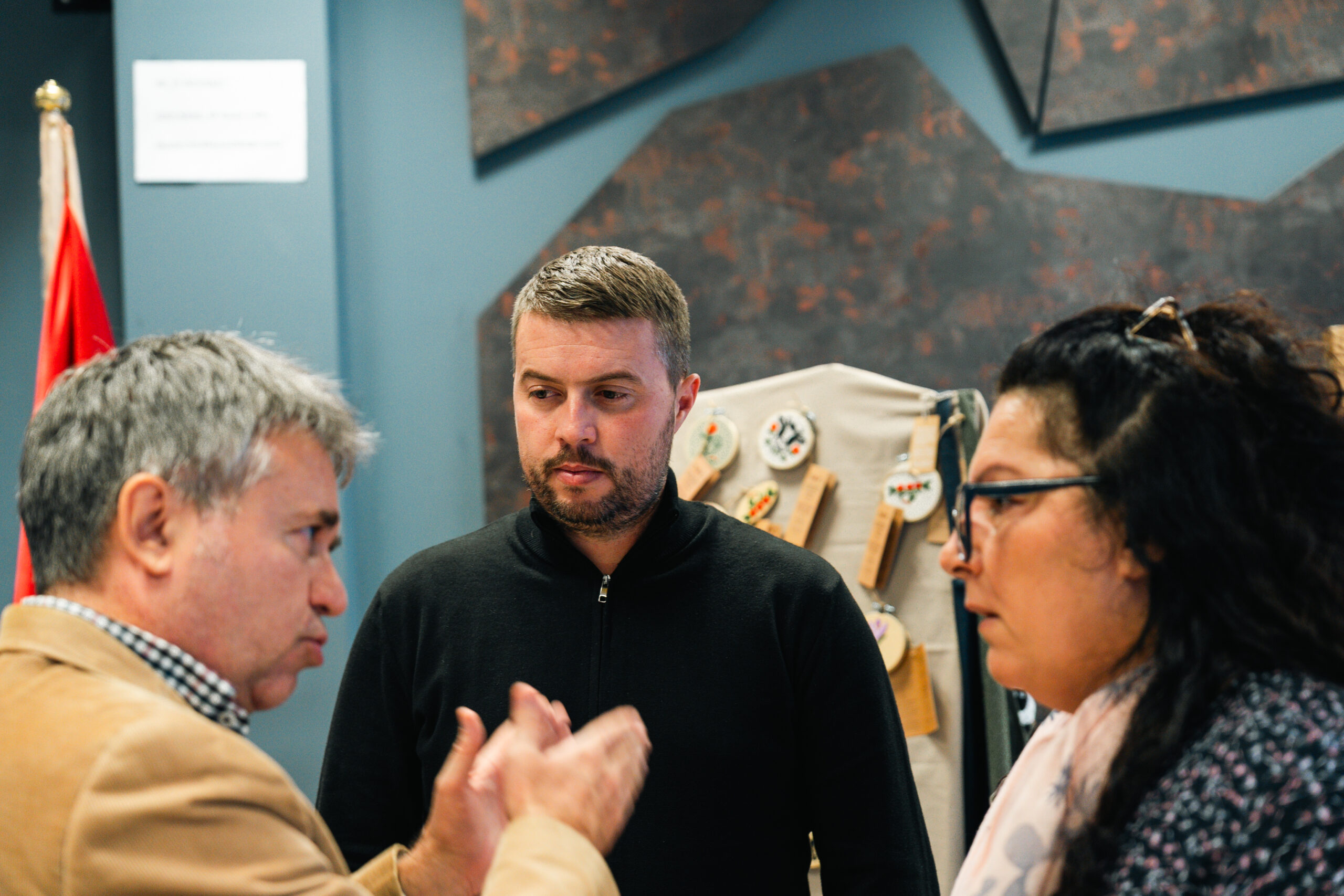
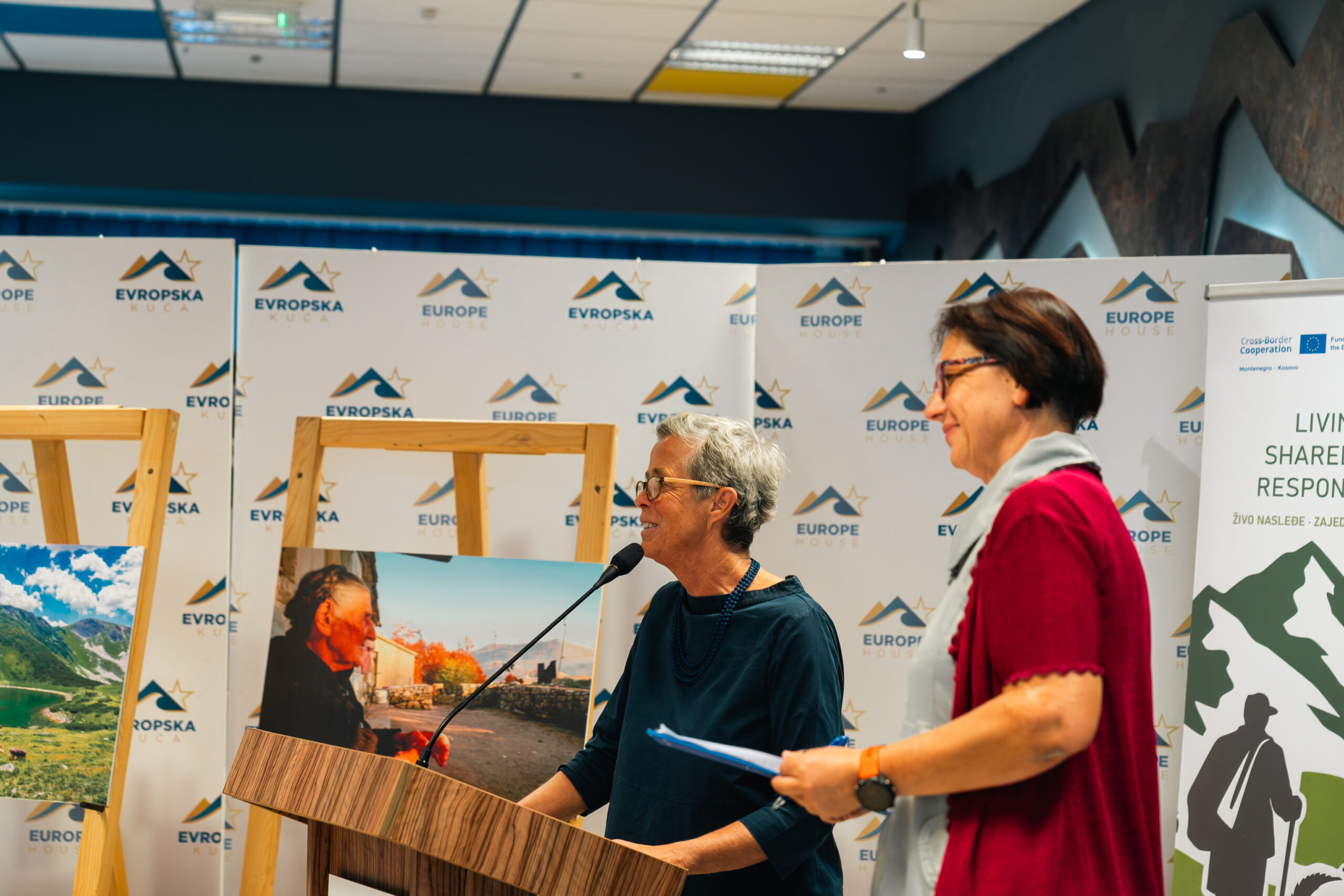
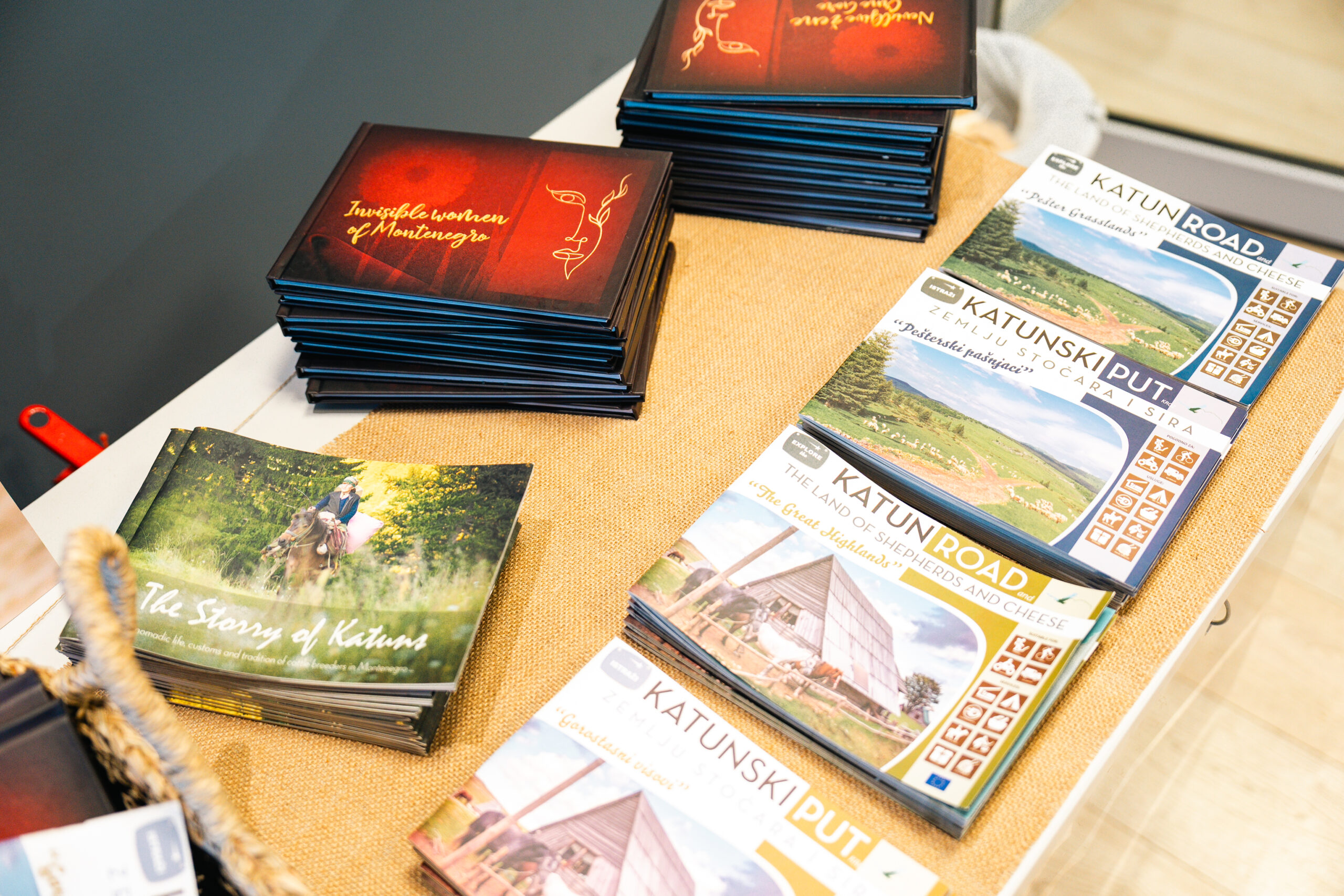
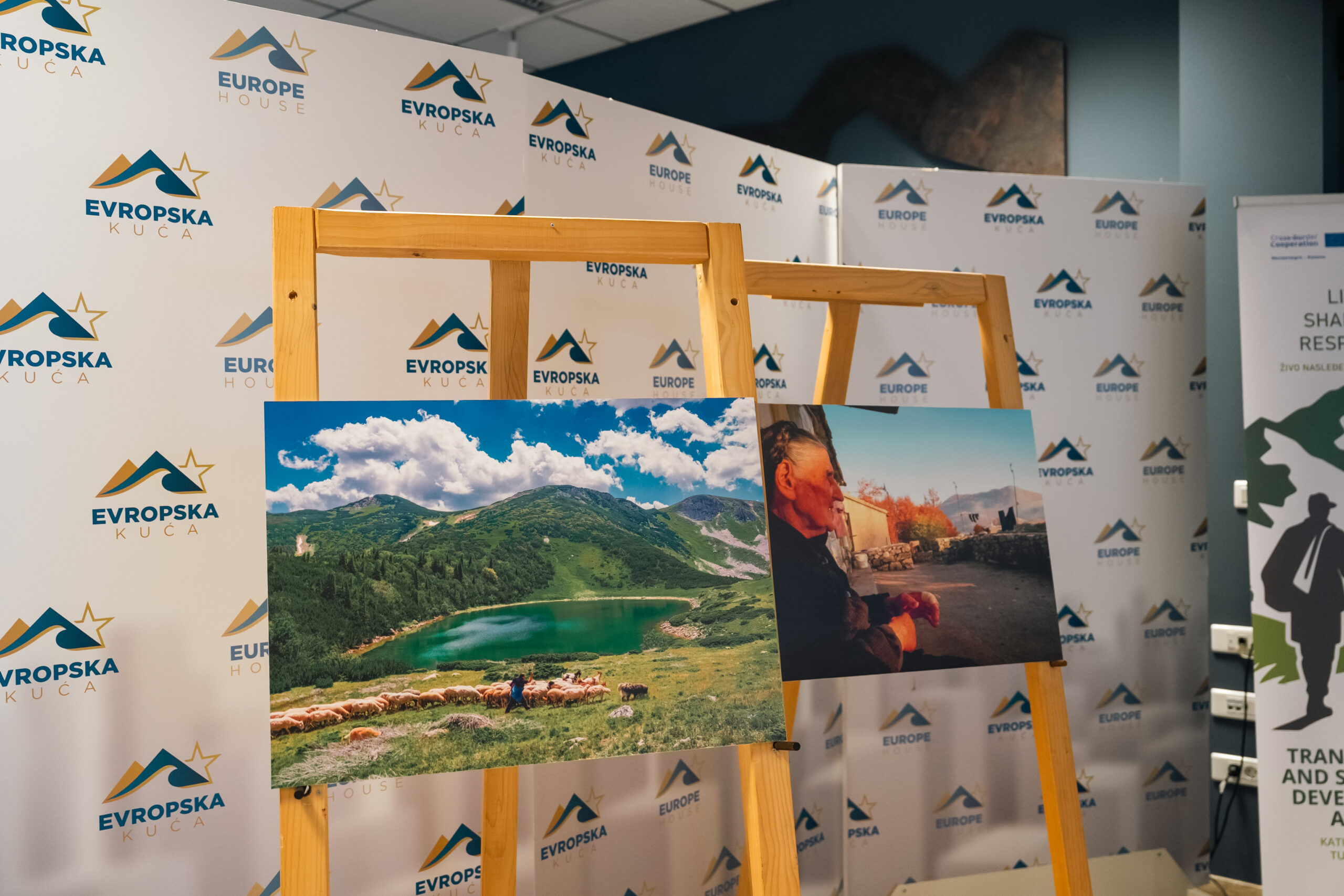
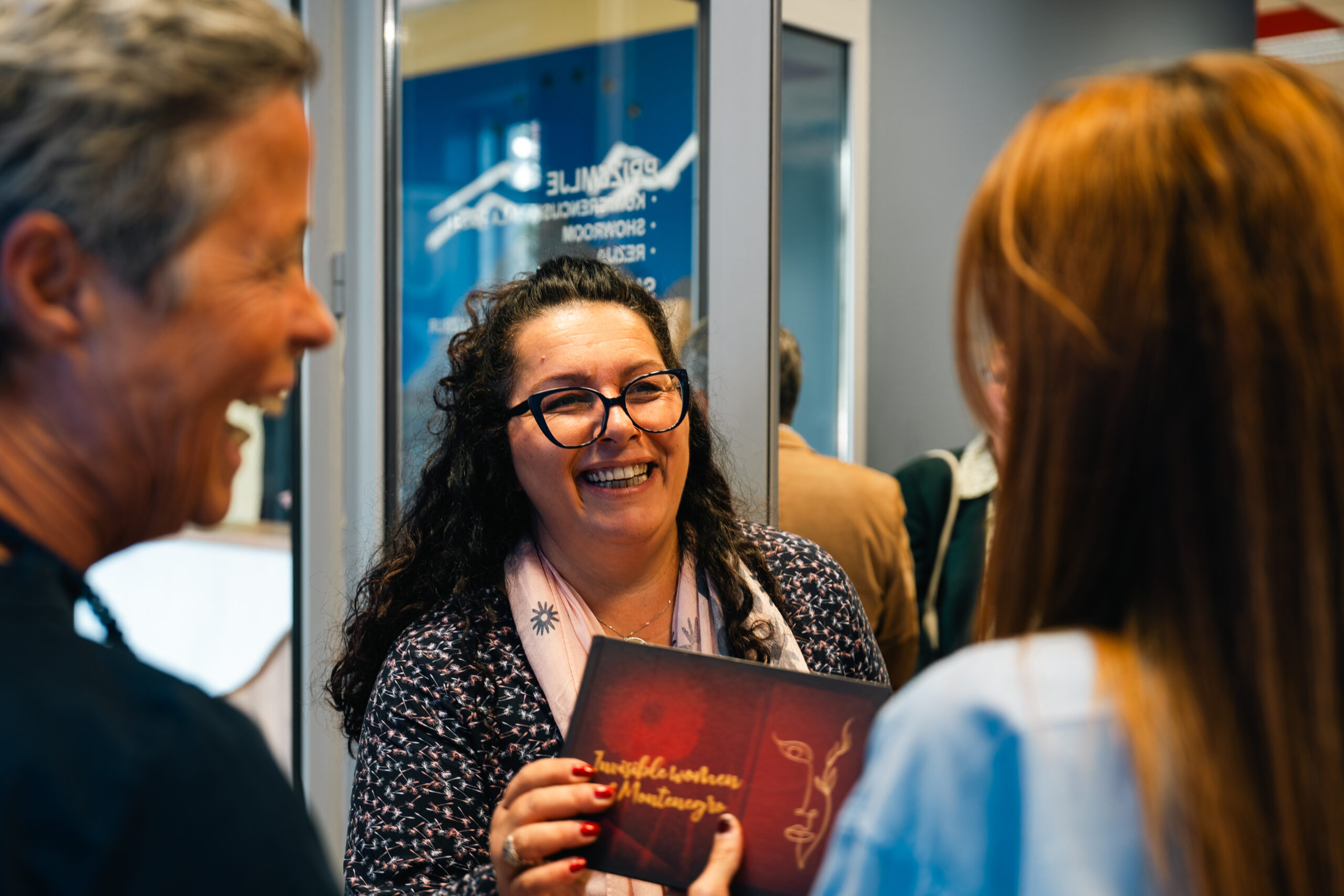
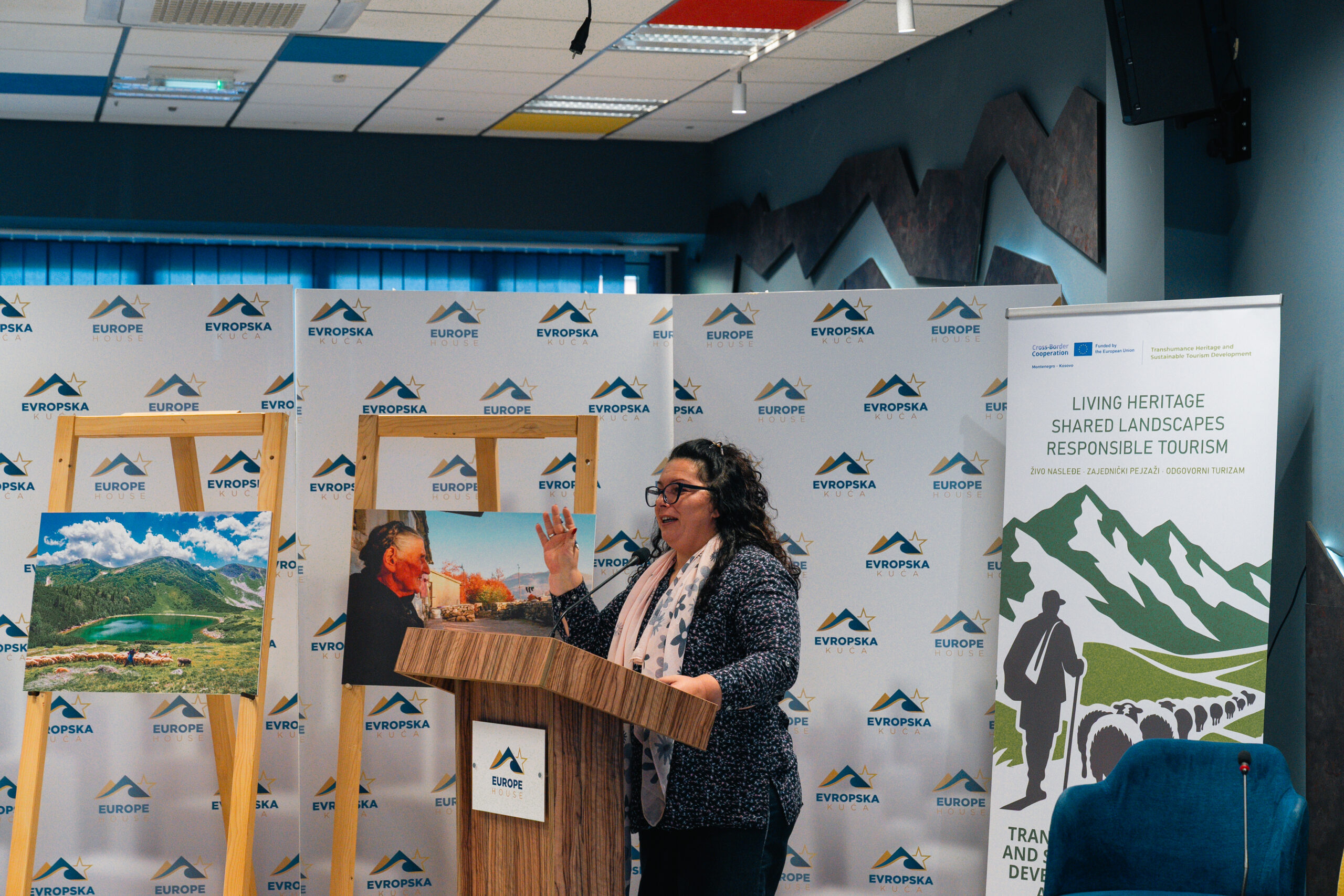
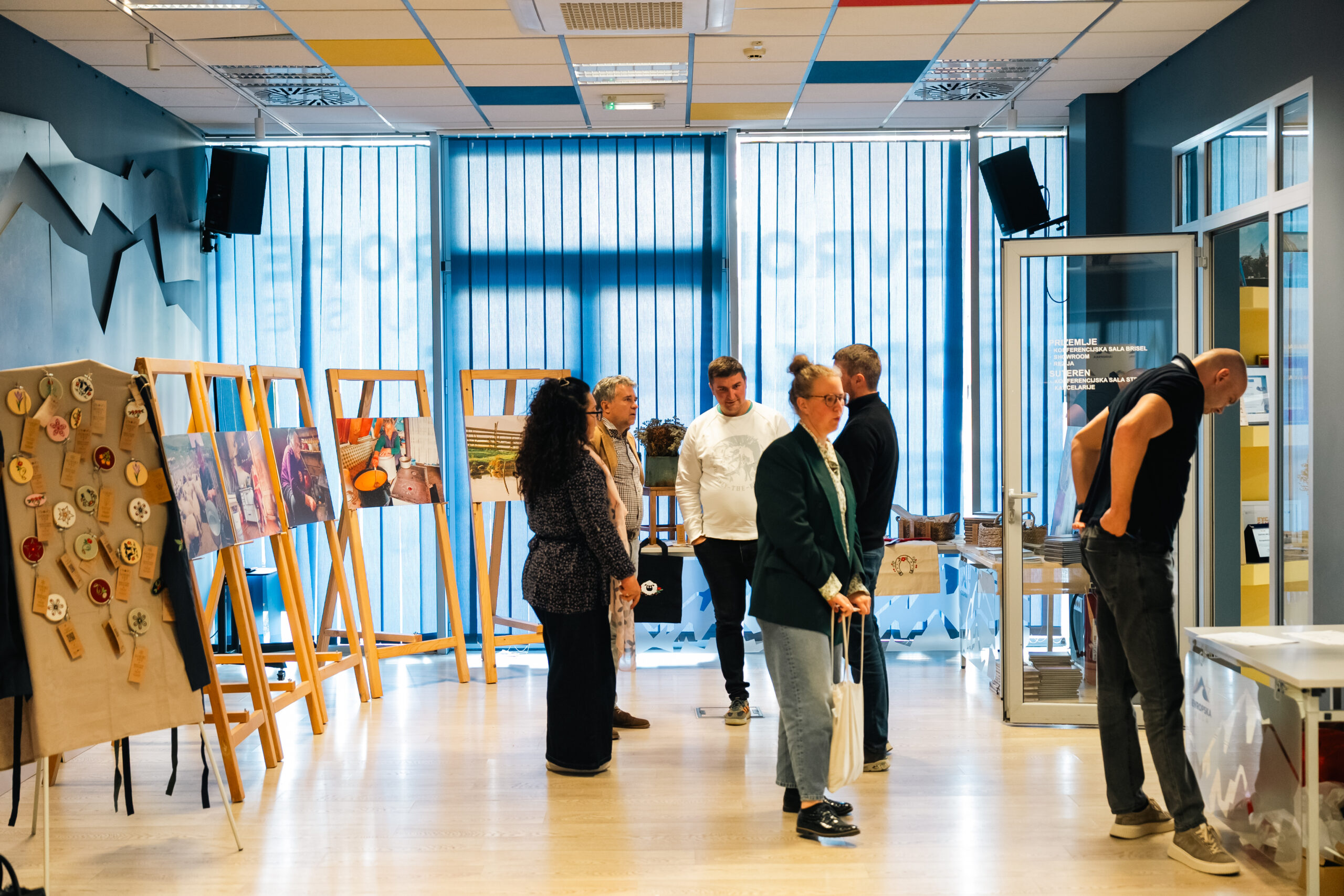
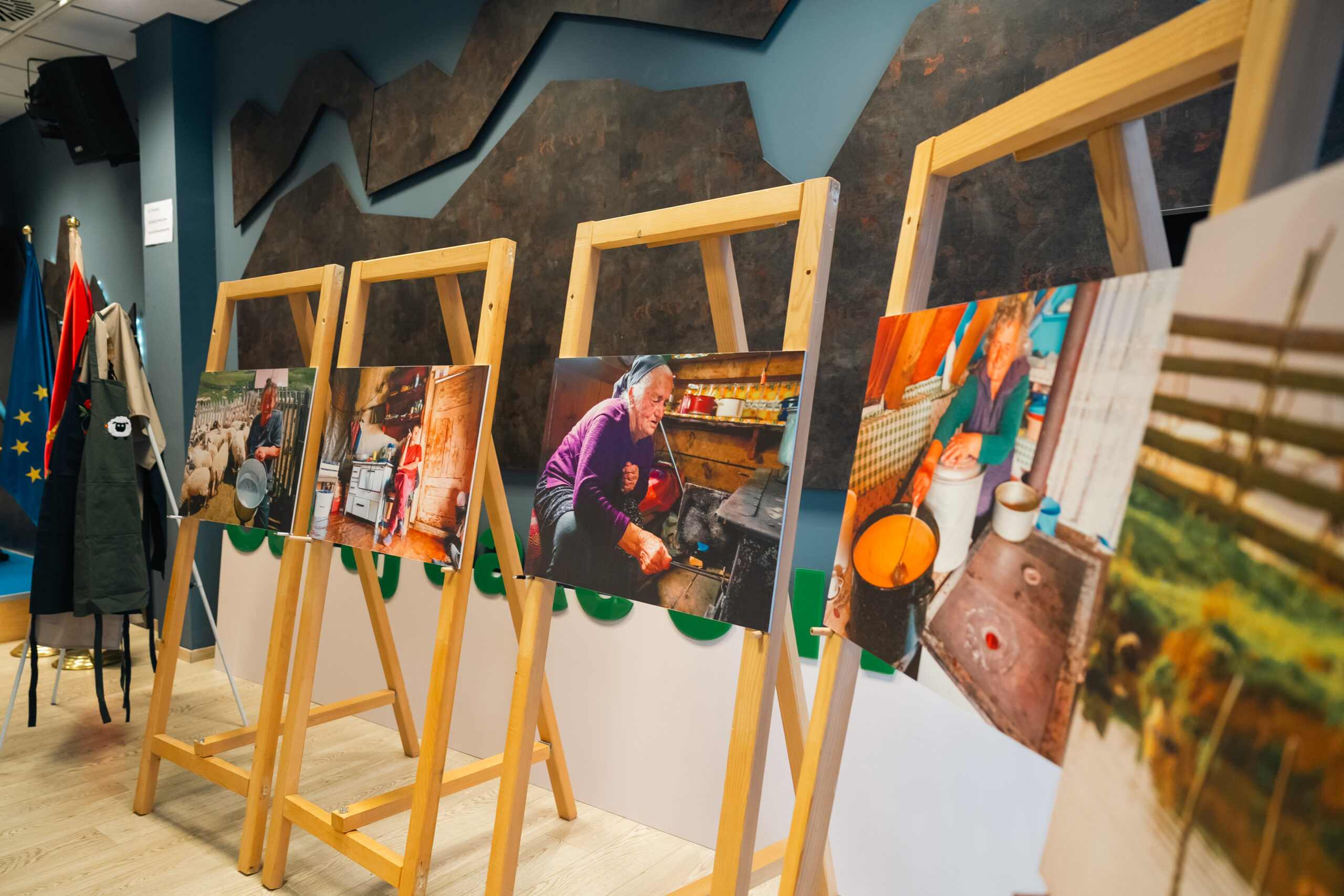
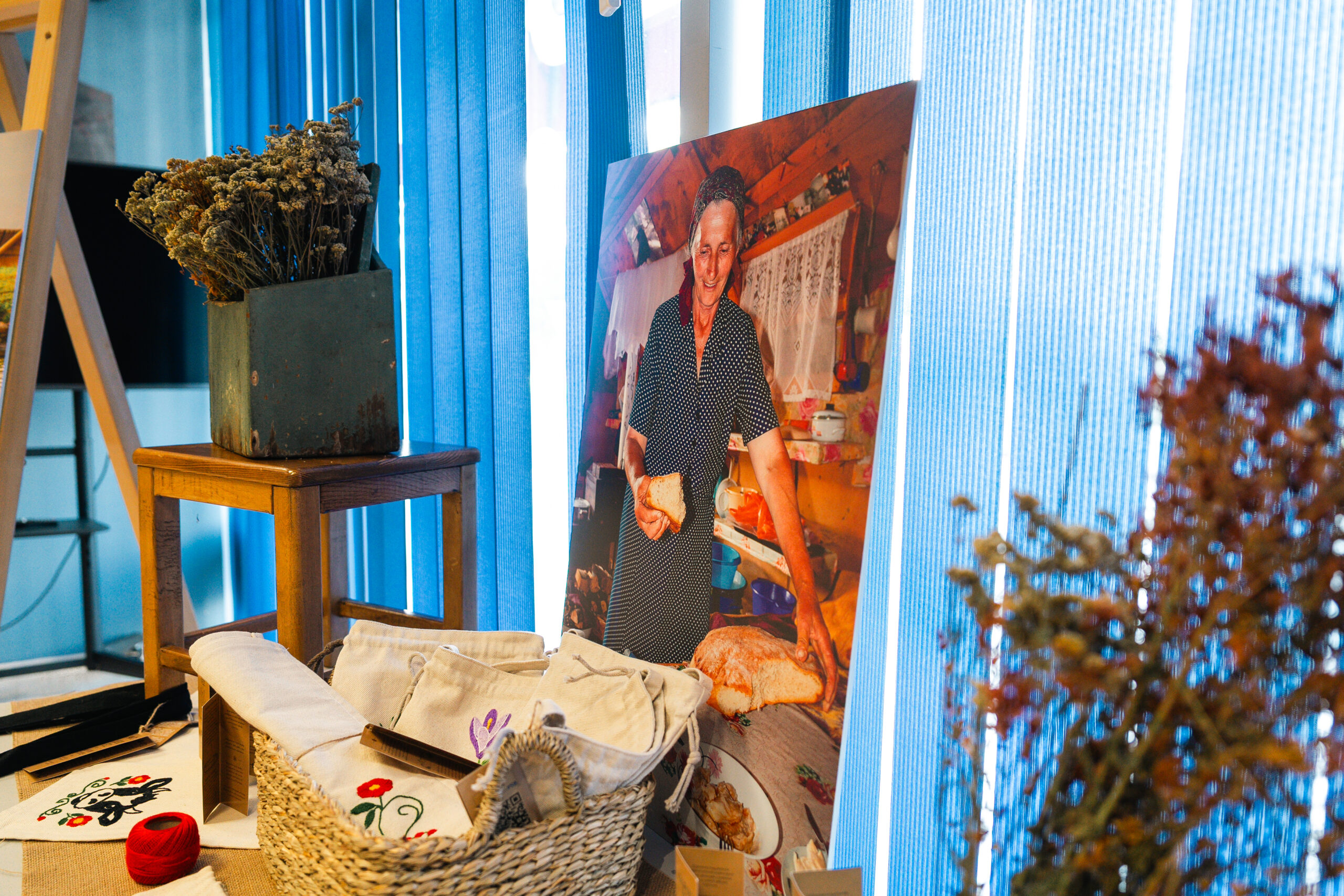
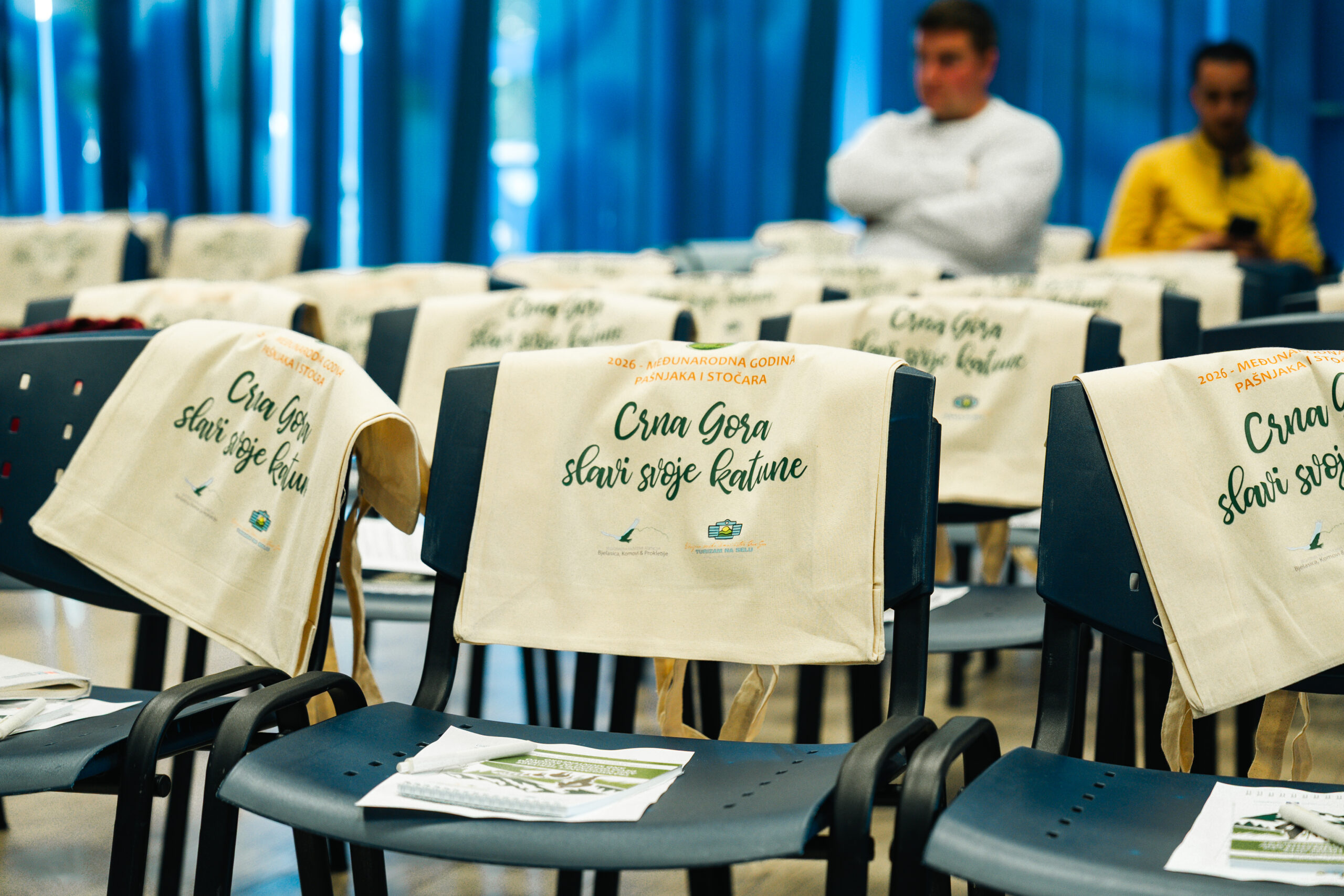
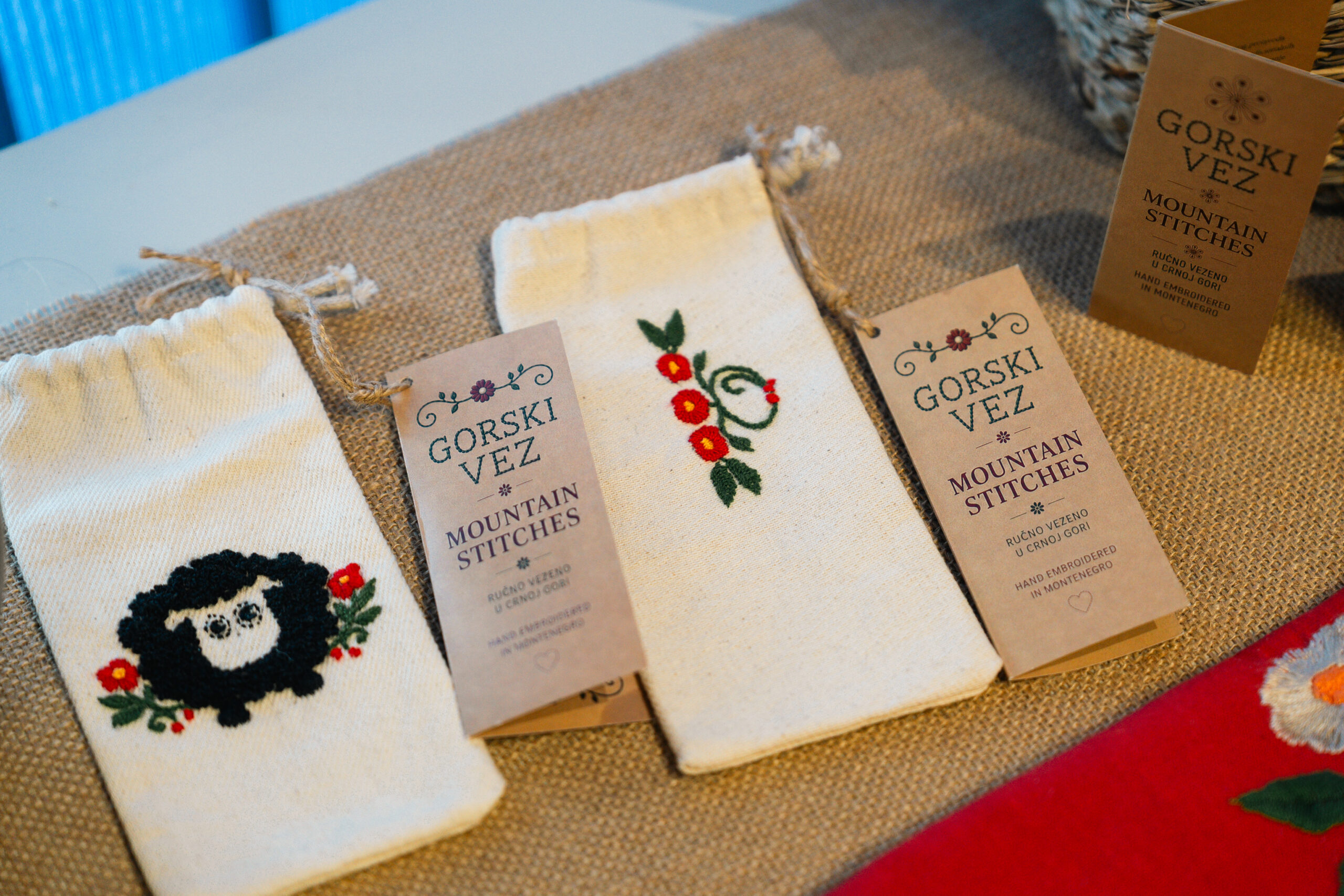
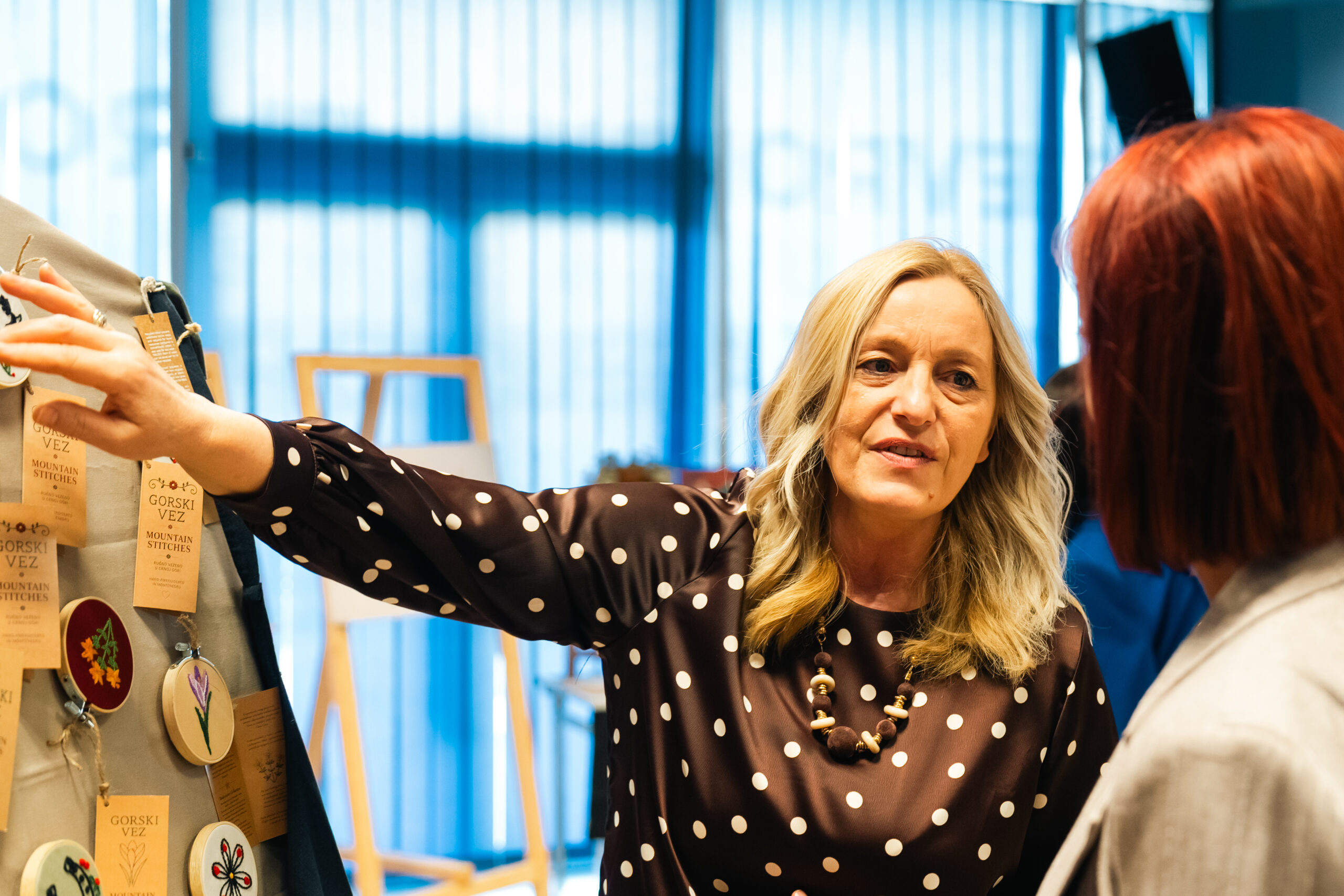
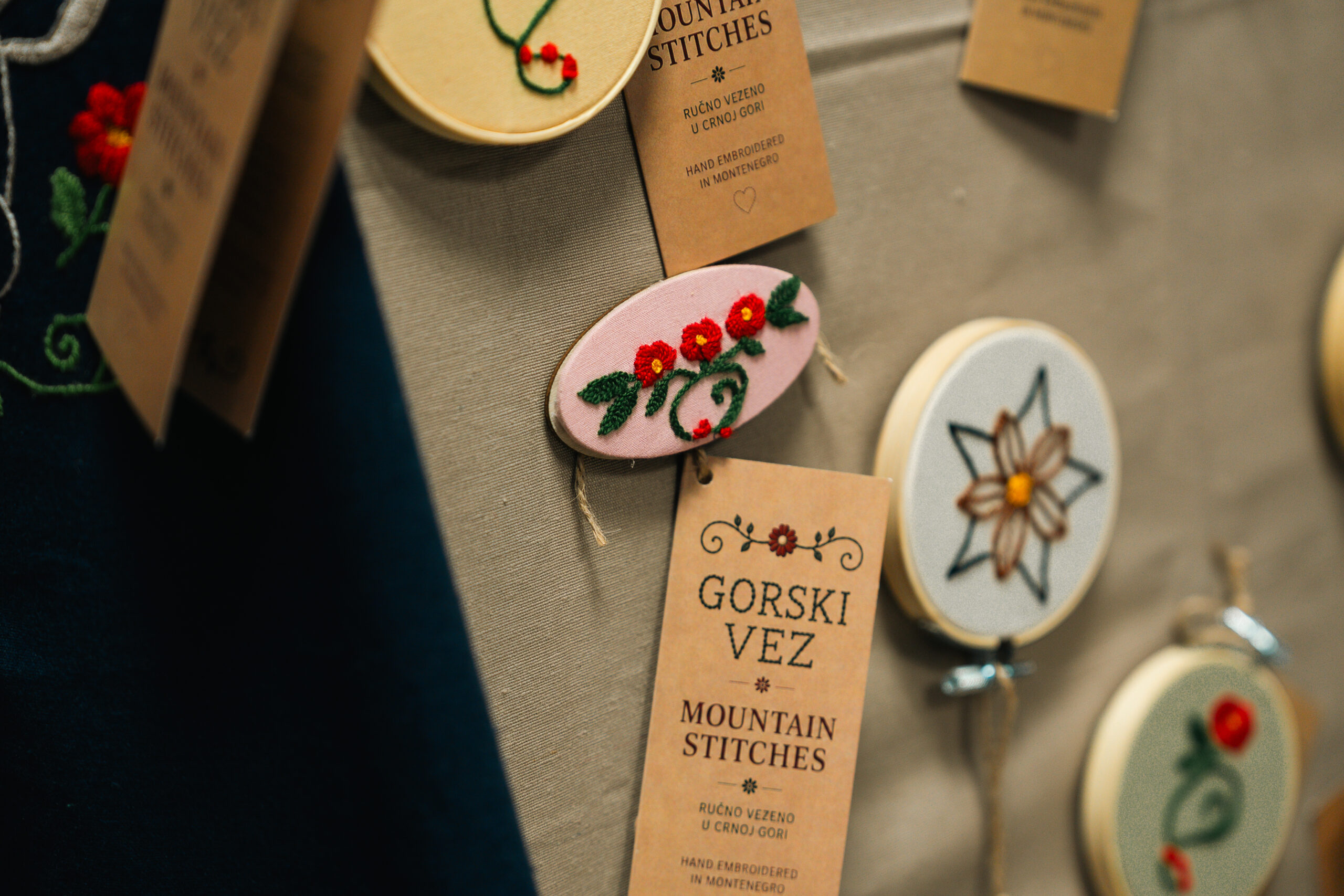
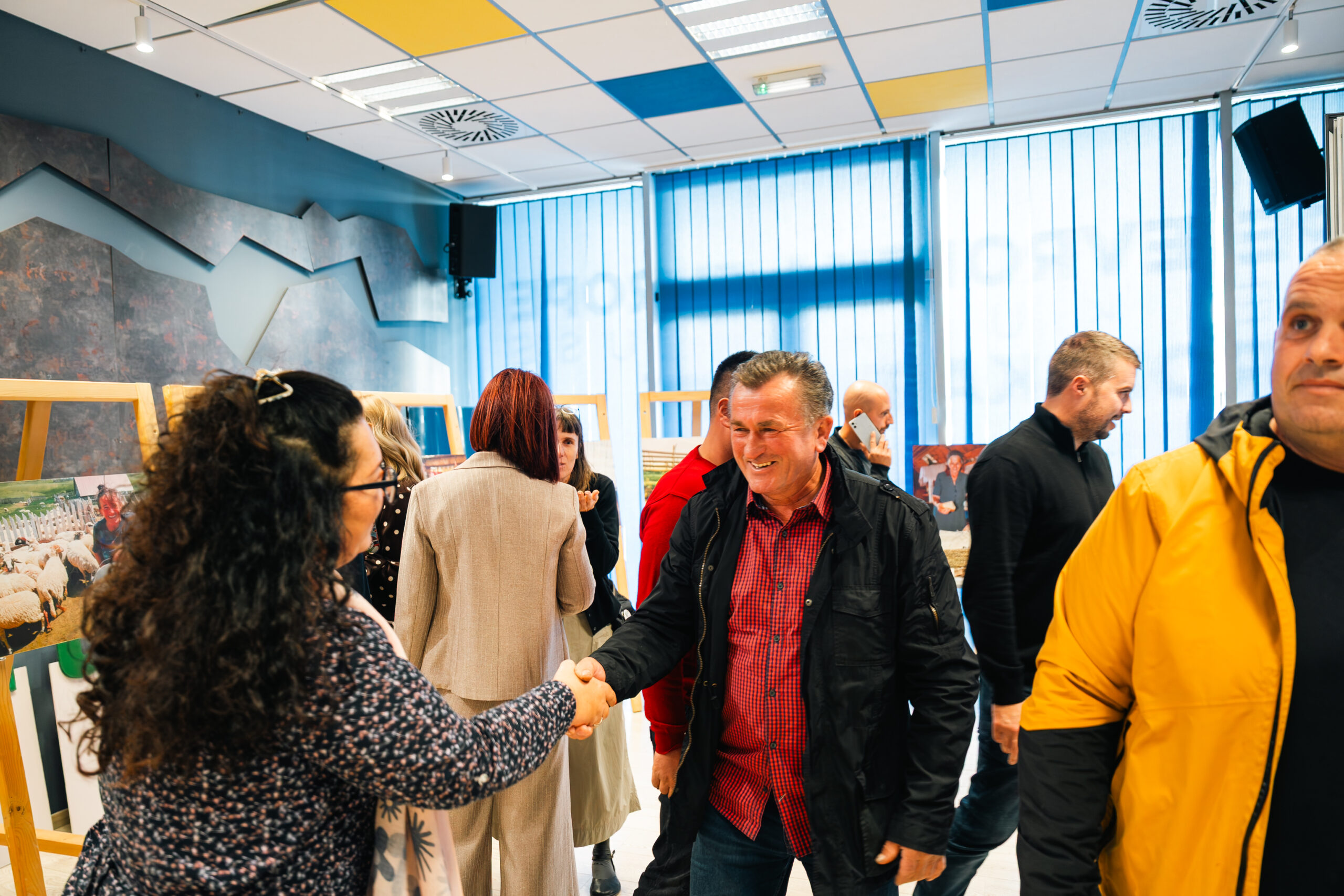
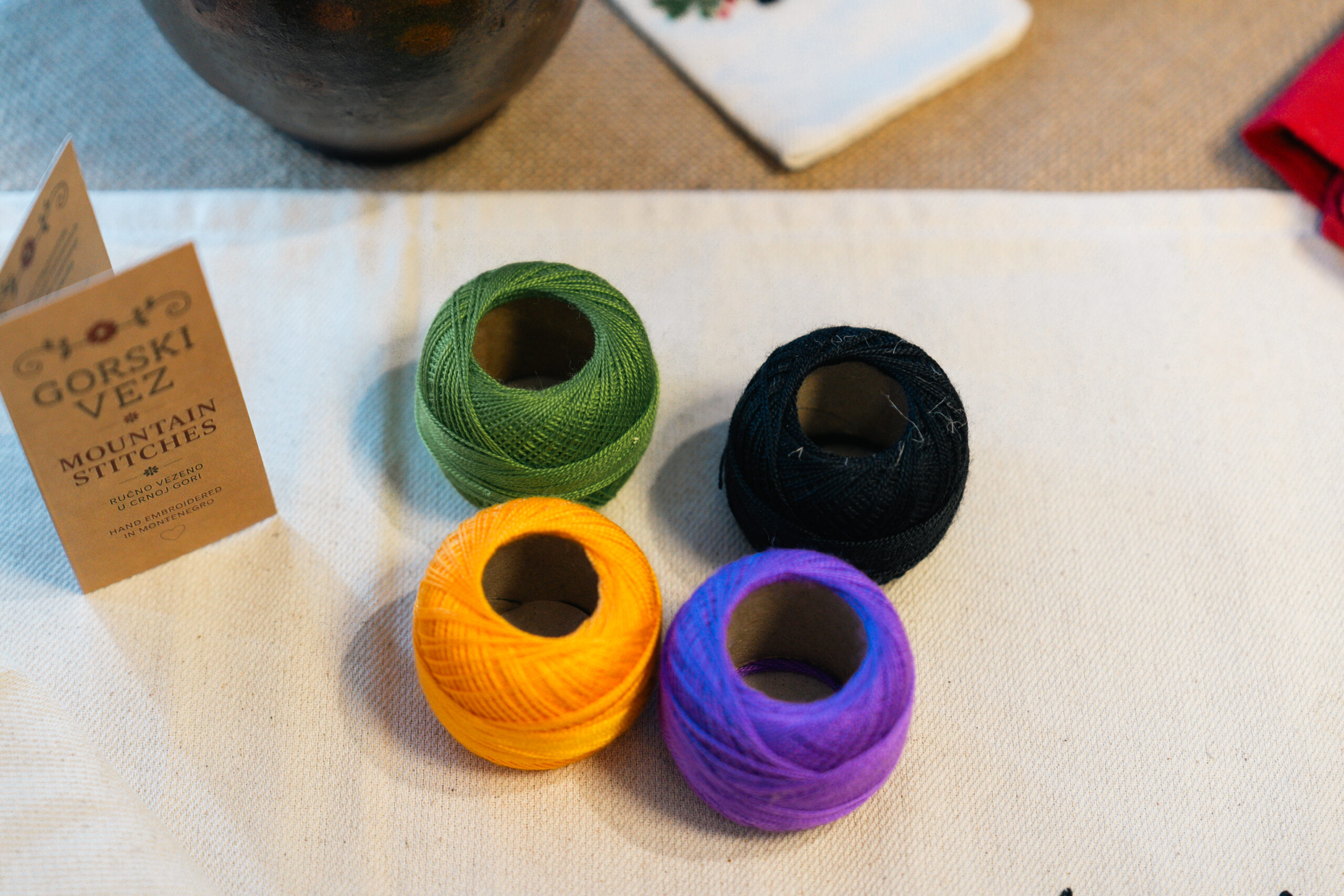
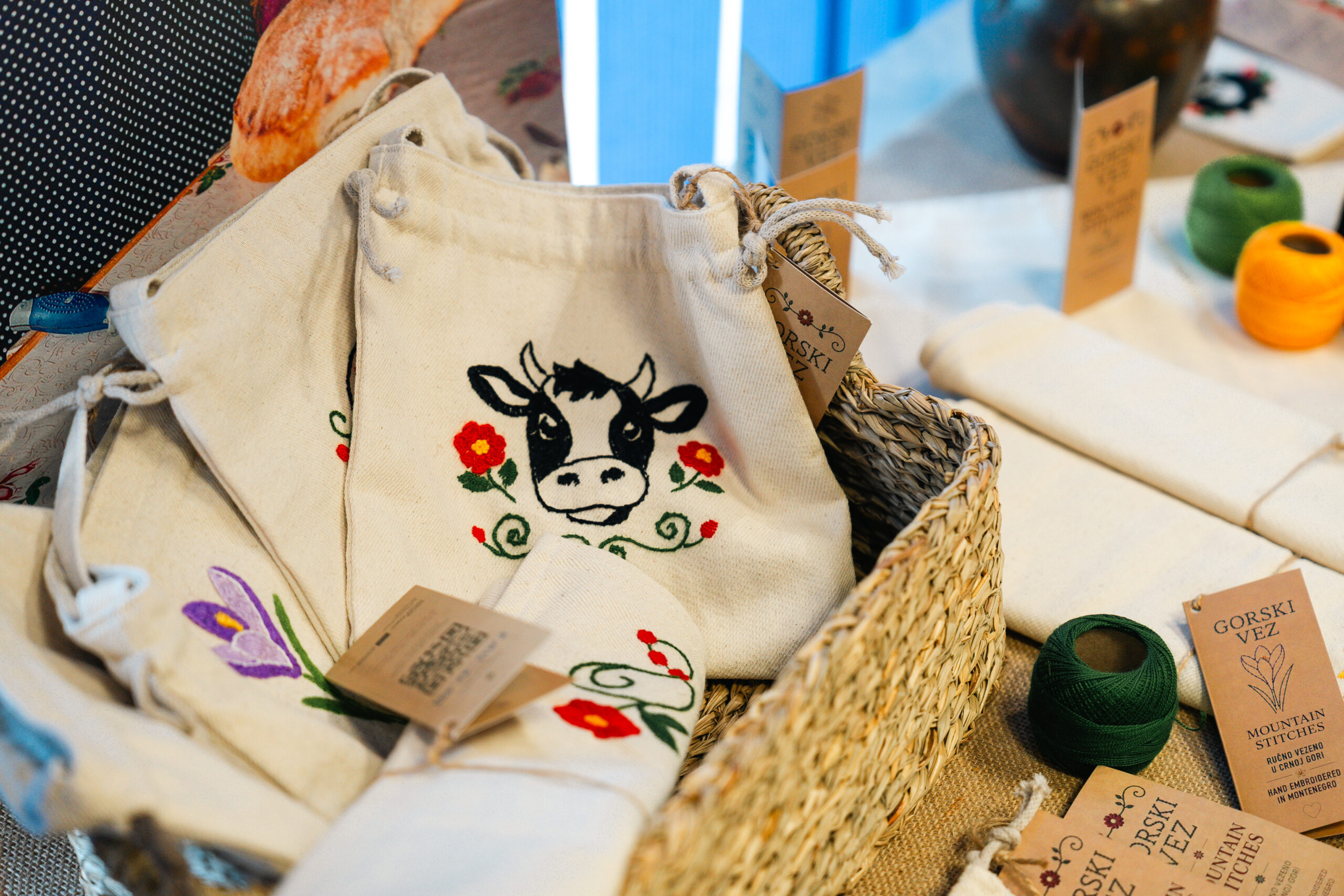
The conference took place on the International Day of Rural Women, during the year designated by the United Nations as the International Year of Rangelands and Pastoralists. It brought together pastoralists, representatives of national institutions and the Delegation of the European Union, cultural and natural heritage experts, local communities and civil society organisations to discuss what is needed to ensure that katuns remain living places. The conference also featured a photography exhibition portraying women from the katuns, as well as katun-inspired souvenirs developed through the DanubeCrafts project.
For the Regional Development Agency for Bjelasica, Komovi and Prokletije, which has worked with katun households for many years, this issue is particularly important. Katuns are not merely part of our cultural identity or distinctive mountain landscapes. Above all, they are places of agricultural production, traditional knowledge and everyday life for families who continue the practice of seasonal livestock migration.
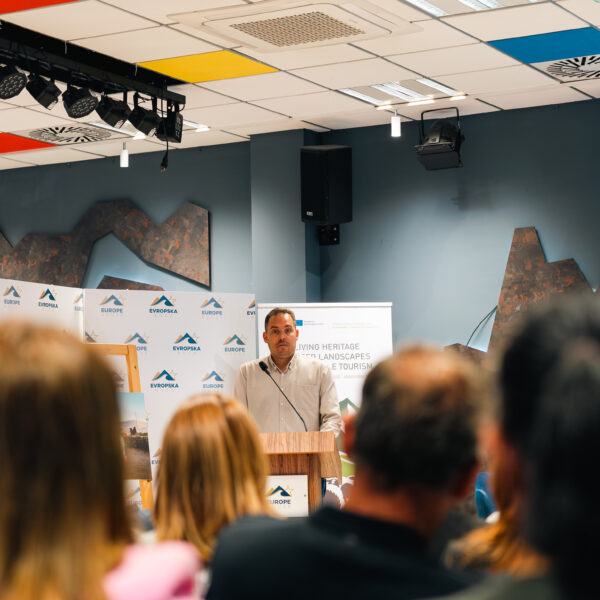
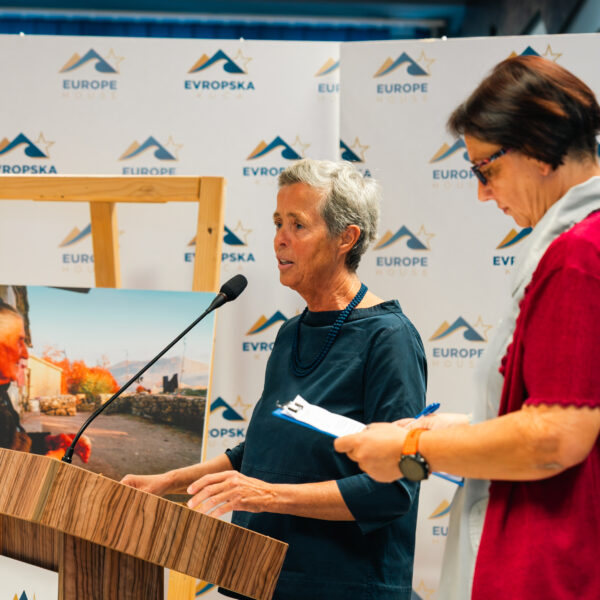
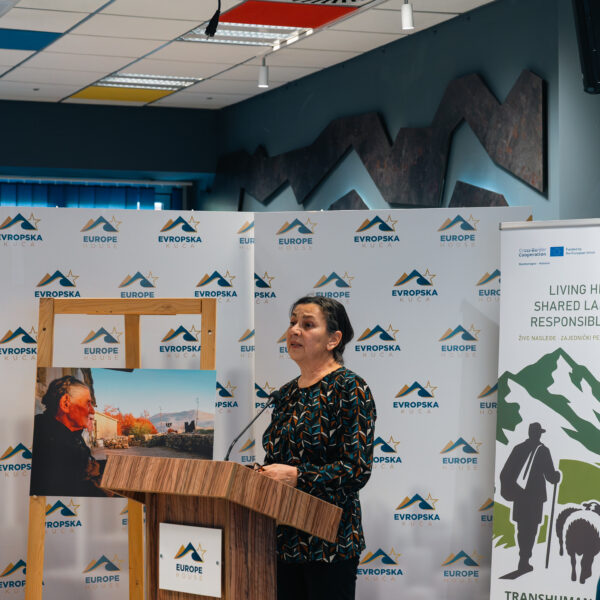
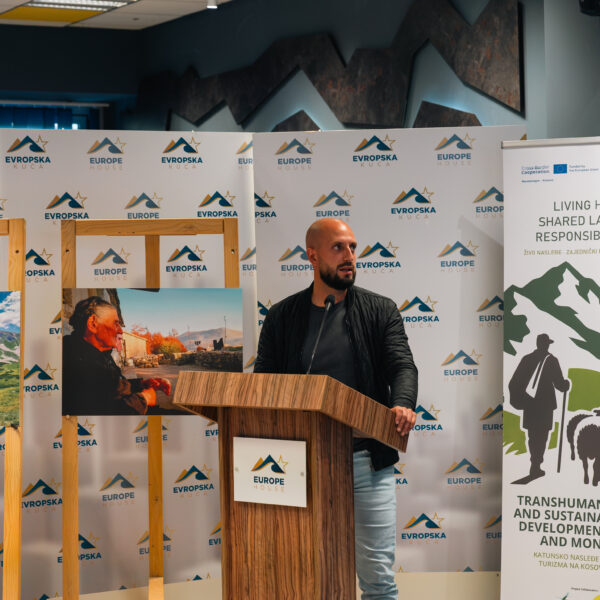
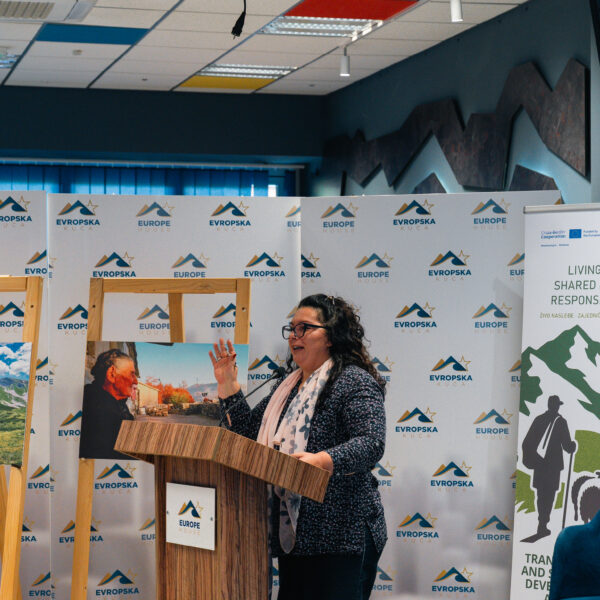
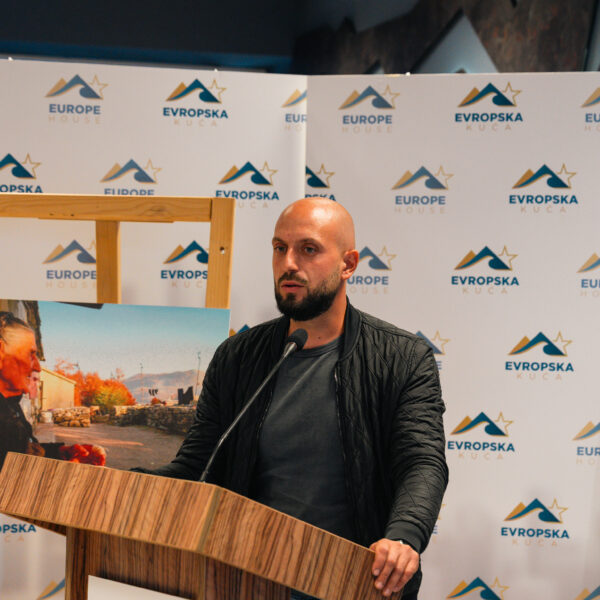
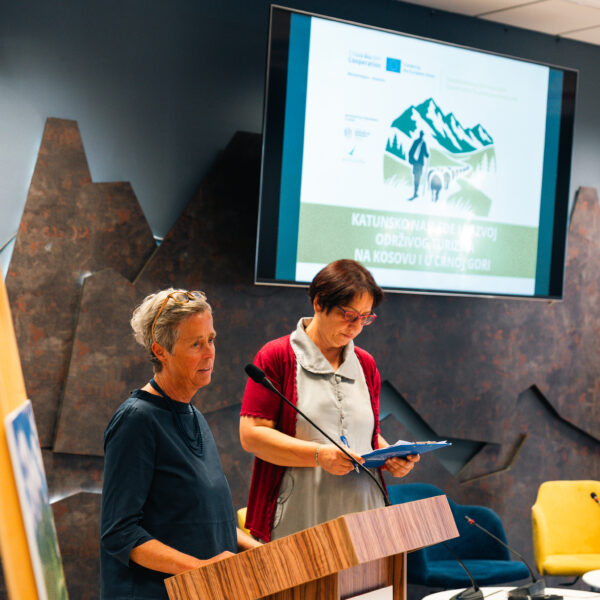
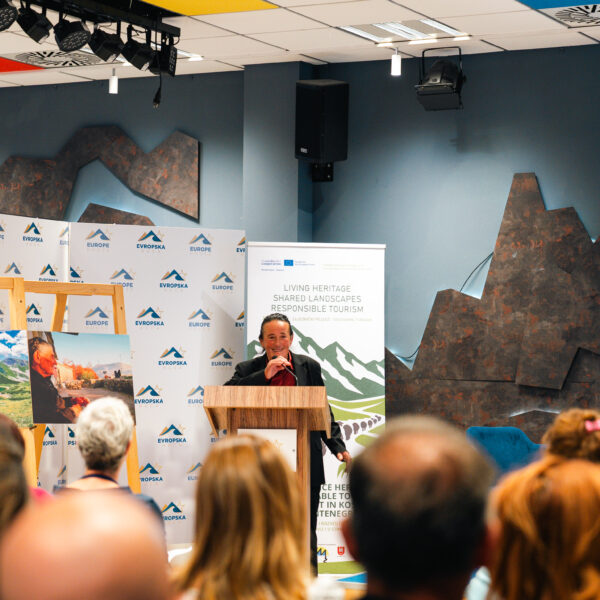
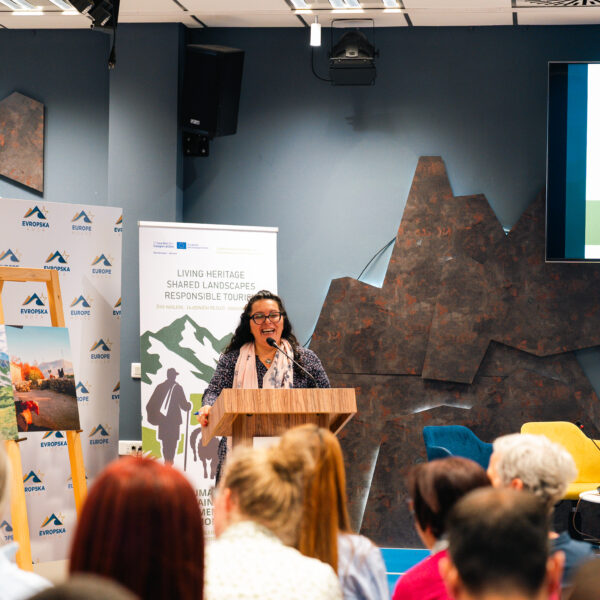
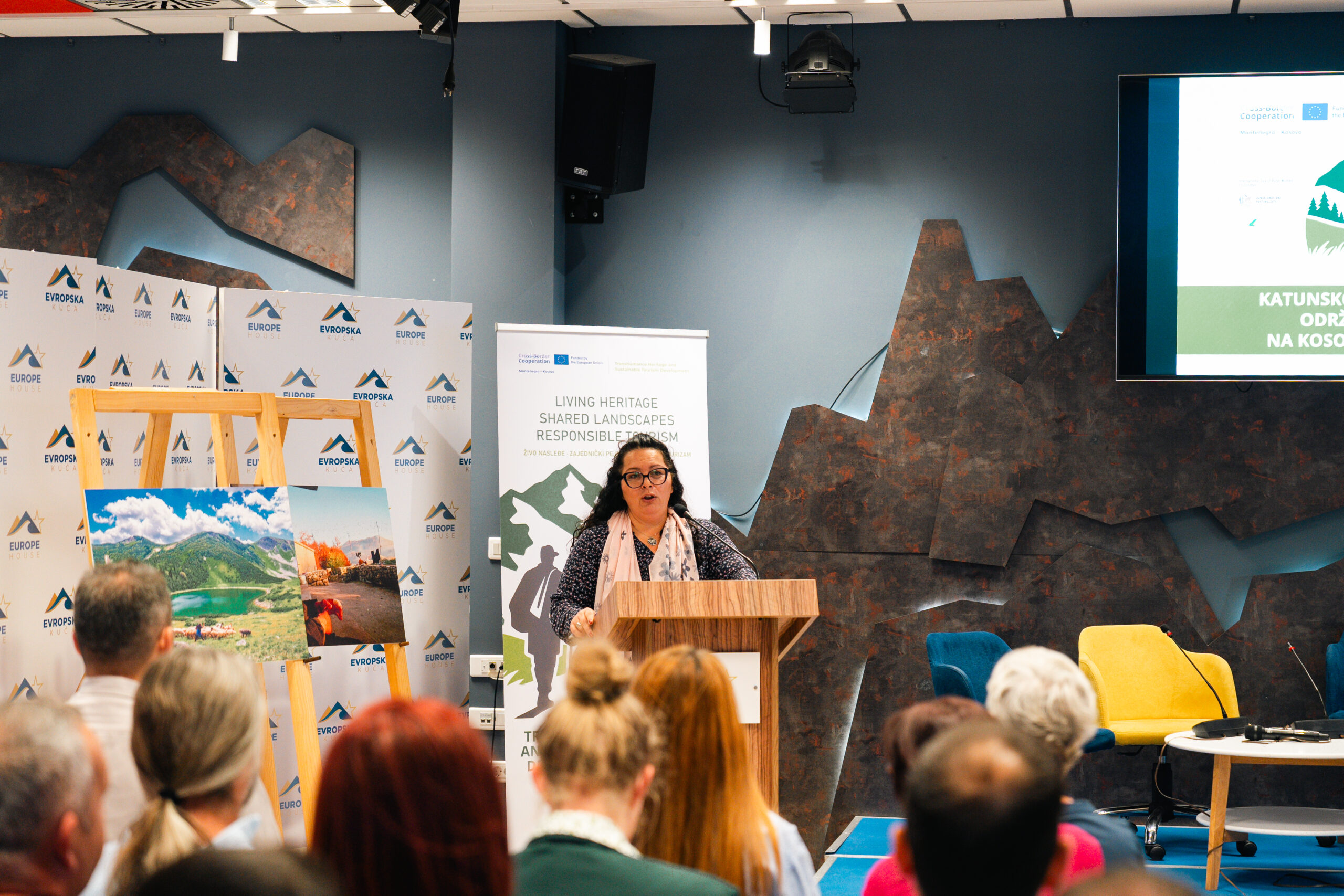
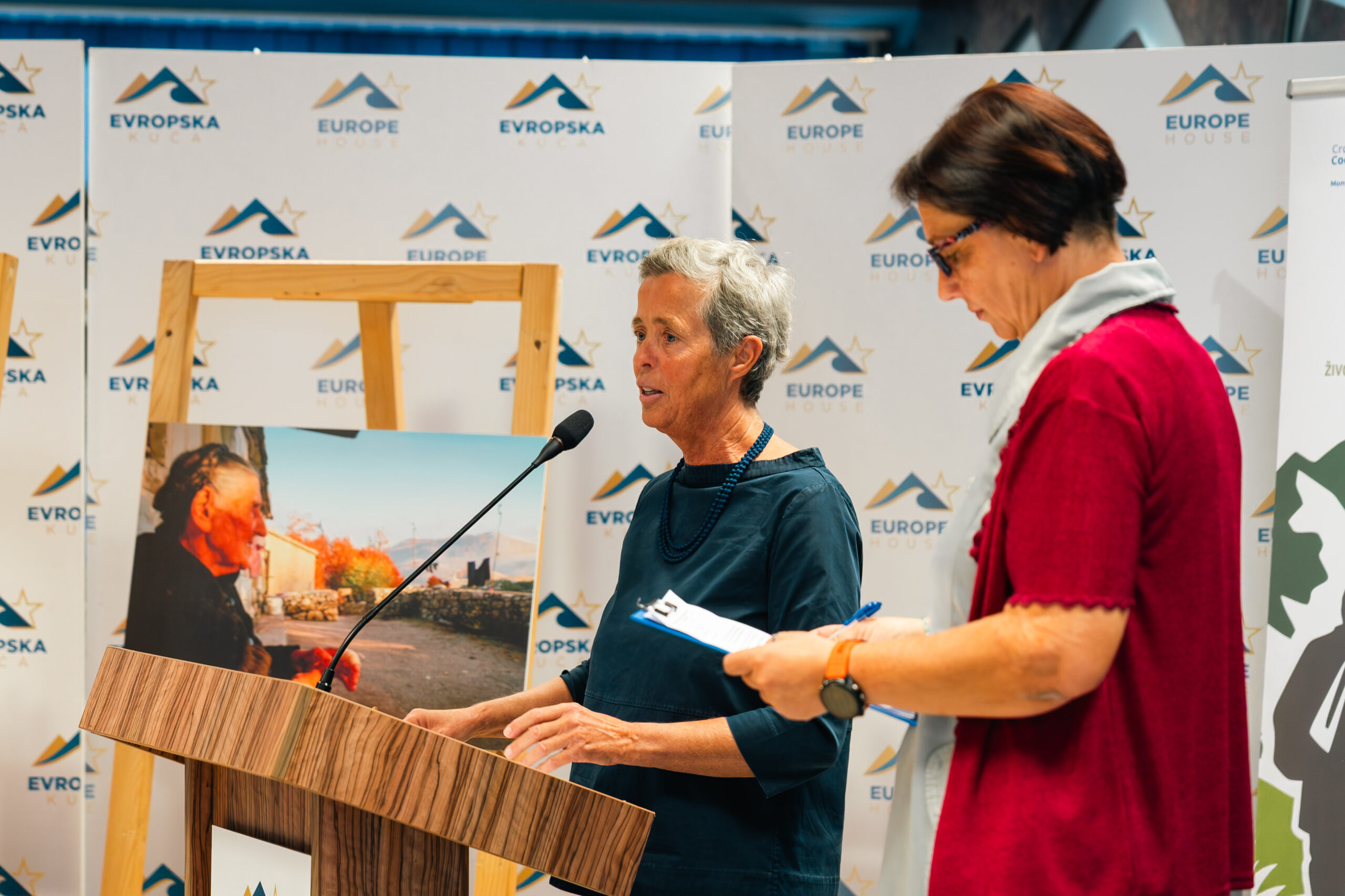
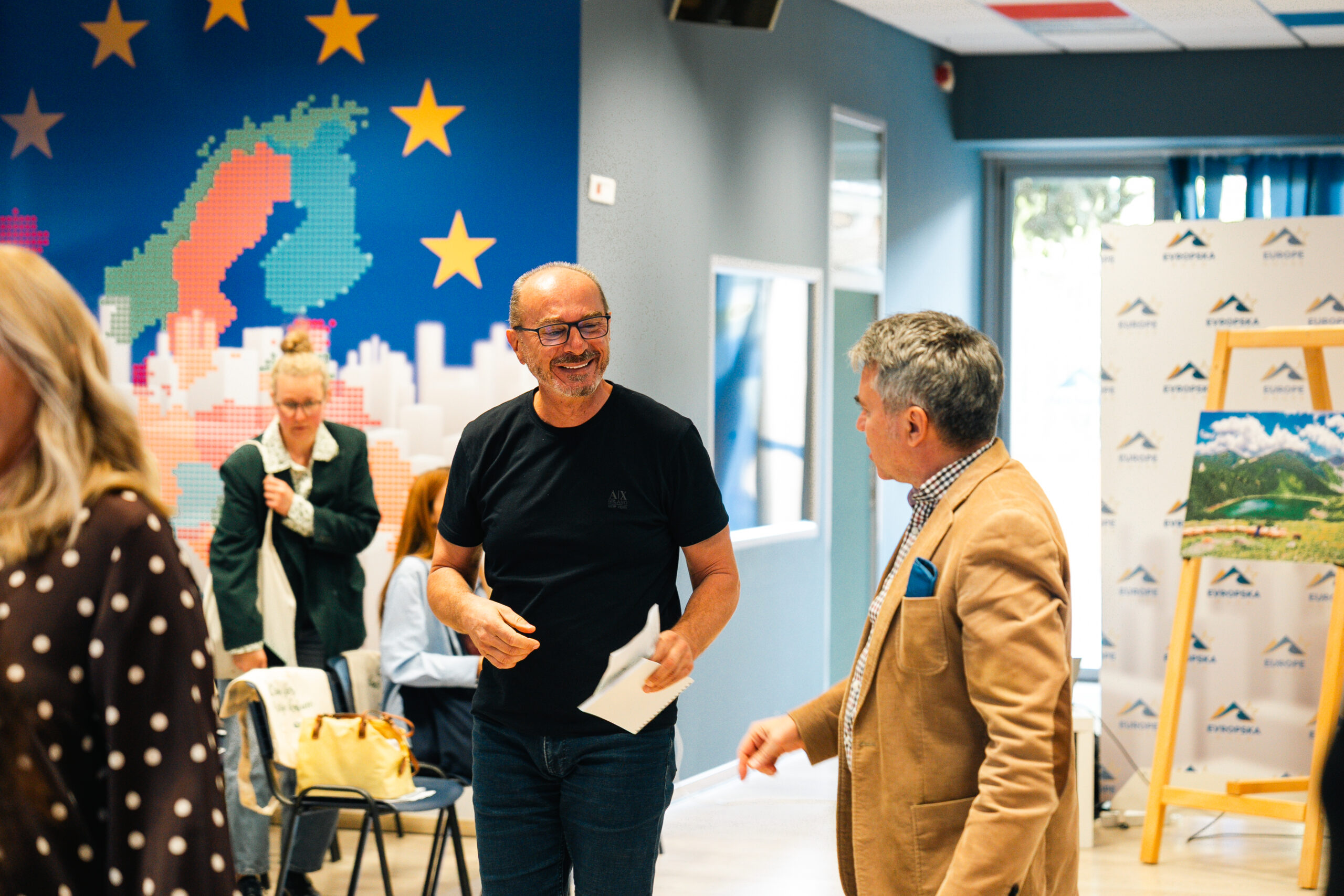
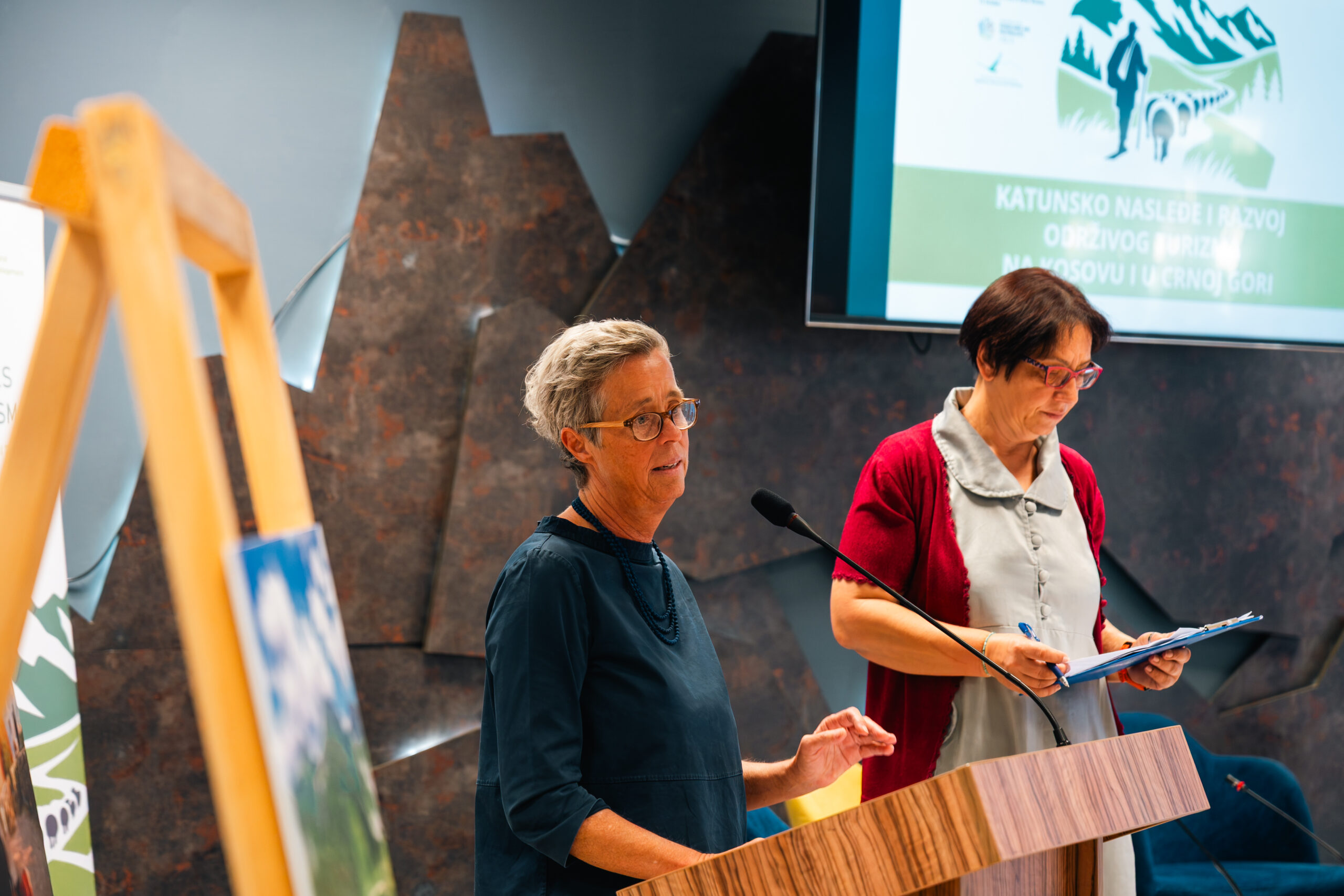
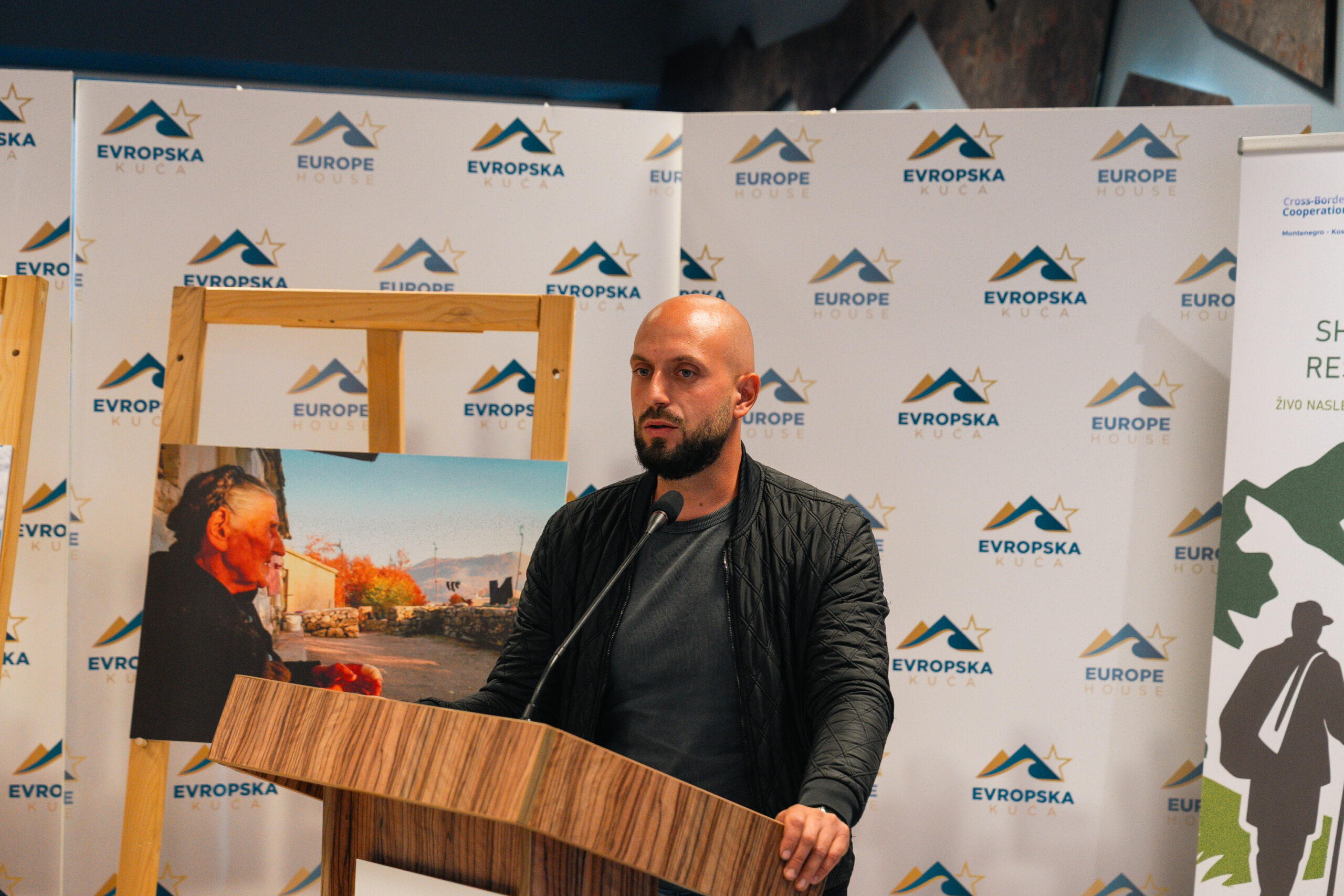
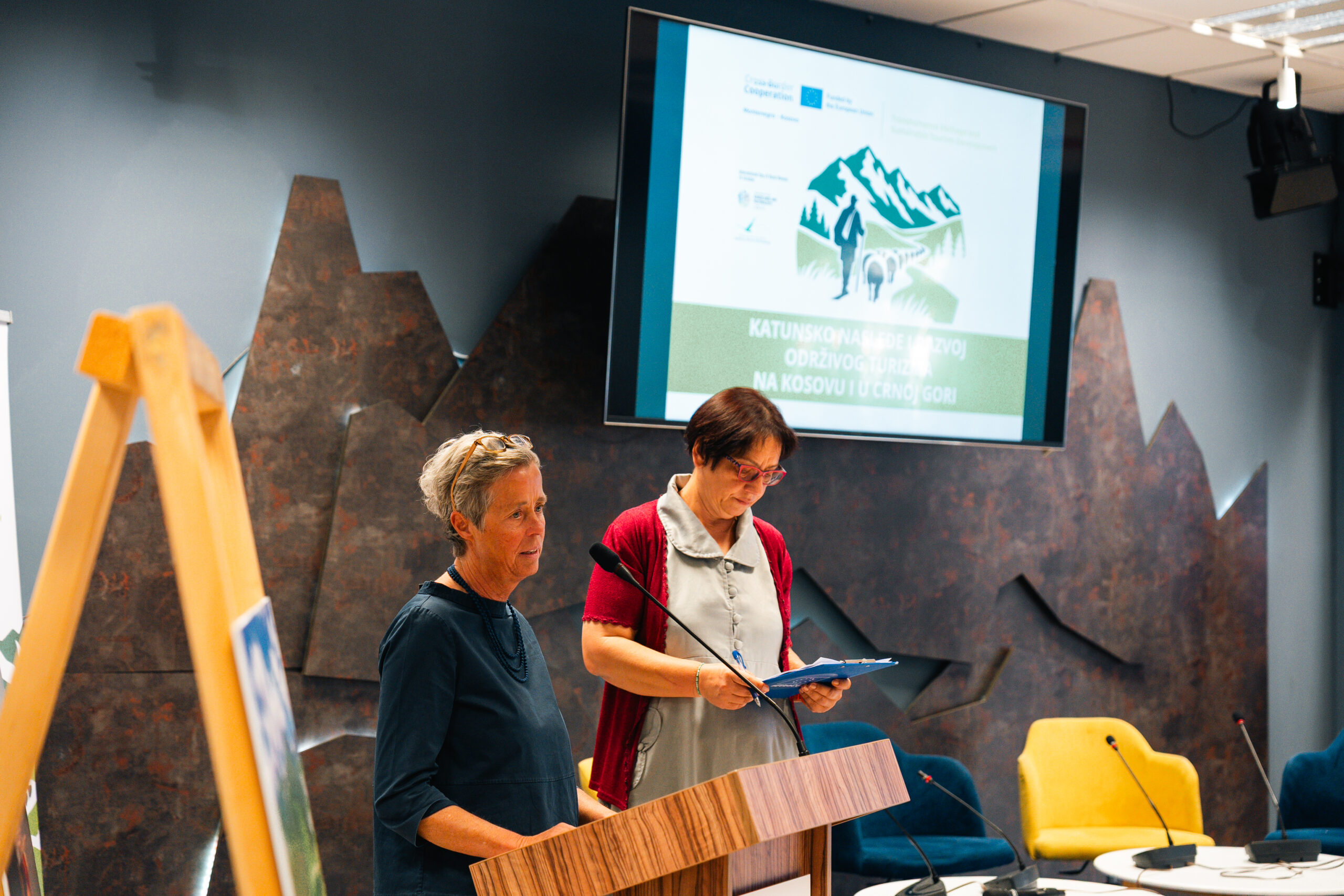
The conference opened with addresses by Friederike Wünschmann, representative of the Delegation of the European Union to Montenegro; Miloš Kusovac, Head of the Directorate for Programming within the Directorate-General for Rural Development at the Ministry of Agriculture, Forestry and Water Management; and Jelena Krivčević of the Regional Development Agency for Bjelasica, Komovi and Prokletije.
The representative of the EU Delegation highlighted the importance of preserving cultural diversity and traditional heritage in the European integration process, as well as the role of EU support and cross-border cooperation in creating new opportunities for rural communities. Particular attention was given to rural women, their contribution to safeguarding traditions and the need to expand opportunities for their economic empowerment.
The representative of the Ministry of Agriculture emphasised that katuns are not only cultural heritage sites but also active agricultural landscapes whose survival depends on maintaining traditional livestock farming. He underlined the importance of supporting pastoral households, encouraging young people to engage in agriculture and developing additional sources of income, including sustainable rural tourism.
From National Protection to International Recognition
Important progress has been made in recent years towards recognising the value of katun heritage. In 2025, traditional seasonal pastoralism and life on the katuns were officially recognised as intangible cultural heritage of Montenegro. An application has also been prepared for the inclusion of Montenegro’s katuns in the FAO Globally Important Agricultural Heritage Systems (GIAHS) programme.
The significance of these developments was explored during the conference. Tanja Vujović of the Administration for the Protection of Cultural Property spoke about national heritage recognition and safeguarding measures, while Aleksandra Kapetanović presented the GIAHS initiative and the opportunities it offers for preserving traditional agricultural systems.
Another important development was the initiative to nominate the traditional practice of seasonal livestock migration to katuns for inscription on the UNESCO Representative List of the Intangible Cultural Heritage of Humanity. Signatures in support of this initiative were collected during the conference.
However, one of the central questions raised at the conference was how to translate these forms of recognition into tangible support for pastoral families.
“What do these recognitions mean to a family that moves to the katun every spring? Will they make it easier for them to continue raising livestock, restore their traditional mountain dwelling, improve production or secure a future for their children?” asked Jelena Krivčević of the Regional Development Agency for Bjelasica, Komovi and Prokletije.
Voices of Women and Young People from the Katuns
A special place in the programme was reserved for people who know katun life through their own experience.
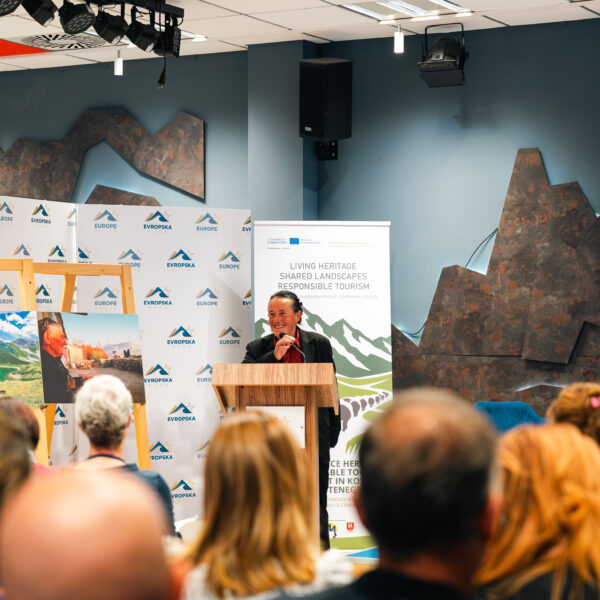
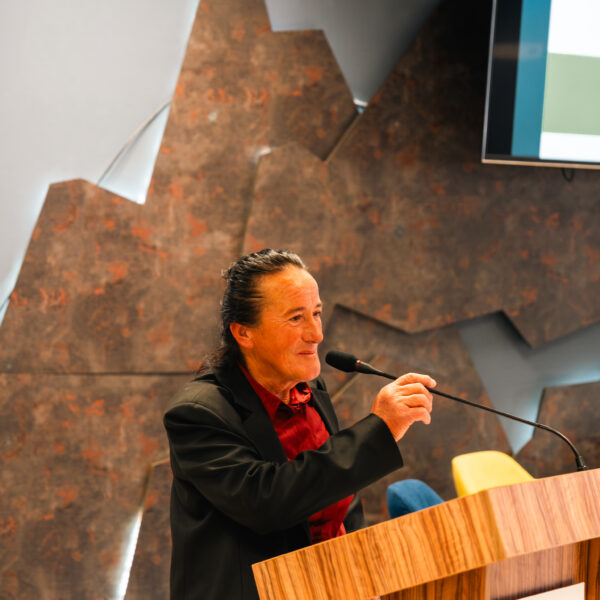
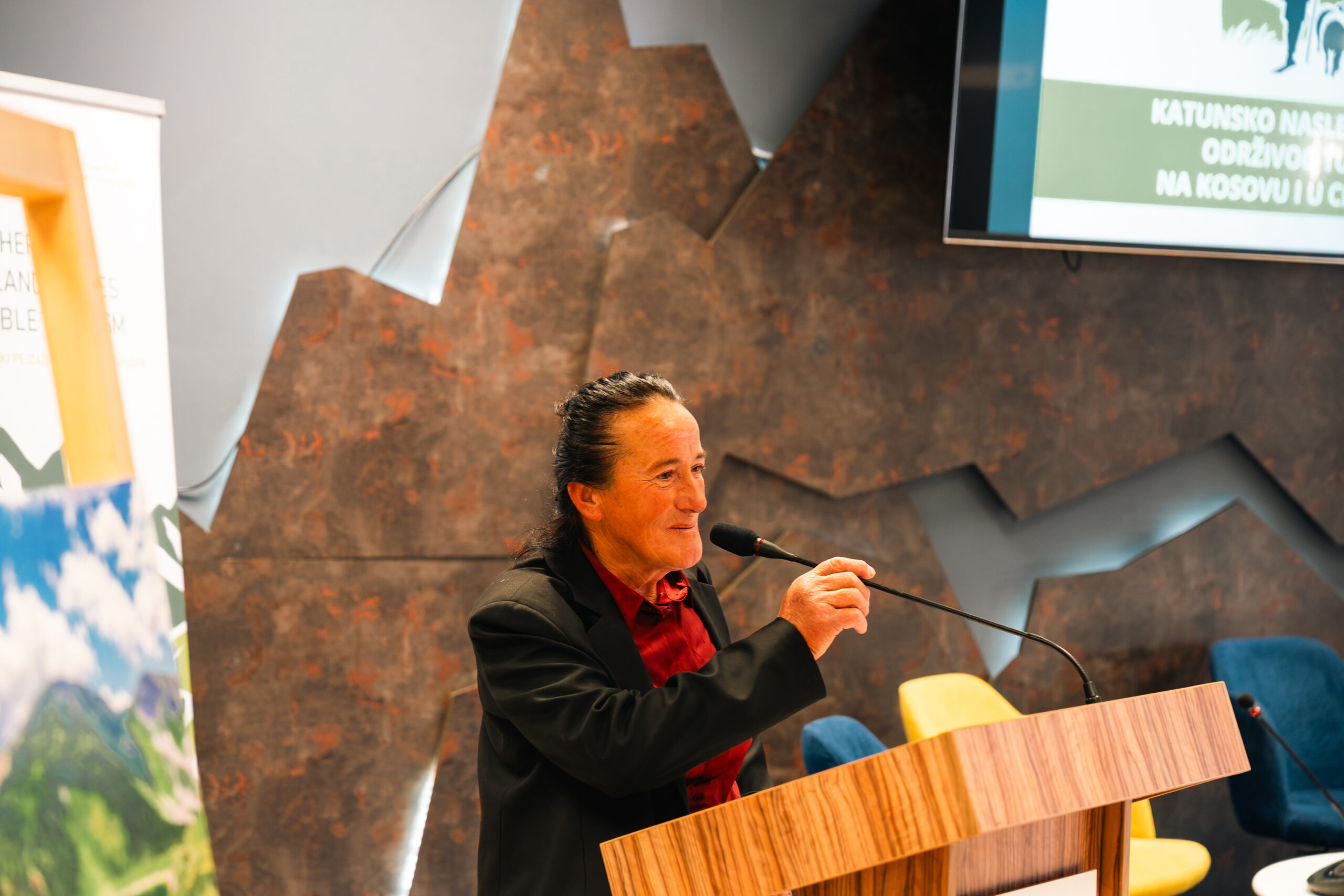
Gara Jovanović, a pastoralist from Sinjajevina and one of the central figures in the internationally acclaimed documentary To Hold a Mountain (Planina), shared the perspective of a woman whose life is inseparably connected to the mountains and livestock farming. Her participation was particularly meaningful on the International Day of Rural Women, highlighting the enormous, often insufficiently recognised role women play in sustaining katun life, traditional knowledge and food production.
The future of pastoralism was also addressed by Uglješa Živaljević, a young livestock farmer who, together with his wife and children, continues his family’s tradition. His experience raised an important question: how can we ensure that katuns remain places where younger generations can see a future for themselves?
Tourism That Supports Pastoralism
One of the key themes of the conference was the role of sustainable tourism in the economic survival of katun households.
Experience shows that tourism can generate additional income, create new opportunities for selling local products and encourage younger generations to maintain their connections with the katuns. However, tourism development must be carefully managed to ensure that it does not undermine the traditional agricultural function of these mountain settlements.
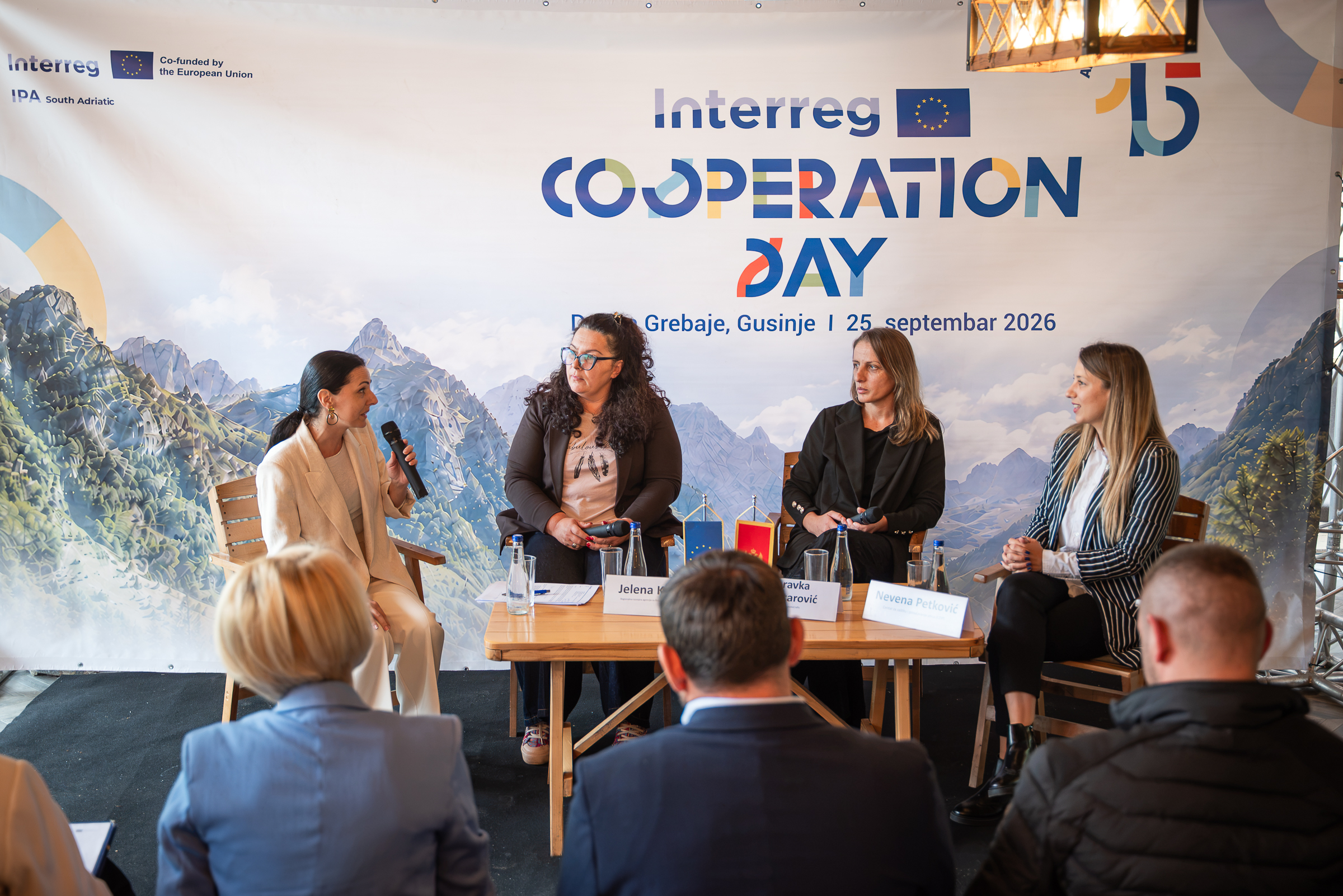
During the panel discussion, Danica Šekularac, Slavica Pavićević and Alen Redžematović shared their experiences as representatives of households that had undergone certification under the international Good Travel Seal sustainability standard. They were joined by Kirsi Hyvaerinen, an independent auditor for the programme.
Their examples demonstrated that responsible tourism and traditional pastoralism can reinforce one another while respecting natural resources and local ways of life.
The goal is not to turn katuns into tourist resorts that merely resemble traditional katuns, but to ensure that tourism supports the families who keep them alive.
Creating the Conditions for Katuns to Survive
The second panel discussion focused on the practical challenges facing pastoralists: conditions for restoring traditional buildings, access to mountain pastures, food production, nature conservation and the pressures of uncontrolled construction.
These issues were discussed by Slavko Mitrović, a representative of a pastoralists’ association; Dragan Roganović of the Environmental Protection Agency; Maša Vučinić of the Public Enterprise for National Parks of Montenegro; and representatives of relevant institutions.
Particular attention was given to the need to harmonise regulations and nature conservation measures with traditional pastoral practices, as well as to ensure that pastoralists themselves are involved in decisions affecting the future of katun areas.
A New Cross-Border Project to Preserve Living Heritage
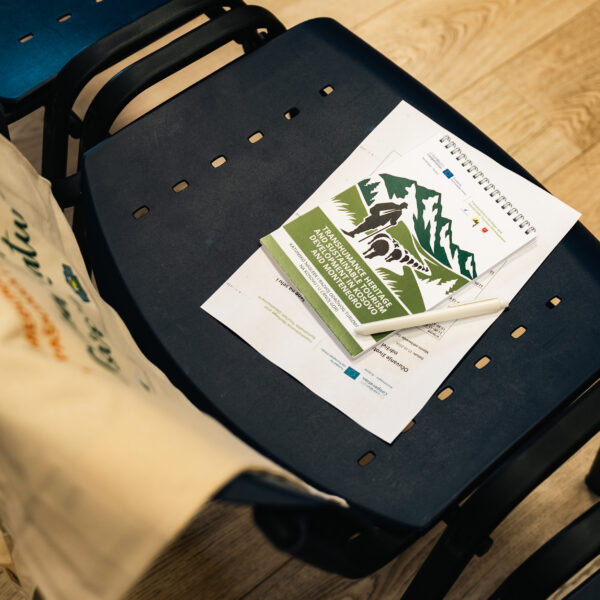
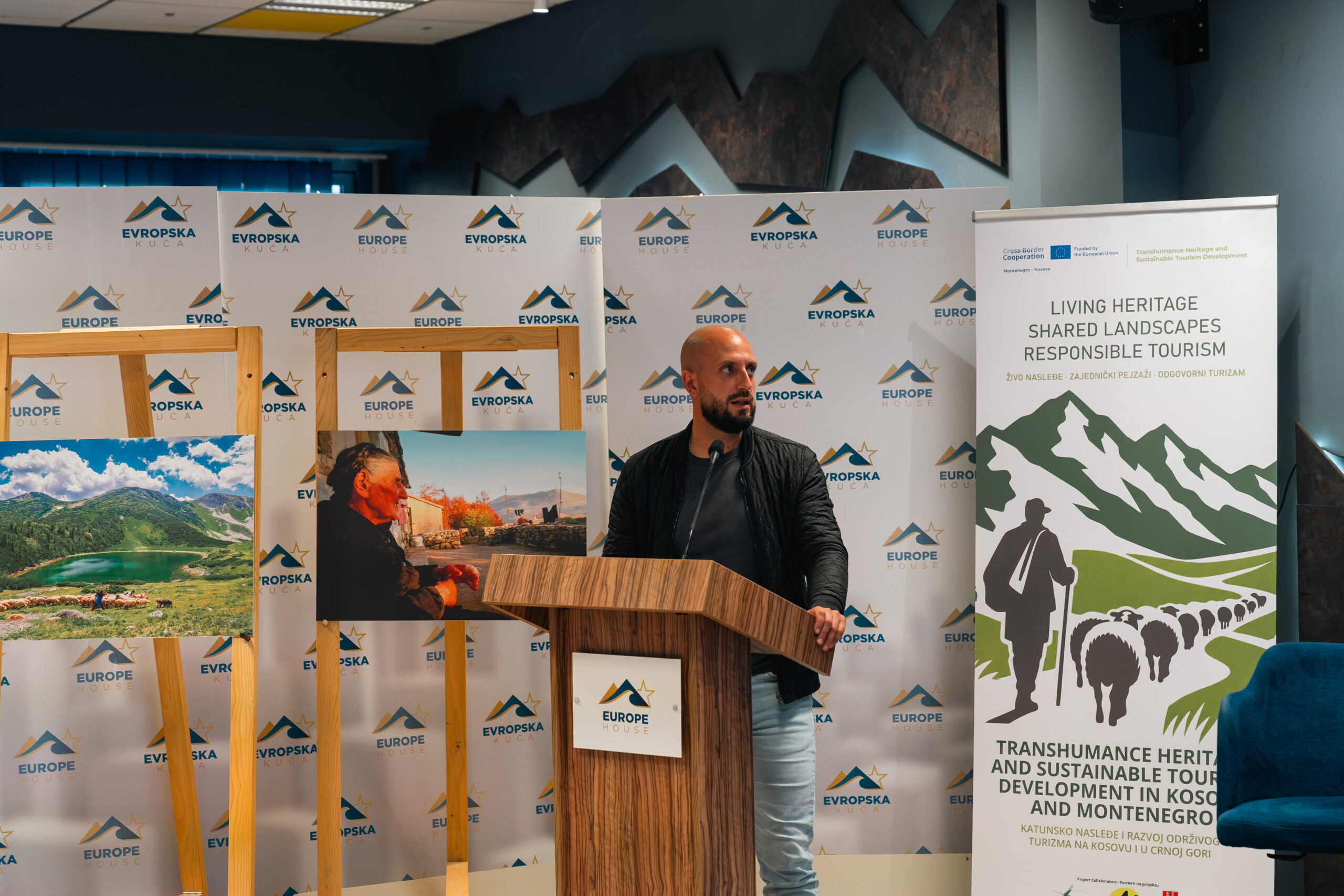
The conference also provided an opportunity to present a new Montenegro–Kosovo cross-border cooperation project, implemented with financial support from the European Union.
The project focuses on preserving transhumance heritage and developing sustainable tourism, connecting traditional knowledge and cultural heritage with new economic opportunities for mountain communities.
The conference reaffirmed the importance of bringing together pastoralists, institutions, local communities, experts and rural development organisations in this process.
Because preserving katuns is not simply about protecting their landscapes, traditional dwellings and customs. Their future depends on the people who live and work there.
As one of the conference’s key messages reminded participants:
“A katun without pastoralists may remain a beautiful landscape, a tourist attraction or a memory. But it will no longer be a katun.”