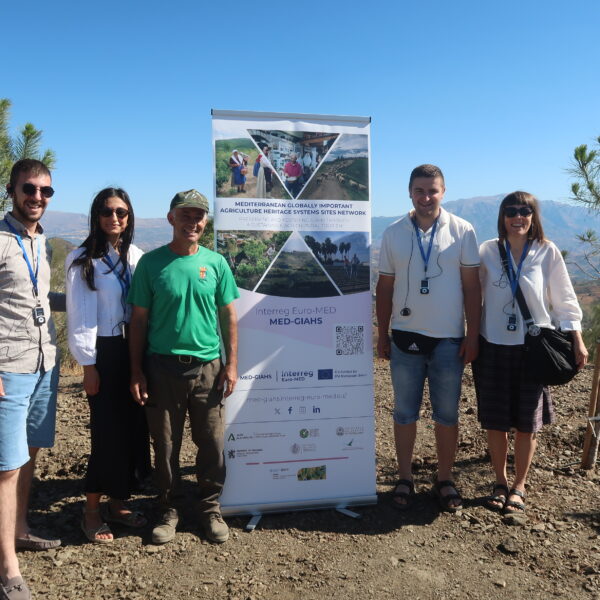
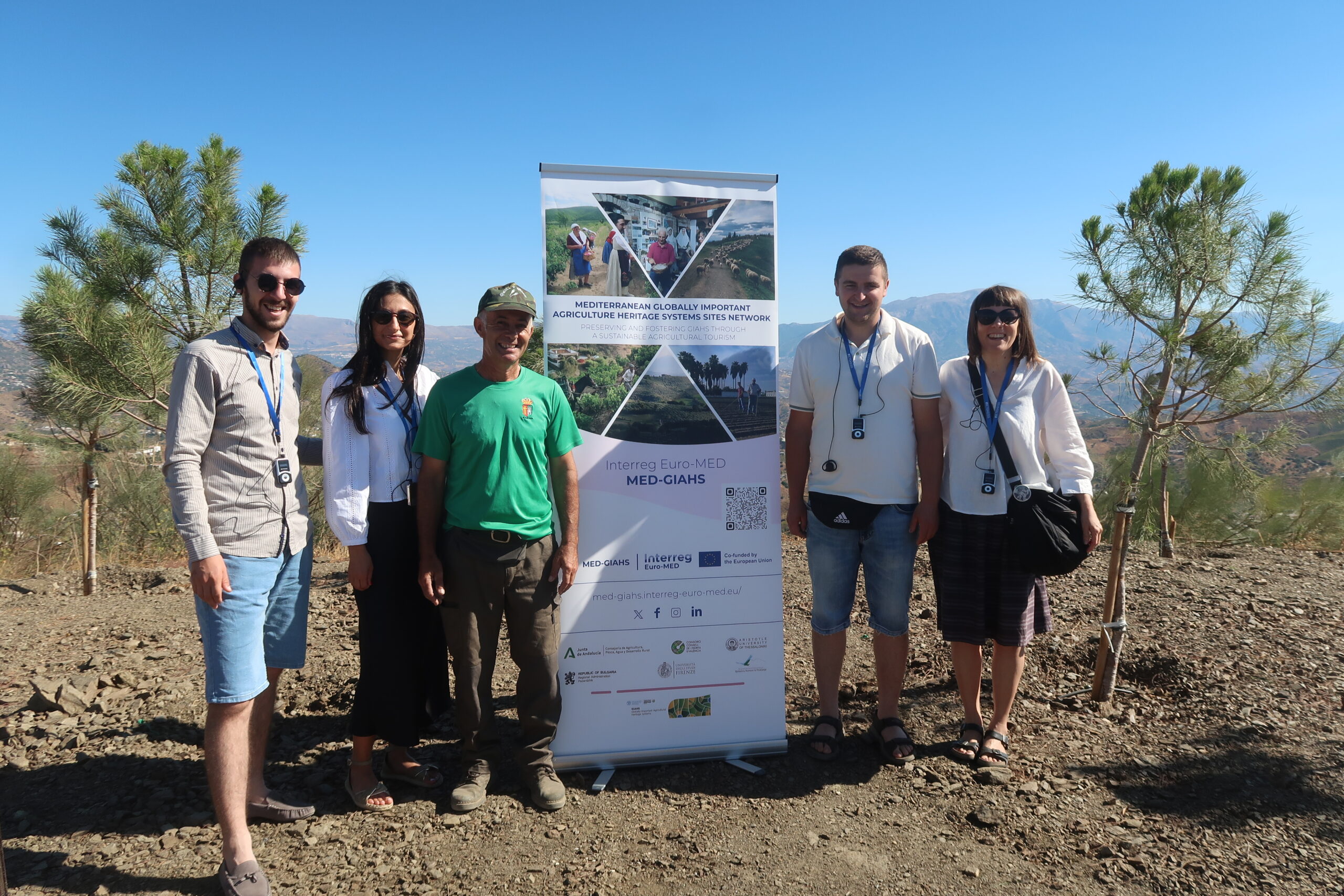
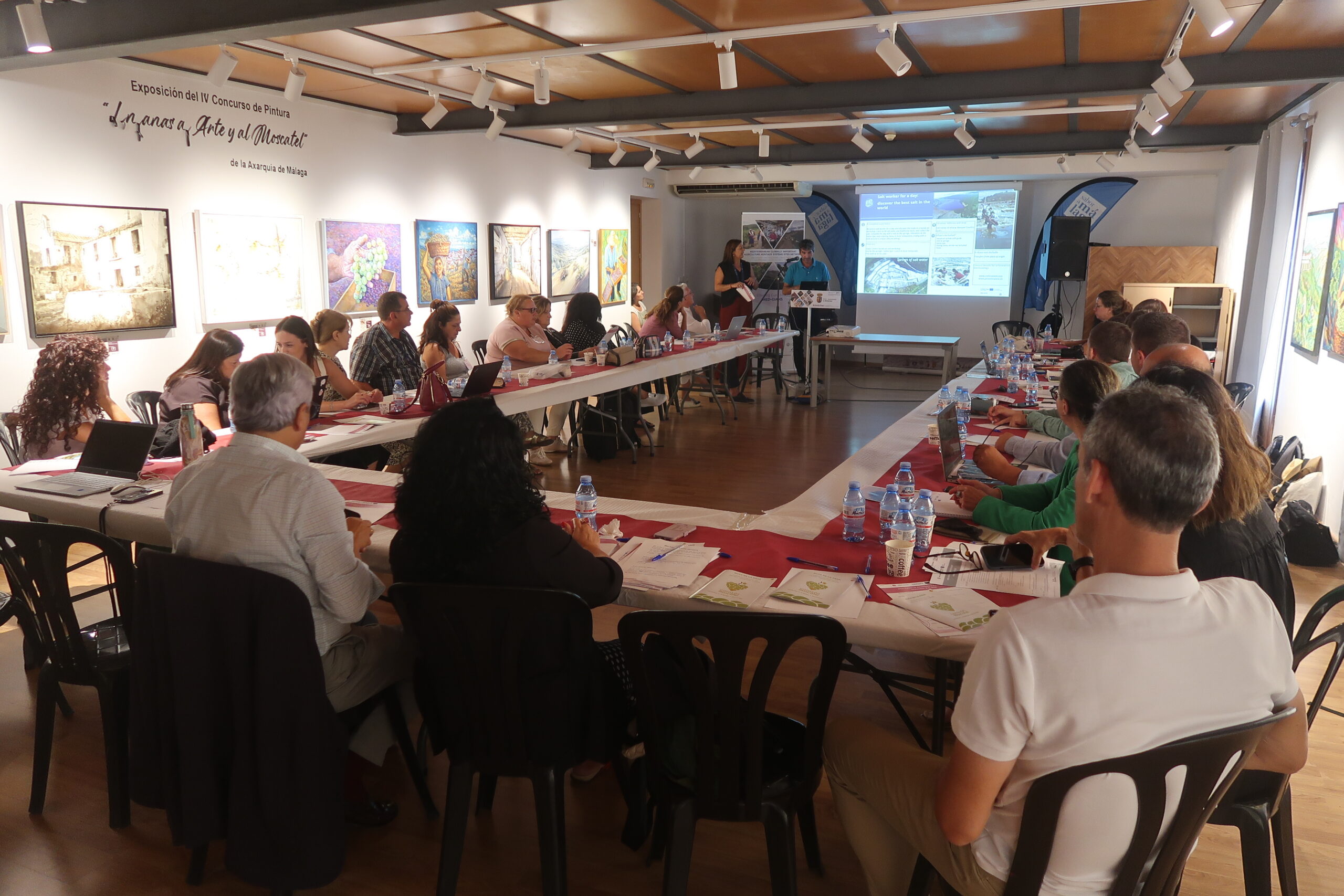
Within the MED GIAHS project (Interreg Euro MED program), a joint meeting and study visit to the Axarquía region in Malaga, Spain, was organized from September 8 to 11, 2025. The event gathered partners from Italy, Bulgaria, Greece, and Montenegro to strengthen the role of sustainable tourism in preserving exceptional agricultural landscapes.
Common Criteria and Tourism Experiences
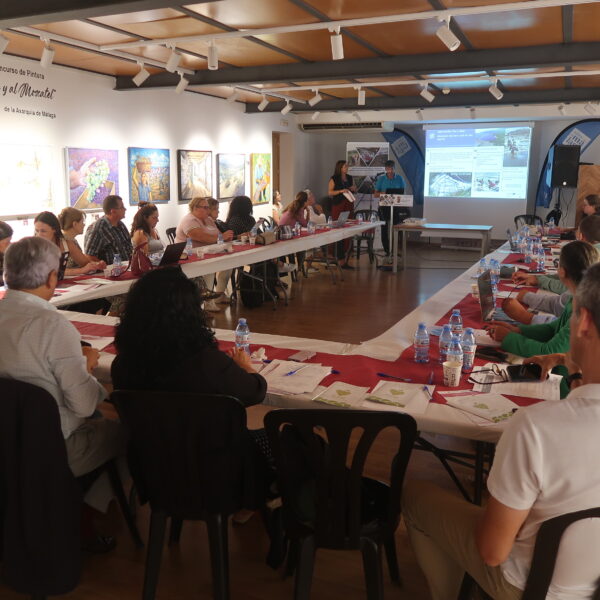
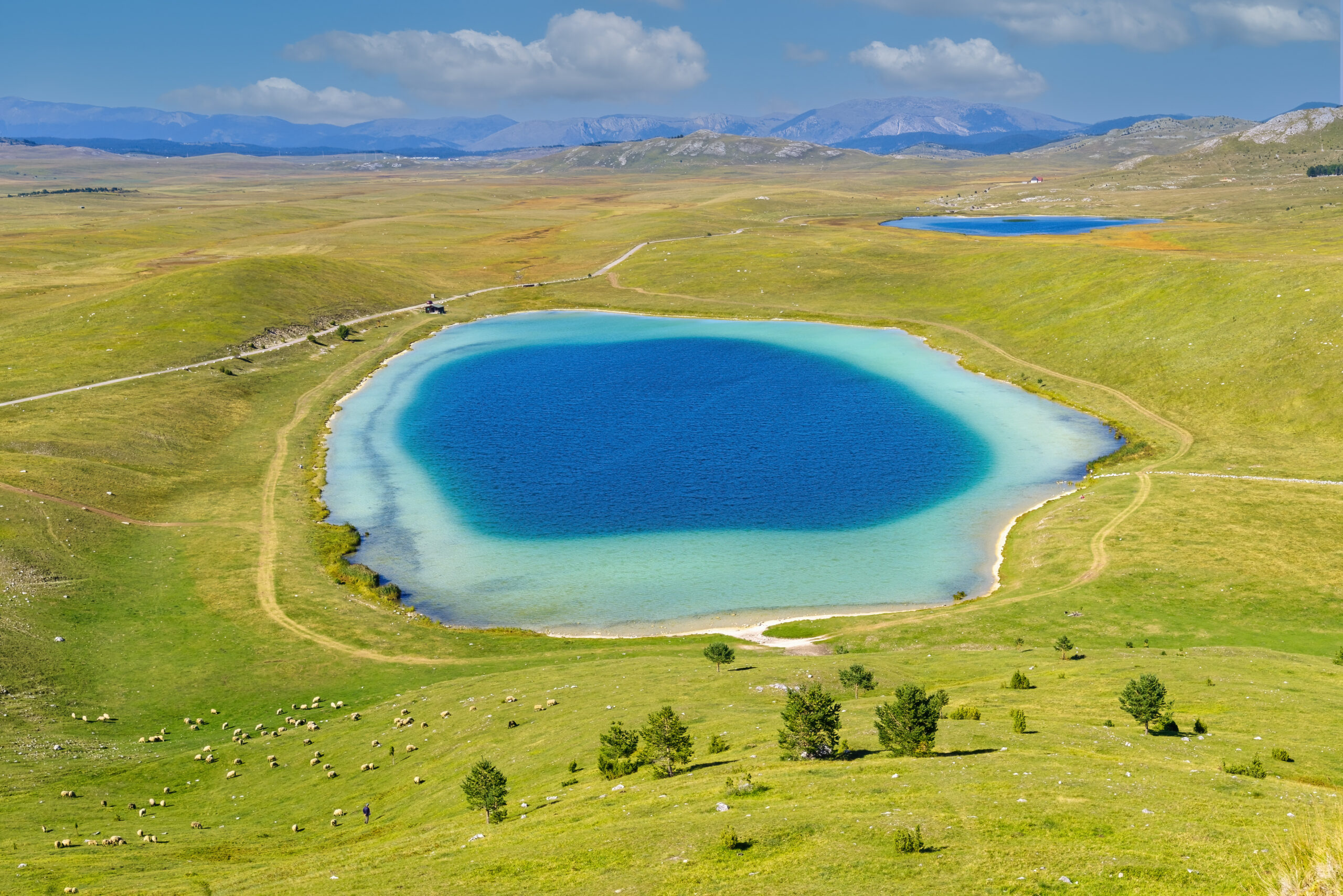
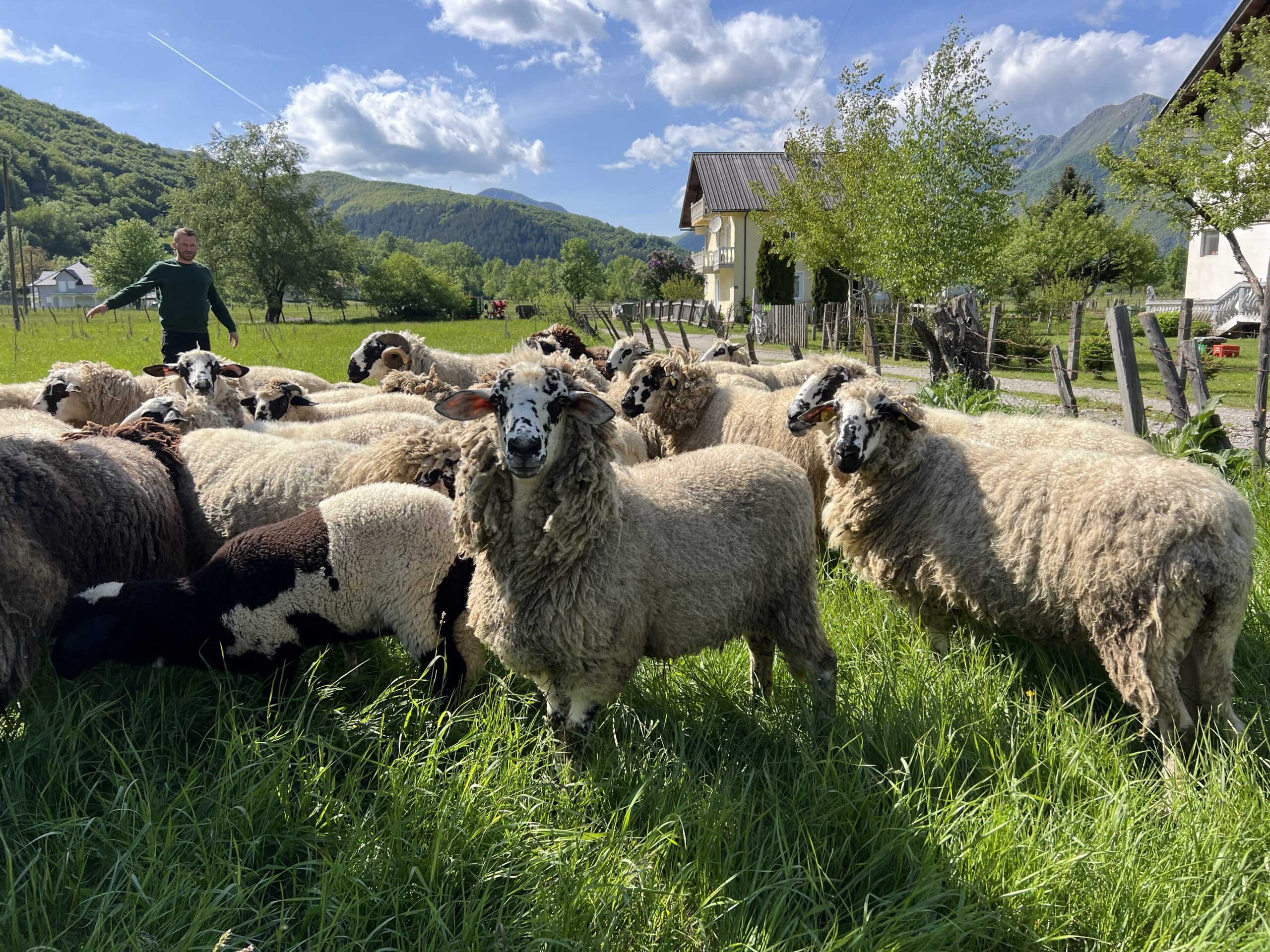
During the Steering Committee meeting and interregional seminar, criteria were adopted for a joint catalog of sustainable tourism. The focus was placed on direct contact with producers and the vital role of trained guides in presenting GIAHS values. For Montenegro, this process is essential as katuns are being prepared for official GIAHS inscription.
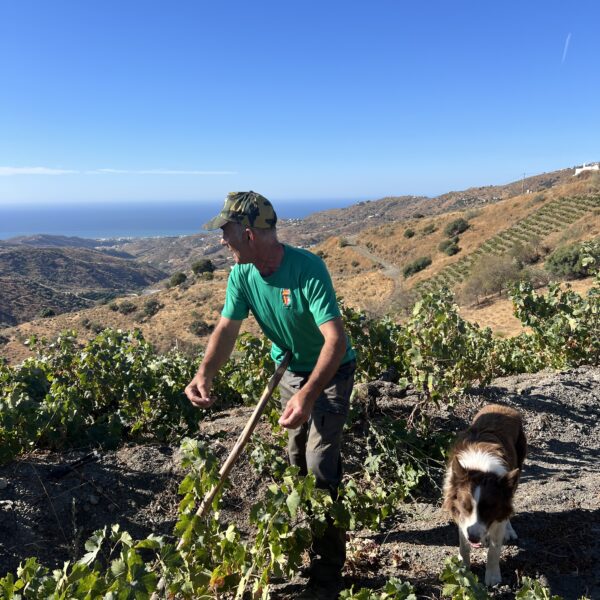
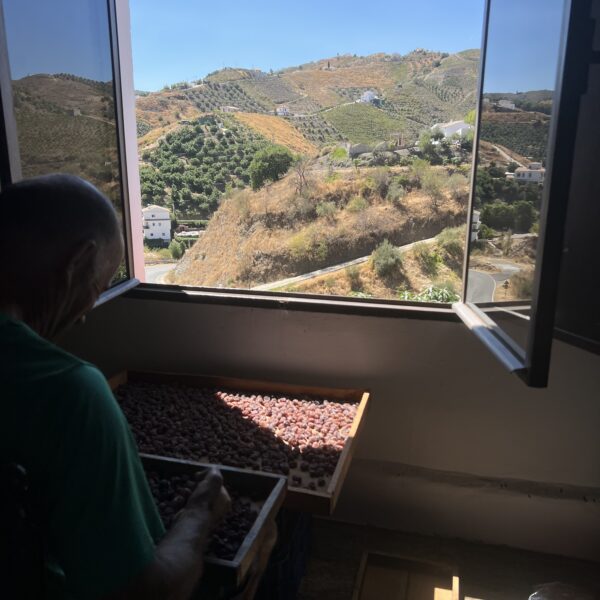
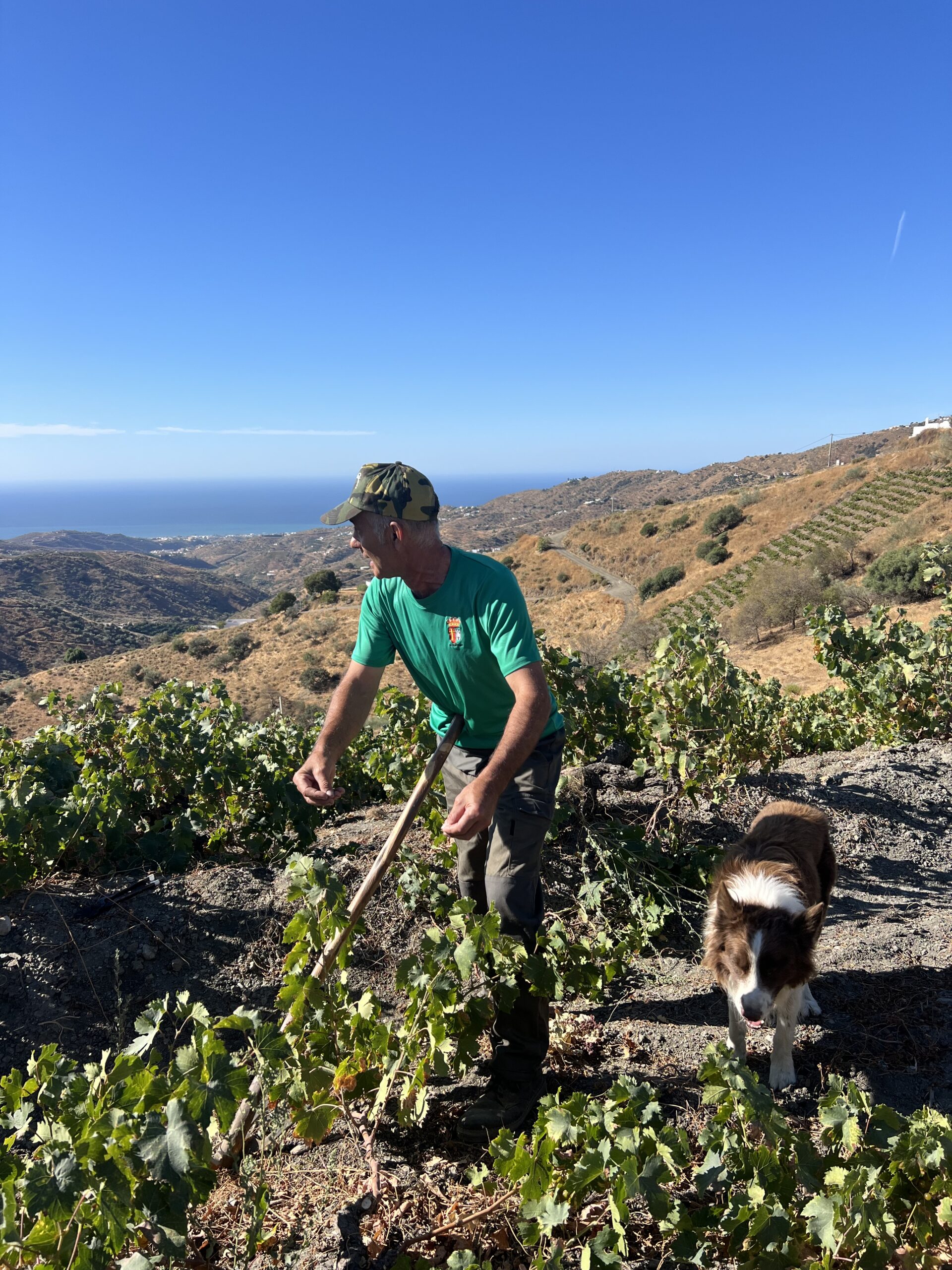
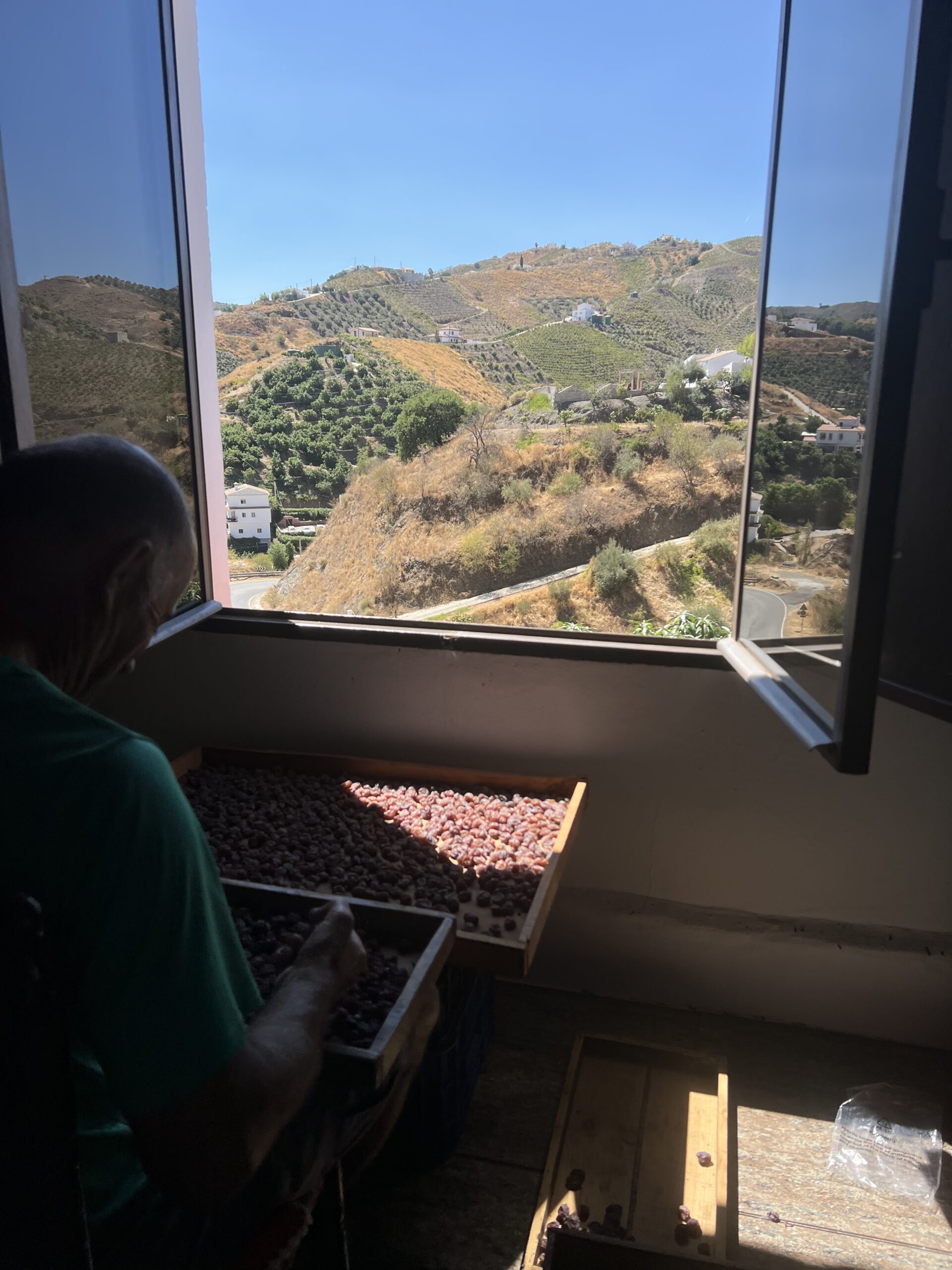
Participants visited a recognized GIAHS site – the Raisin Production System in Malaga. In the Montefaco vineyards, they witnessed the artisanal process of manual harvesting and sun-drying Muscat grapes, a practice that defines the region’s identity.
The MED GIAHS strategy and local agritourism catalogs were presented, showcasing experiences developed across partner regions. The municipalities of Comares and El Borge served as prime examples of how historical and landscape significance can drive sustainable rural tourism while safeguarding traditional agricultural practices.
The experience of recognized GIAHS sites demonstrates the necessity of linking katun preservation with economic empowerment. These examples provide a roadmap for improving the quality of life in Montenegro’s rural areas through heritage-based tourism.
Traditional Knowledge as a Foundation for the Future
The successful implementation of the MED GIAHS project allows Montenegro to utilize European best practices during the katun candidacy process. The focus remains on protecting traditional knowledge which, in synergy with tourism, serves as a guarantee for the survival of Montenegro’s authentic landscapes.