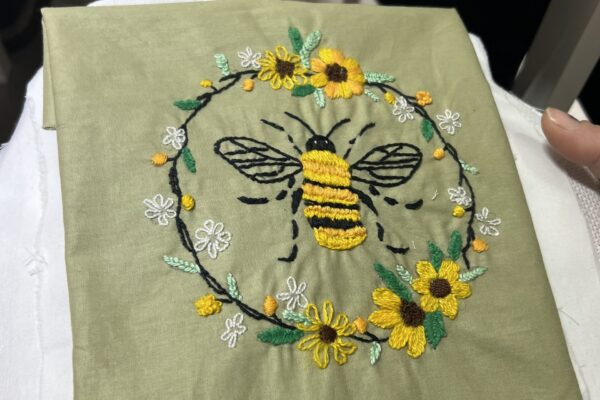
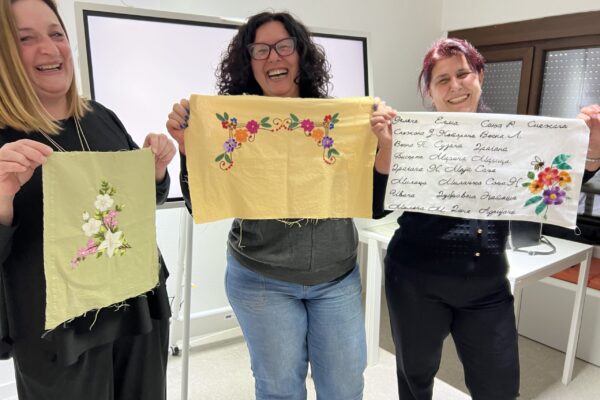
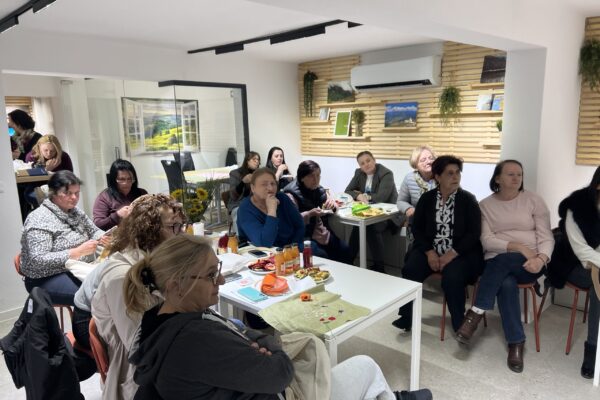
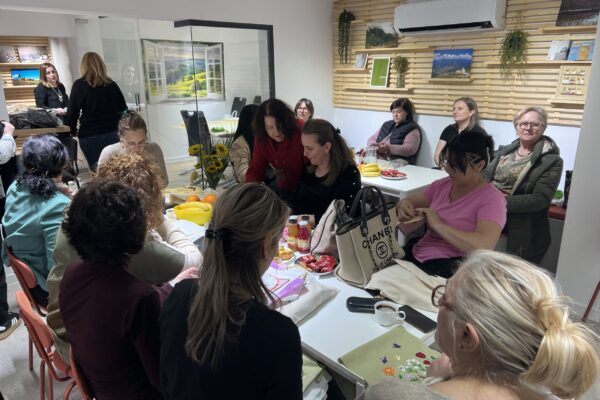
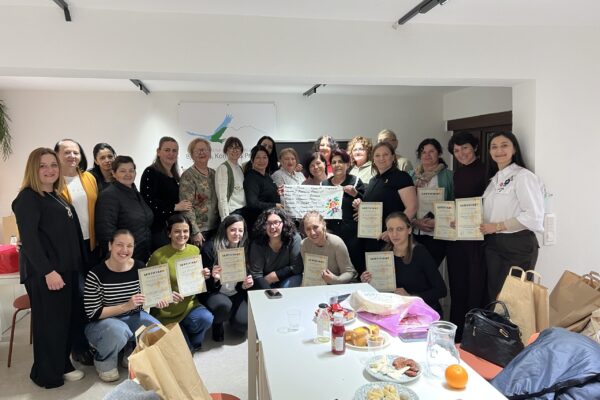
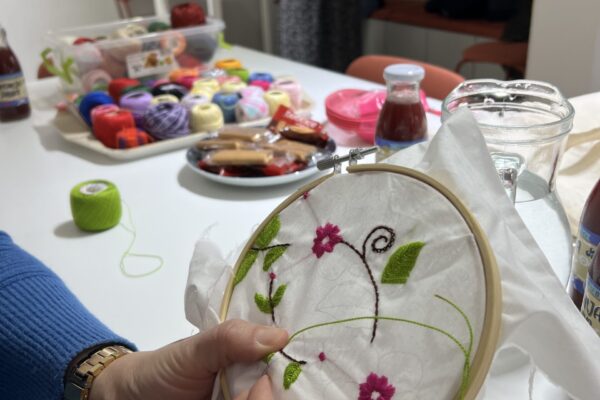
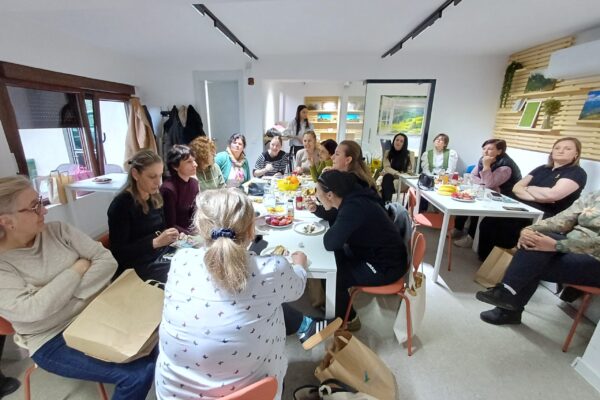
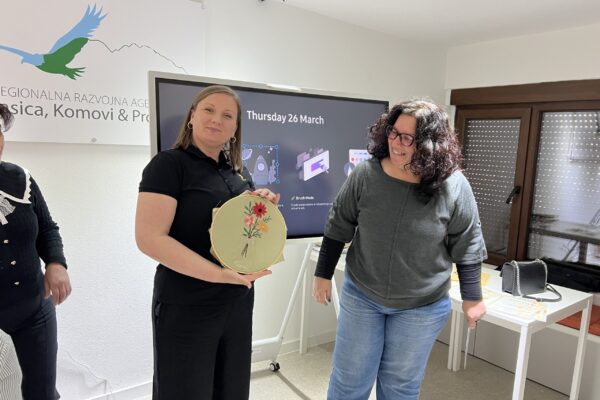
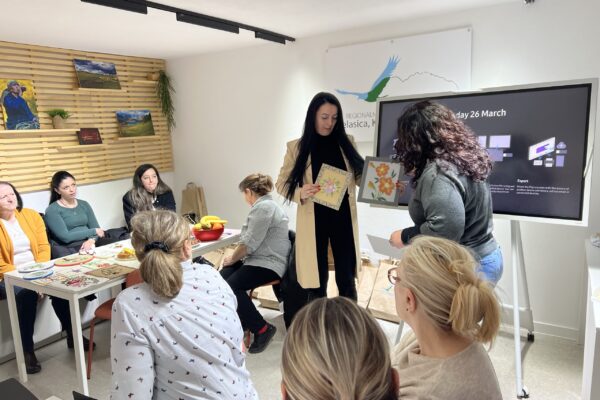
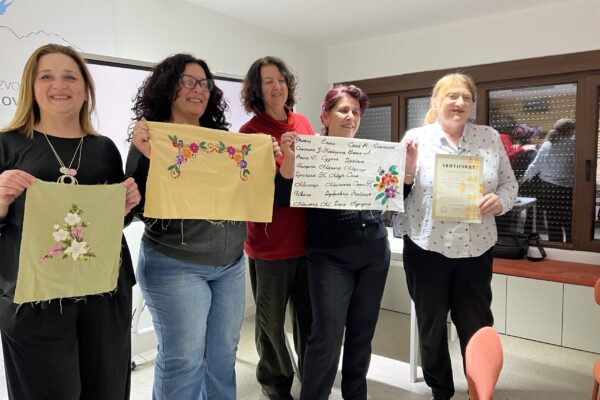
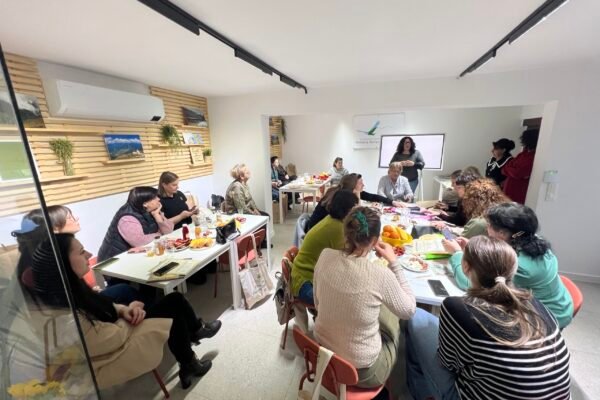
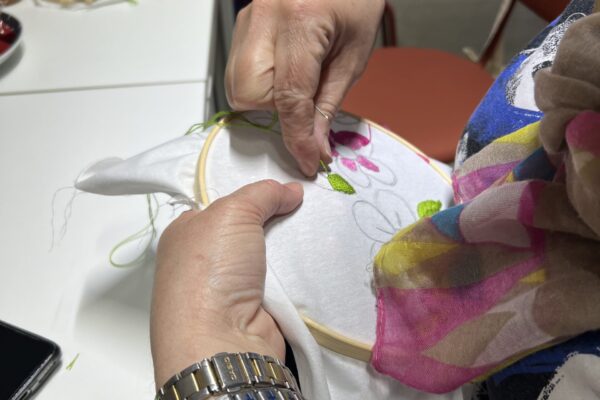
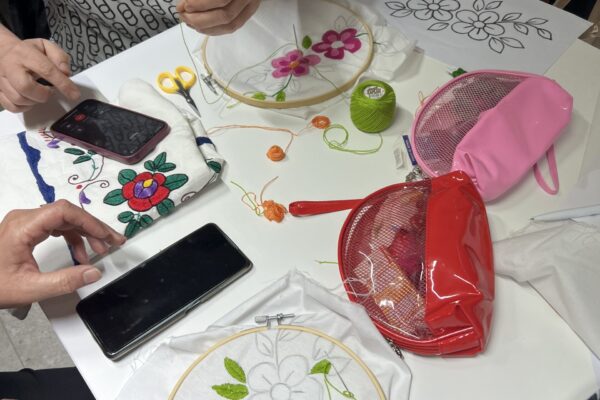
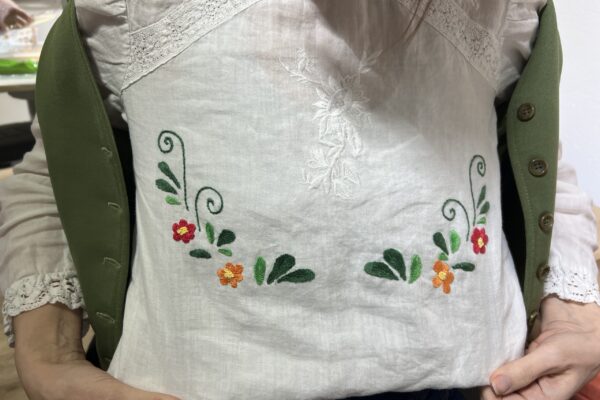
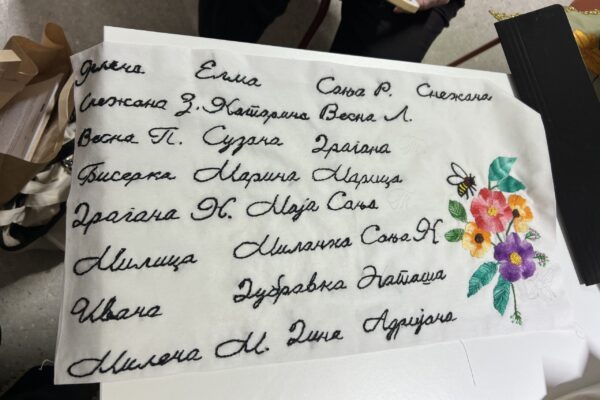
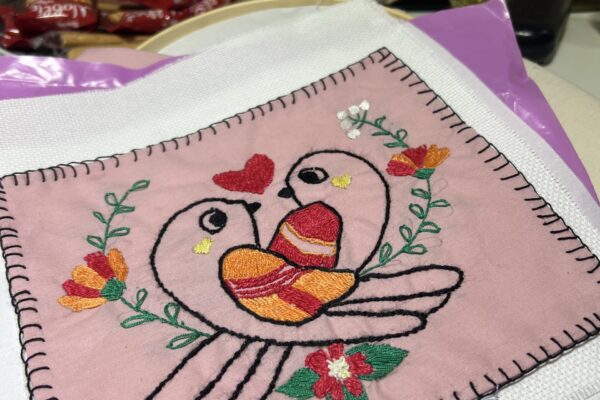
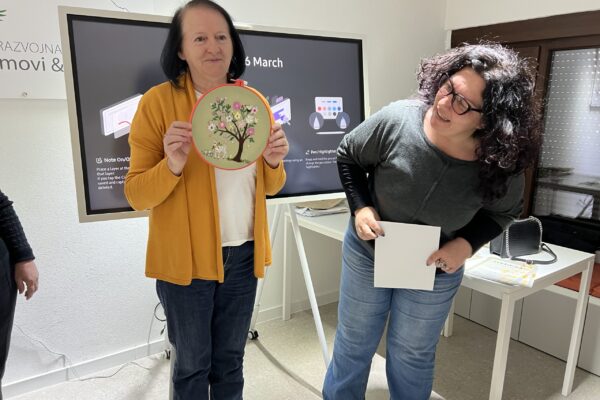
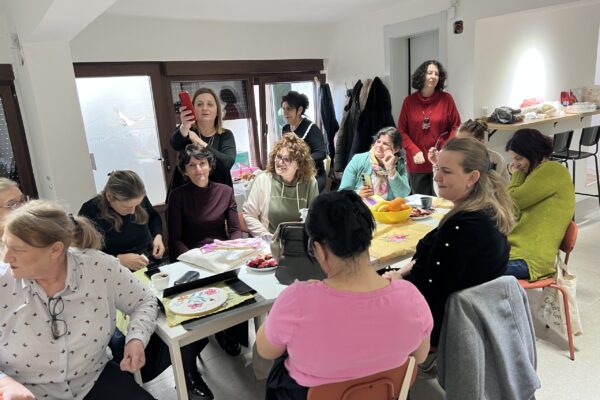
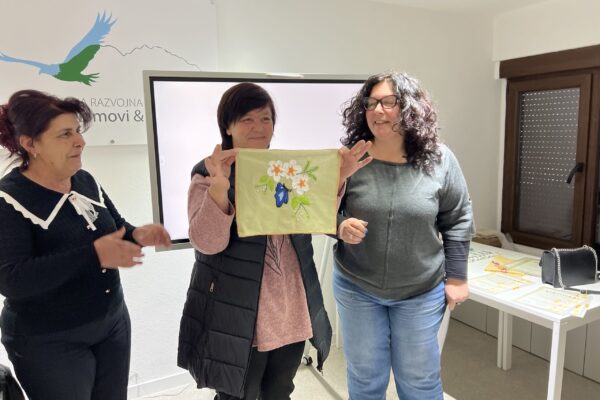
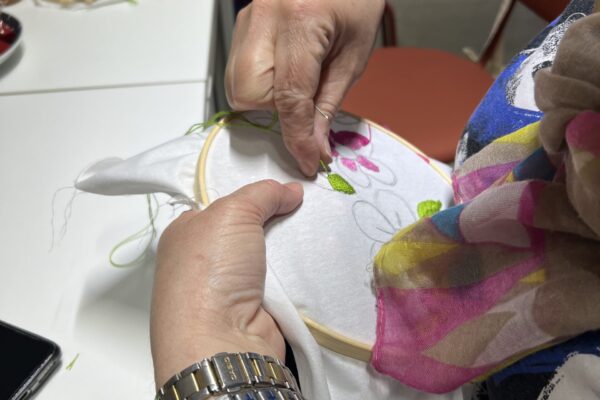
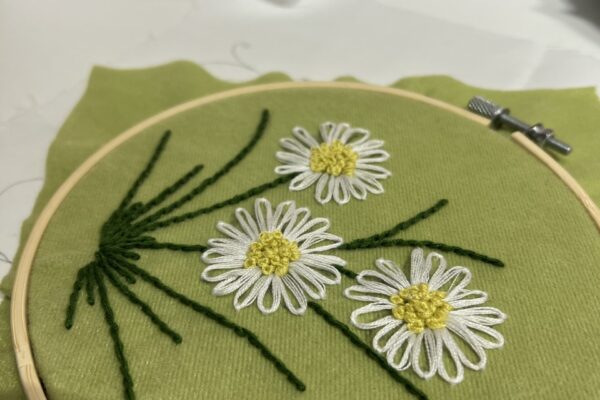
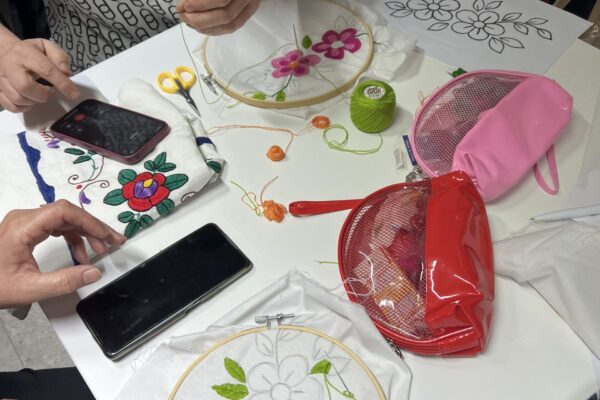
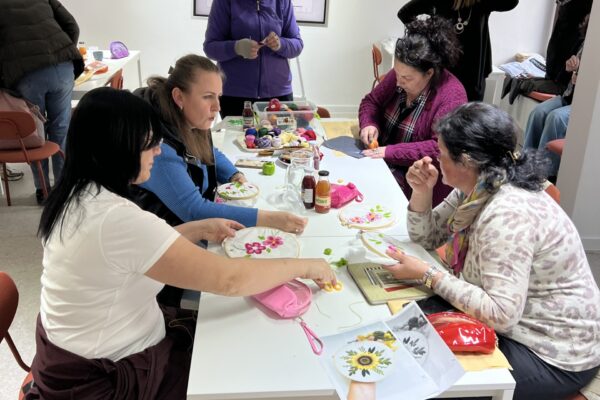
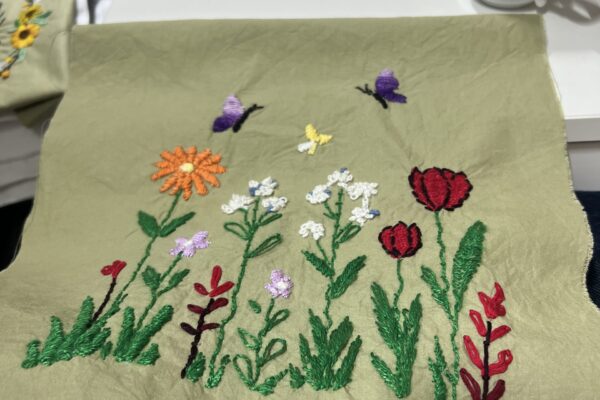
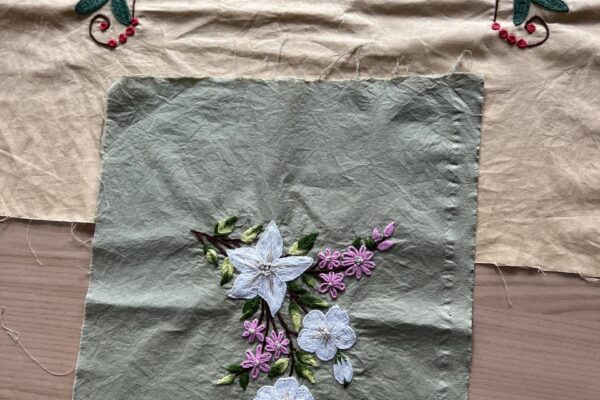
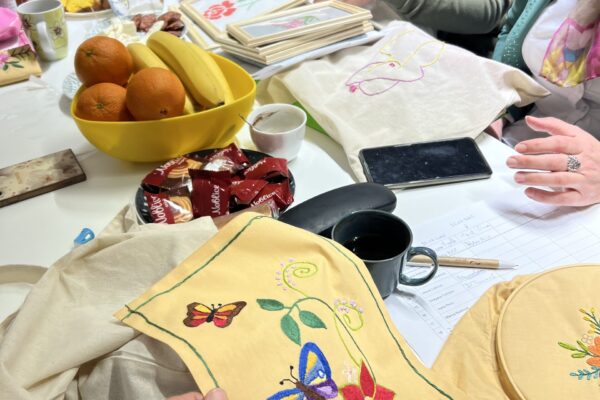
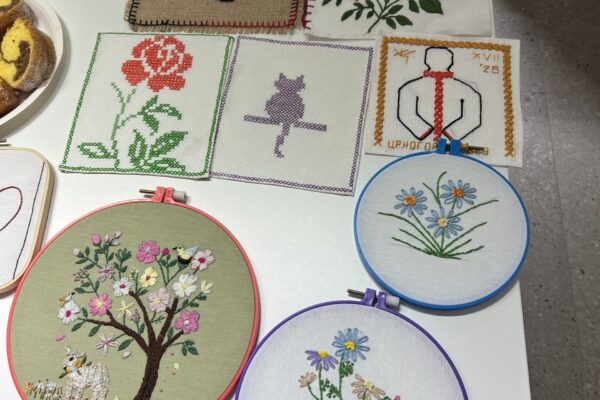
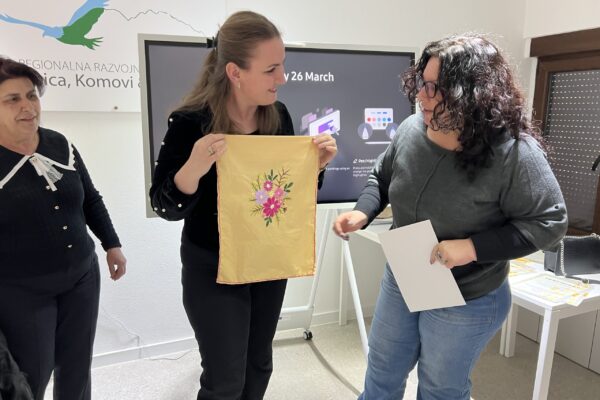
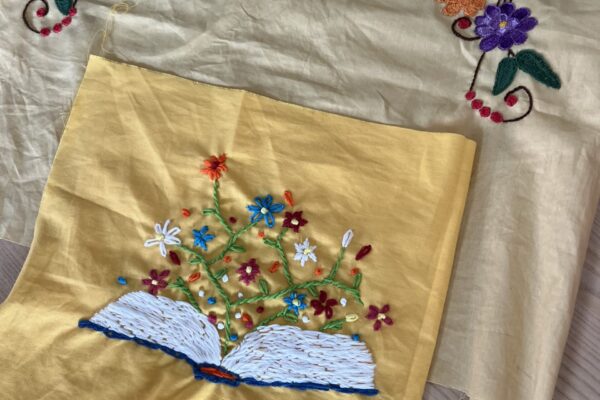
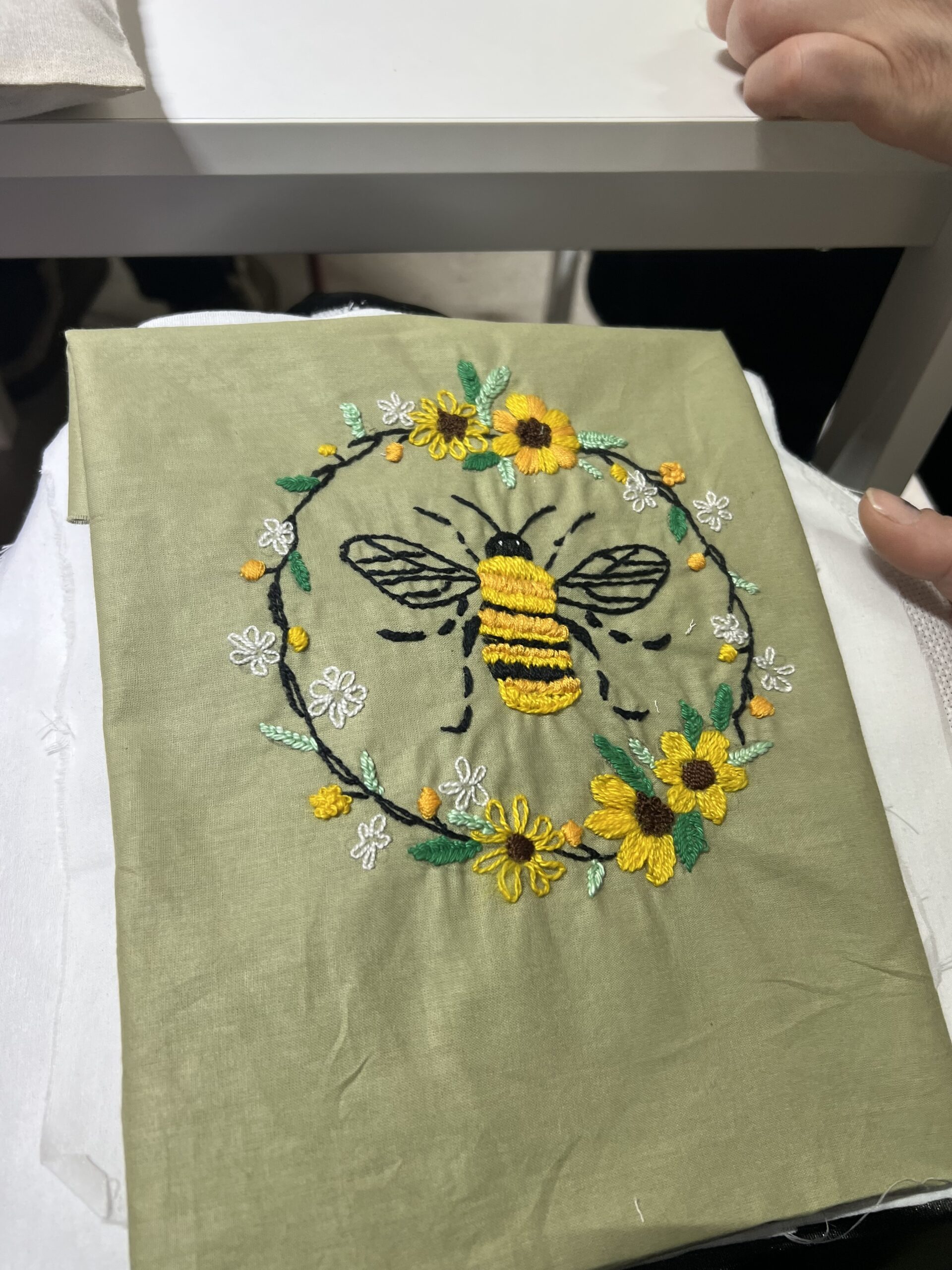
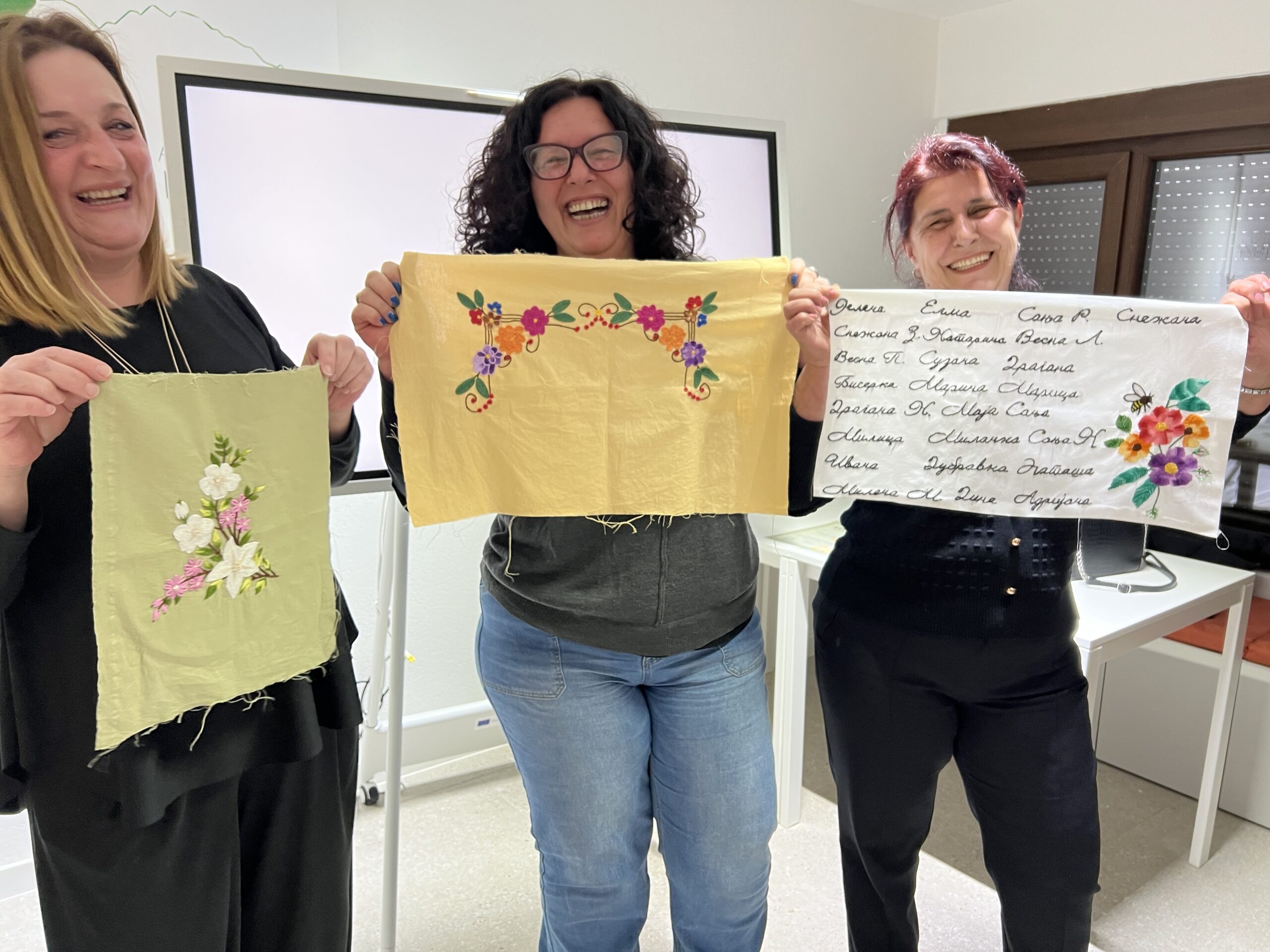
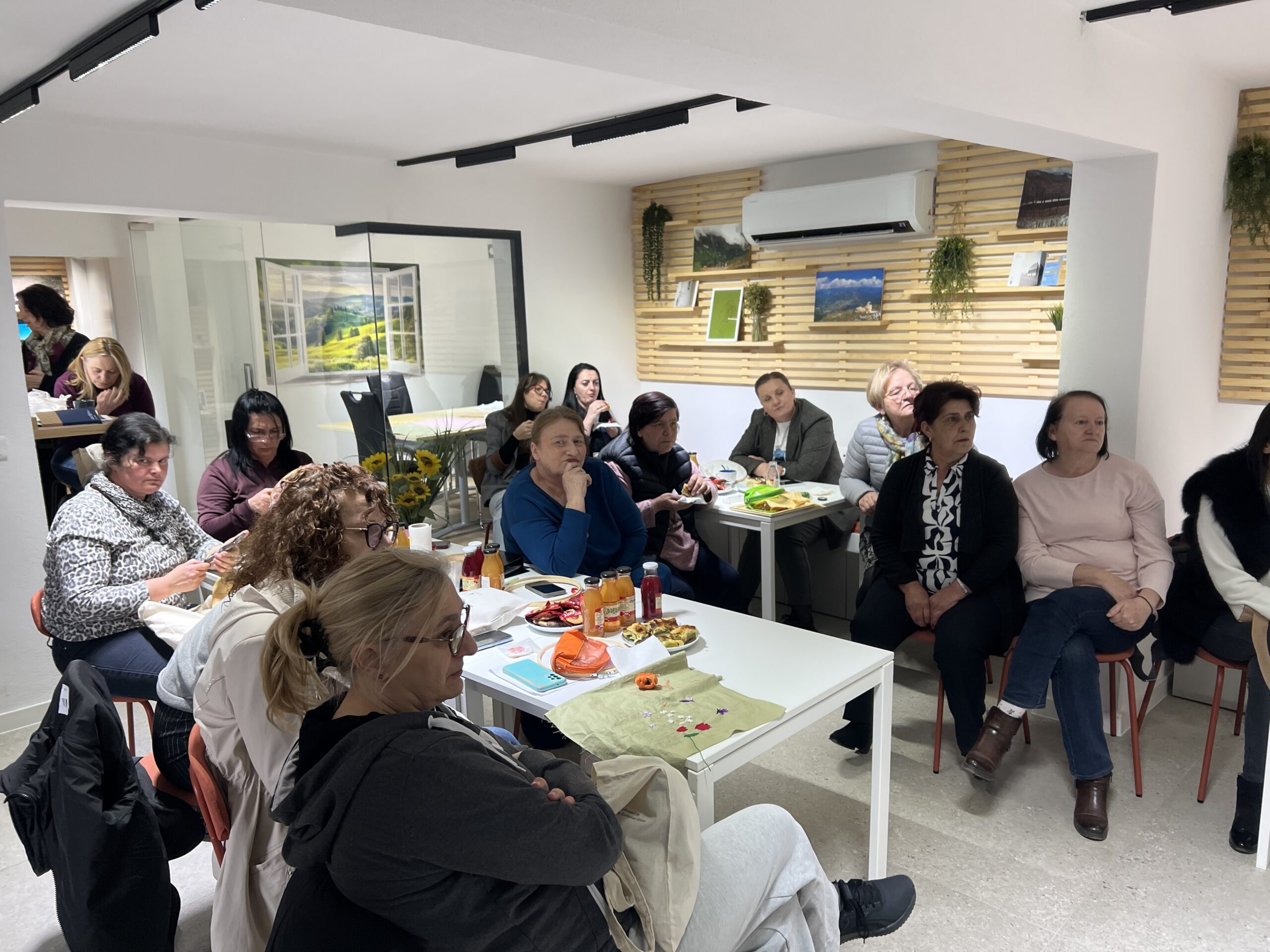
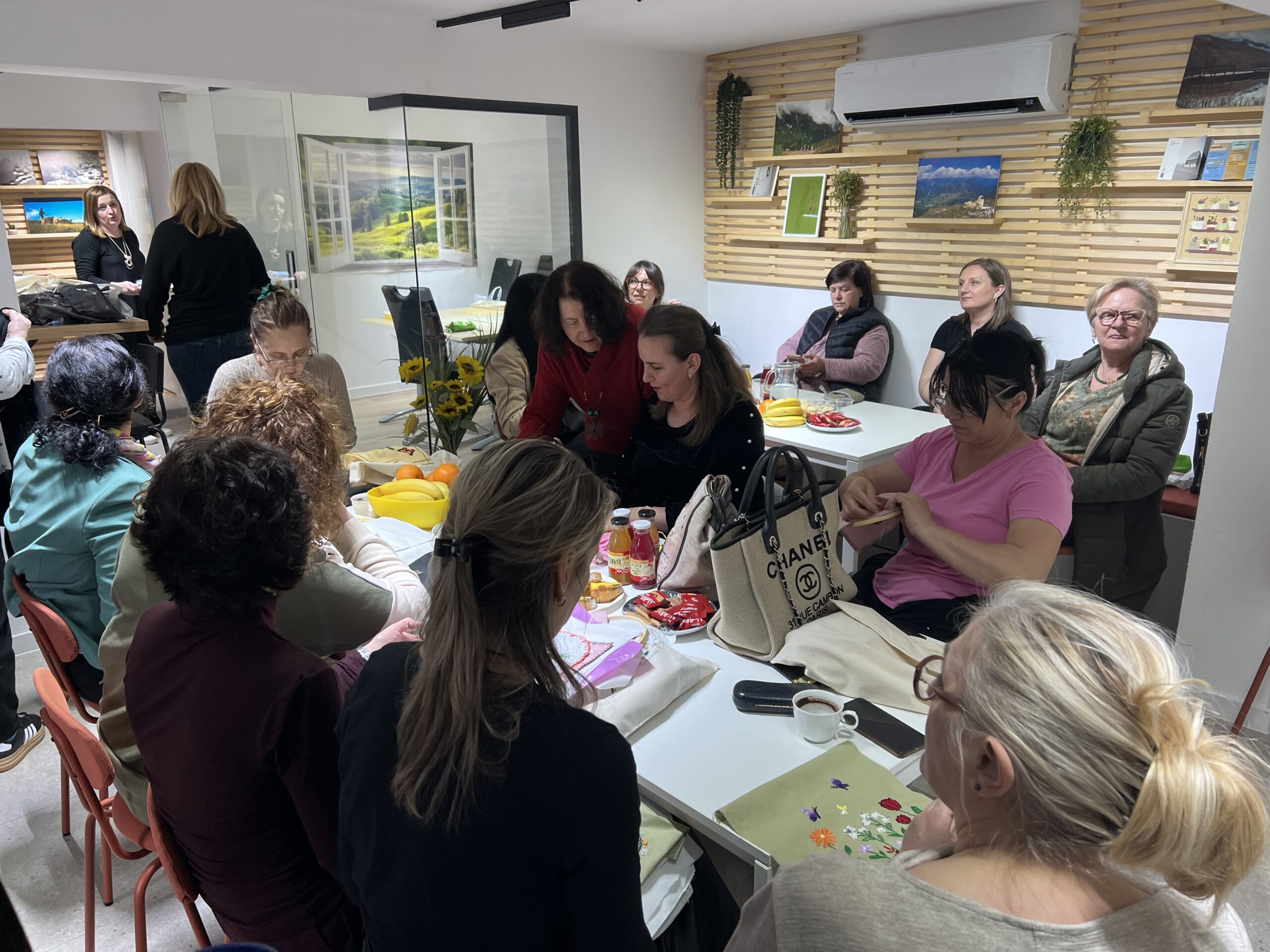
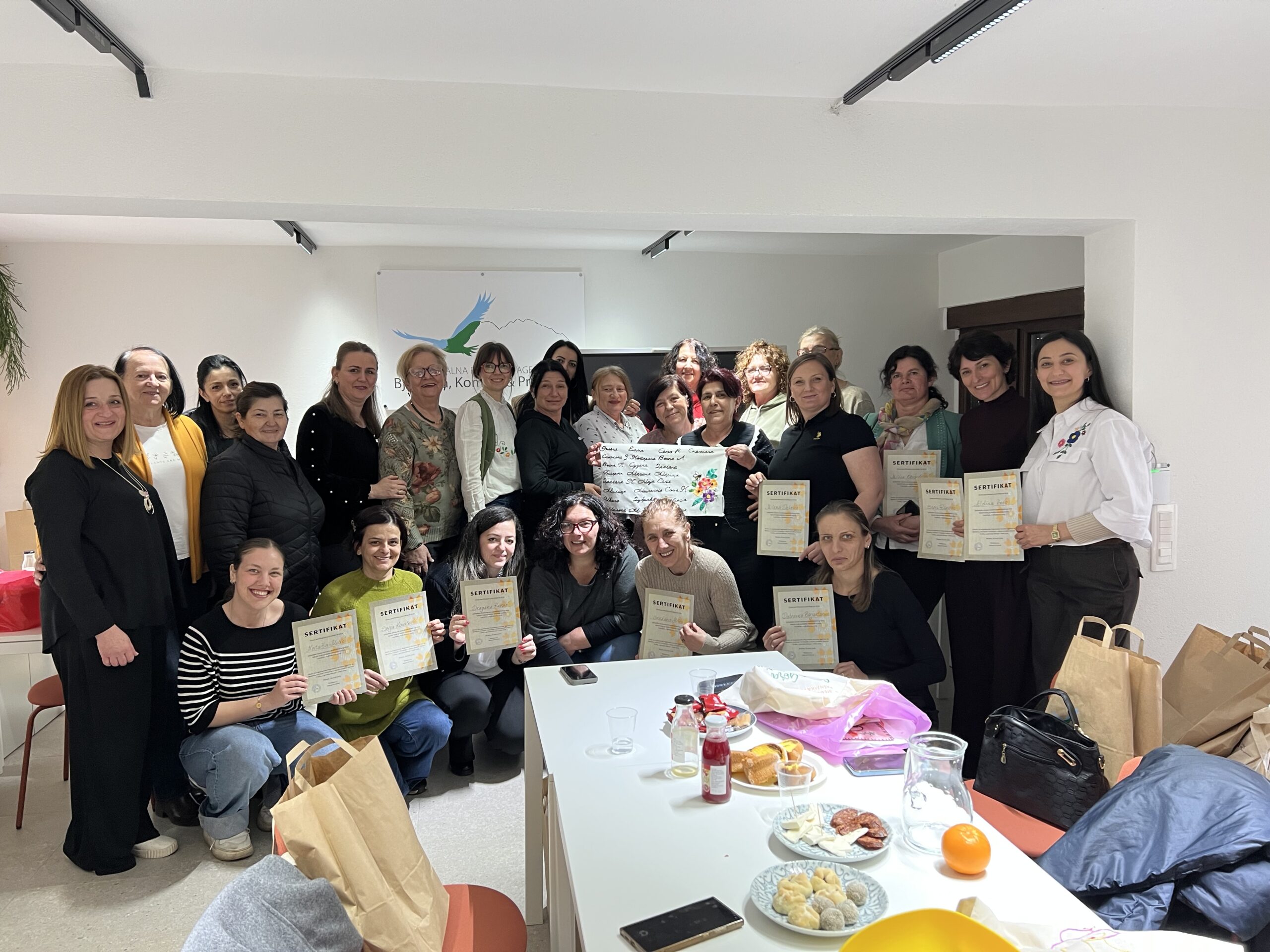
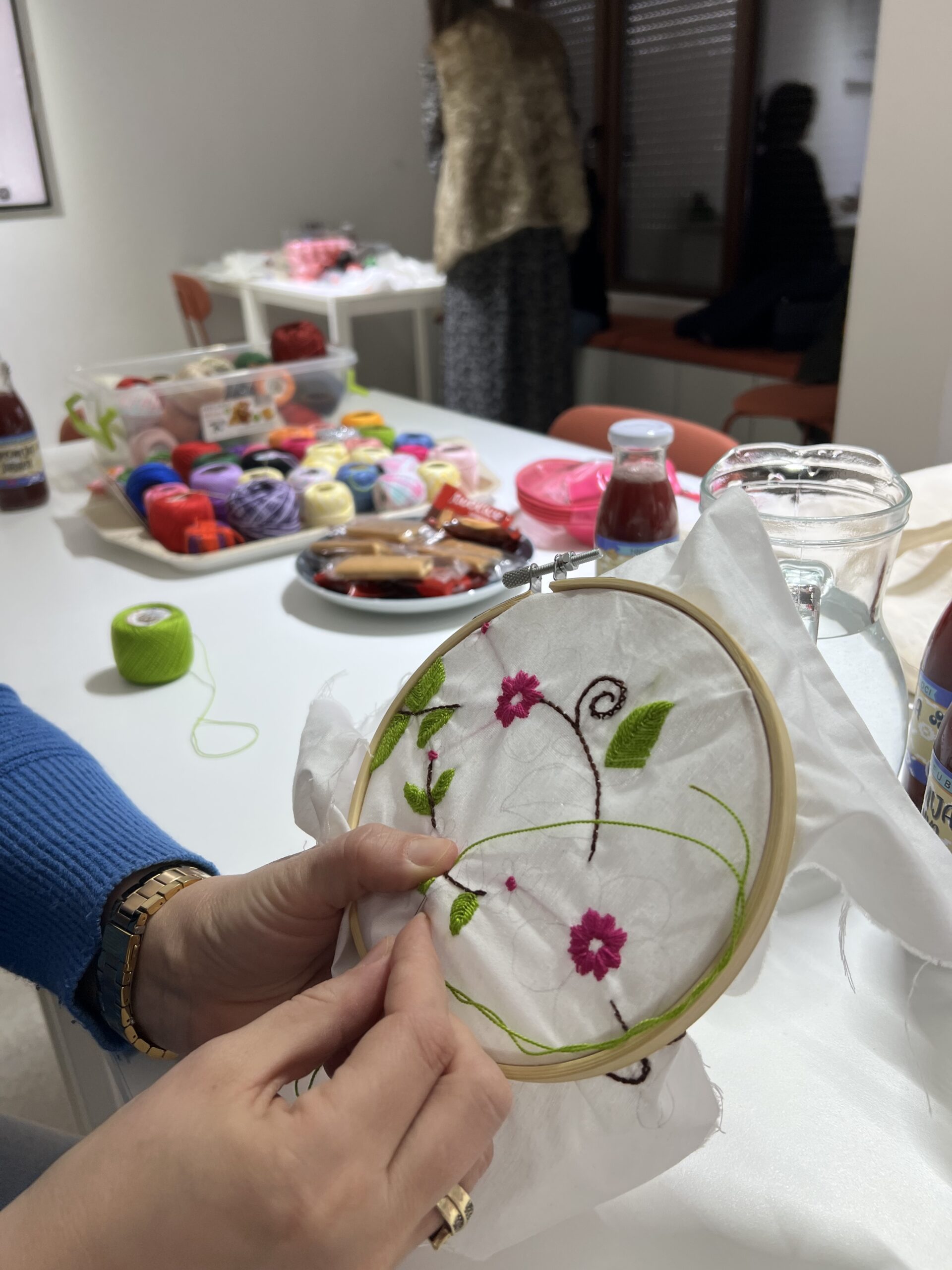
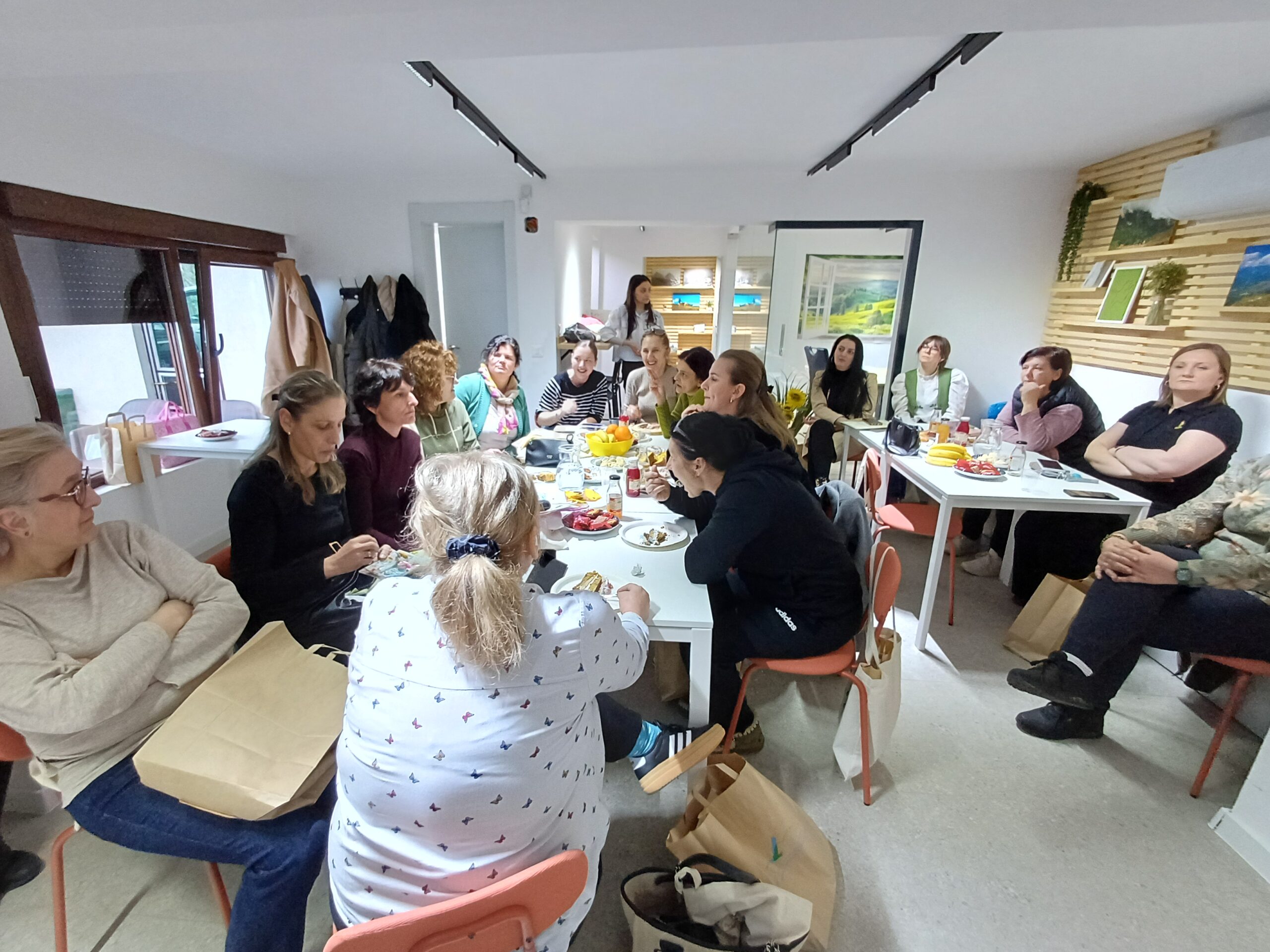
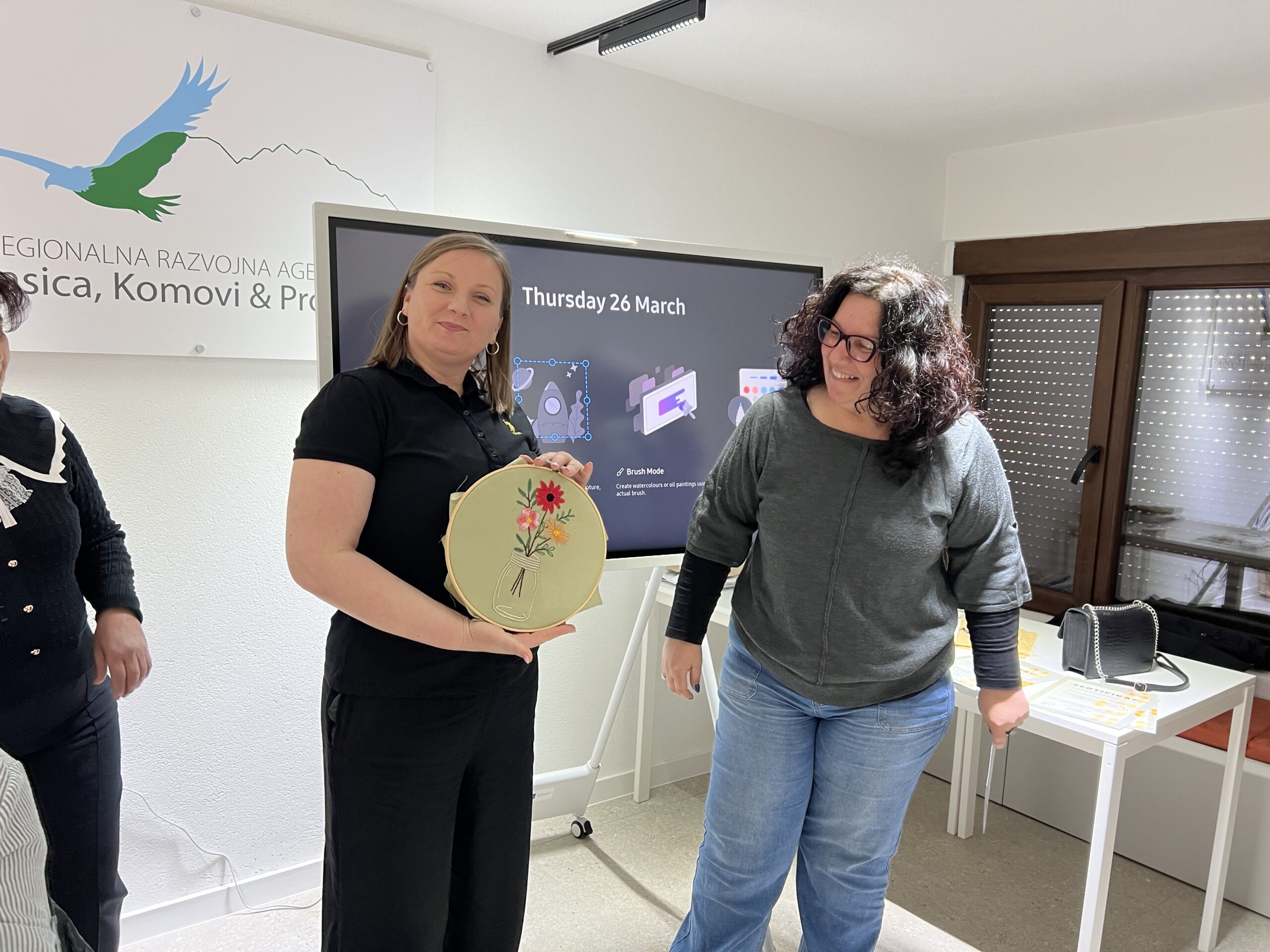
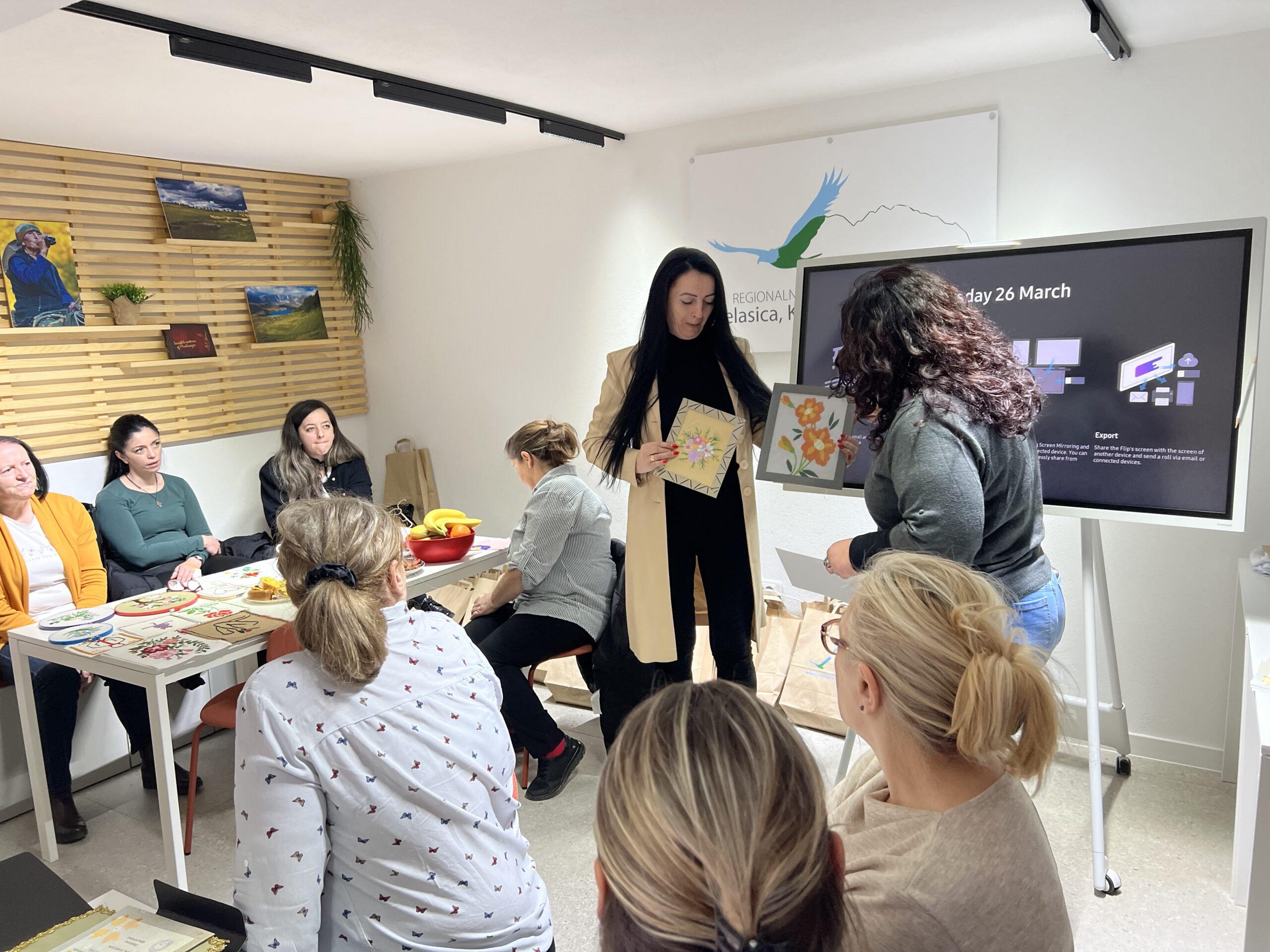
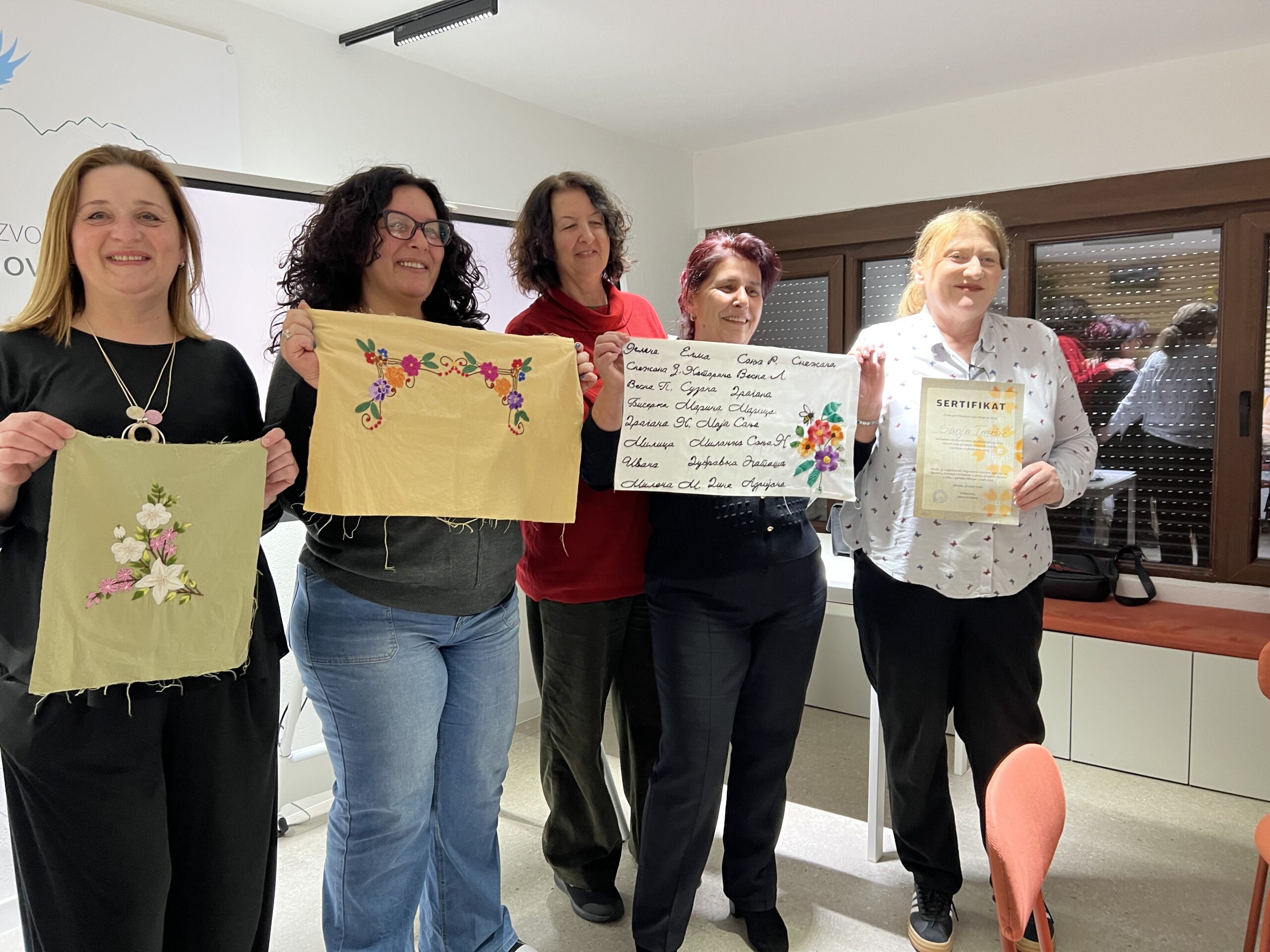
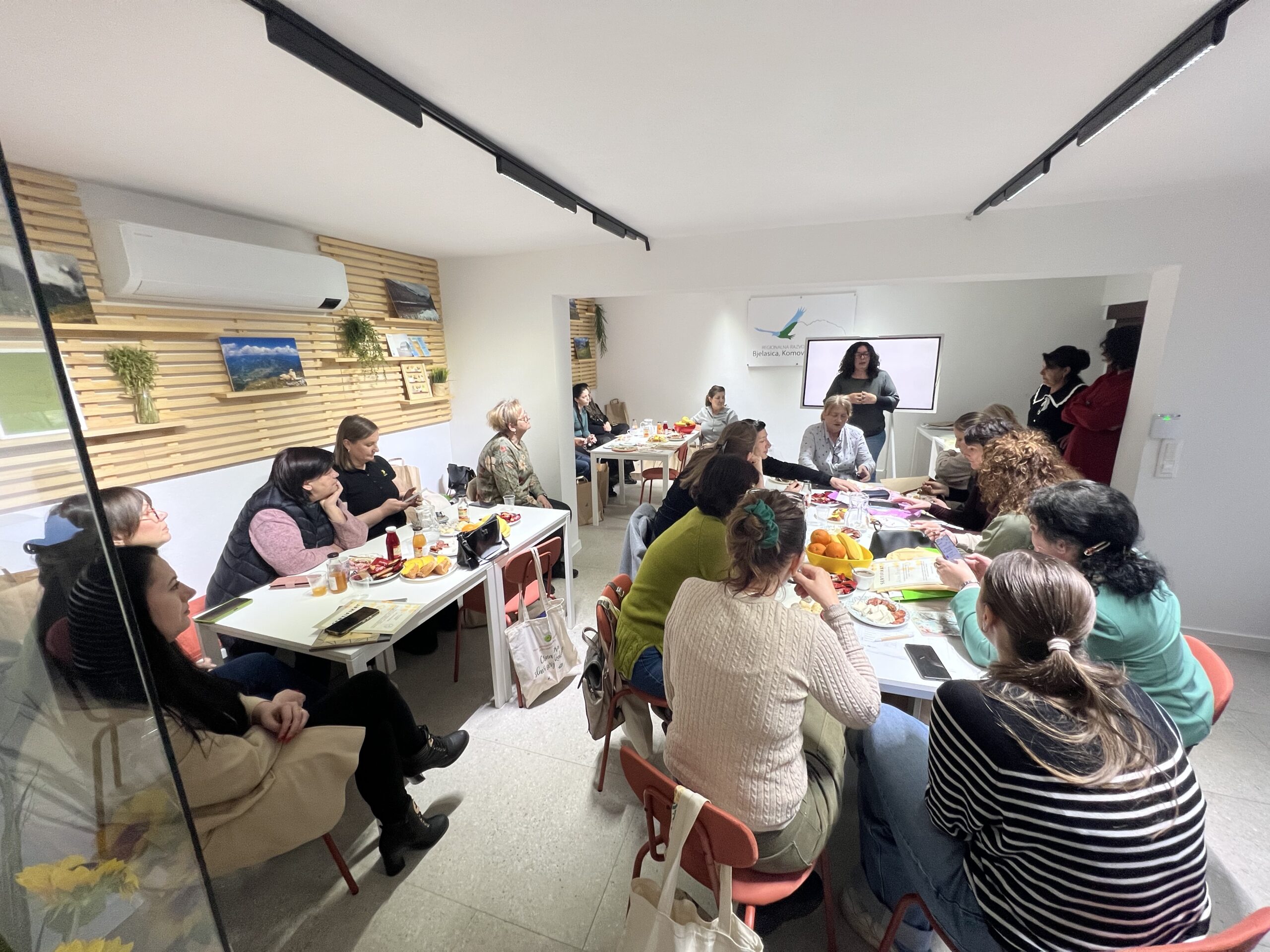
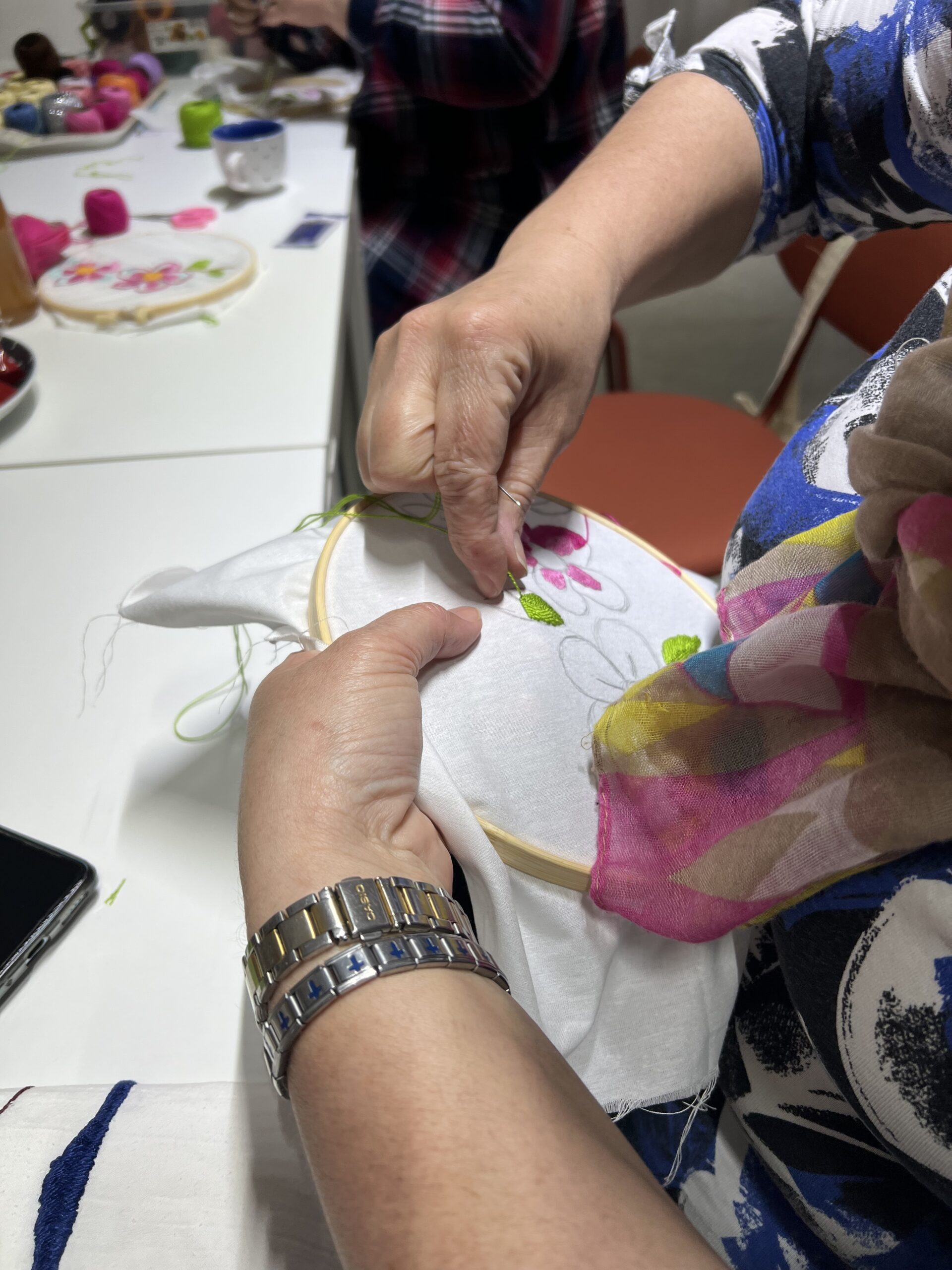
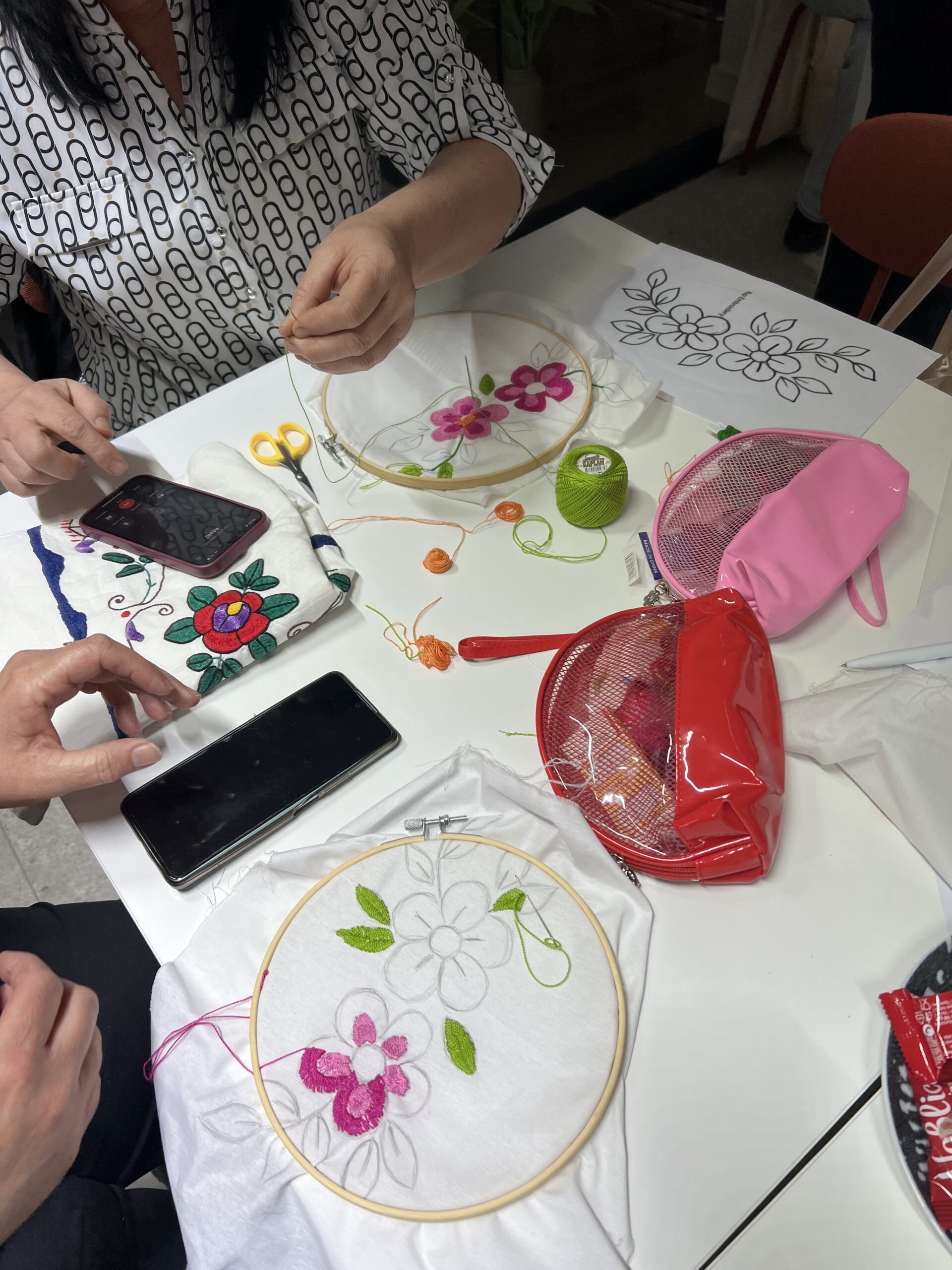
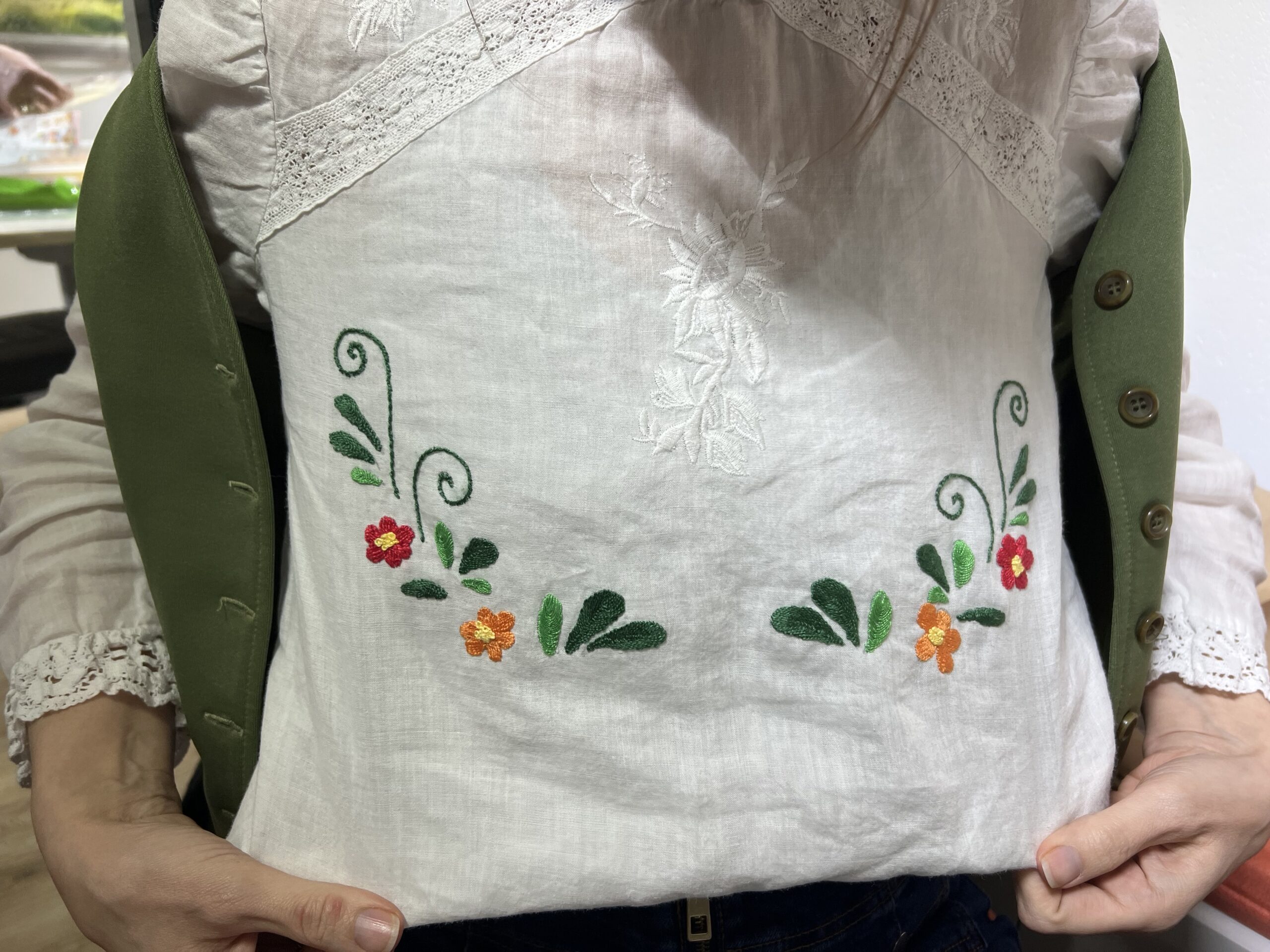
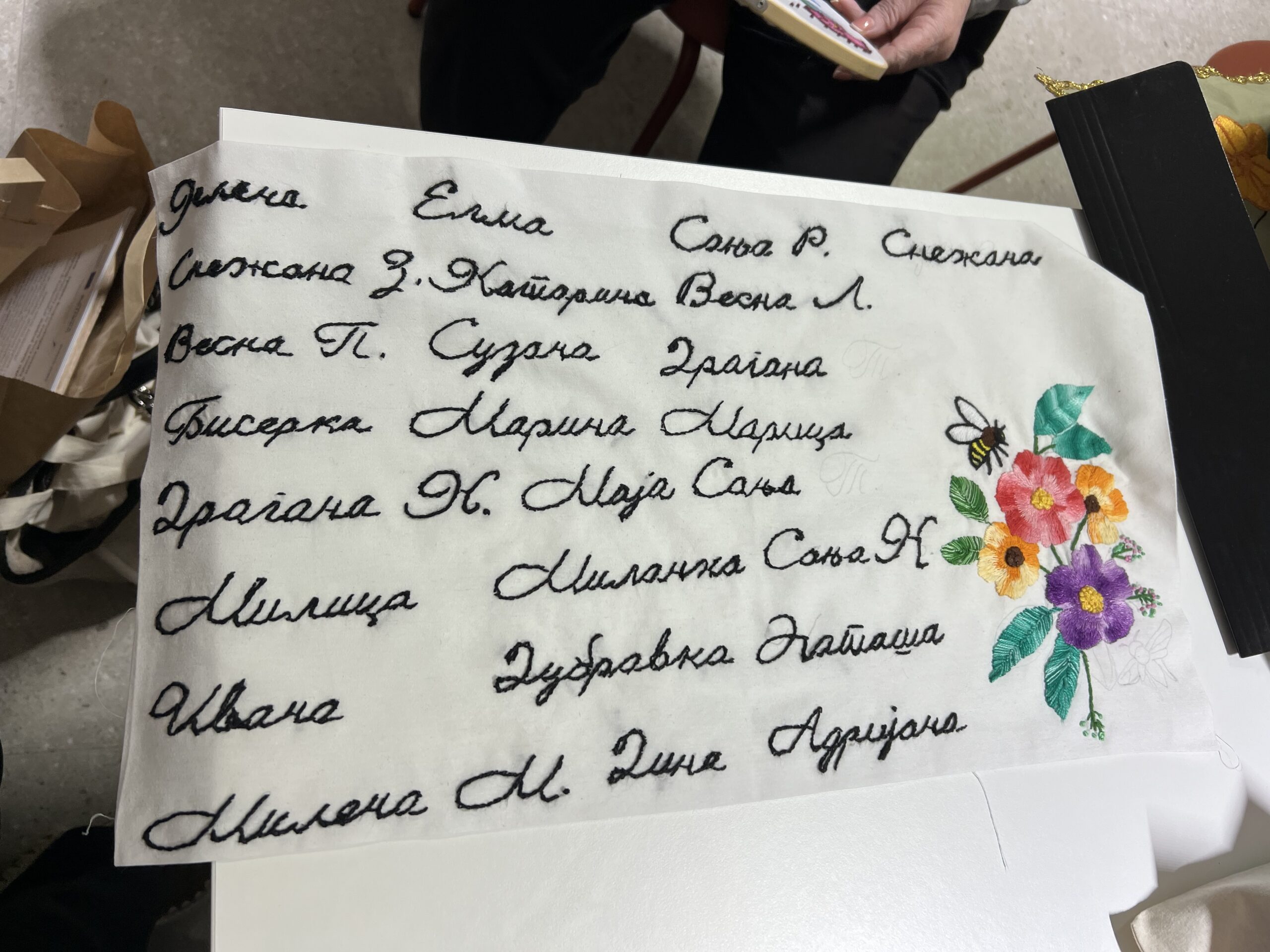
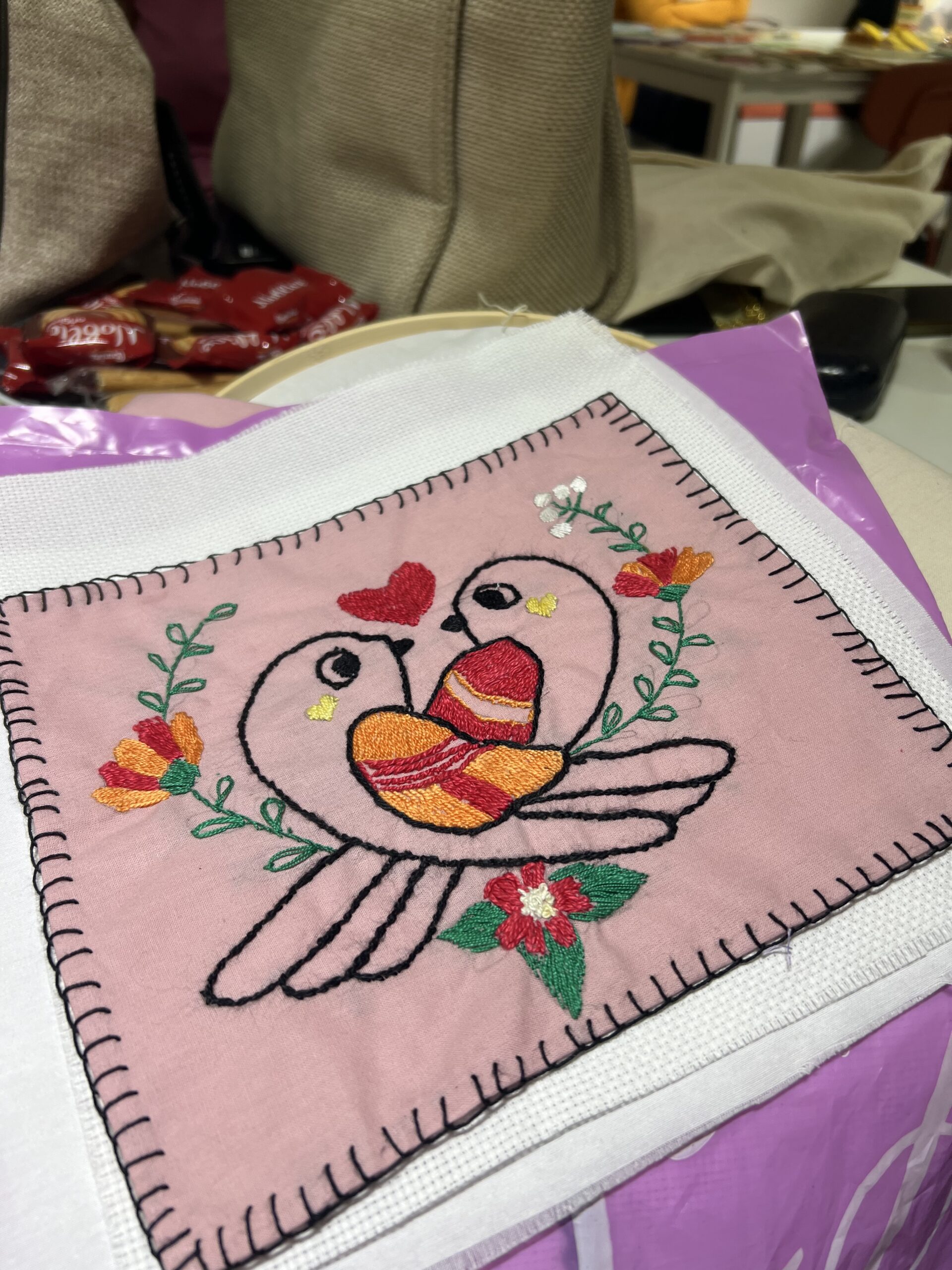
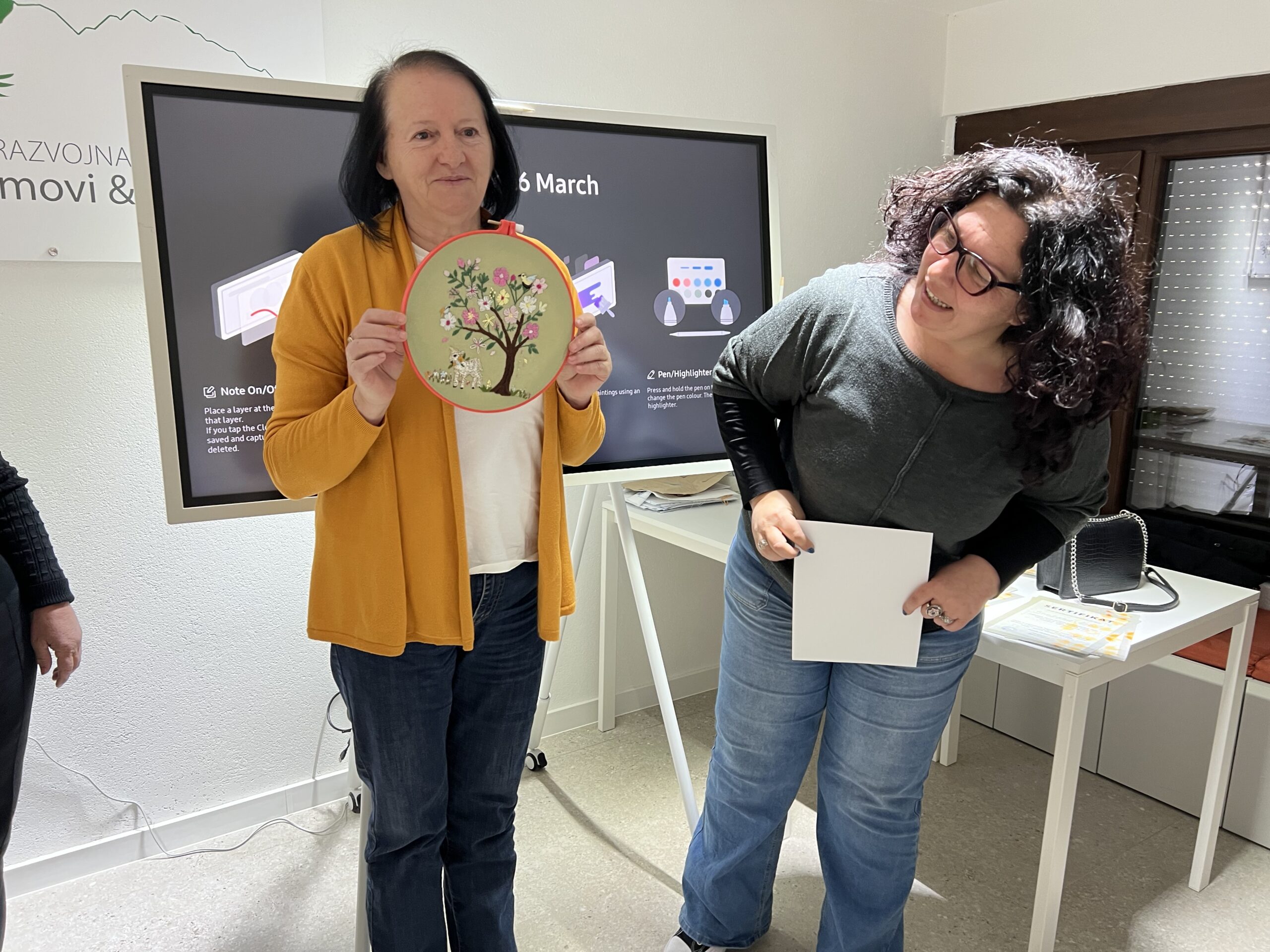
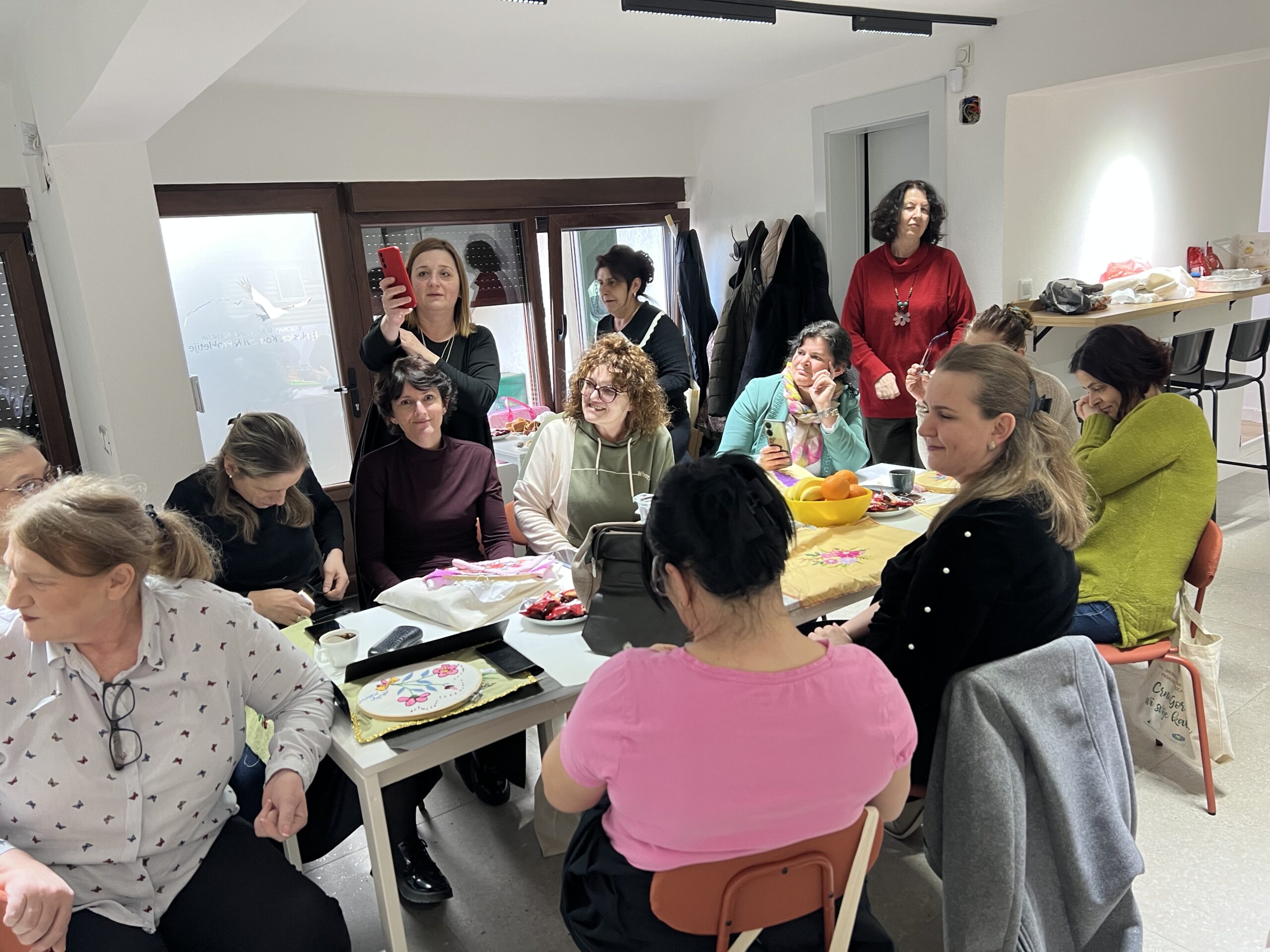
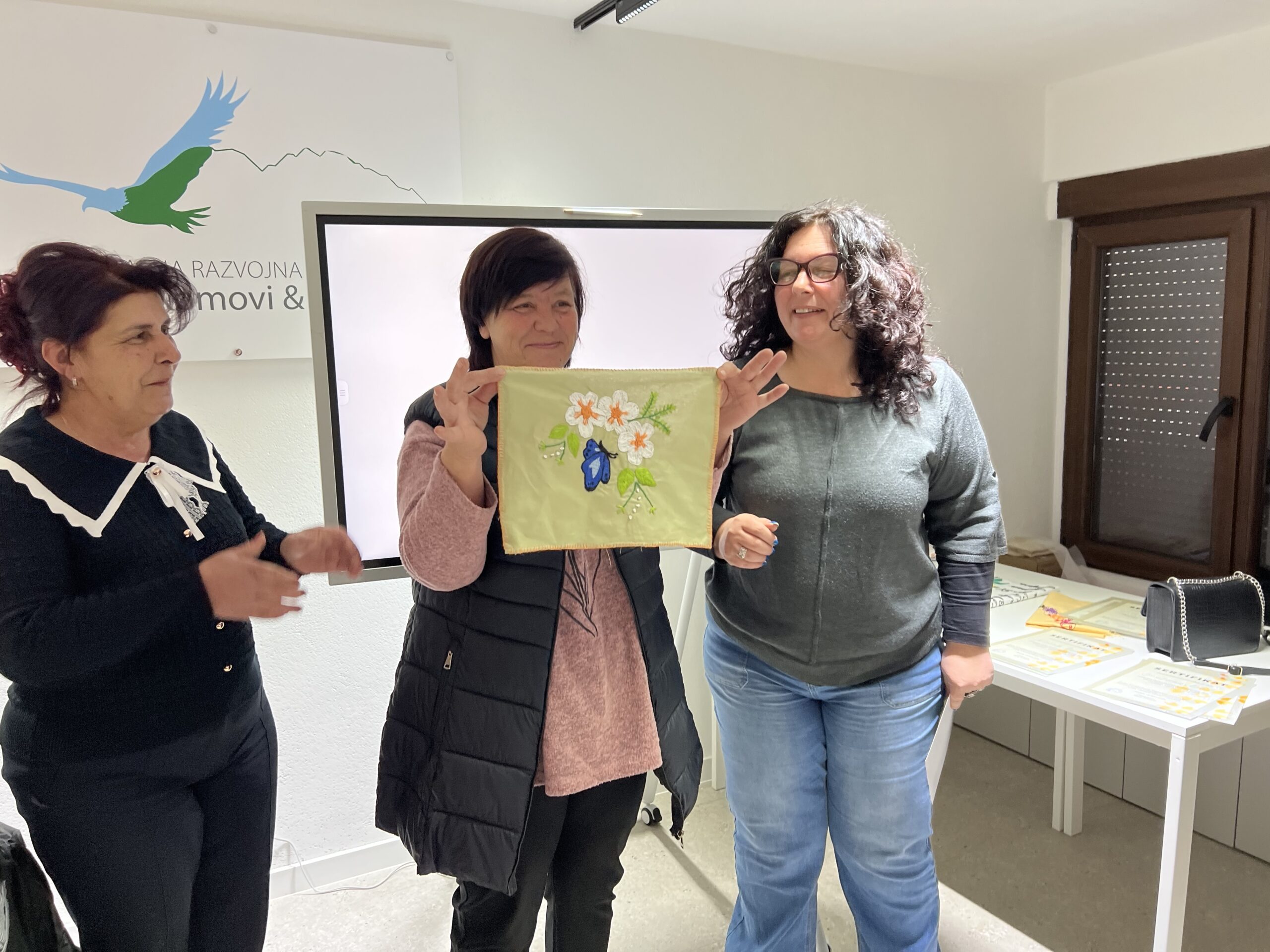
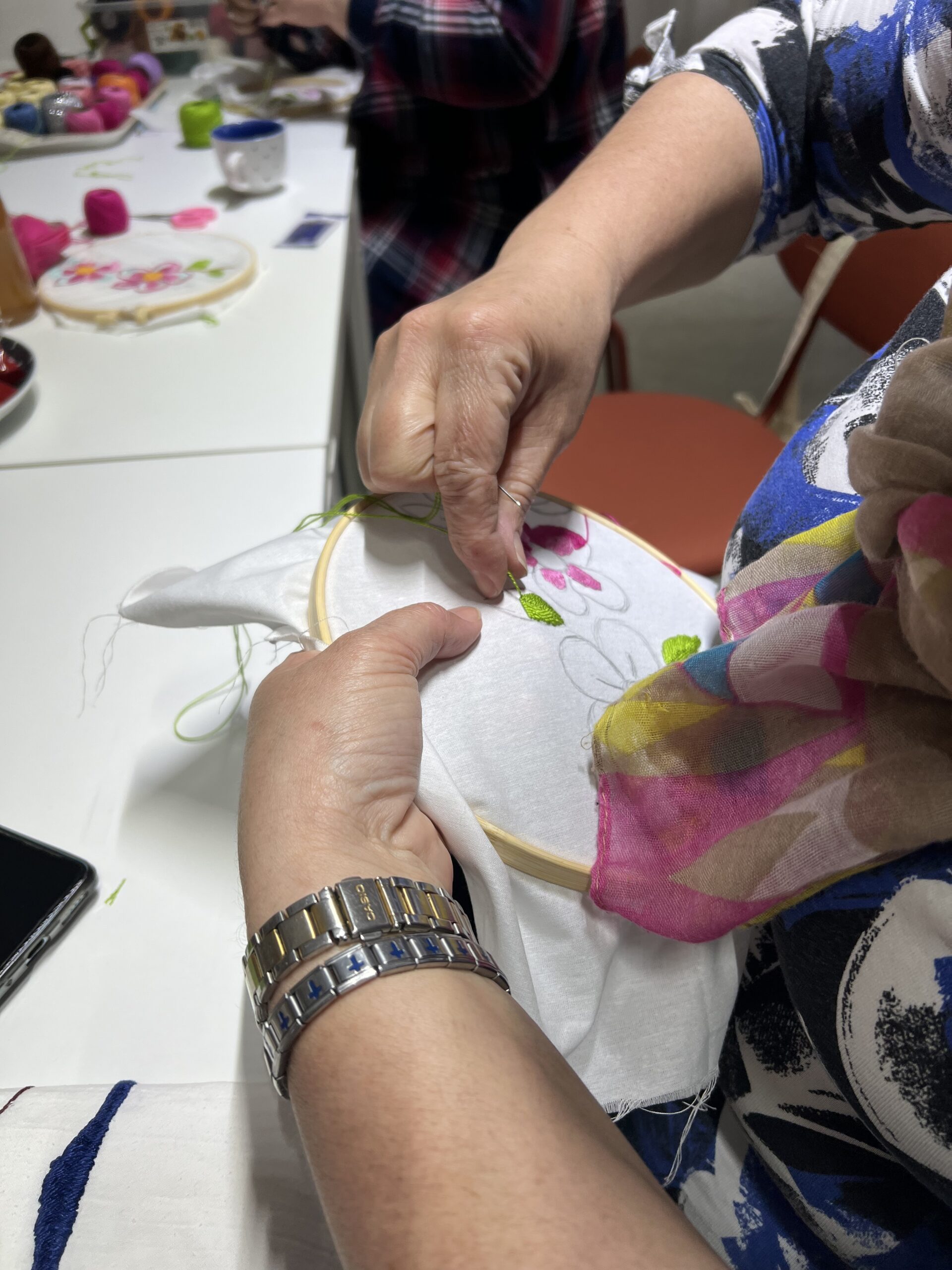
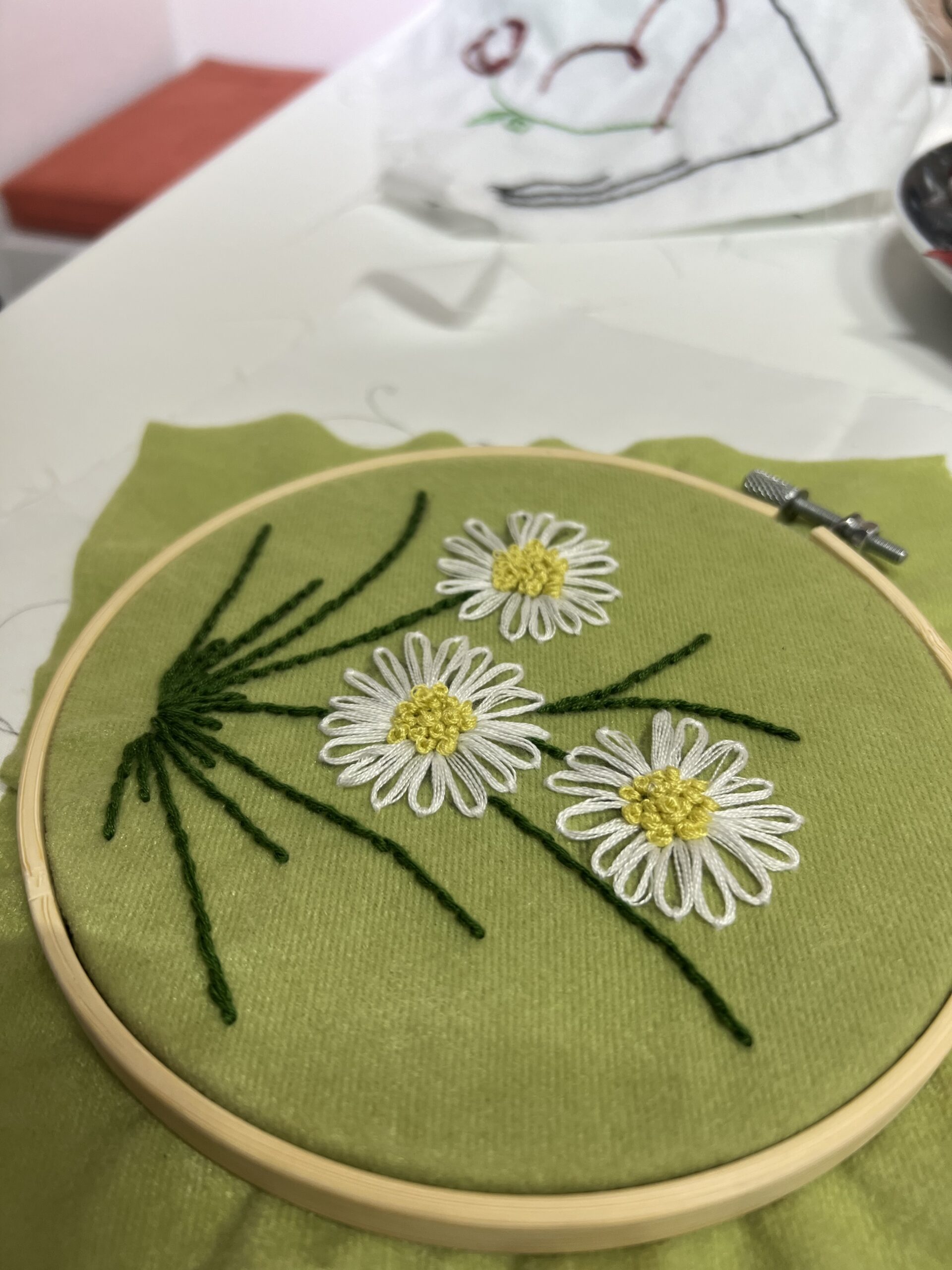
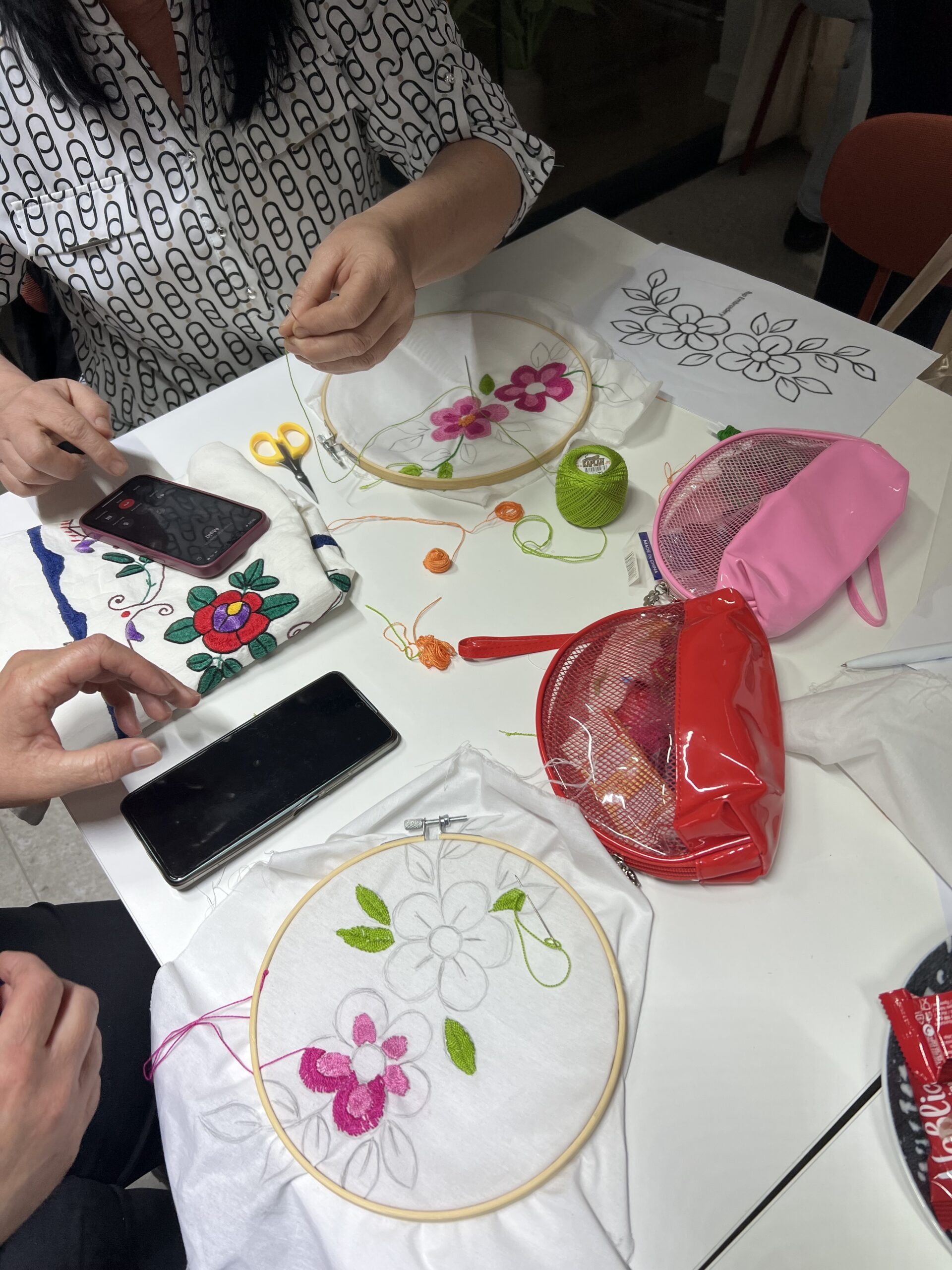
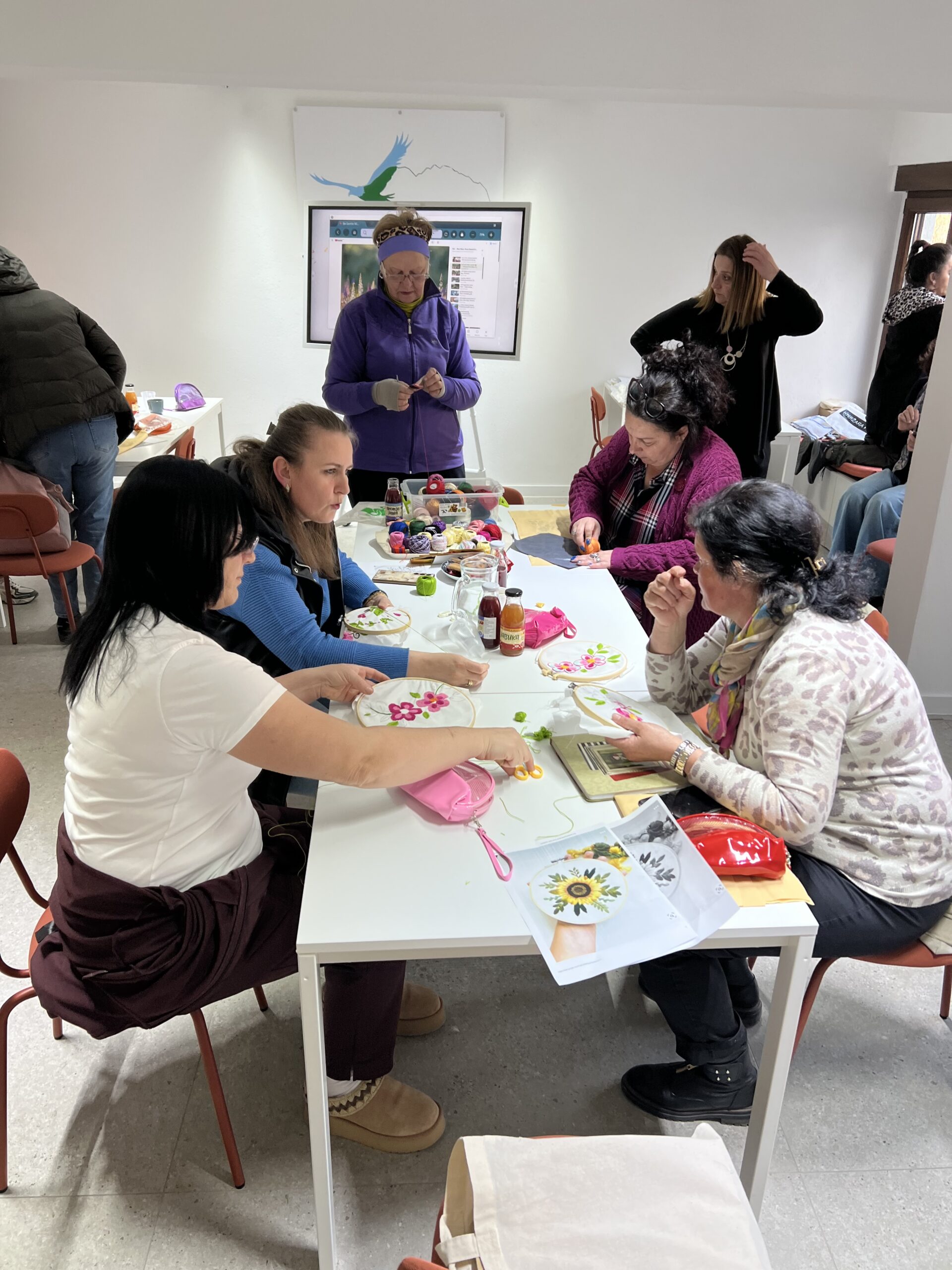
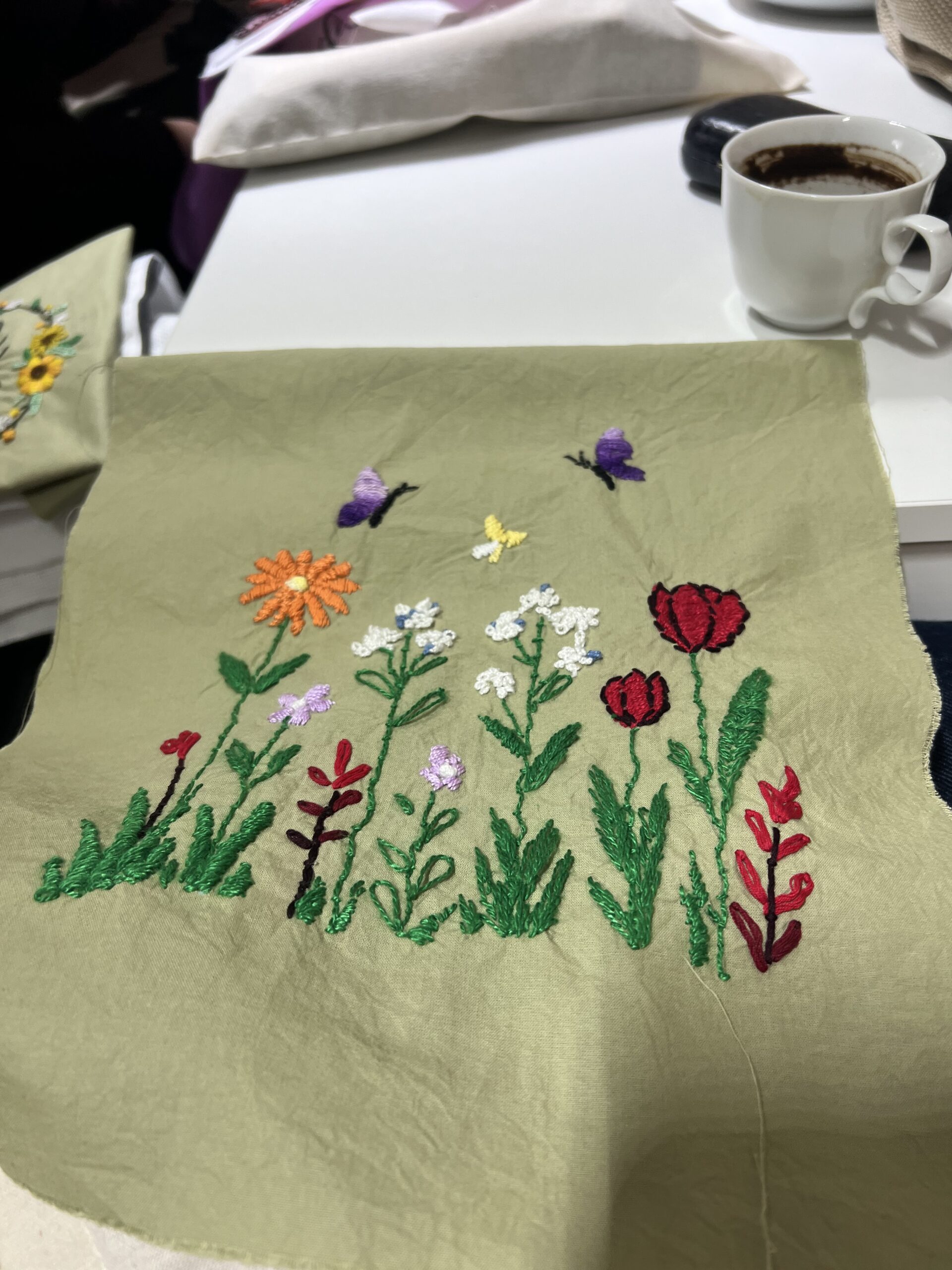
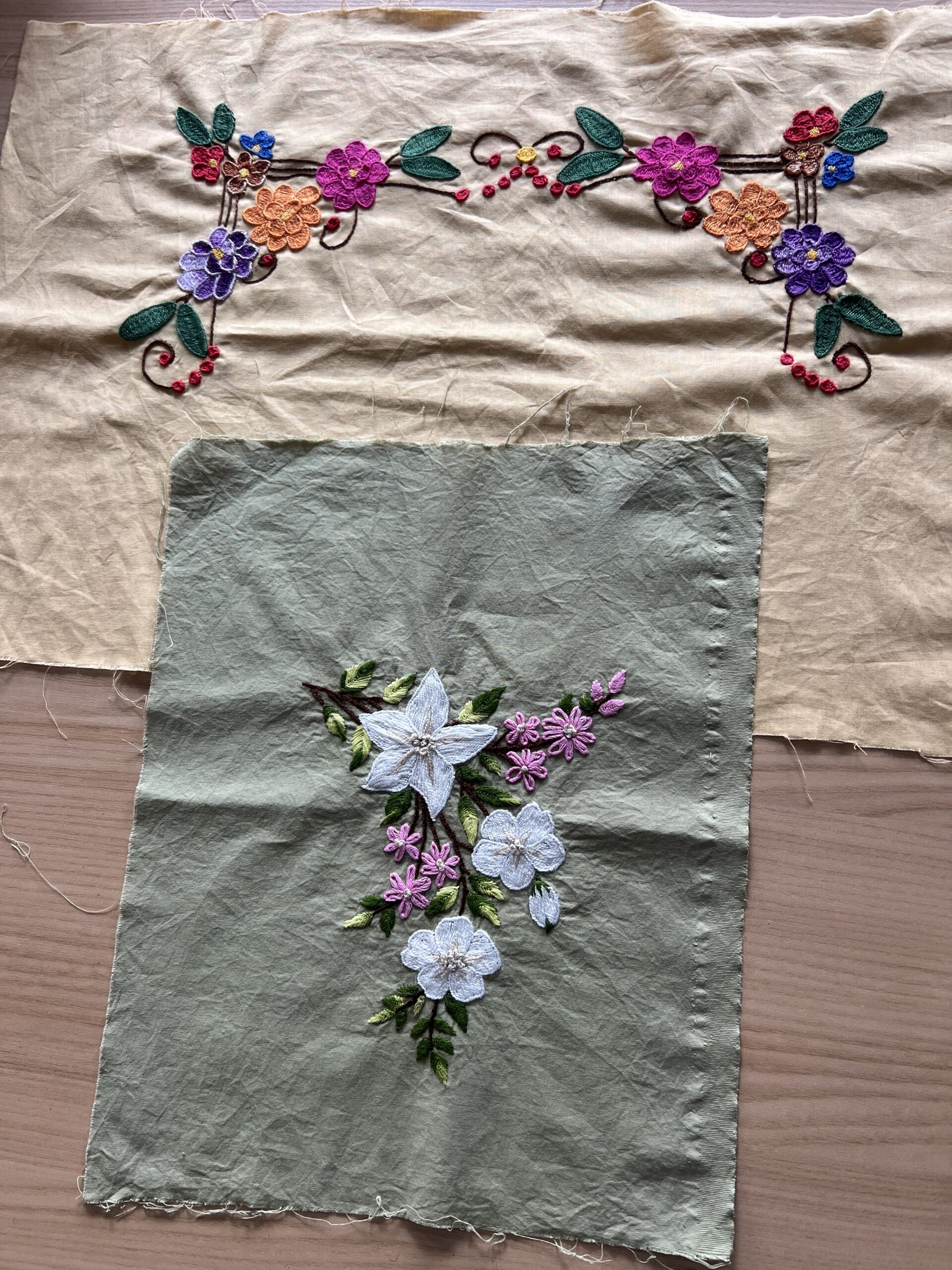
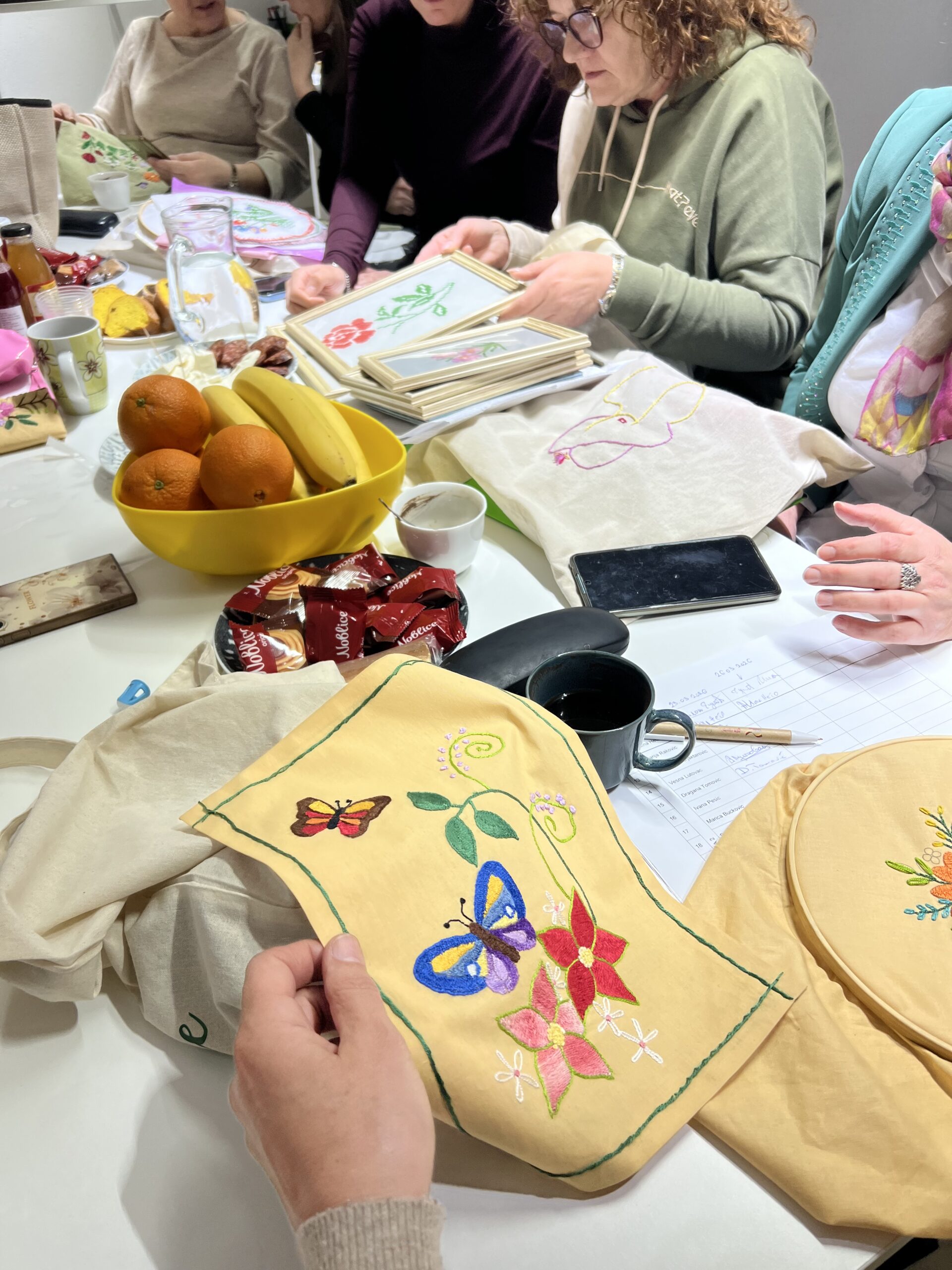
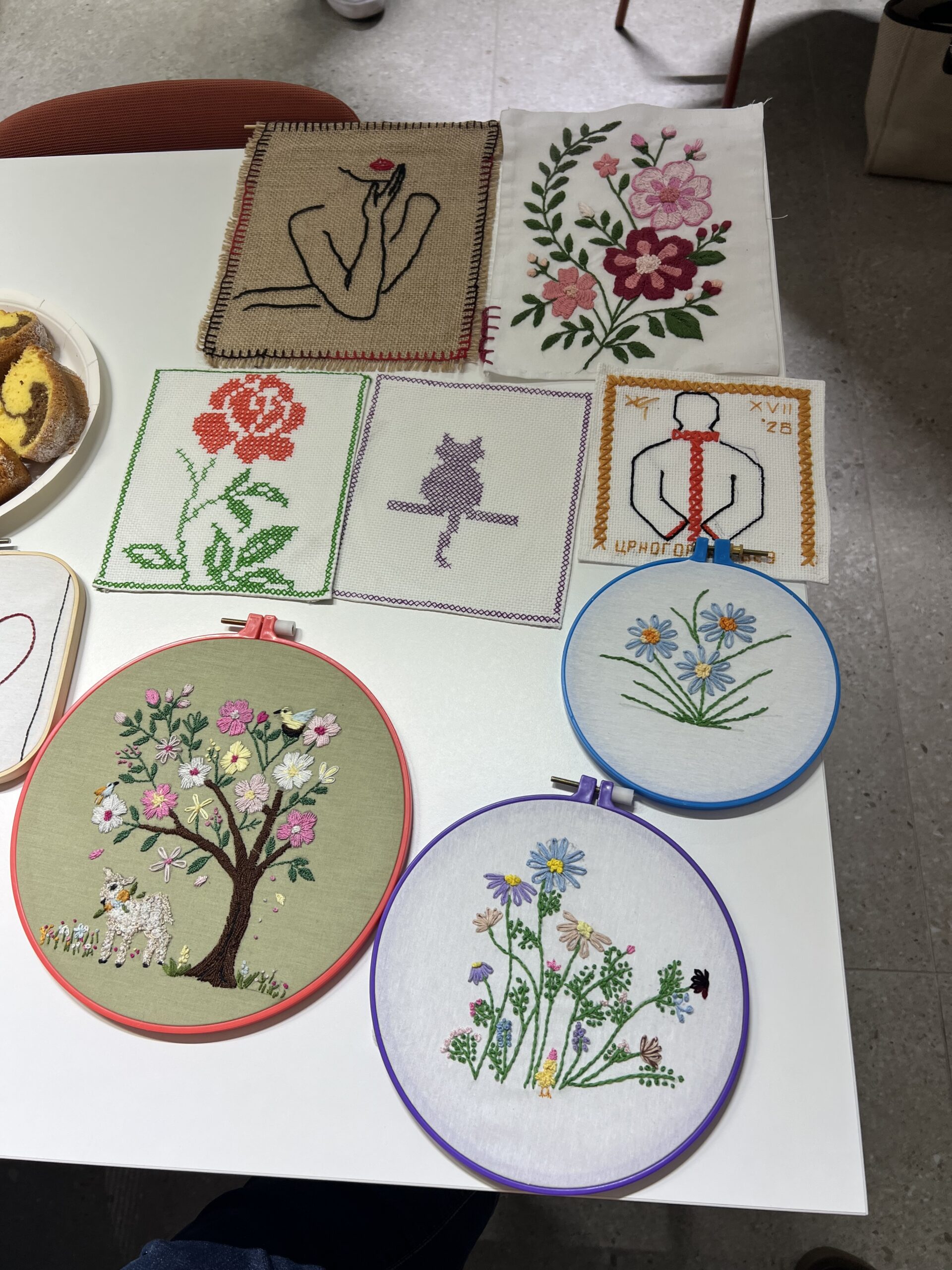
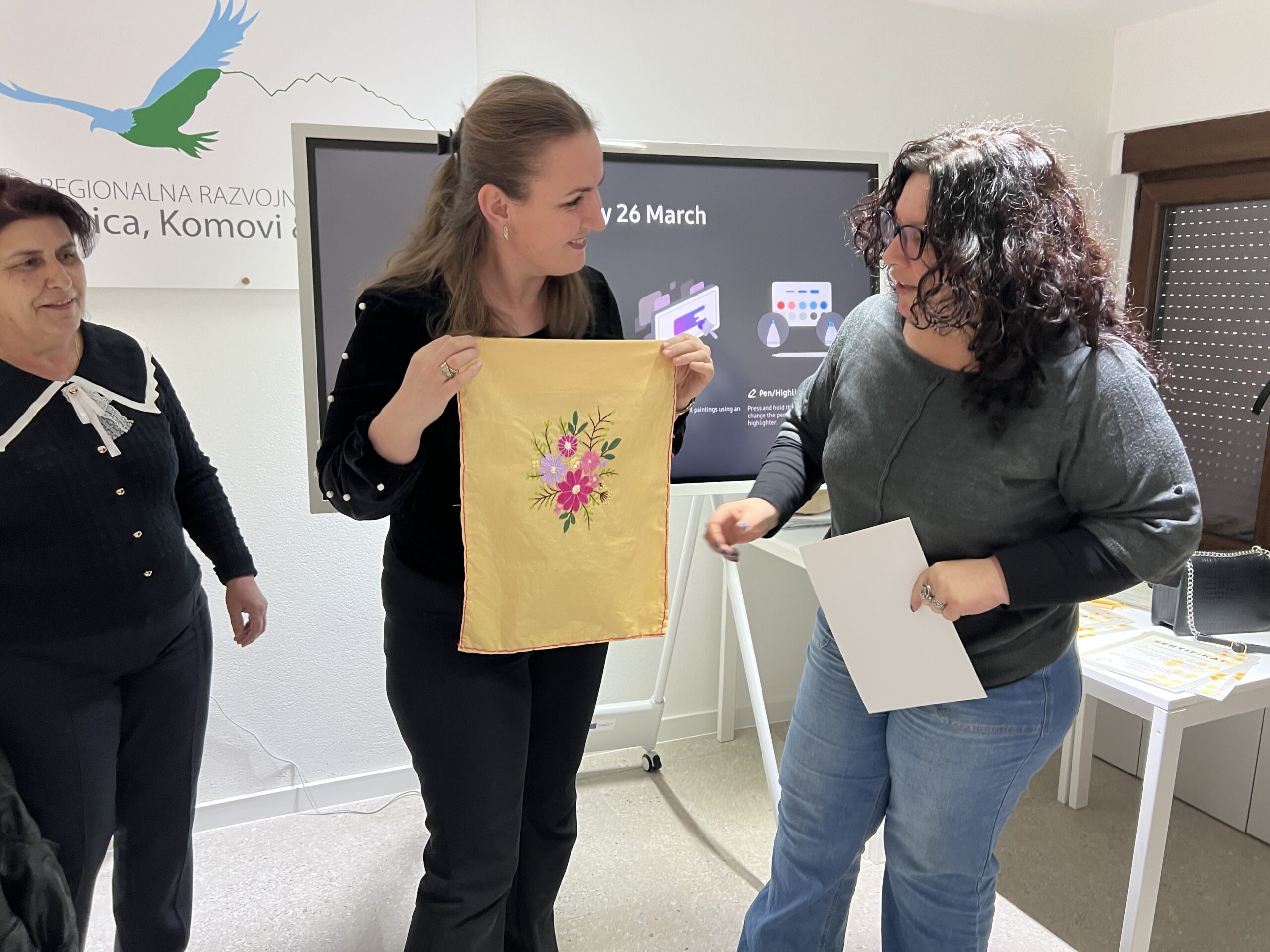
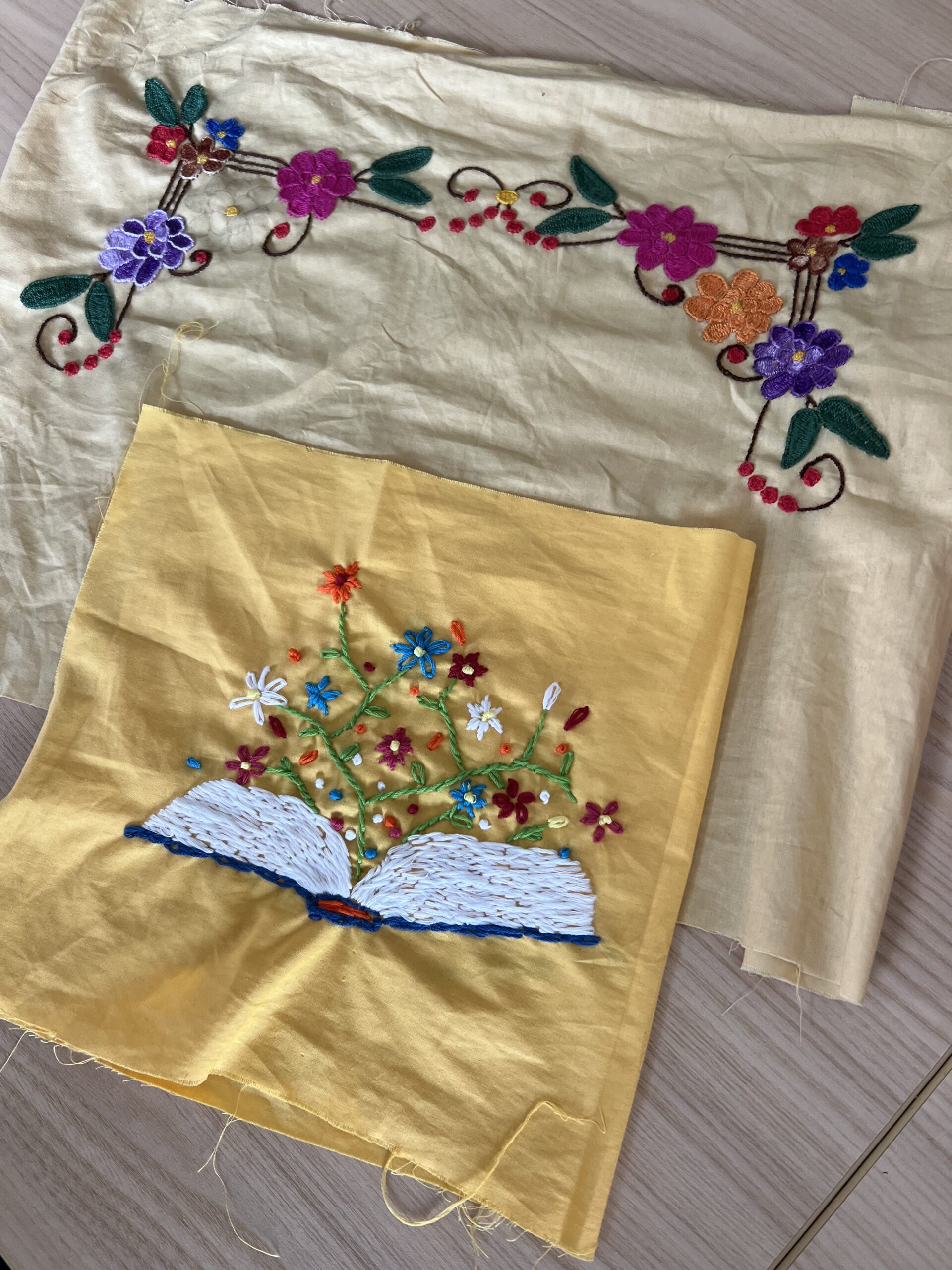
The Regional Development Agency for Bjelasica, Komovi, and Prokletije has successfully implemented a series of traditional embroidery workshops within the Danube Crafts project, co-funded by the EU through the Interreg Danube Programme. A total of 26 participants completed the training, confirming a strong community drive for revitalizing craft heritage.
International Recognition and Value
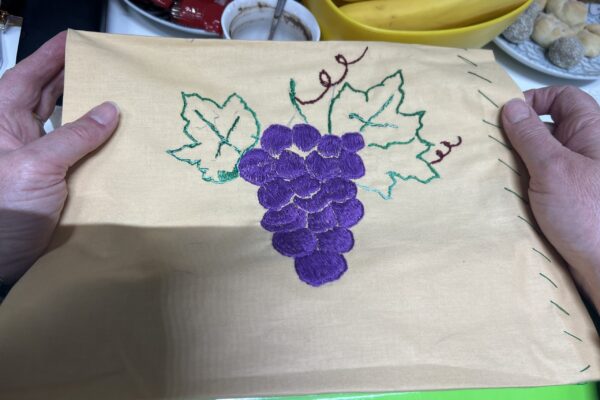
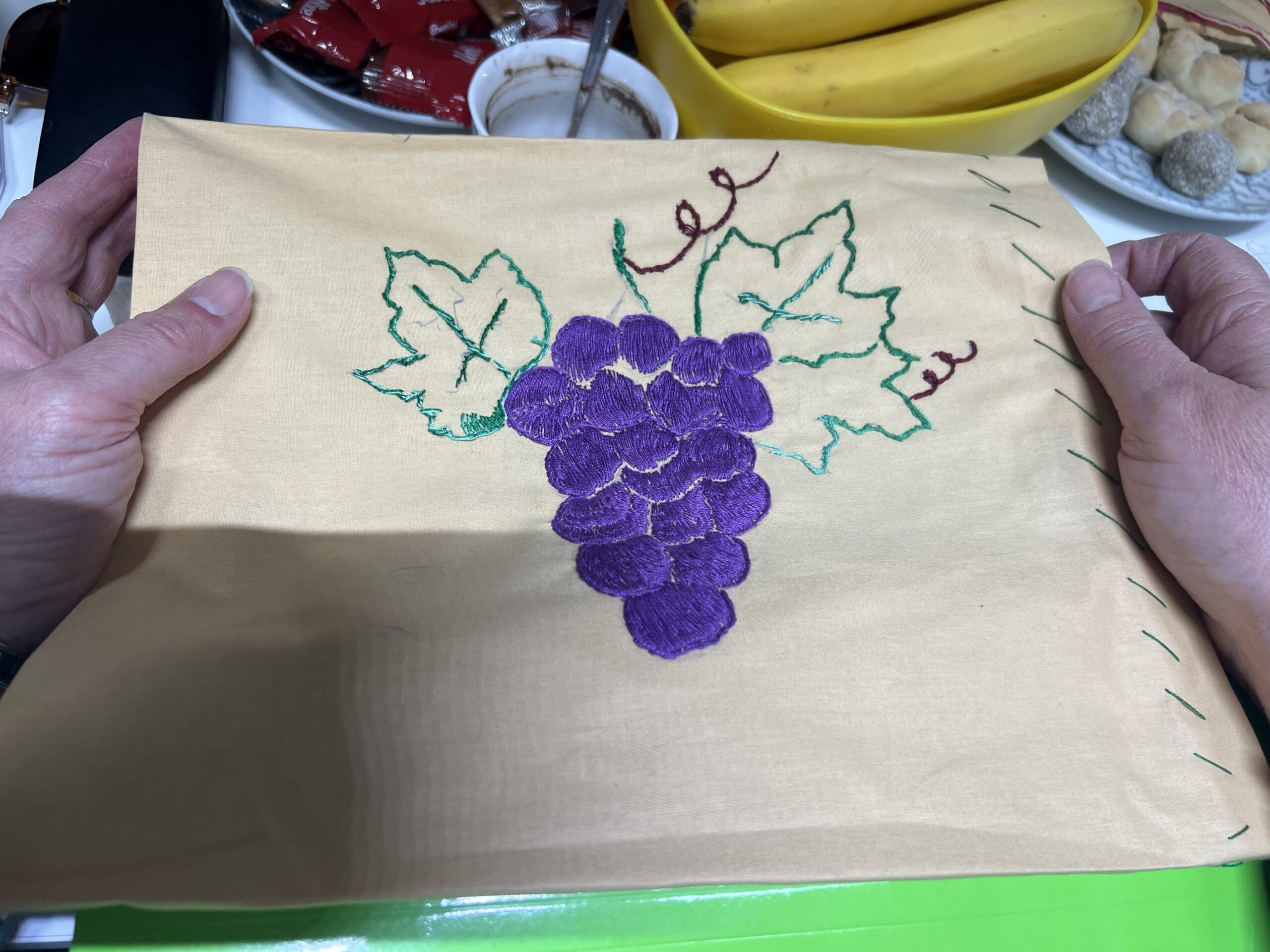
Special attention was given to Montenegrin embroidery, which traces back to the 17th century. Its international significance is highlighted in the publication “Autopsy of the Montenegrin Stitch” by Amy Mitten. These workshops aim to enhance its visibility and ensure its proper valorisation within modern Montenegrin society.
Beyond preservation, the workshops focused on the economic empowerment of women. Acquiring these practical skills provides a foundation for developing new products and creating additional income sources for households in the North.
In the next phase, the development of prototype souvenirs inspired by traditional mountain motifs is planned. These products will be designed in cooperation with local tourism stakeholders to be fully integrated into the region’s authentic tourism offer.
It is particularly encouraging that the participants included female youth. Due to the overwhelming and sustained interest, an additional cycle of training will be organized in the coming period.
A Bridge Between Heritage and Development
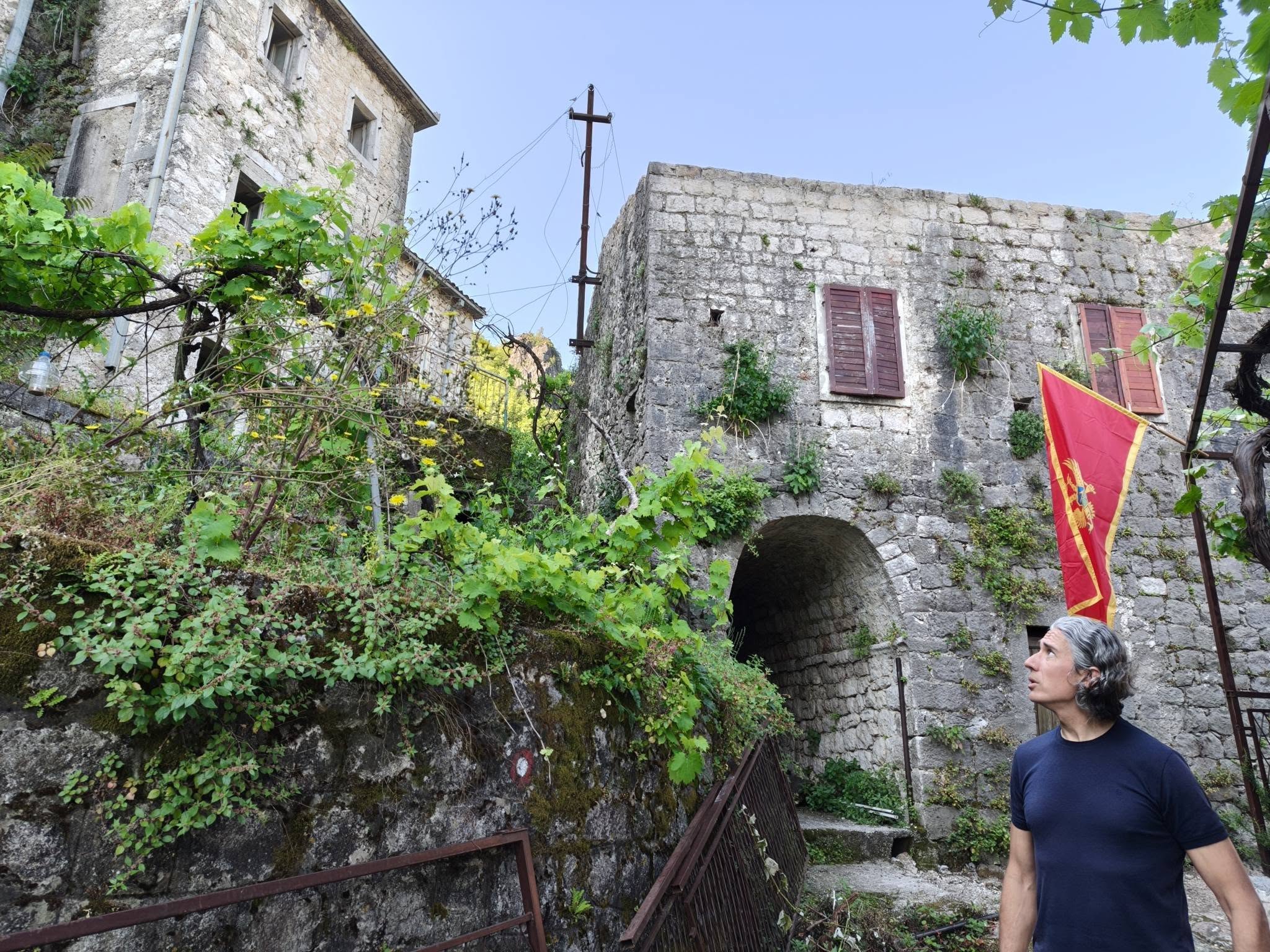
This initiative serves as a concrete example of how linking cultural heritage, creative industries, and sustainable tourism can create long-term development opportunities while preserving the authentic identity of the Bjelasica, Komovi, and Prokletije region.