Within the EURO-MED program, through the MED GIAHS project, the RDA BKP is implementing activities to protect katuns as potential GIAHS sites. This program recognizes exceptional traditional land-use systems, rich biodiversity, and resilient ecosystems managed by herders and farmers worldwide.
Cooperation with Experts from the University of Florence
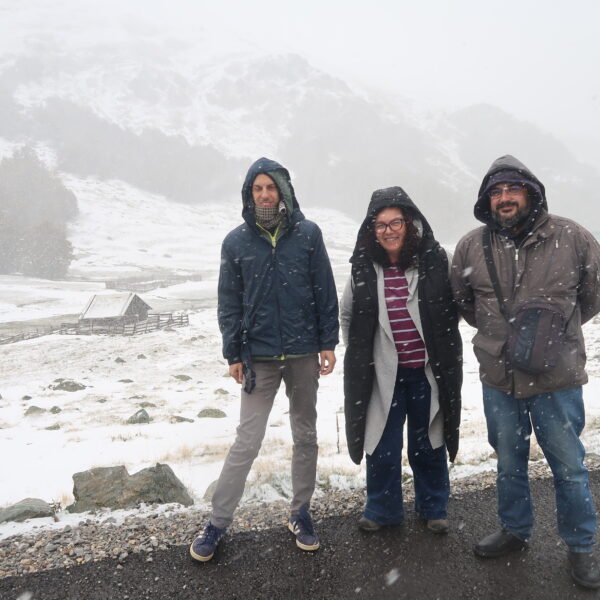
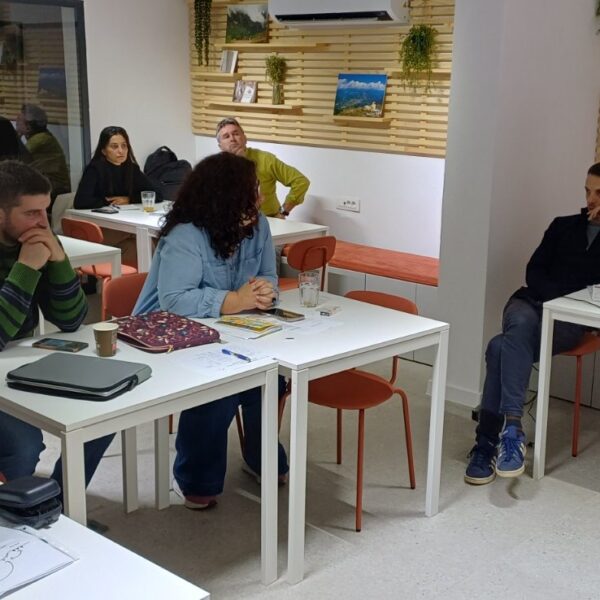
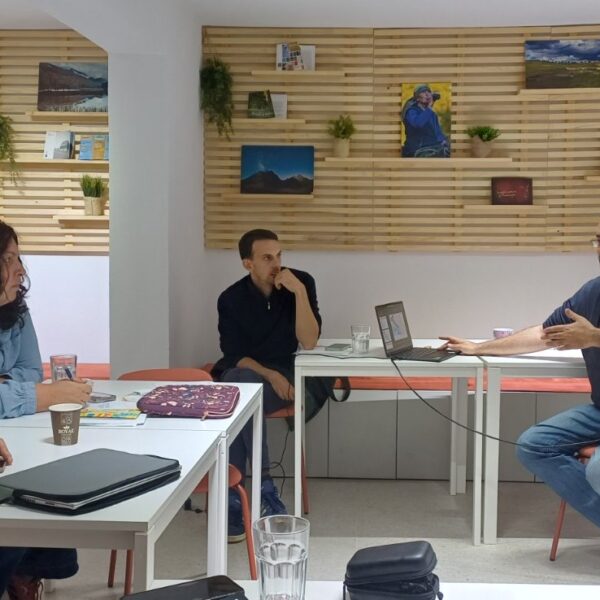
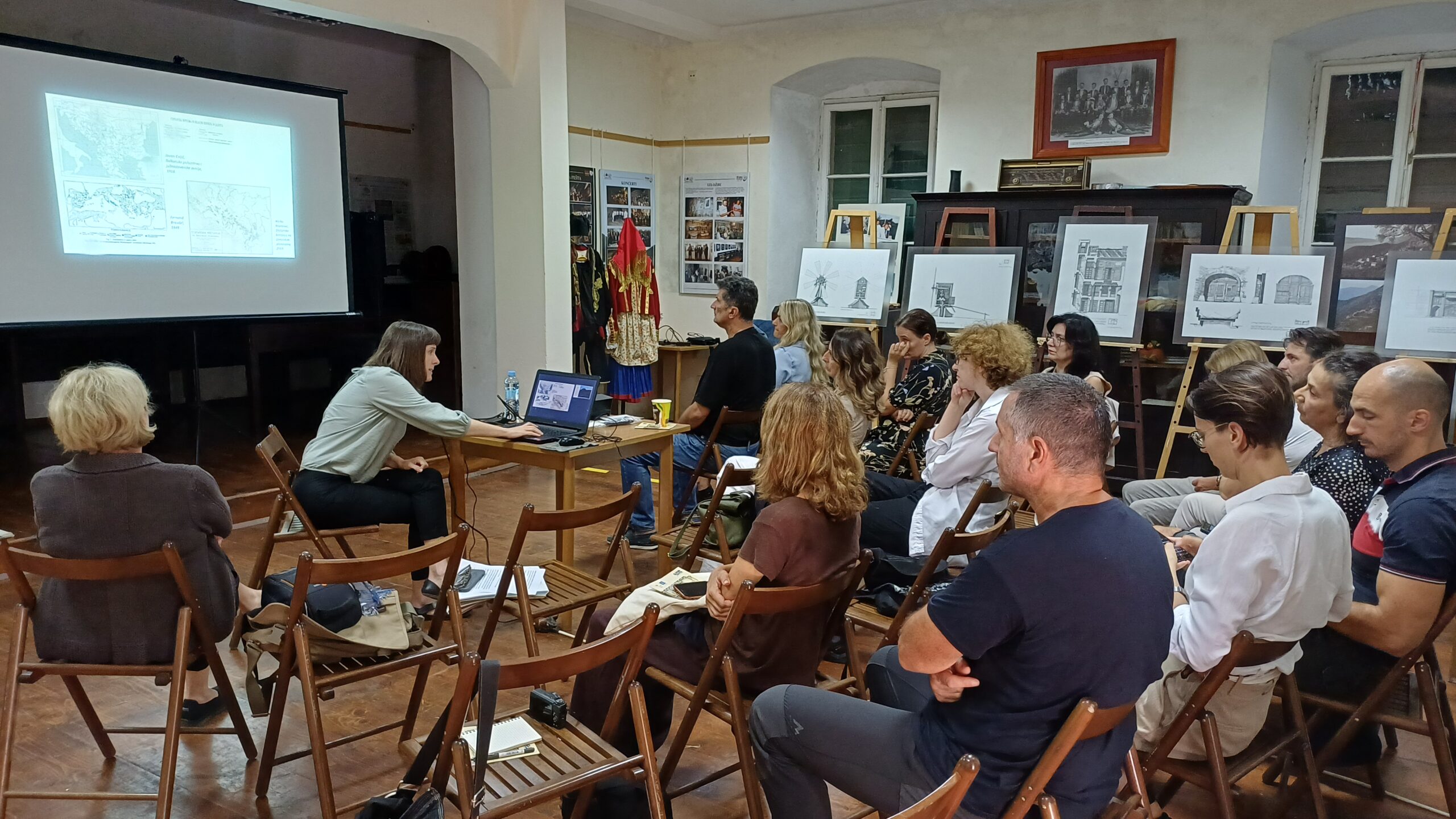
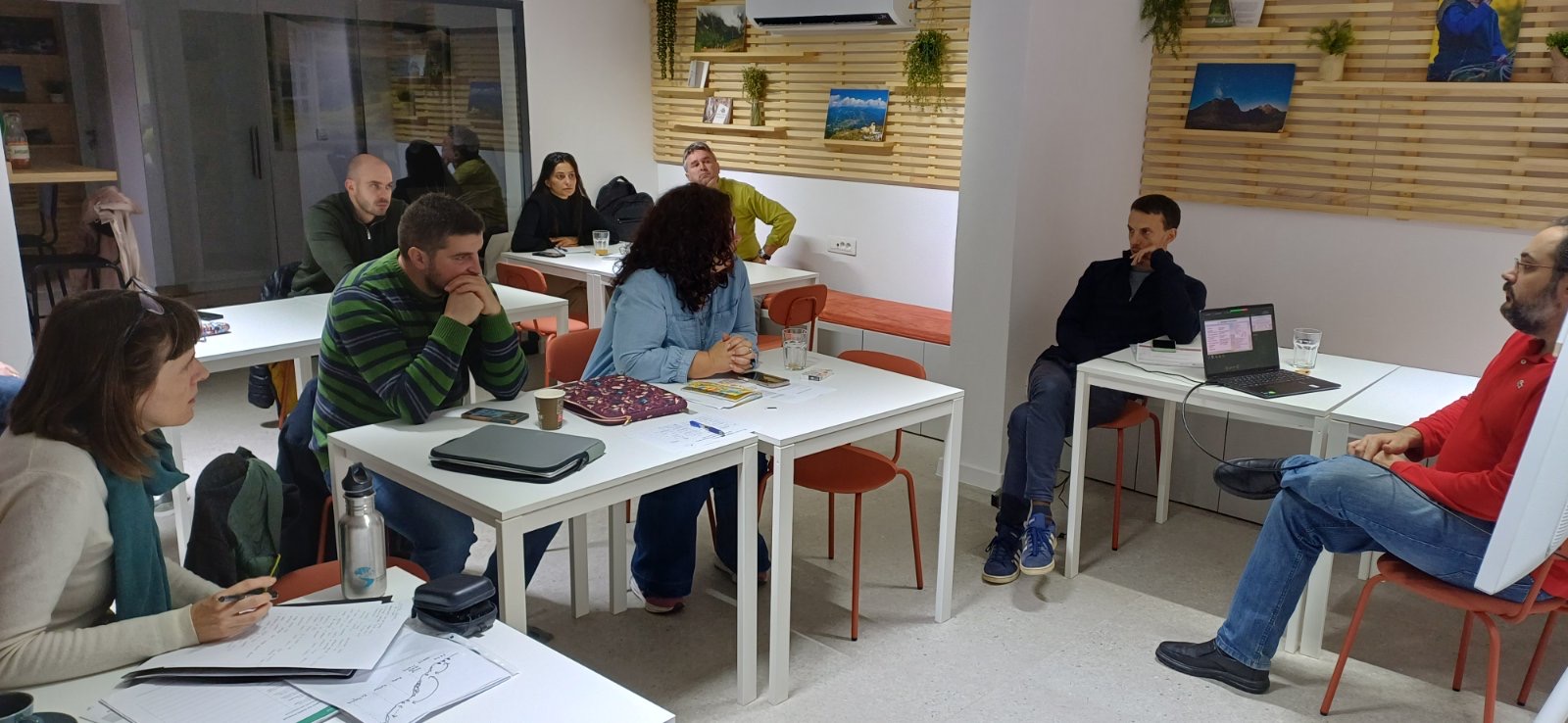
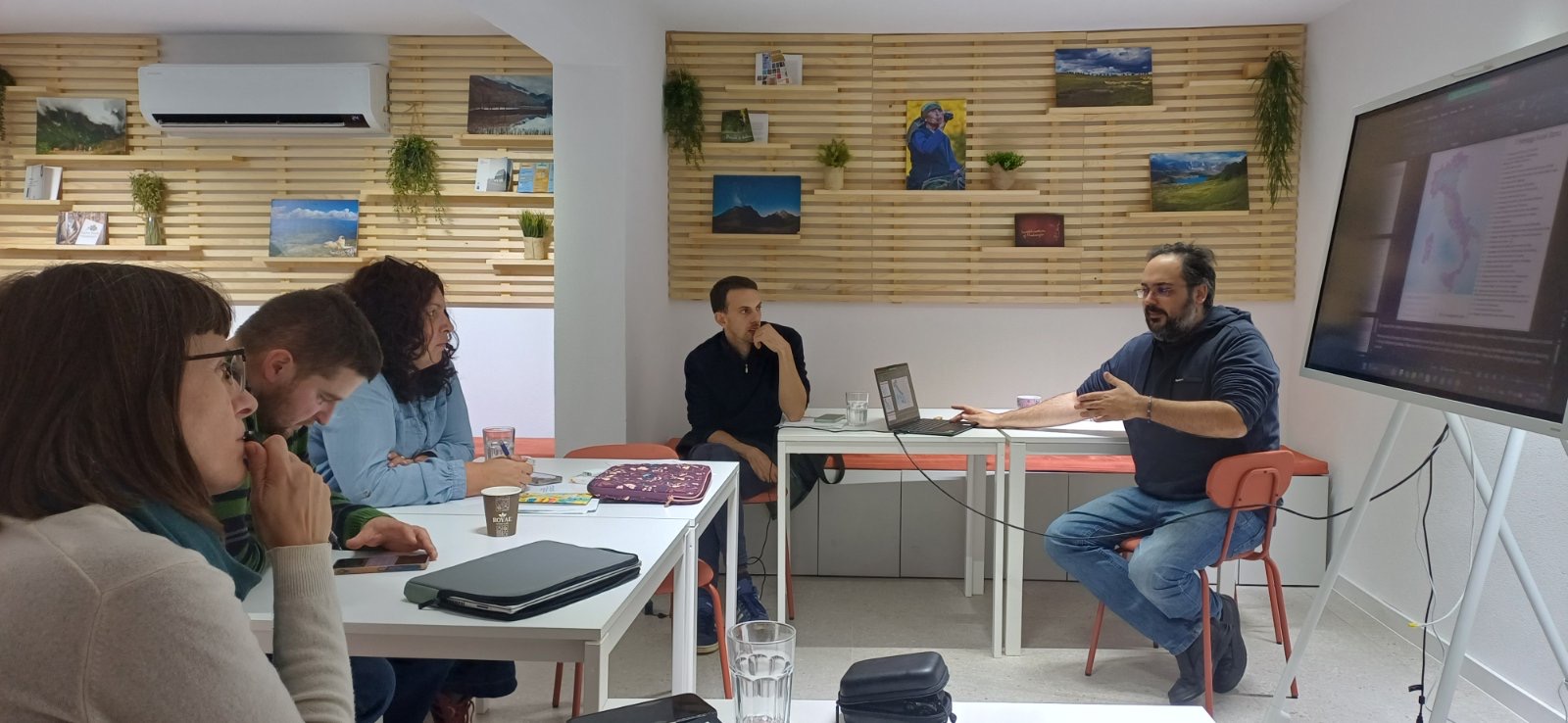
On October 7 and 8, 2025, a Training of Trainers was held in Montenegro with the participation of esteemed Italian experts: Dr. Antonio Santoro, Deputy Director of the UNESCO Chair on Agricultural Heritage Landscapes, and researcher Francesco Piras.
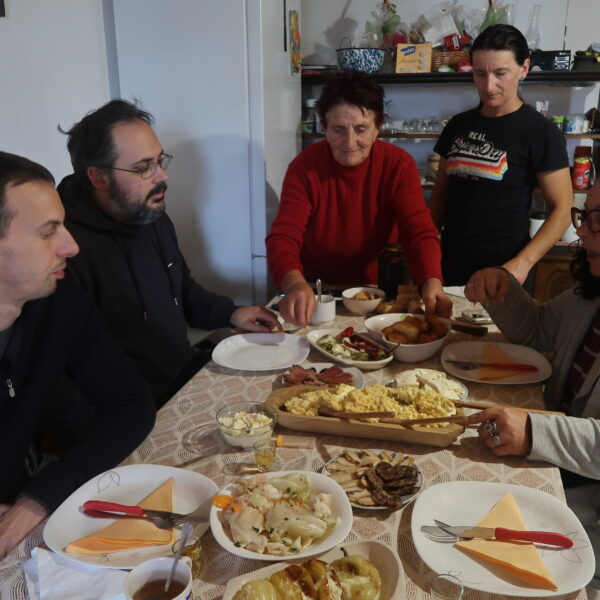
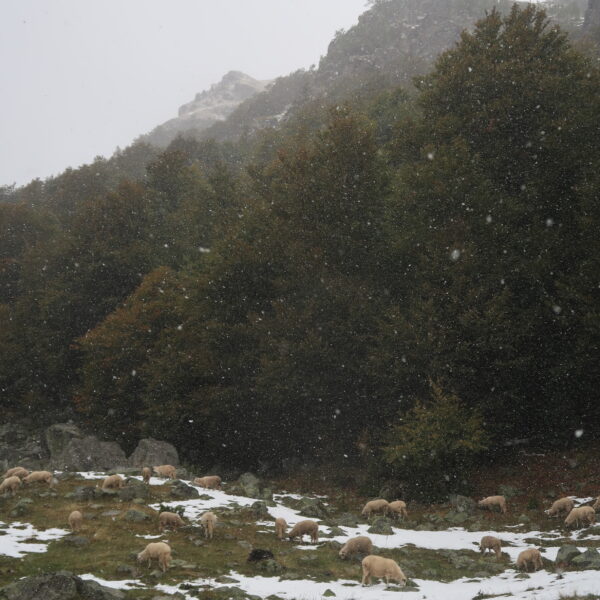
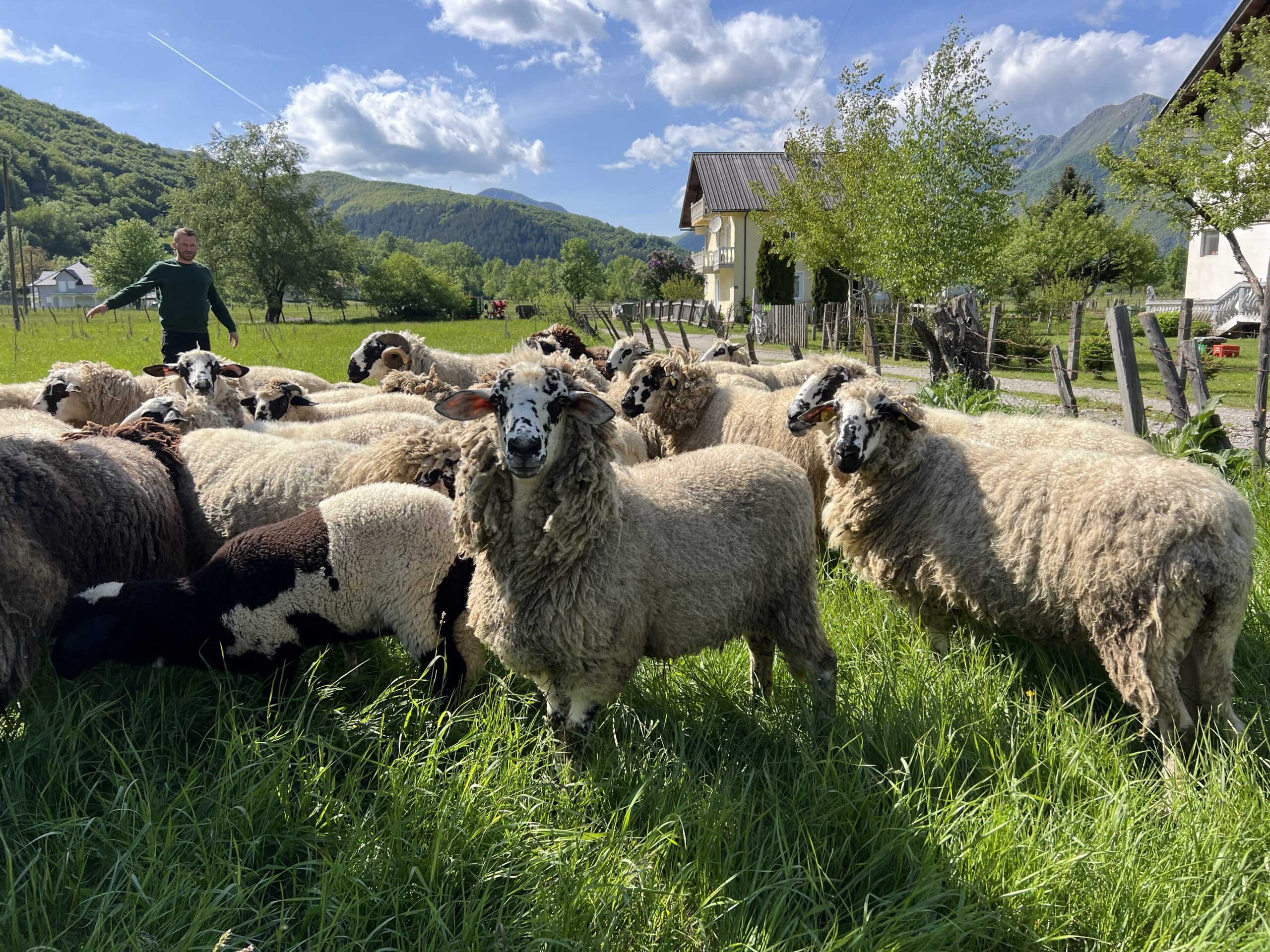
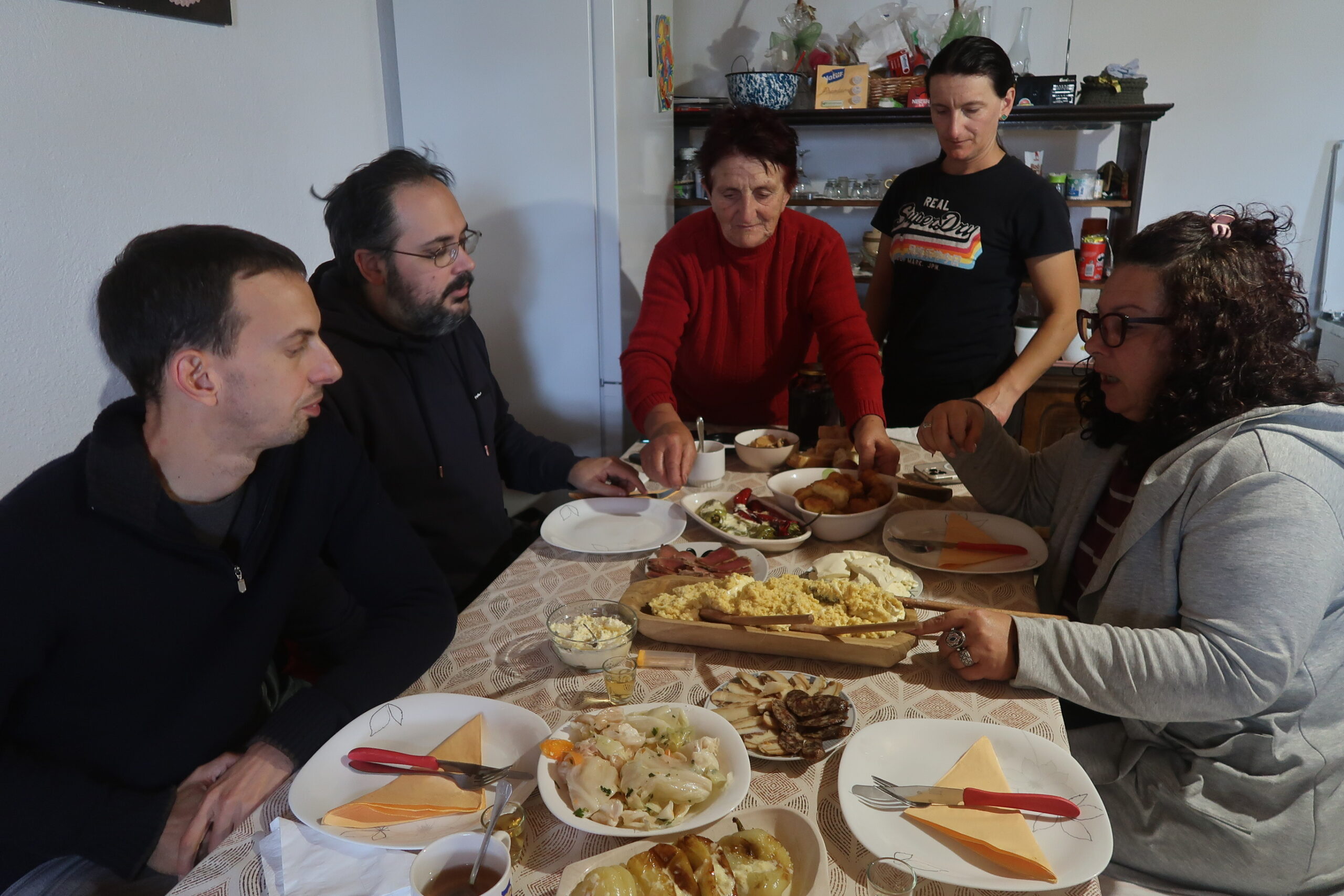
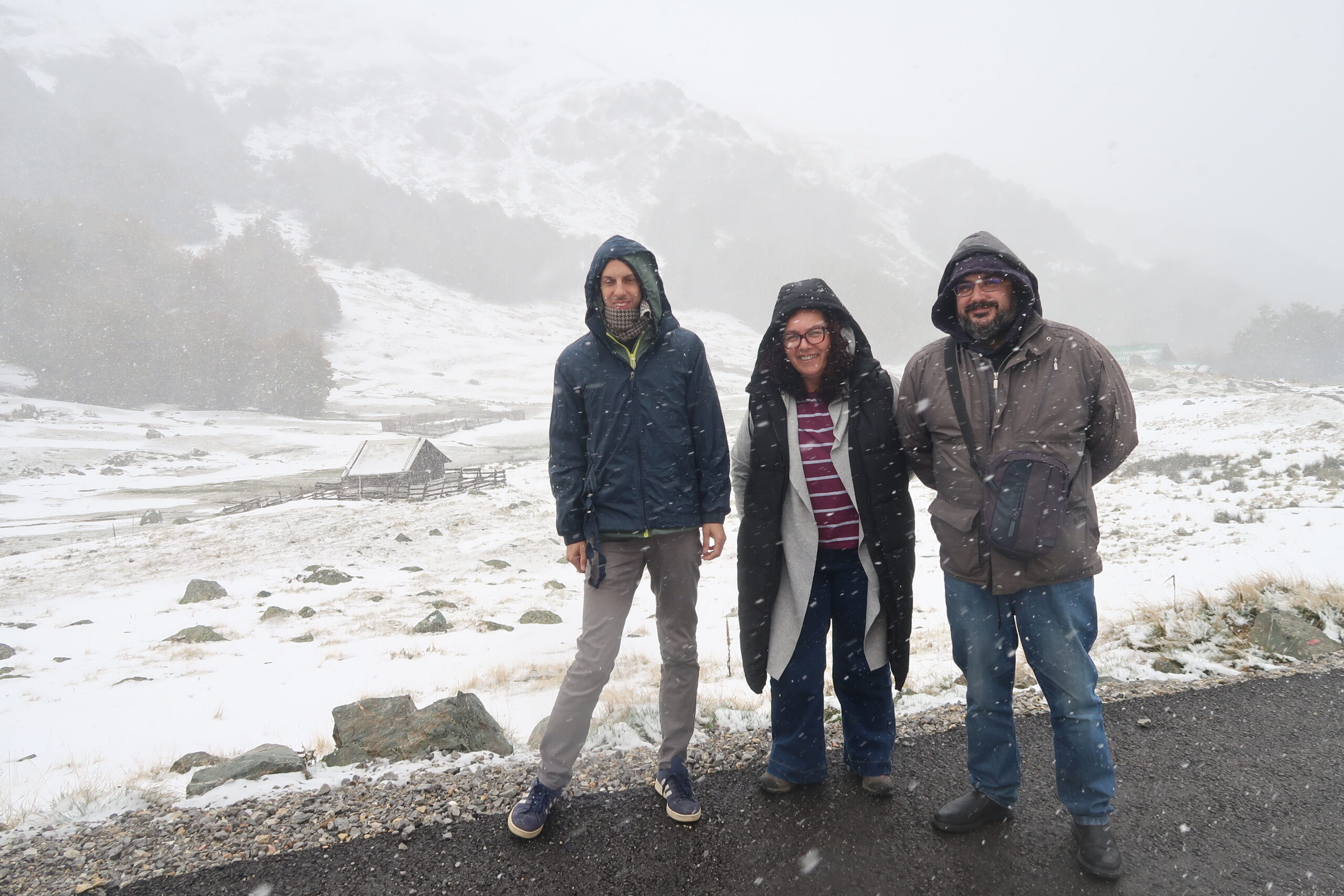
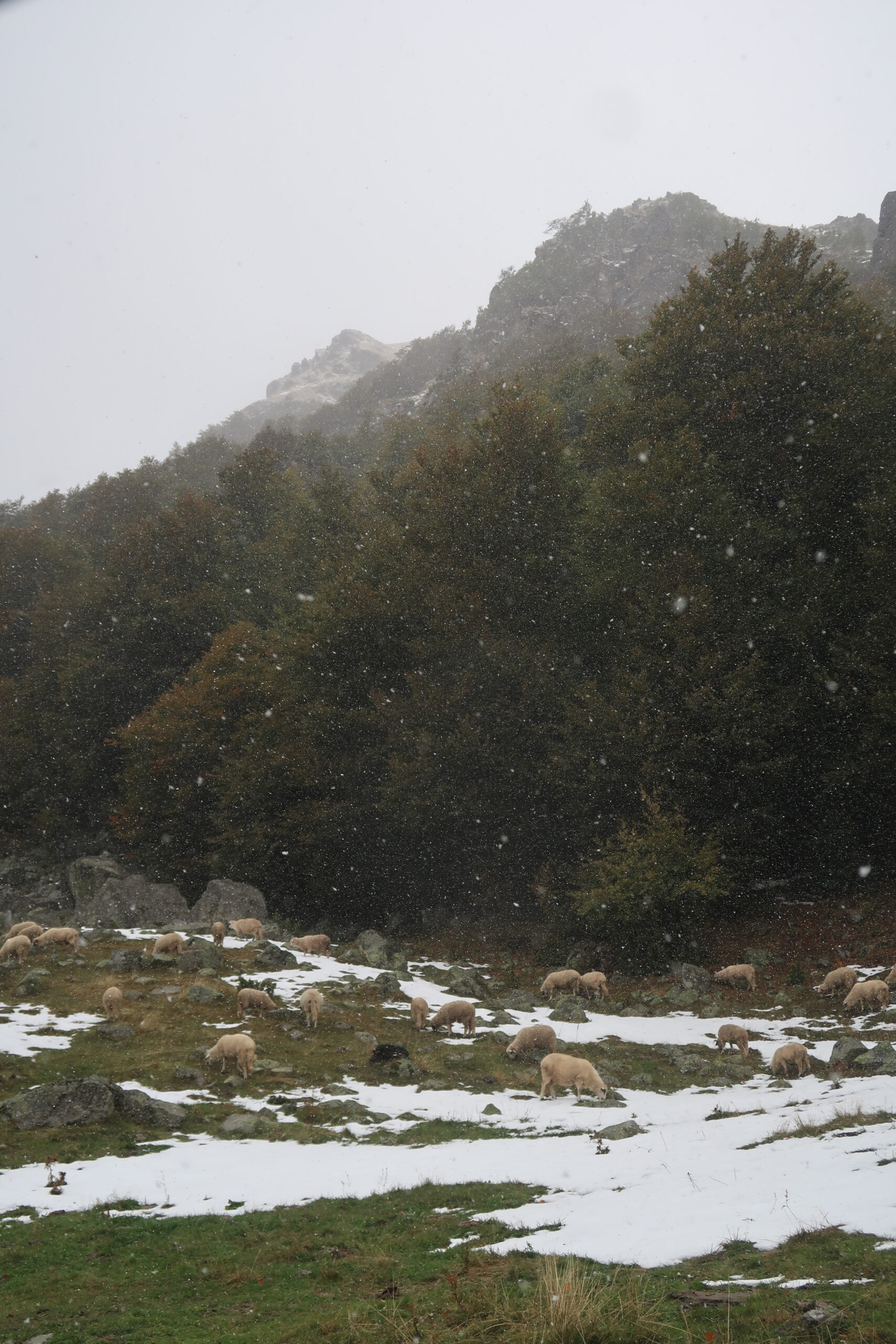
The Italian experts visited several katuns to experience the tradition of “izdig” firsthand. This seasonal movement to mountain pastures remains the most authentic form of pastoral life in Montenegro and serves as the foundation for the GIAHS nomination.
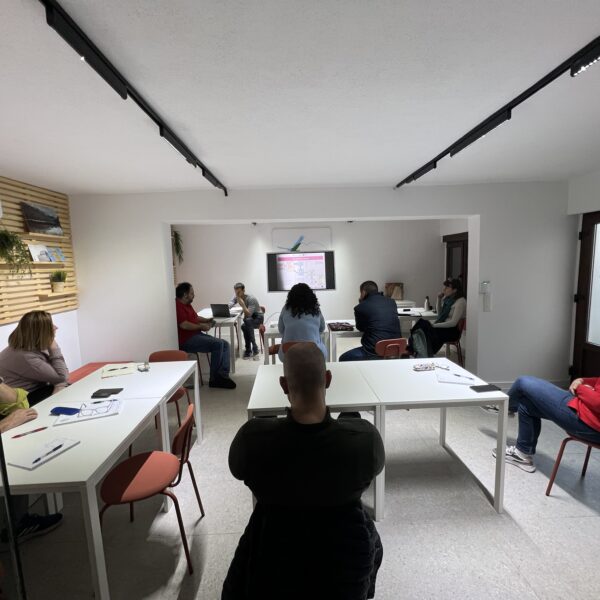
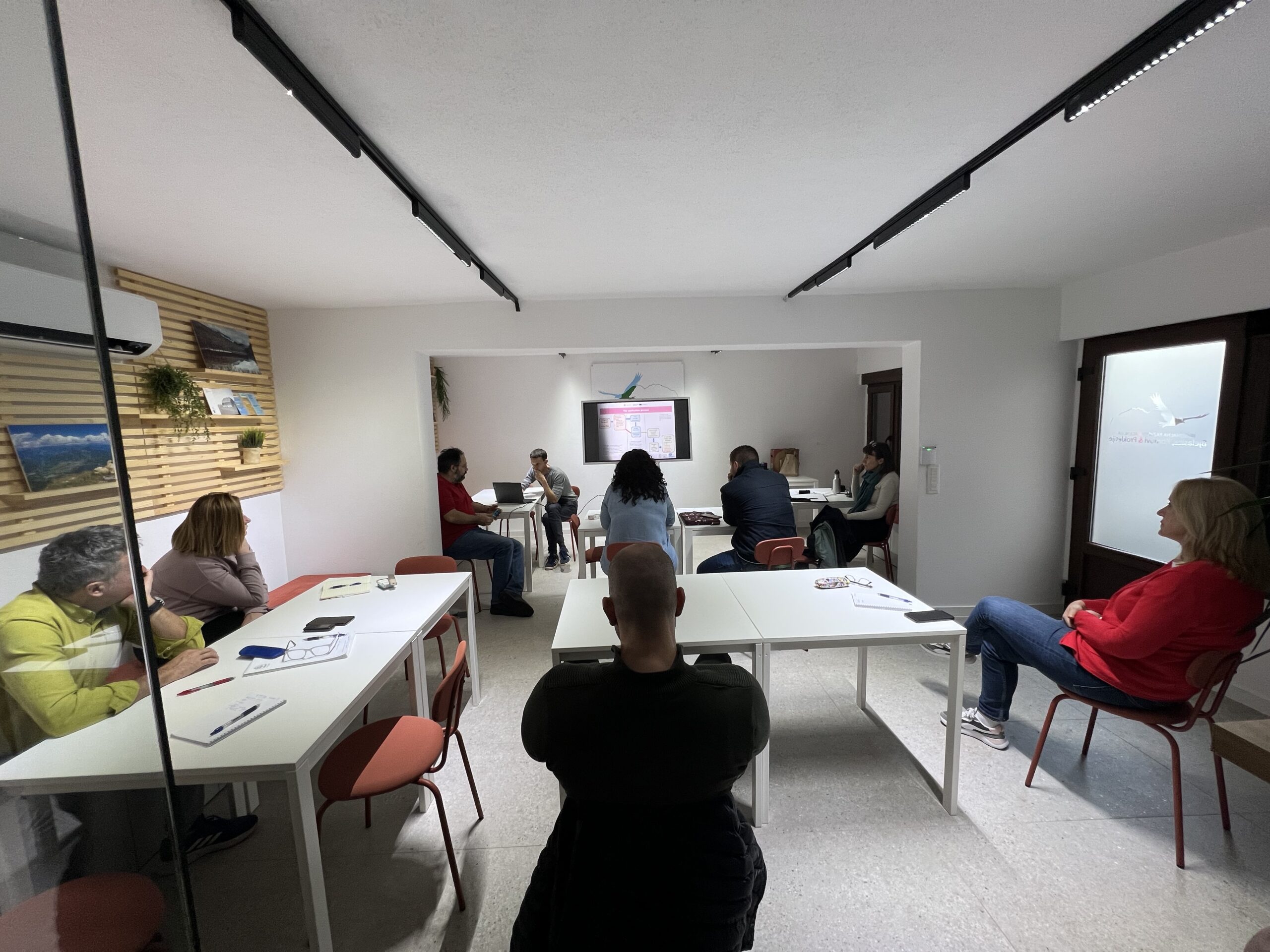
The second day of training focused on the application preparation process, criteria, and program methodology. Participants included representatives from RDA BKP, the Ministry of Ecology, Sustainable Development and Northern Development, the Association of Rural Households of Montenegro, and local farmers.
The application for recognizing katuns as a GIAHS site is planned by the end of the year. This represents a vital step toward international recognition of katuns as a living heritage connecting nature, tradition, and people.
Preserving Identity and Sustainable Development
Inclusion in the GIAHS network will contribute to preserving the identity and authenticity of katuns, improving local living conditions, and fostering sustainable rural tourism. It ensures that traditional practices remain a functional part of Montenegro’s future development.