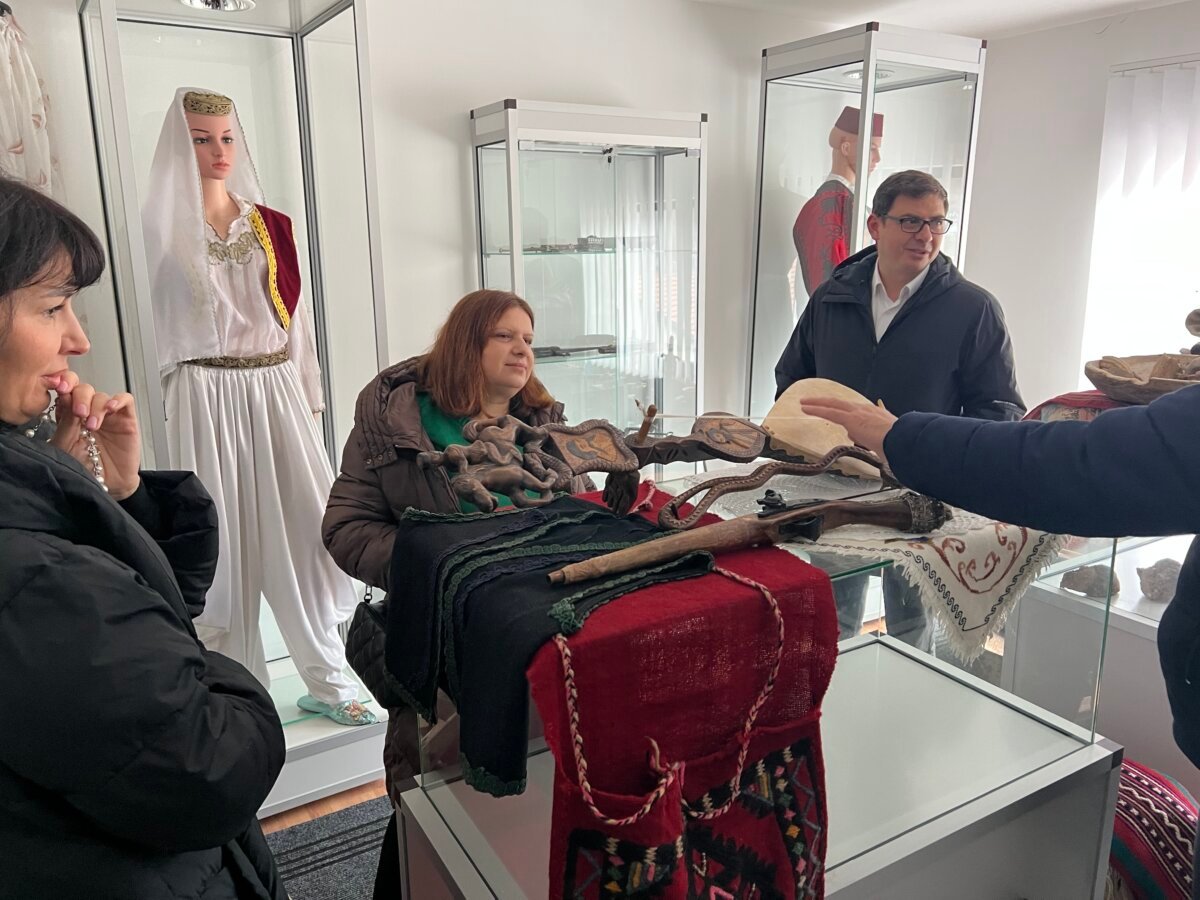
From 26 to 28 November, representatives of the City of Sibiu from Romania visited Montenegro. This visit was part of the Commheritour project, funded by the EU under the Danube Call and implemented in Montenegro by the Regional Development Agency Bjelasica, Komovi and Prokletije from Berane. The visit took place in Petnjica and Berane through a series of joint activities.
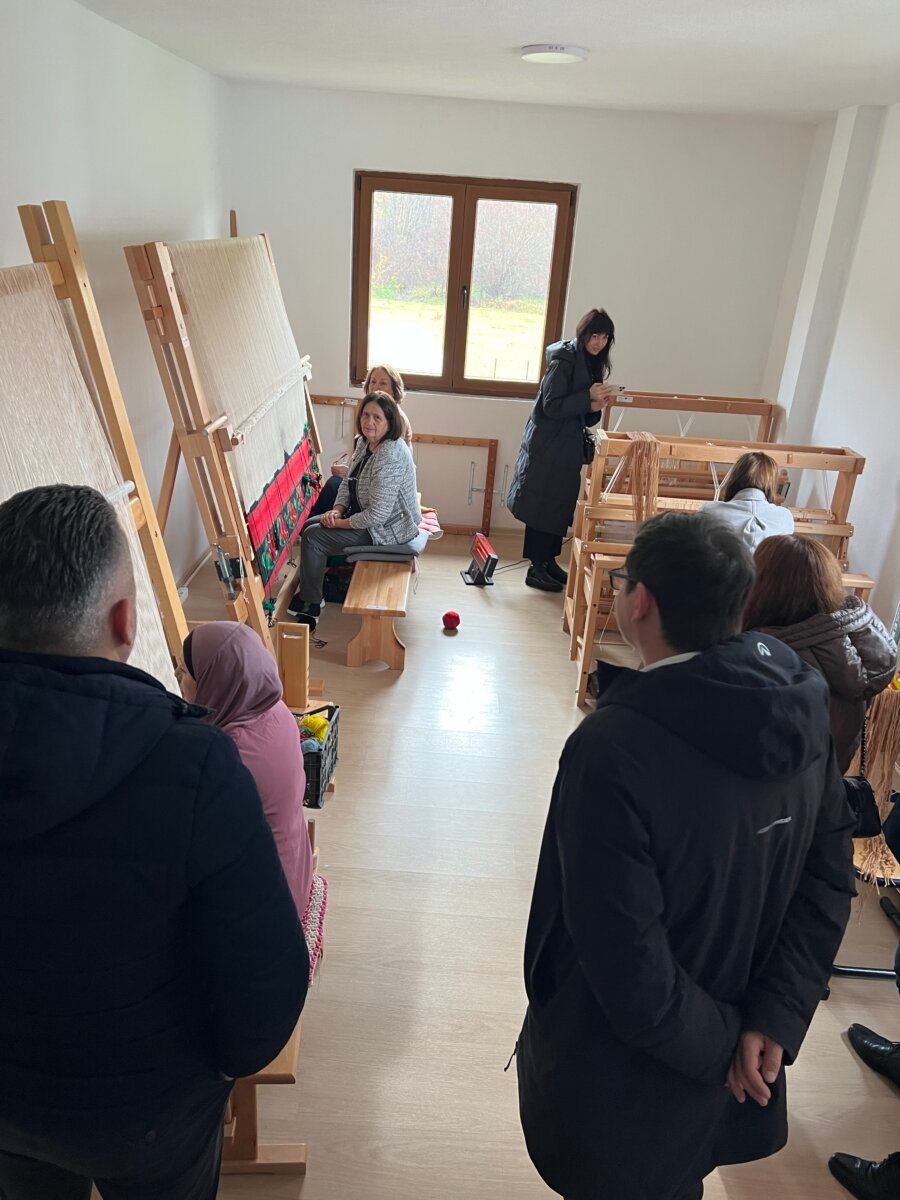
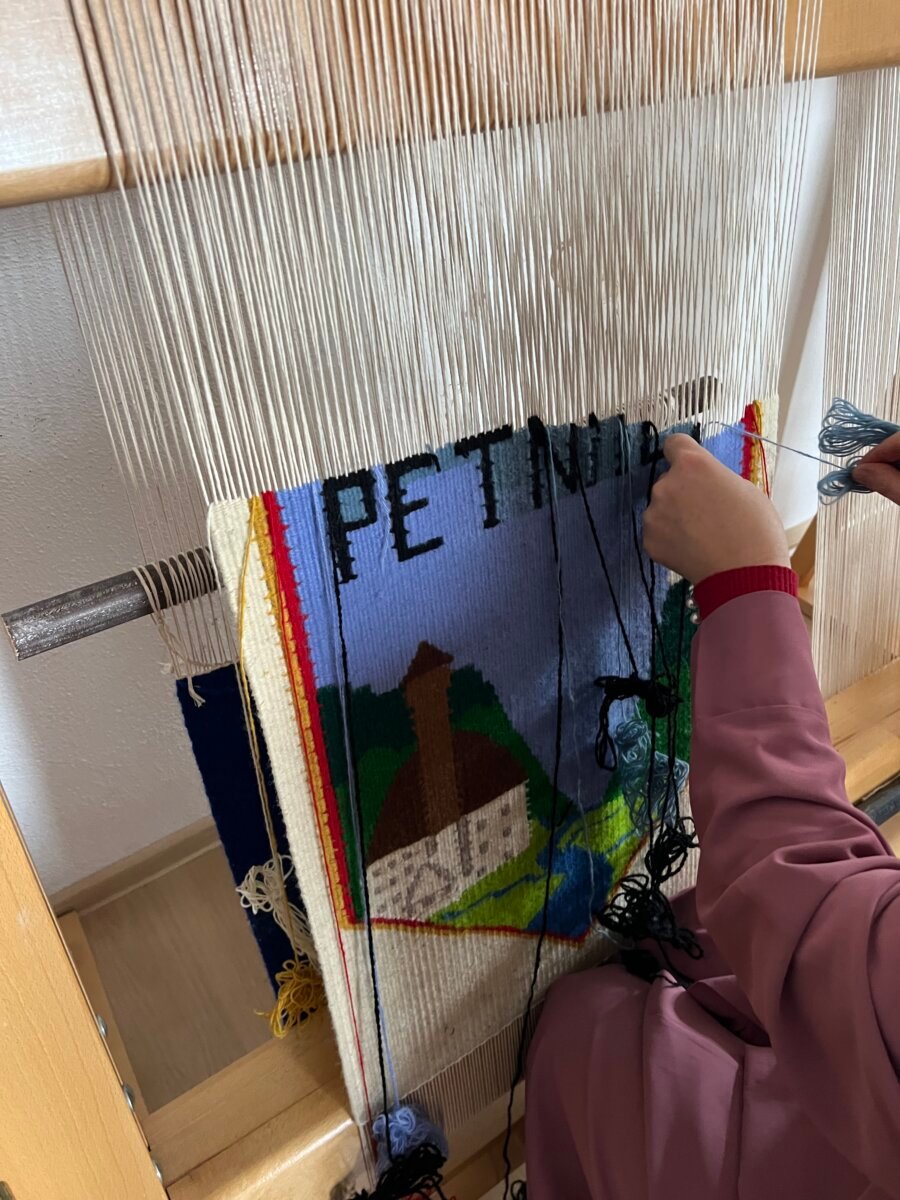
Special attention was devoted to the pilot project being developed in the premises of the NGO Bihorski ćilim and in the premises of the Mahmut Adrović Primary School in Petnjica, where, thanks to this project, workshops on transferring the skill of weaving the Bihor carpet are being held. The craft of producing the Bihor carpet is part of Montenegro’s protected intangible cultural heritage, and this is the first time that an organised intergenerational transfer of the skill—from older to younger generations—is taking place.
This visit by the Romanian partners was organised as a return visit following the Montenegrin delegation’s study visit to Sibiu in September, during which our partners had the opportunity to learn firsthand about activities in Sibiu related to wool processing and traditional crafts in general. Field visits offer an important opportunity for direct exchange of practices and experiences in implementing project activities, as well as discussing the challenges faced by partners on the ground.
Participants of the workshop in Petnjica were particularly interested in wool-processing techniques, which the partners from Romania gladly shared. In Petnjica, meetings were also held with representatives of the local government, the local tourism organisation, the Cultural Centre Petnjica, and the partners visited an extensive collection of Bihor carpets. The stay in Petnjica also provided an opportunity to visit other cultural and historical landmarks of the area.
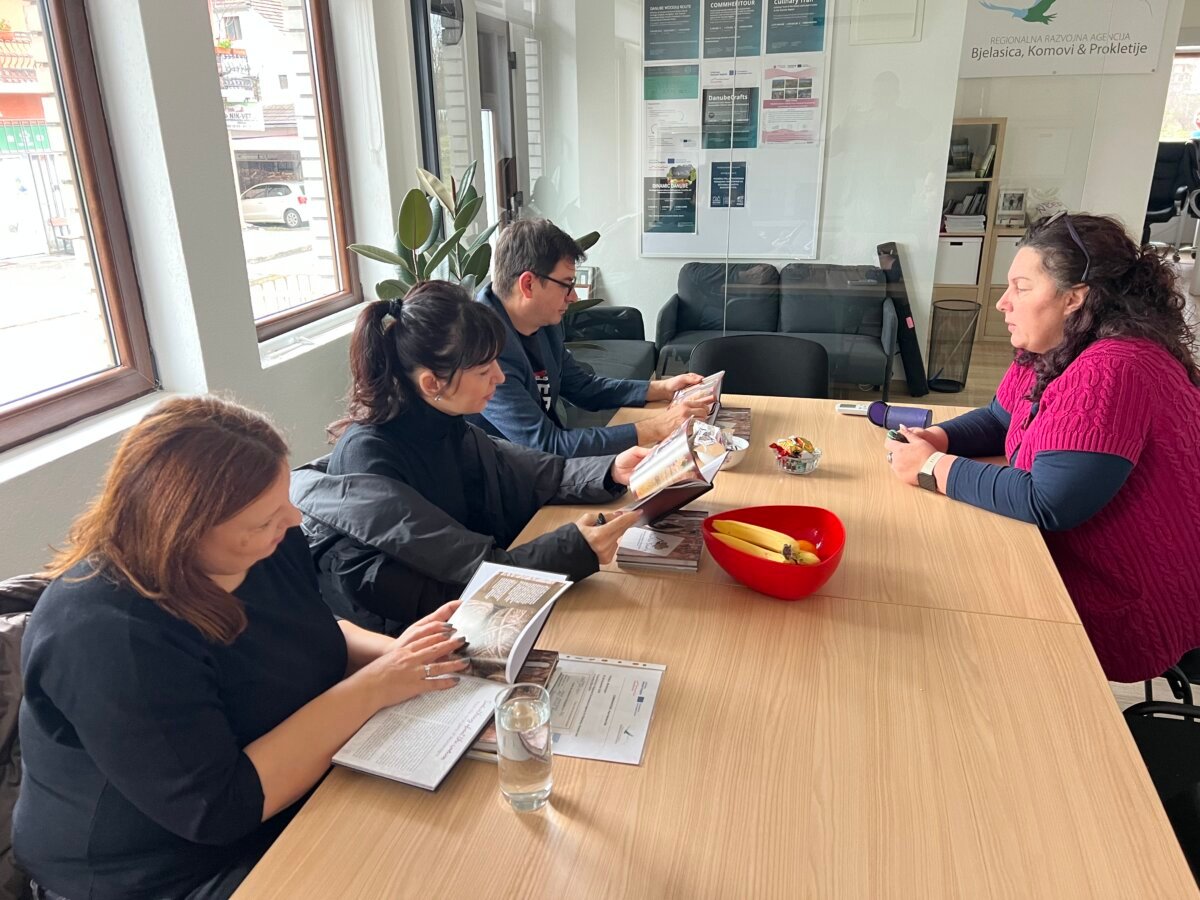
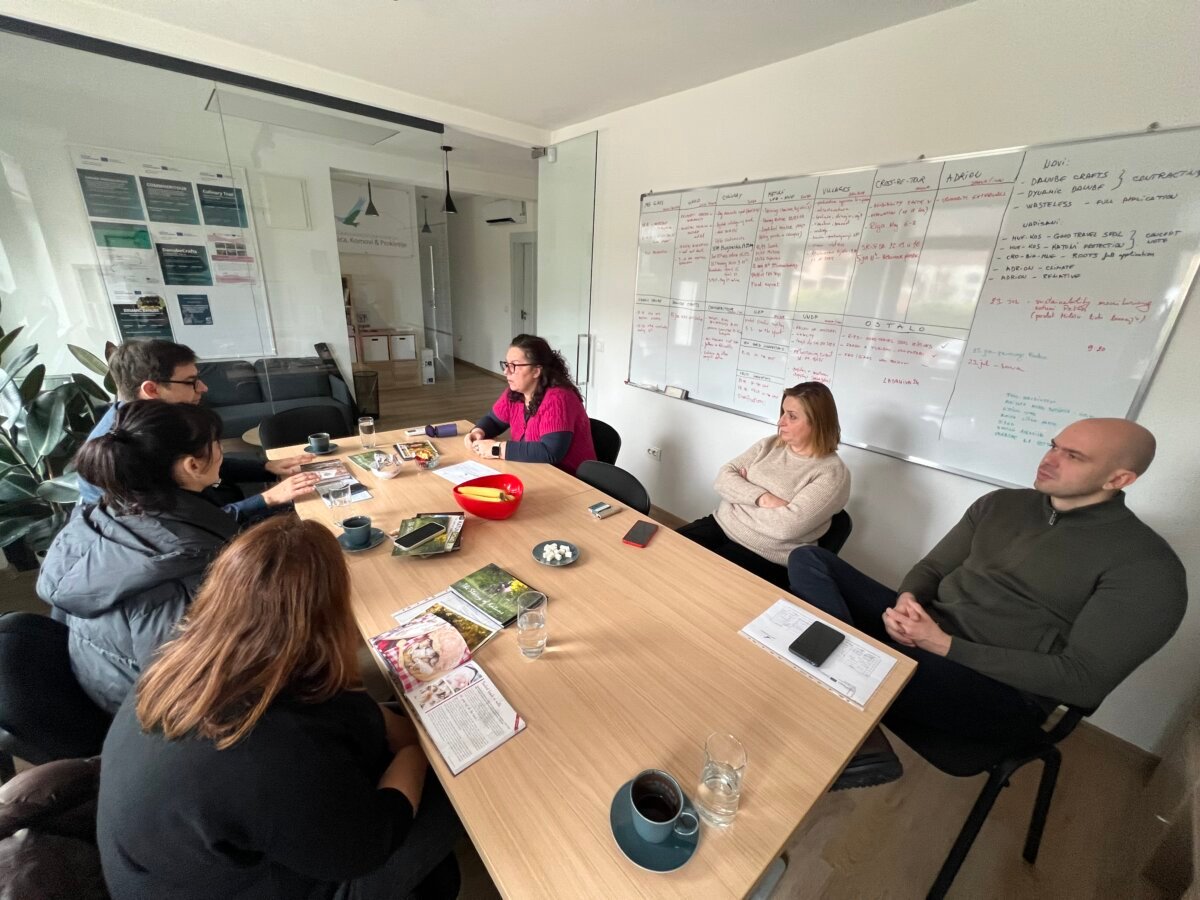
The visit continued in Berane, where numerous activities were organised at the premises of RDA BKP. In addition to the Commheritour project, Romanian partners were introduced to other activities and projects of our organisation, and were able to directly share their impressions and future plans. Joint development of new project ideas is already being discussed, with both sides expressing interest in continuing cooperation.
The concluding message from both partners is that our communities in Montenegro and Romania share many cultural, natural, and other potentials that can serve as a bridge for future cooperation, joint project development, and strengthened collaboration—especially in rural and mountainous regions of both countries, which is also the core purpose of such visits.