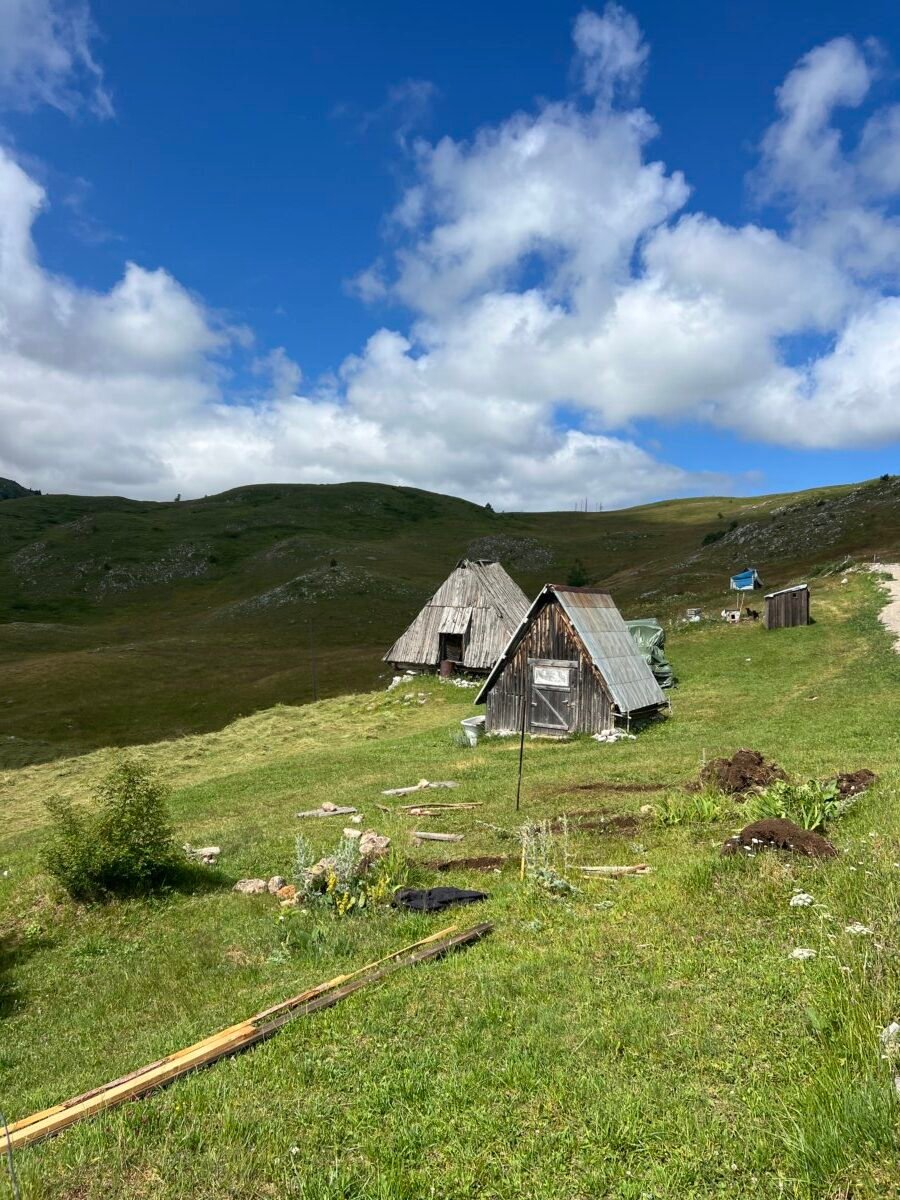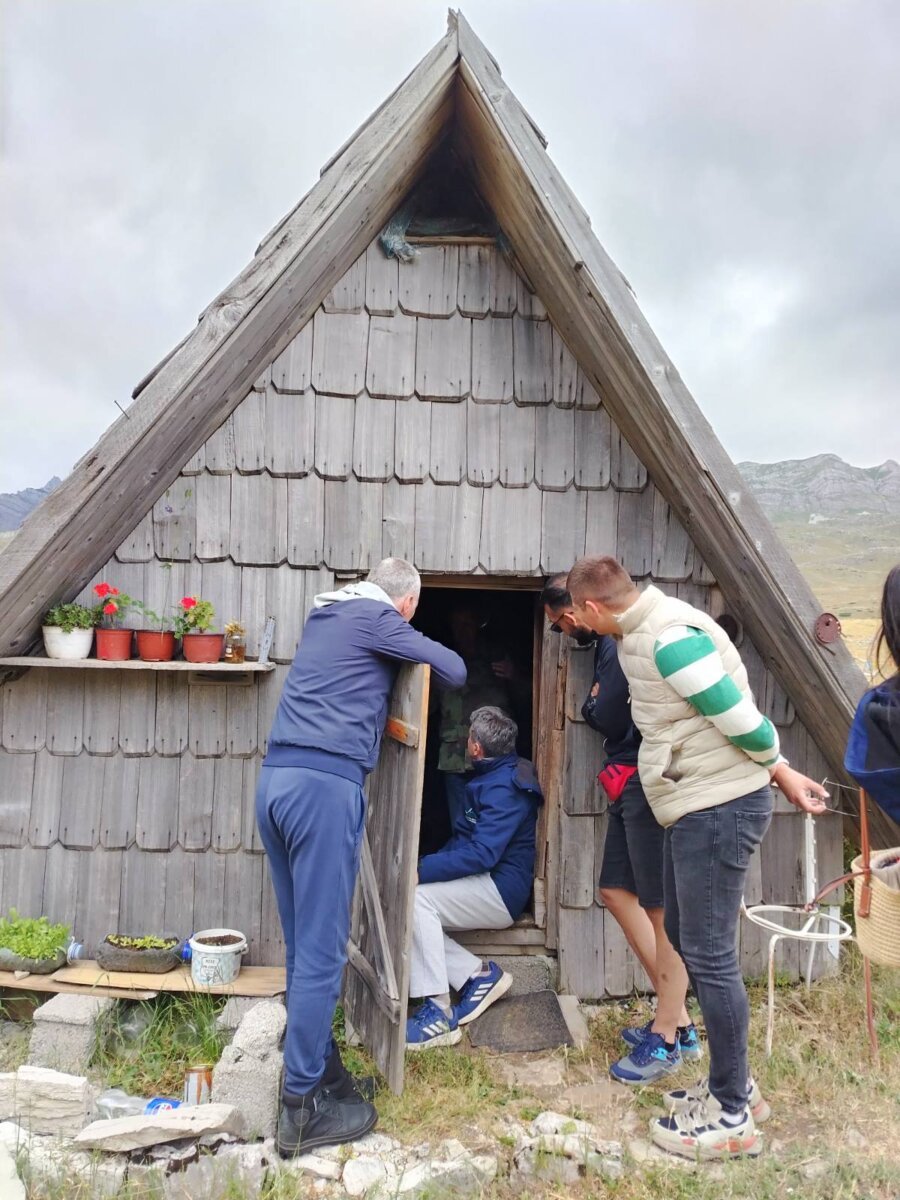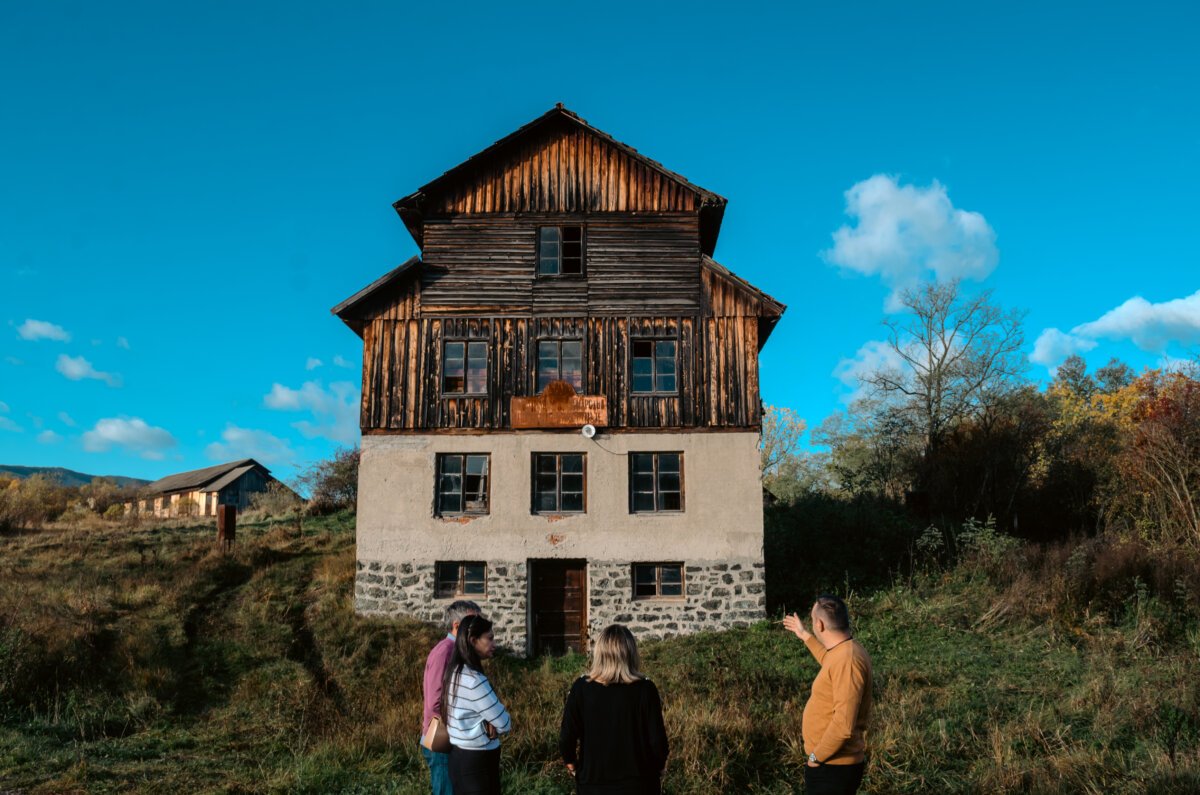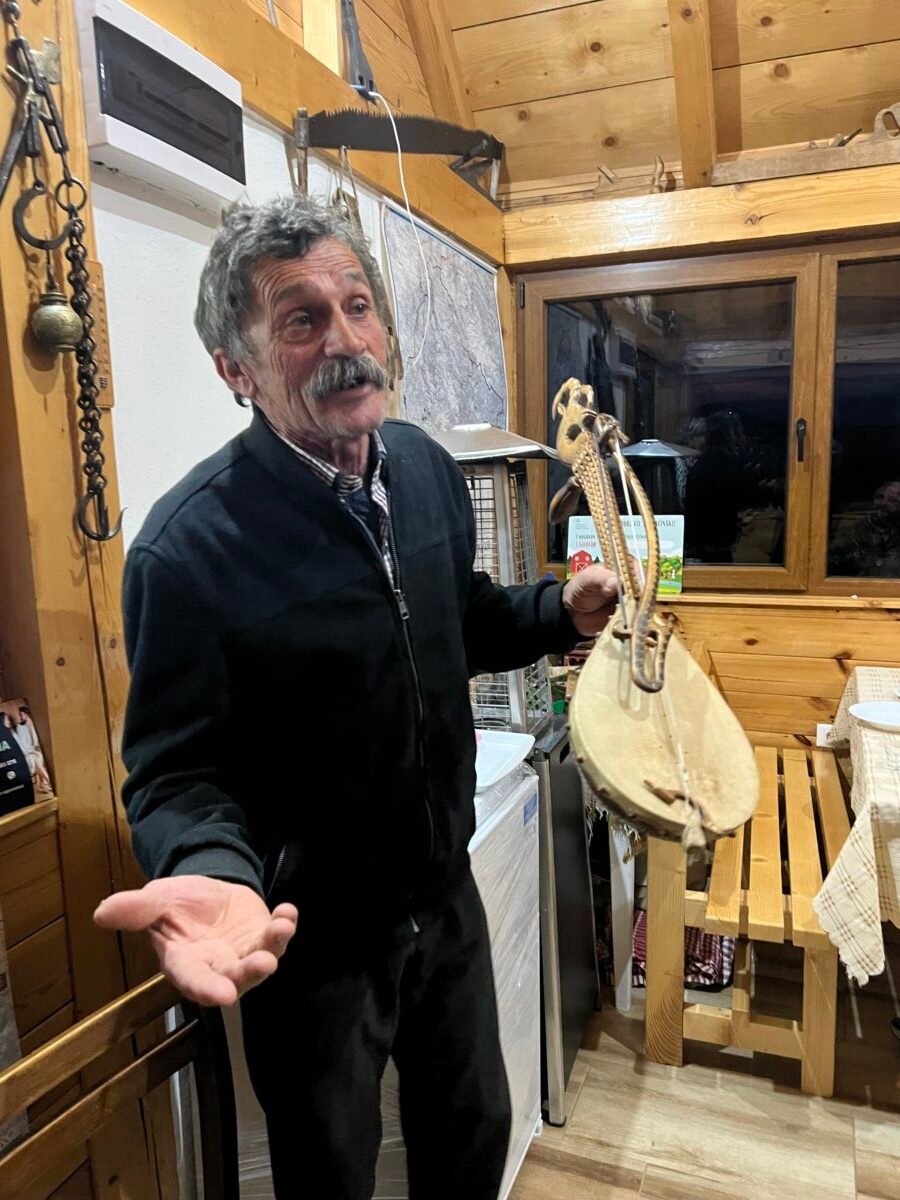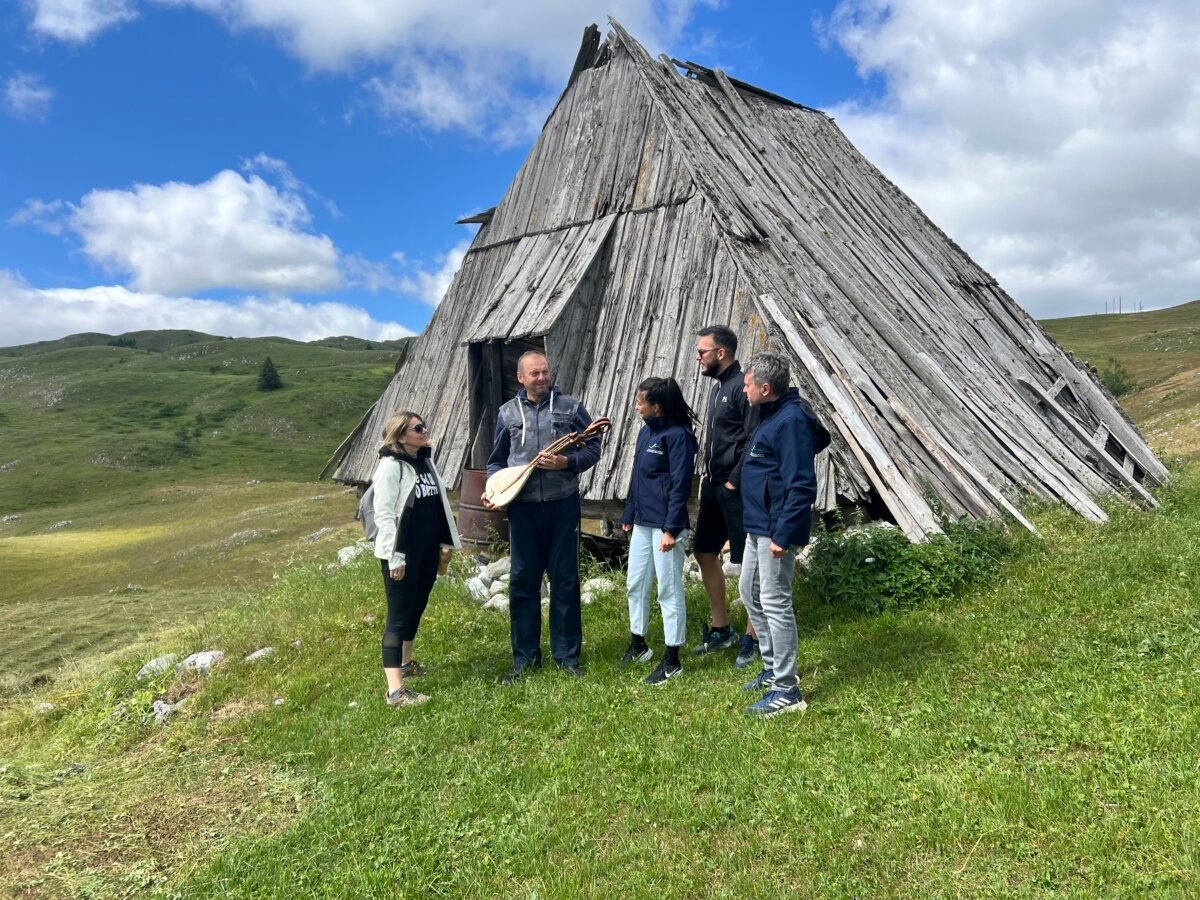
Within the DANUBE WOOD(s) ROUTE project, the Regional Development Agency for Bjelasica, Komovi and Prokletije visited the Regional Development Agency Zlatibor in Serbia on October 23 and 24, 2025, with the aim of exchanging experiences in the use of cultural and natural heritage for the development of sustainable rural tourism. The visit followed previous activities in Montenegro, which included touring the katuns in the area of the Durmitor and Biogradska Gora National Parks, where the importance of preserving the traditional way of life, wooden architecture, and intangible cultural heritage as a foundation for developing authentic tourism products was emphasized.
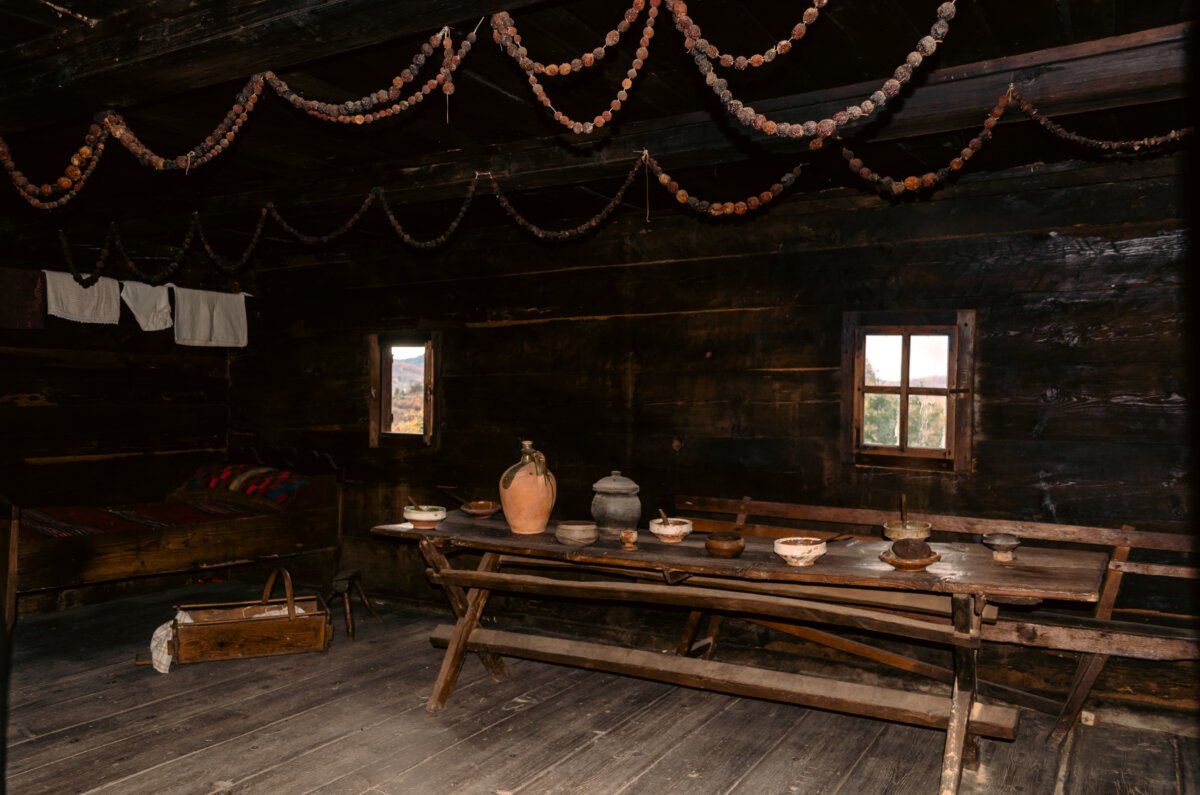
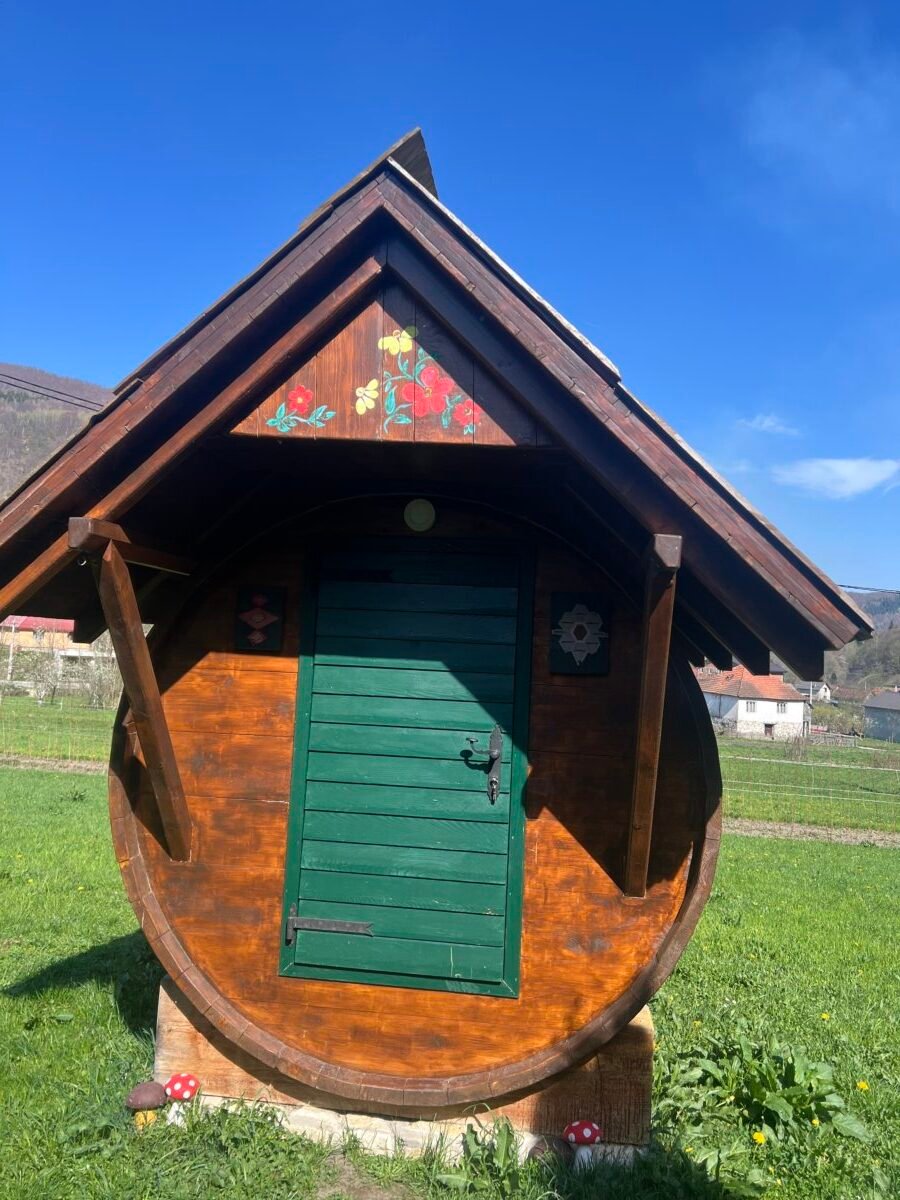
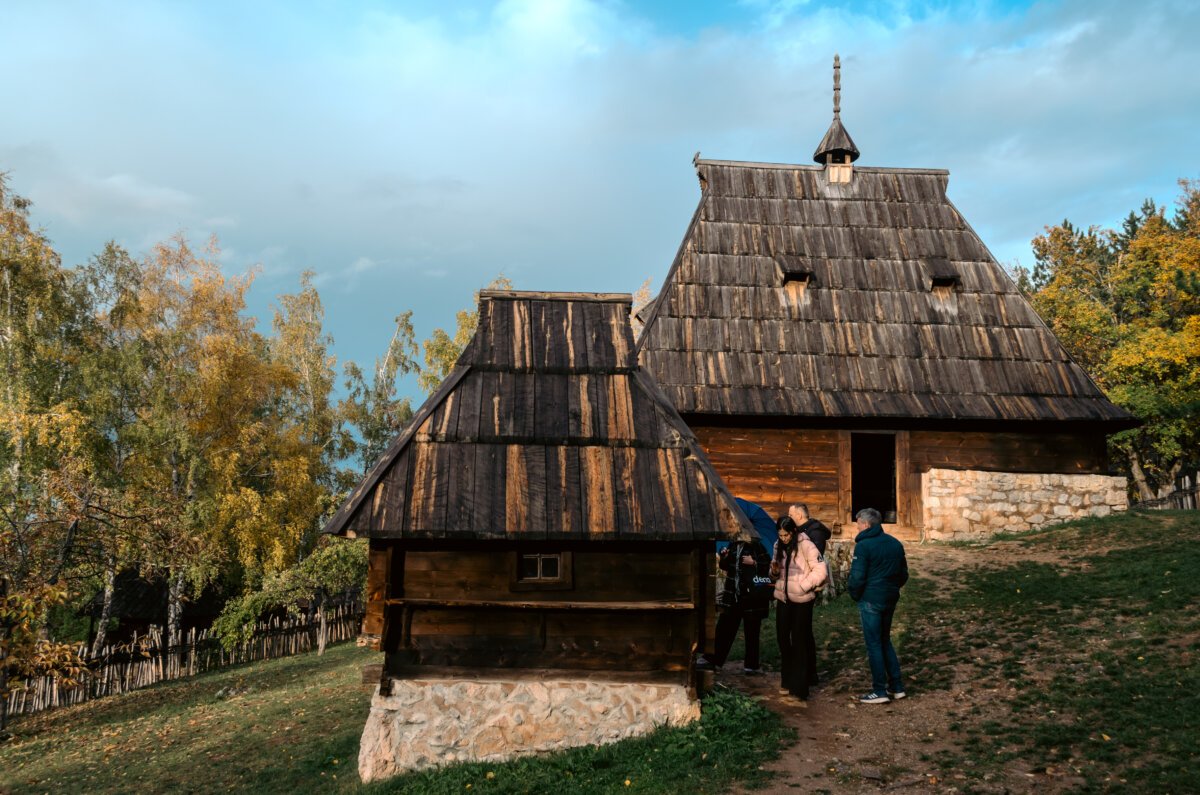
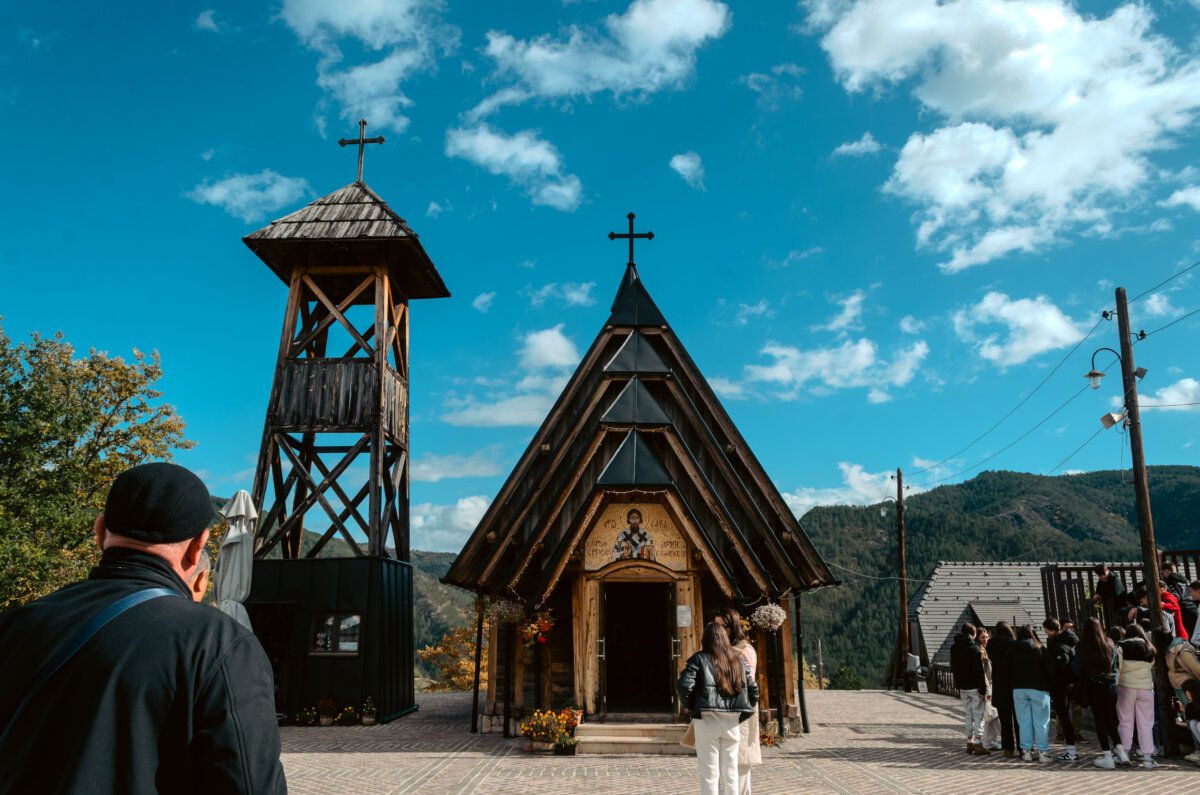
During the stay in Serbia, the partners visited Tara National Park with the Mokra Gora Nature Park, including Mitrovac and the Visitor Centre of Tara National Park, the Banjska Stena viewpoint, as well as Čarobni Breg, Drvengrad, Mećavnik and the Šargan Eight tourist-museum complex, as well as the “Staro Selo” Open-Air Museum in Sirogojno. Tara National Park was highlighted as an area extremely rich in forest ecosystems and natural features that can be included in the development of thematic trails and educational routes based on the interpretation of nature and the traditional use of wood. At the “Staro Selo” Museum in Sirogojno, an example of preserving traditional architecture and everyday life was presented through authentic rural houses, craft workshops, and original objects that reflect the culture of that time. Drvengrad, designed as a cultural-tourist environment with contemporary facilities, demonstrates how tradition can be creatively depicted in a new context, while the Šargan Eight, as a museum railway attraction, provides an example of successful valorisation of industrial and landscape heritage through travel.
At all locations, similarities and shared opportunities were identified for developing tourism products that connect natural resources, wooden architecture, crafts, and traditional skills. Special emphasis was placed on the need to improve the sites themselves, methods of presentation and guiding programs, visitor management, and the interpretation of intangible heritage.
The establishment of a joint cultural route within the DANUBE WOOD(s) ROUTE project represents a significant step in promoting local identity, preserving tradition, and strengthening sustainable rural tourism through interregional cooperation.