
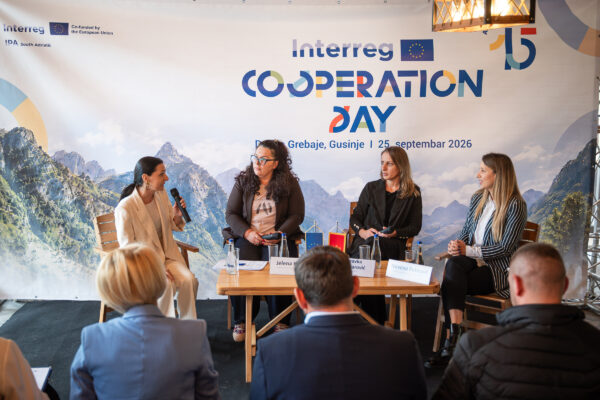
Interreg Cooperation Day was celebrated in the Grebaje Valley, where RDA BKP premiered the first souvenir collection “Gorski vez / Mountain Stitches”, created within the DanubeCrafts project. The initiative gathers women from Berane and surrounding areas to preserve traditional embroidery as living knowledge while adapting it to the modern market and creating economic opportunities.
News Activities
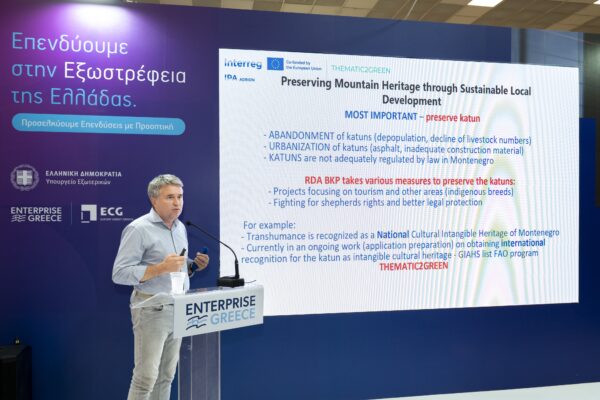
Thematic2Green Project Enters Final Phase: Green Innovations on Katuns and Study Visit to Thessaloniki
The Thematic2Green project enters its final phase through the procurement of bio-toilets and solar water heaters for katun households in Montenegro, alongside mentoring for eco-certification. In addition to improving mountain infrastructure, the RDA BKP team participated in the 90th Thessaloniki International Fair, presenting Montenegrin katuns and sustainable rural development models.
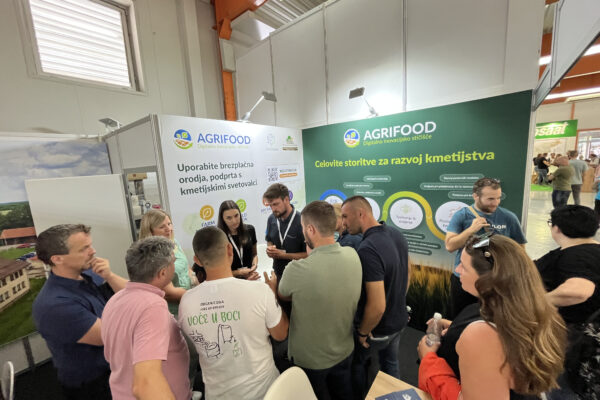
Study Visit to Slovenia – Digital Technologies and Good Practices in Agriculture
As part of the DINAMIC DANUBE project, representatives of RDA BKP and local farmers from Petnjica and Berane participated in a study visit to Slovenia. From the AGRA International Agricultural Fair to visiting leading farms and institutions in Beltinci, valuable experiences were shared on digitalization, organic production, and developing sustainable models for our family farms.
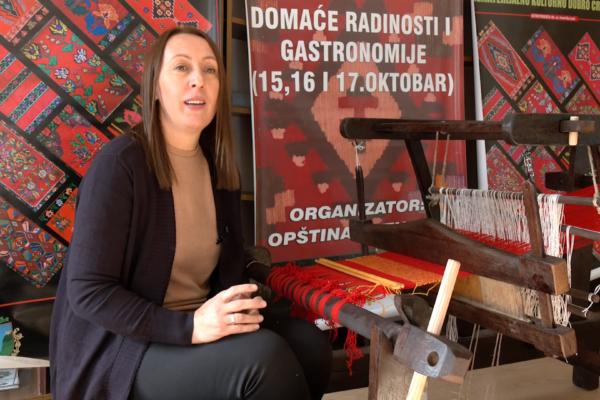
The Skill of Making Bihor Carpets: A Story Woven into the Soul of the North
The Bihor carpet is more than an object – it is a chronicle of northern Montenegro woven through symbols. Diligent weavers from Petnjica have handcrafted these unique 100% wool tapestries for centuries. Through the #DanubeCrafts and COMMHERITOUR projects, we protect this remarkable skill and century-old legacy.
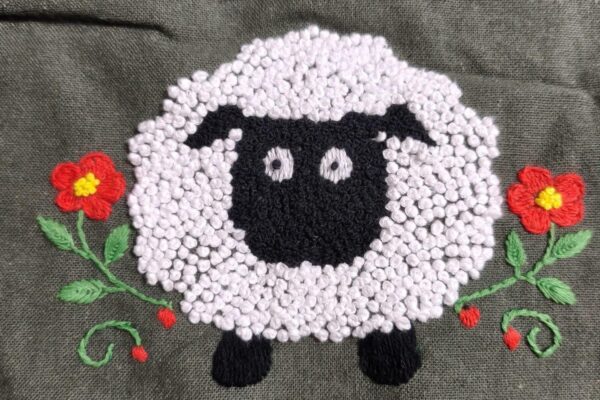
First Souvenir Prototypes Presented Within the “Danube Crafts” Project
Regional Development Agency for Bjelasica, Komovi and Prokletije continues the EU-funded Danube Crafts project. Following the training of 41 individuals in traditional embroidery, the creation of usable and practical souvenirs has begun, aiming to enrich and authentically enhance the tourism offer of our region.
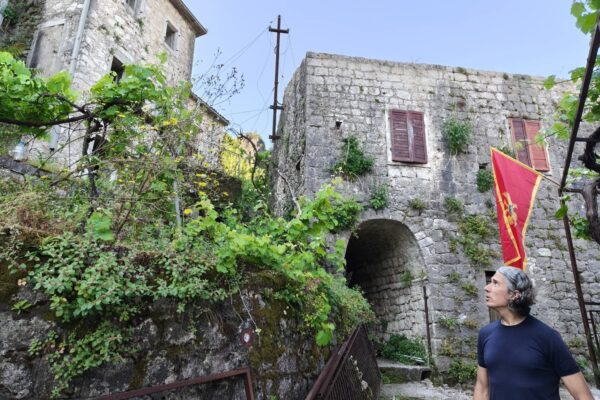
Rural Households Pioneers of Sustainable Tourism: Verification for “Good Travel Seal” Begins
Regional Development Agency (RDA) for Bjelasica, Komovi and Prokletije proudly announces the official start of the independent verification process for rural households undergoing the Good Travel Seal certification. This prestigious international award confirms high environmental standards and community care.
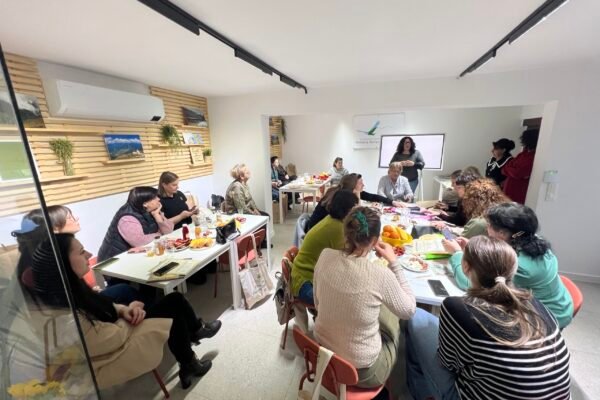
Traditional Embroidery Workshops Held within the Danube Crafts Project
RDA BKP completed the first embroidery workshop cycle for 26 participants under the Danube Crafts project. The focus was on valorizing the famous Montenegrin stitch and empowering women economically. Due to high interest, a new training cycle is planned, alongside creating souvenir prototypes for tourism.
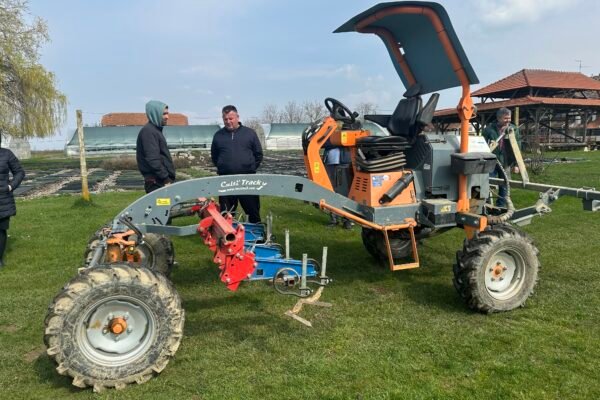
DYNAMIC DANUBE: Study visit on sustainable agriculture
As part of the DINAMIC DANUBE project, project team representatives and local experts from Montenegro participated in a study visit to Zagreb, held from March 17th to 19th, 2026. The visit was organized by Croatian partners – RIT Croatia and Optimizacija d.o.o., with the support of other project partners.

First Traditional Embroidery Workshop Held within the DANUBE CRAFTS Project
The first DANUBE CRAFTS embroidery workshop attracted 27 women, proving a strong interest in tradition. Due to high demand, work continues in groups. Participants are reviving family heritage while focusing on creativity, mindfulness, and crafting authentic souvenirs that blend the past with the modern market.
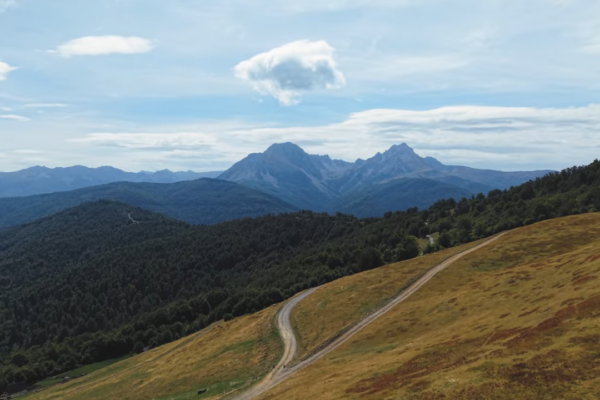
Katuns of Montenegro: A Centuries-Old Tradition Shaping Mountain Identity
The video film about Montenegro’s katuns presents a centuries-old tradition of seasonal migration that still preserves an authentic way of life. Through nature-based living, traditions, and livestock care, it highlights the importance of protecting biodiversity and strengthening local communities.