
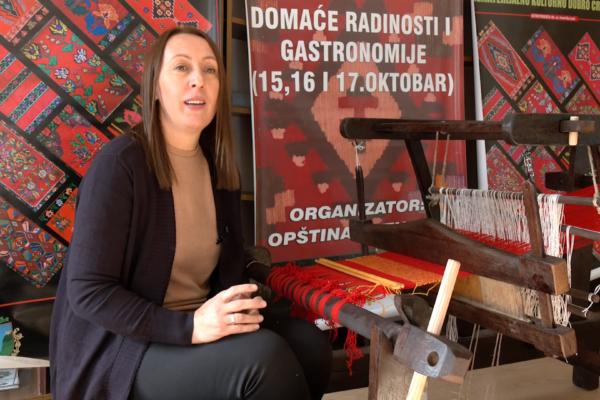
The Bihor carpet is more than an object – it is a chronicle of northern Montenegro woven through symbols. Diligent weavers from Petnjica have handcrafted these unique 100% wool tapestries for centuries. Through the #DanubeCrafts and COMMHERITOUR projects, we protect this remarkable skill and century-old legacy.
Cultural Heritage and Traditional Knowledge
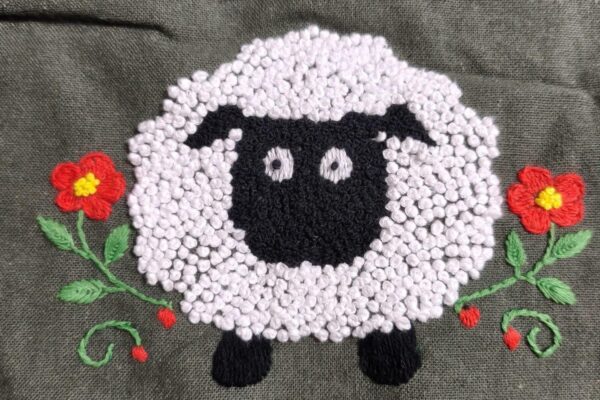
First Souvenir Prototypes Presented Within the “Danube Crafts” Project
Regional Development Agency for Bjelasica, Komovi and Prokletije continues the EU-funded Danube Crafts project. Following the training of 41 individuals in traditional embroidery, the creation of usable and practical souvenirs has begun, aiming to enrich and authentically enhance the tourism offer of our region.
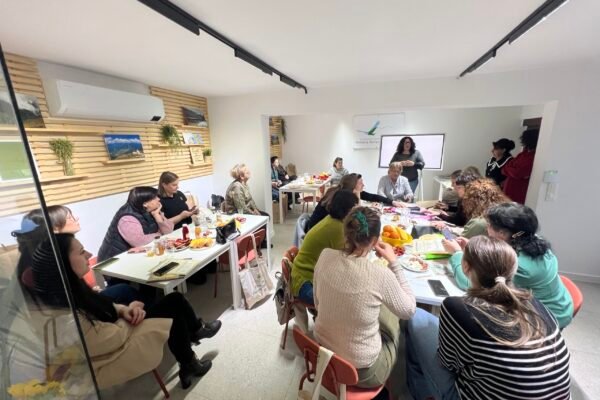
Traditional Embroidery Workshops Held within the Danube Crafts Project
RDA BKP completed the first embroidery workshop cycle for 26 participants under the Danube Crafts project. The focus was on valorizing the famous Montenegrin stitch and empowering women economically. Due to high interest, a new training cycle is planned, alongside creating souvenir prototypes for tourism.

Katuns of Montenegro: A Centuries-Old Tradition Shaping Mountain Identity
The video film about Montenegro’s katuns presents a centuries-old tradition of seasonal migration that still preserves an authentic way of life. Through nature-based living, traditions, and livestock care, it highlights the importance of protecting biodiversity and strengthening local communities.
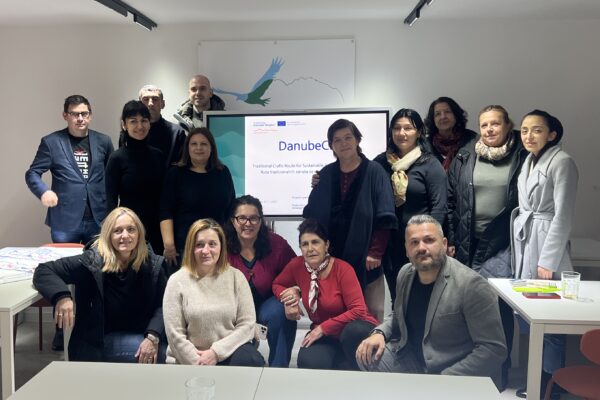
How to Preserve Traditional Crafts
RDA BKP hosted a meeting with Romanian partners to discuss craft revitalization via Commheritour and DanubeCrafts. Embroidery was chosen as the lead activity for souvenir development. The goal is to train local women and adapt traditions to the market, empowering the community and preserving cultural heritage.
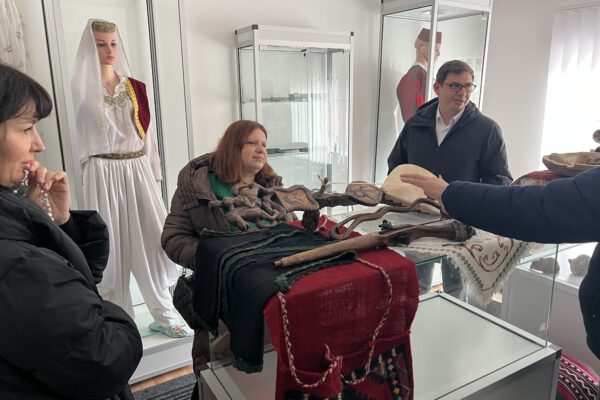
Peer review visit by partners from the city of Sibiu from Romania
The visit was realized in Petnjica and Berane through numerous joint activities. Special attention was paid to the pilot project being developed on the premises of the NGO “Bihorski ćilim” and in the “Mahmut Adrović” Elementary School in Petnjica, where, thanks to this project, workshops for transferring the skill of weaving the Bihorski carpet are being held.
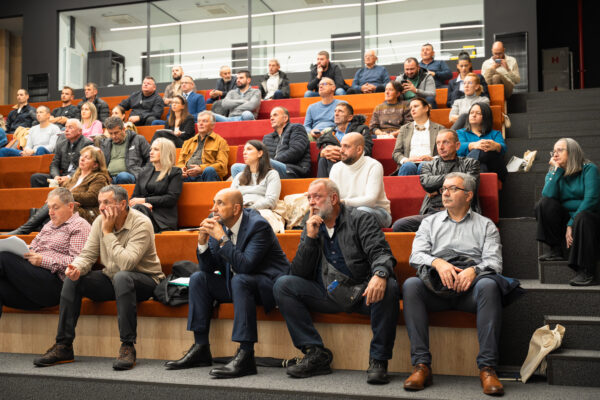
Katuns on the road to national and international protection
During the discussion, it was shown that katuns are still insufficiently understood in Montenegrin public discourse and that they face numerous administrative, infrastructural, and social obstacles. Participants pointed out that this centuries-old tradition, although a unique part of Montenegro’s identity and cultural landscape, is still not adequately valued or treated with due respect.
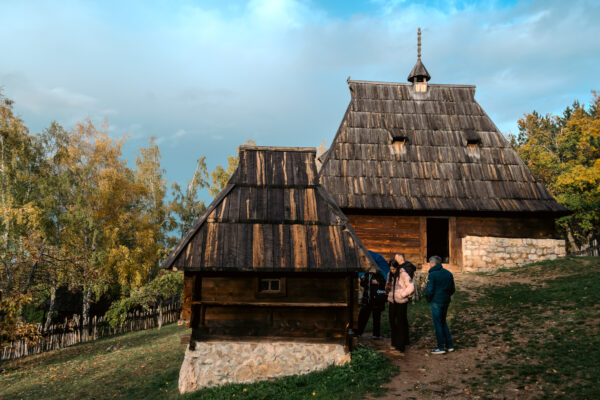
Cultural and natural potentials in the focus of the DANUBE WOOD(s) route
In all locations, similarities and common opportunities for the development of tourism products connecting natural resources, wooden architecture, crafts, and traditional skills were observed. The need to improve the locations themselves, the way they are presented, and the guiding programs, visitor management, and presentation of intangible heritage was particularly emphasized.
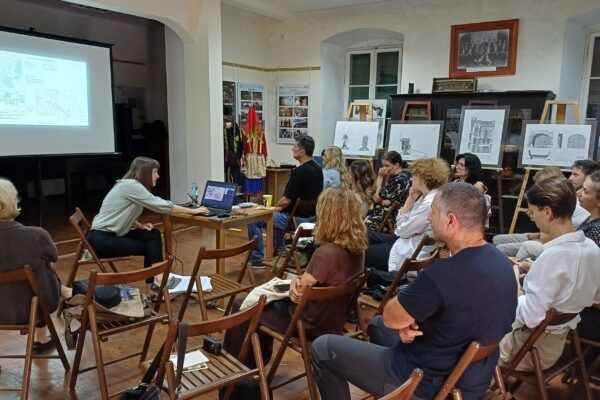
Architectural heritage of katuns promoted within the European Heritage Days
European Heritage Days are celebrated every September across Europe, under the auspices of the European Commission and the Council of Europe, through the organization of events at local and national levels, in accordance with a unique theme chosen at the European level.
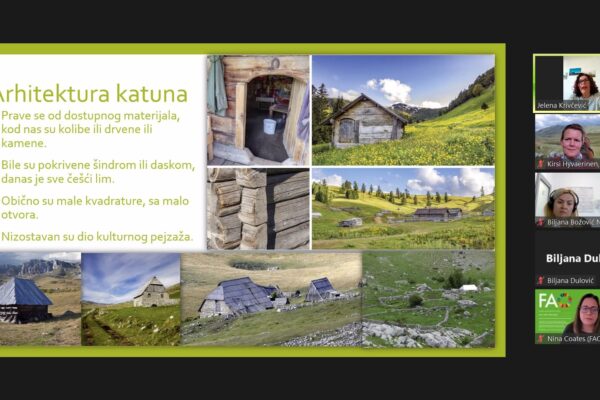
Preserving Katuns: A Step Closer to the Globally Important Agricultural Heritage Systems (GIAHS)
At a workshop on GIAHS status for Montenegrin katuns, supported by FAO/EBRD, experts analyzed the architecture and cultural landscape of these settlements. International and national stakeholders discussed positioning the tradition of seasonal migration on the global map of important agricultural heritage systems.